Why Puttanesca Sauce Is a Must-Try Italian Classic
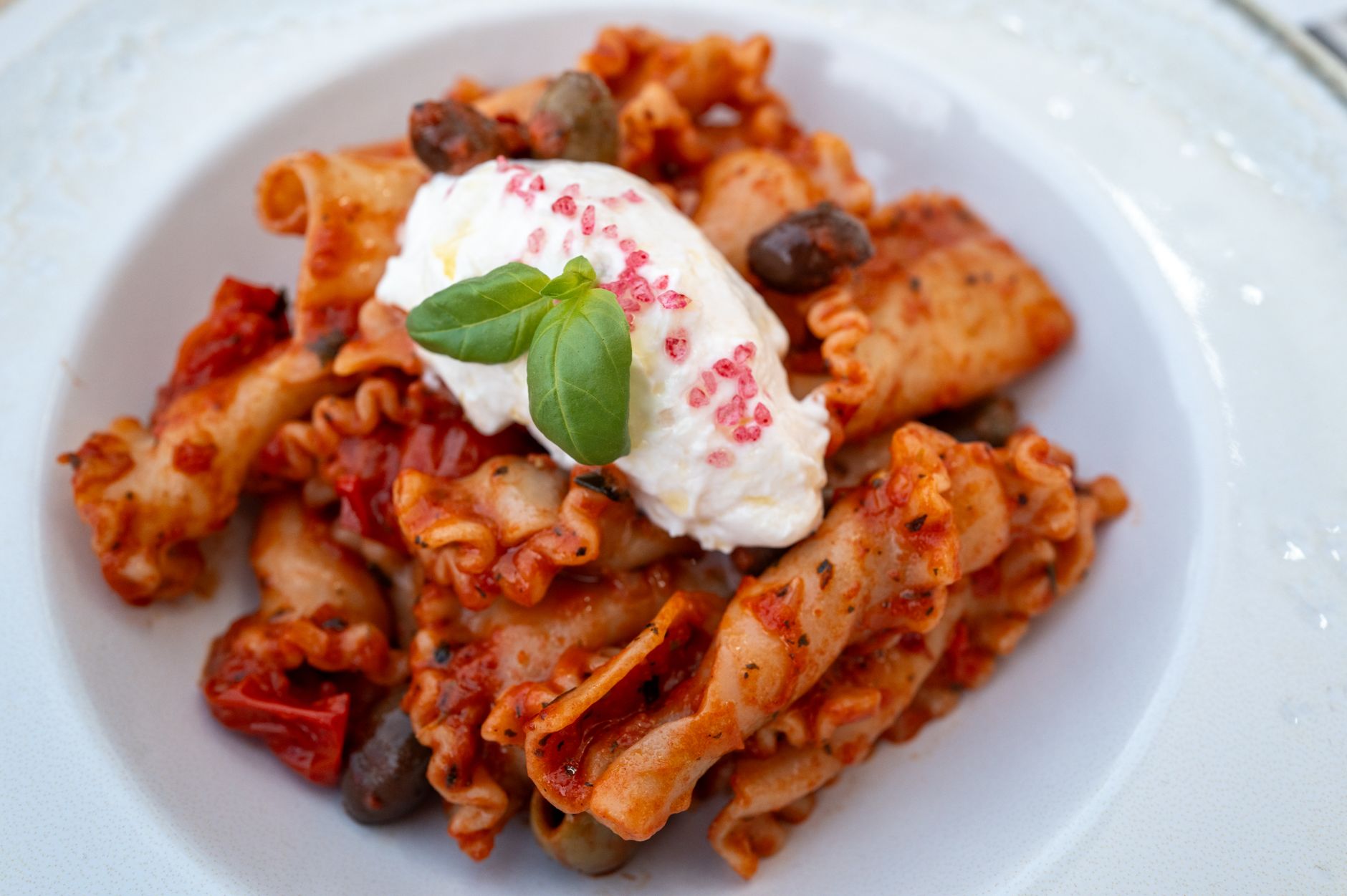
The moment you simmer a pot of puttanesca sauce, your kitchen fills with an irresistible aroma—a tangy, salty, and savory blend that sparks the appetite. This vibrant Italian sauce stands out because of its bold ingredients: olives, capers, tomatoes, and anchovies combine to create an intense flavor profile that’s both rustic and refined. Puttanesca sauce bursts with Mediterranean goodness and brings a fragrant, lively punch to your pasta dishes. The magic lies in its simplicity and the perfect harmony of salty and savory notes, making it a beloved staple in Italian cuisine.
Health Benefits & Nutrition
Puttanesca sauce is not just delicious; it also offers several health benefits, thanks to its wholesome ingredients.
- Rich in Mediterranean healthy fats: Olive oil, the sauce’s base, provides monounsaturated fats that support heart health (American Heart Association).
- Antioxidant-packed: Tomatoes contain lycopene, a powerful antioxidant linked to reduced inflammation and cancer risk (Harvard T.H. Chan School of Public Health).
- Good source of minerals: Capers and olives contribute potassium, iron, and magnesium, essential for muscle and nerve function.
- Low in cholesterol: Though anchovies add umami and saltiness, the sauce remains low in cholesterol, suitable for many dietary plans.
Safety note: Anchovies are high in sodium, so individuals with hypertension should consume this sauce in moderation. Also, avoid if allergic to fish or shellfish.
Ingredients & Preparation
Recipe Card
| Prep Time | 30 minutes |
|---|---|
| Cook Time | 1 hour |
| Total Time | 1 hr 30 minutes |
| Servings | 8 servings |
| Calories | Approximately 350 per serving |
| Diet Tags | Gluten-free (with gluten-free pasta), Dairy-free, Low-cholesterol |
Full Ingredient List
- 2 tablespoons minced anchovy fillets (about 8 fillets)
- 1/2 teaspoon dried crushed basil
- 1/2 teaspoon dried crushed red pepper flakes
- Salt, to taste
- 1/4 cup extra virgin olive oil
- 1 cup finely chopped onion
- 6 cloves garlic, minced
- 2 (28-ounce) cans Roma plum tomatoes, crushed with juice
- 1 cup pitted and halved Kalamata olives
- 2 tablespoons tomato paste
- 2 tablespoons drained capers
- 1 pound penne pasta, cooked al dente (optional)
Equipment Needed
- Large heavy-bottomed pot or deep skillet
- Wooden spoon or silicone spatula
- Chef’s knife and cutting board
- Can opener
- Colander (if cooking pasta)
Tips for Choosing Quality Ingredients
- Anchovies: Opt for fillets packed in olive oil for better flavor and less saltiness.
- Olives: Kalamata olives should be firm, deeply colored, and pitted for ease.
- Capers: Choose capers packed in salt or brine but rinse well before using to control salt levels.
- Tomatoes: Use high-quality canned Roma or San Marzano tomatoes for the richest taste.
- Olive oil: Extra virgin olive oil delivers the most vibrant aroma and health benefits.
Step-by-Step Instructions
Step 1: Sauté Aromatics (10 minutes)
Heat 1/4 cup olive oil in a large pot over medium-high heat. Add the finely chopped onion and cook, stirring occasionally, until it becomes soft and tender, about 6 minutes. Then add the minced garlic and sauté for an additional 2 minutes until fragrant but not browned.
Step 2: Build the Sauce Base (5 minutes)
Stir in the 2 tablespoons of minced anchovy fillets and cook for 2 minutes. The anchovies will dissolve into the oil, creating a savory depth. Add the dried crushed basil, crushed red pepper flakes, and a pinch of salt. Stir for another minute to combine all flavors.
Step 3: Add Tomatoes and Flavorings (5 minutes)
Pour in the crushed Roma tomatoes with their juice. Add 2 tablespoons of tomato paste, 1 cup halved Kalamata olives, and 2 tablespoons drained capers. Stir thoroughly, bringing all ingredients together for a bright and salty mix.
Step 4: Simmer and Reduce (40 minutes)
Lower the heat to medium-low. Let the sauce simmer uncovered, stirring occasionally. Allow the sauce to thicken and the flavors to meld, reducing slightly for about 40 minutes. Taste and adjust seasoning as needed.
Step 5: Combine with Pasta (Optional)
If serving with pasta, cook penne or your favorite pasta al dente. Drain and add to the sauce, tossing gently over medium heat for 1 minute to coat evenly with the sauce.
Step 6: Serve
Serve hot, garnished with fresh parsley or a sprinkle of Parmesan if desired.

Variations & Substitutions
- Vegetarian version: Omit anchovies and add extra olives or smoked paprika for a smoky depth without fish.
- Heat level: Adjust crushed red pepper flakes up or down based on your spice preference or use fresh chili for a brighter spice.
- Fresh tomatoes: Replace canned tomatoes with 5 cups of fresh, ripe plum tomatoes peeled and diced for a lighter, fresher sauce.
- Pasta swap: Though penne is classic, try this sauce with spaghetti or bucatini for different textures.
- Capers substitution: Use green olives finely chopped if capers aren’t available; this changes the tang but maintains saltiness.
Storage & Shelf Life
Refrigerating: Store leftover puttanesca sauce in an airtight container in the fridge for up to 5 days. The flavors deepen, but watch for any off smell or mold as spoilage signs.
Freezing: Cool the sauce completely and pour into freezer-safe bags or containers. Freeze for up to 3 months. Thaw overnight in the fridge; reheat gently on the stove.
Spoilage signs: Discard the sauce if it develops an off-odor, visible mold, or unusual texture changes after storage.
Pro Tips
- Allow anchovies to fully dissolve into the olive oil during sauteing for an even, rich umami layer without fishy chunks.
- Maintain a gentle simmer to thicken the sauce gradually while preserving bright tomato flavors and avoiding bitterness.
- Rinse capers to control saltiness and prevent the sauce from becoming overly salty.
- Use a heavy-bottomed pot to prevent scorching and ensure even heat distribution.
- To avoid staining your cutting board and hands, chop olives and tomatoes last and wash utensils promptly.
When is the best time to eat Puttanesca Sauce?
Puttanesca sauce is perfect for any meal, but it shines as a hearty lunch or dinner option. It’s best served fresh after simmering, ideally paired with al dente pasta. The vibrant flavors also make it a satisfying late-night comfort food, warming you up on chilly evenings.
Can I make puttanesca sauce ahead of time?
Yes, puttanesca sauce develops even richer flavors when made a day ahead. Store it refrigerated and gently reheat on the stove before serving with pasta for a quick, flavorful meal.
Is puttanesca sauce gluten-free?
The sauce itself is naturally gluten-free. Just ensure you serve it with gluten-free pasta or other gluten-free bases if you need to avoid gluten.
What pasta types pair best with puttanesca sauce?
Classic choices include penne, spaghetti, or bucattini. Their shapes hold the chunky sauce well, allowing you to enjoy all the vibrant flavors with each bite.
Can I use fresh tomatoes instead of canned?
Absolutely. Use about 5 cups of peeled, diced fresh plum tomatoes. Simmer a bit longer to reduce excess moisture and achieve a thick consistency.
Does puttanesca sauce contain anchovies?
Traditional puttanesca sauce includes anchovies to add depth and umami. However, you can omit them for a vegetarian or lighter version without losing much flavor if you compensate with extra olives or seasonings.
How spicy is puttanesca sauce?
The heat level depends on the amount of crushed red pepper flakes. Traditional recipes are mildly spicy, but you can increase or decrease the flakes to suit your taste buds.
Can I freeze puttanesca sauce?
Yes, puttanesca sauce freezes well for up to 3 months in airtight containers. Thaw in the fridge overnight and reheat gently to retain its vibrant flavors.
More Recipes You Will Love
If you enjoy the tangy, salty flavors of puttanesca sauce, you’ll love exploring other Italian favorites like the creamy yet bold penne with vodka sauce recipe. It offers a luxurious tomato base with a smooth twist.
For something with a bit more smoky intensity, try the Amatriciana pizza grandma style, which combines tomatoes, guanciale, and pecorino for a classic Roman experience.
Each dish beautifully showcases the diversity of Italian tomato-based sauces, complementing your culinary repertoire.
Conclusion
Puttanesca sauce delivers a bold, savory punch with its blend of olives, capers, anchovies, and tomatoes. Its rich aroma and balanced flavors make it a timeless classic in Italian cuisine. Whether you serve it over penne or your favorite pasta, this sauce elevates simple ingredients into an unforgettable meal. Give it a try, and feel free to share your experience or tips—your feedback makes every kitchen adventure better!
FAQs
When is the best time to eat Puttanesca Sauce?
Puttanesca Sauce is best enjoyed freshly prepared and warm, often served with pasta for lunch or dinner. Its bold flavors make it a perfect choice for a hearty meal any time you crave a tangy, savory Italian dish.
Can I store leftover Puttanesca Sauce?
Yes, leftover Puttanesca Sauce can be refrigerated in an airtight container for up to 3-4 days. Reheat gently on the stove before serving to maintain its rich flavor and texture.
Is Puttanesca Sauce suitable for a gluten-free diet?
Absolutely. The sauce itself is naturally gluten-free, but to keep the dish gluten-free, pair it with gluten-free pasta or serve over vegetables like zucchini noodles.
What can I substitute if I don’t have anchovies?
If you don’t have anchovies, you can substitute with a small amount of fish sauce or finely chopped olives to preserve the umami flavor. However, anchovies remain key to the authentic taste.
How spicy is Puttanesca Sauce?
Puttanesca Sauce has a mild to moderate spiciness, mainly from crushed red pepper flakes. You can adjust the amount to suit your heat preference, making it as mild or as spicy as you like.