Why Oven-Roasted Tomato Sauce?
Imagine simmering tomatoes bursting with sweet, smoky, and slightly charred flavors that elevate any dish. Oven-roasted tomato sauce delivers a depth of taste you rarely find in traditional stovetop sauces. By roasting whole tomatoes, the natural sugars caramelize, creating an irresistibly rich and tangy sauce with subtle earthy undertones. This method intensifies the aroma and brings out a golden color that enhances your pasta, pizza, or even sandwiches. The beauty of oven-roasted tomato sauce lies in its simplicity and freshness, turning everyday tomatoes into a gourmet delight you’ll want to recreate again and again.
Health Benefits & Nutrition
Tomatoes are a nutritional powerhouse, especially when oven-roasted to concentrate their nutrients.
- Rich in lycopene: Roasting tomatoes increases lycopene absorption, a potent antioxidant linked to reduced risks of heart disease and certain cancers (Harvard T.H. Chan School of Public Health).
- Supports digestion: High fiber content aids gut health and promotes steady blood sugar levels.
- Boosts immunity: Vitamins C and A in tomatoes support a healthy immune response and skin health.
- Anti-inflammatory properties: Herbs like oregano and rosemary add polyphenols that may reduce inflammation.
Safety note: Those allergic to nightshades or on blood-thinning medication should consult a healthcare provider before increasing tomato intake.
Ingredients & Preparation
Recipe Card
| Prep Time | 20 minutes |
|---|---|
| Total Time | 45 minutes |
| Servings | 4 to 6 |
| Calories (per serving) | Approx. 567 kcal |
| Diet Tags | Gluten-free (if served without pasta), Vegetarian |
Full Ingredient List
- Three 32-ounce cans whole peeled tomatoes
- 6 cloves garlic, smashed
- 4 sprigs fresh oregano
- 4 sprigs fresh rosemary
- Two 2-inch Pecorino-Romano rinds plus grated Pecorino-Romano for serving
- 1/4 to 1/3 cup extra-virgin olive oil, plus extra for drizzling
- 1/2 teaspoon red pepper flakes
- Kosher salt and freshly ground black pepper to taste
- One 16-ounce box pasta, such as spaghetti (optional)
- 4 tablespoons unsalted butter
Equipment Needed
- Baking sheets (two large sheet pans)
- Strainer or colander
- Large saucepan
- Potato masher or wooden spoon
- Pot for cooking pasta
Tips for Choosing Quality Ingredients
- Tomatoes: Opt for whole canned peeled tomatoes packed in juice without additives. San Marzano or other Italian plum tomatoes deliver authentic sweetness.
- Herbs: Fresh oregano and rosemary add vibrant flavor; avoid dried for this recipe’s freshness.
- Olive oil: Use high-quality extra virgin olive oil for its fruity notes and richness that enhance the sauce‘s texture.
- Pecorino-Romano rind: Adds subtle saltiness and depth—don’t omit if you want that signature savory finish.
Step-by-Step Instructions
1. Preheat and Prepare Tomatoes (15 minutes at 425°F)
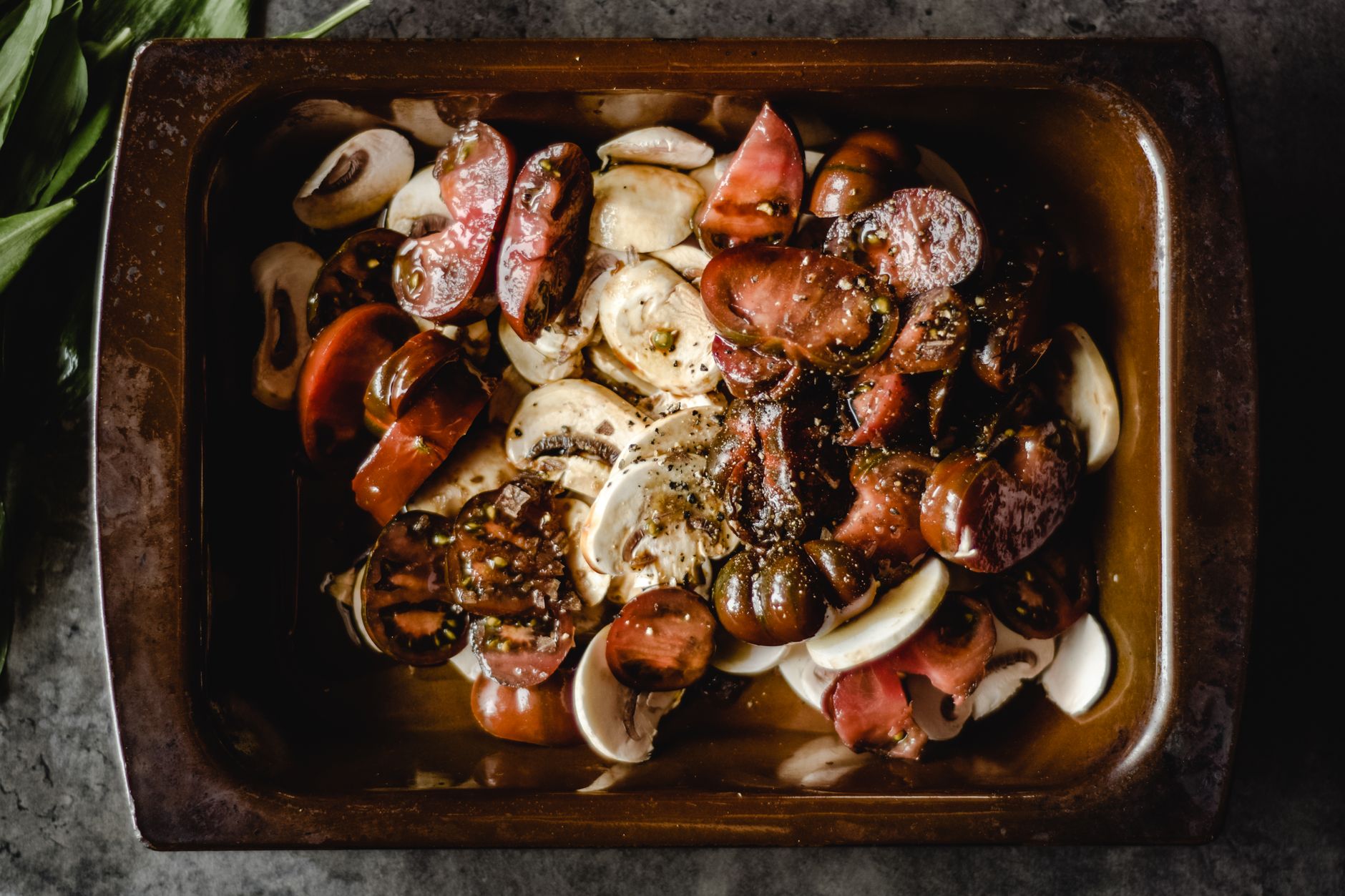
Set your oven to 425 degrees Fahrenheit. Drain the liquid from the canned tomatoes, reserving it for soups or cocktails. Evenly spread the tomatoes on two rimmed baking sheets. Scatter 3 smashed garlic cloves, 2 sprigs of oregano, 2 sprigs of rosemary, and one piece of Pecorino rind on each tray. Drizzle half the olive oil over the tomatoes, then sprinkle half the red pepper flakes, salt, and freshly ground black pepper evenly across both trays.
2. Roast Tomatoes (25 minutes at 425°F)
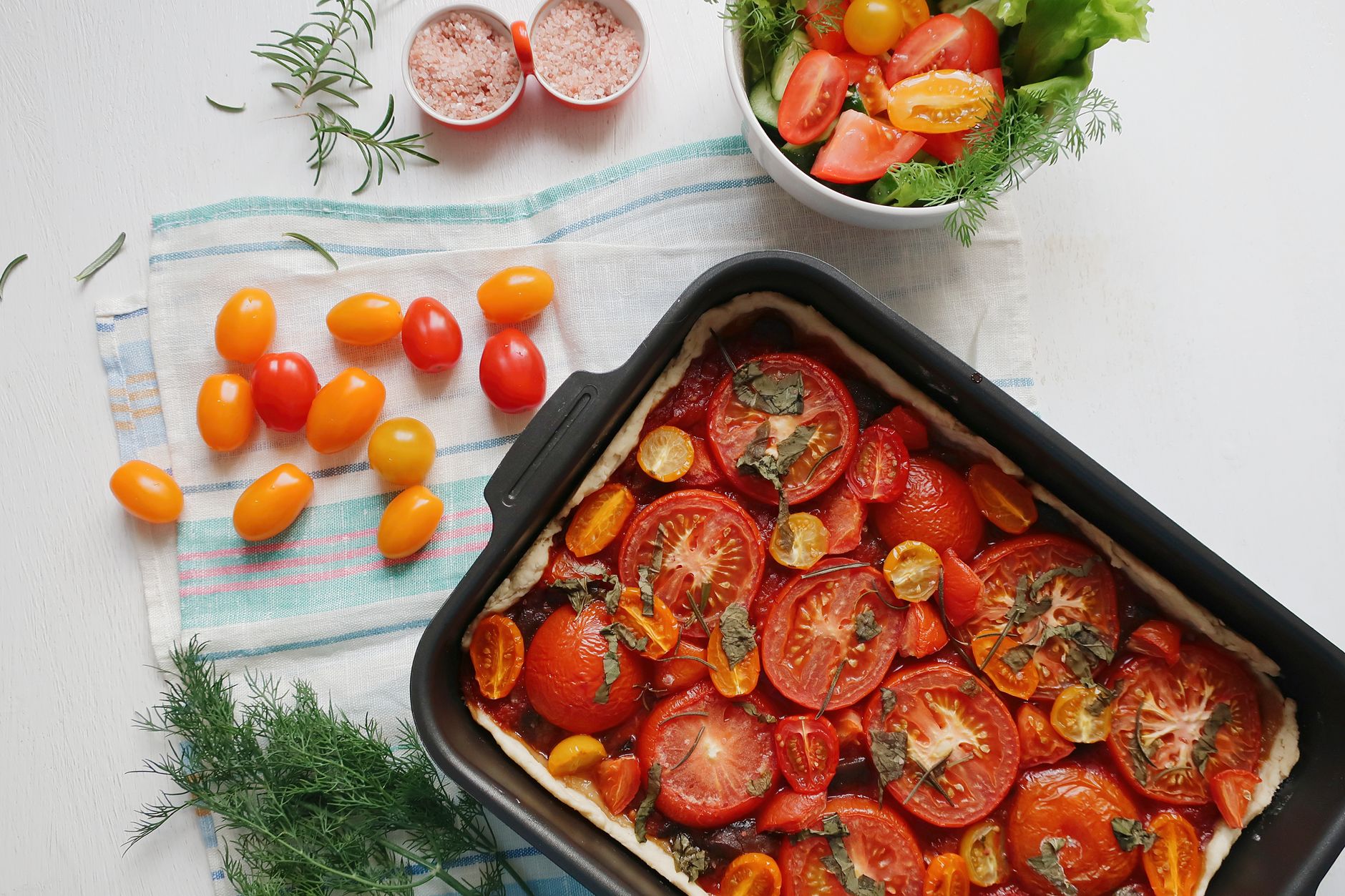
Place the trays in the oven. After 12 minutes, rotate the trays to ensure even roasting. Continue roasting until the tomatoes develop golden edges and slight charring at the bottom, approximately 25 minutes total.
3. Mash and Simmer Tomatoes (10 minutes)
Transfer the roasted tomatoes, herbs, garlic, and Pecorino rinds into a large saucepan. Using a potato masher, crush the tomatoes to your preferred texture—smooth or chunky. Heat the mixture over medium-low heat until gently simmering. Season with additional salt, pepper, and a drizzle of extra virgin olive oil to enhance richness.
4. Cook Pasta and Finish Sauce (8 minutes)
Cook pasta according to package instructions, reducing the time by two minutes for al dente texture. Drain pasta, reserving some cooking water. Add the pasta directly into the sauce, tossing to coat. Let them cook together for two additional minutes, stirring frequently. Stir in unsalted butter and a generous amount of grated Pecorino-Romano.
5. Serve and Enjoy
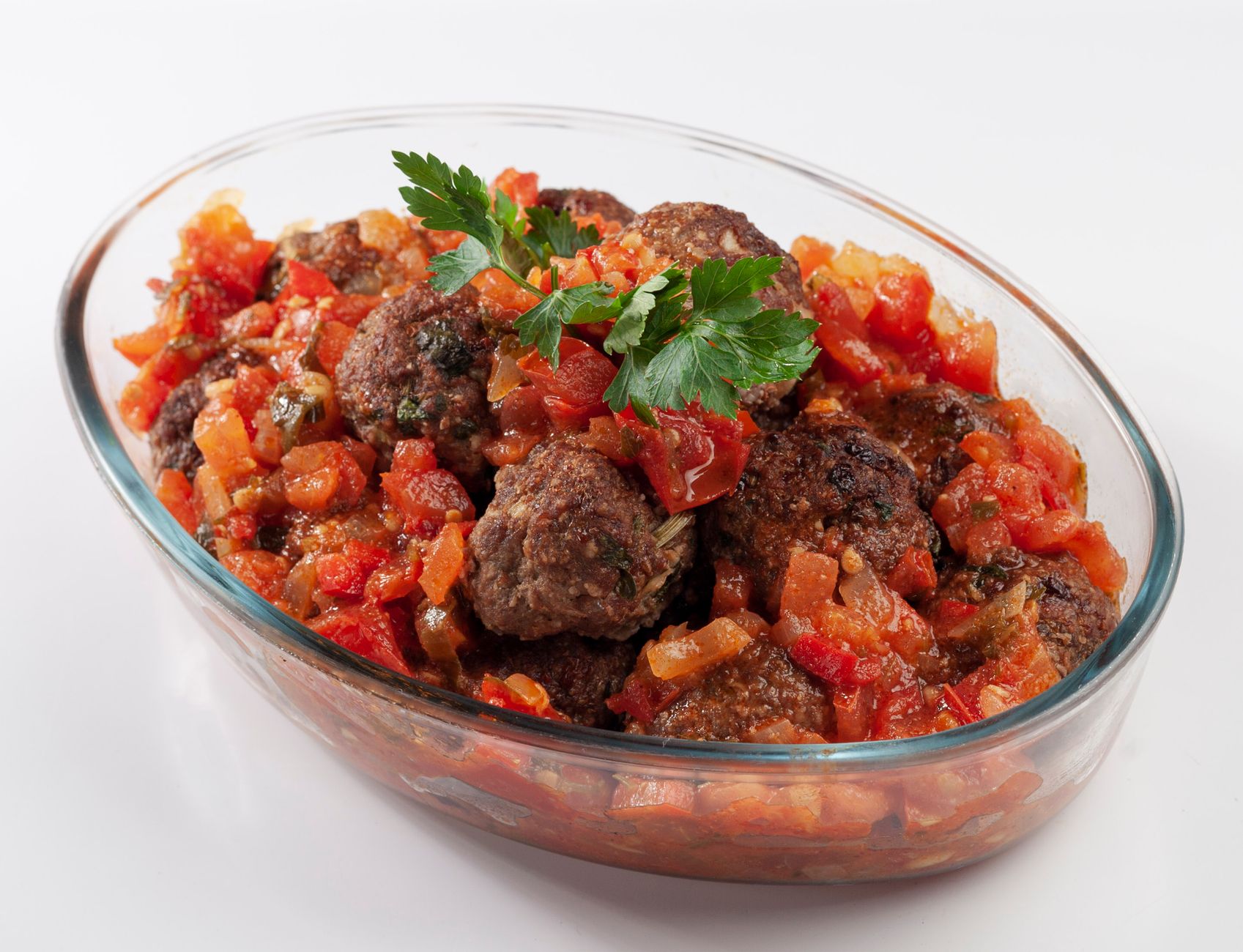
Plate the pasta with a final drizzle of olive oil and extra Pecorino if desired. The sauce offers a perfect balance of smoky, tangy, and savory flavors that will make every bite memorable.
Variations & Substitutions
- Fresh tomatoes: Use 4 pounds of fresh Roma tomatoes quartered if canned are unavailable. Roast until soft and slightly charred.
- Herbs: Substitute fresh basil or thyme in place of rosemary and oregano for a different herbal profile.
- Cheese: Replace Pecorino-Romano rind with Parmesan rind or omit for a vegan version; finish with nutritional yeast for cheesy notes.
- Spice level: Adjust red pepper flakes to taste or swap with a pinch of smoked paprika to add smoky warmth without heat.
- Oil: For a lighter version, reduce olive oil or use avocado oil to maintain richness with a different flavor.
Storage & Shelf Life
Refrigeration: Store the sauce in an airtight container for up to 4 days. Always cool completely before refrigerating to maintain freshness.
Freezing: Transfer cooled sauce into freezer-safe containers or bags. Freeze for up to 3 months. Thaw overnight in the refrigerator, then reheat gently on the stove.
Signs of spoilage: Discoloration, sour or off smell, and mold growth indicate the sauce is no longer safe to eat. Discard immediately if any of these occur.
Pro Tips
- For an ultra-smooth sauce, pass the roasted tomatoes through a food mill after roasting before simmering.
- Don’t overcrowd the baking sheets; spreading tomatoes in a single layer lets them roast evenly and char lightly.
- Use the reserved tomato liquid to adjust sauce consistency or add a subtle acidity when reheating.
- To avoid staining your hands from tomato acidity and color, wear kitchen gloves when crushing the tomatoes.
- Finish the sauce with butter and cheese off the heat to preserve creaminess and prevent oil separation.
When is the best time to eat Oven Roasted Tomato Sauce?
The best time to enjoy oven-roasted tomato sauce is as soon as you’ve prepared it and it’s still warm. Freshly roasted, the sauce bursts with vibrant and complex flavors that can fade after prolonged refrigeration. However, it also tastes delightful cold on sandwiches or as a dip. Using it right away lets you savor the full aroma and texture.
Can I make this sauce ahead of time?
Absolutely. The sauce can be made 2-3 days ahead of serving and refrigerated. Reheat gently while stirring to restore its silky texture. The flavors often deepen after resting overnight, making it fantastic for meal prep.
Is oven roasting better than stovetop simmering for tomato sauce?
Oven roasting caramelizes the tomatoes’ natural sugars and concentrates their flavor without the harshness sometimes created by boiling. It delivers a smoky, rich sauce with a unique depth that stovetop methods can’t match.
What pasta types pair best with this sauce?
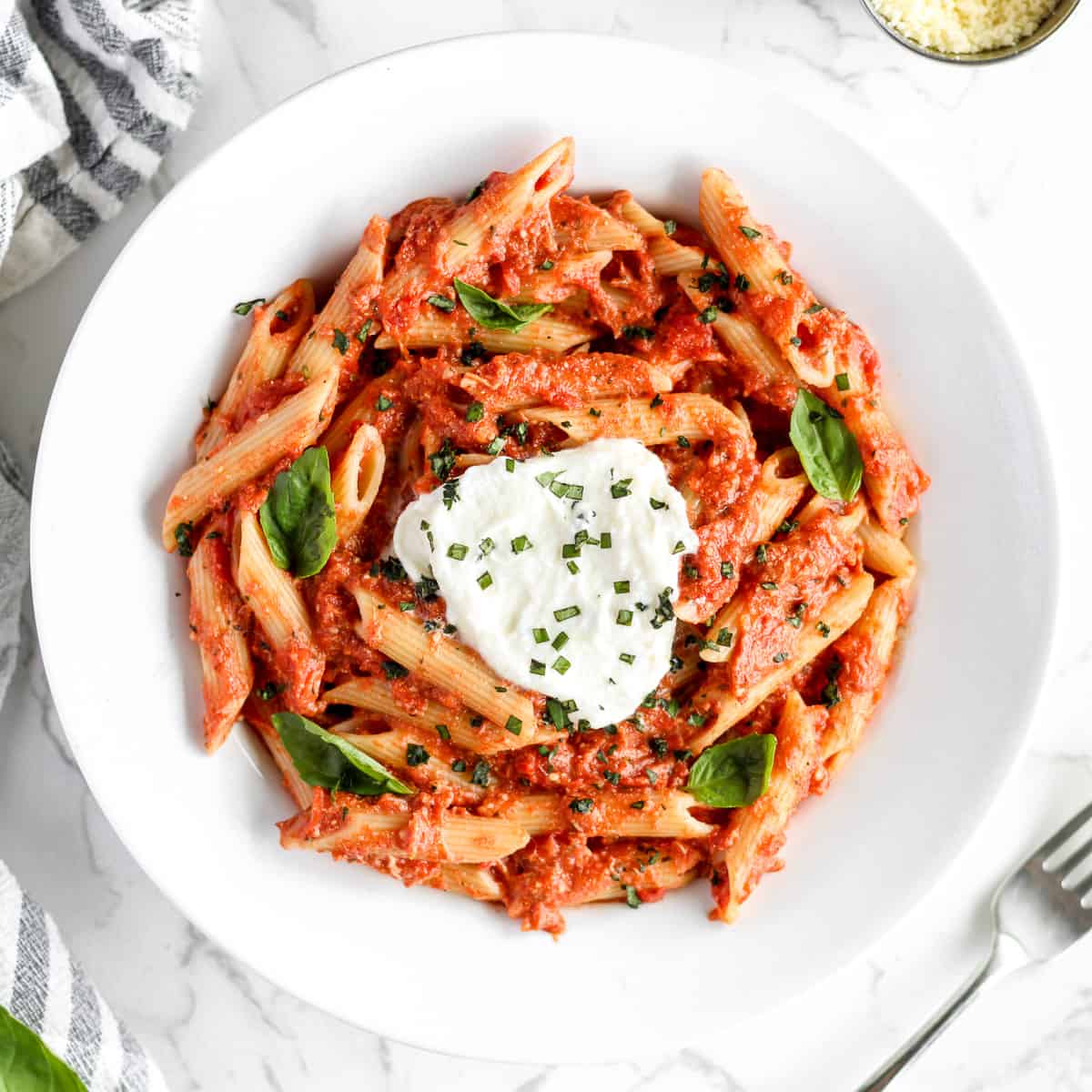
Long, thin pastas like spaghetti or linguine are classic choices, allowing the sauce to cling to each strand. Chunky sauces work well with rigatoni or penne, giving a good balance of sauce and pasta in every bite.
Can I use fresh garlic instead of smashed cloves?
Yes, but roasting whole smashed garlic cloves mellows their sharpness and creates a creamy texture that infuses the sauce delicately. Freshly minced garlic will add a more pungent flavor but won’t soften like roasted garlic.
How spicy is the sauce with red pepper flakes?
The 1/2 teaspoon red pepper flakes adds a gentle warmth that enhances the sauce’s flavors without overwhelming heat. Adjust the amount to your personal preference, especially if serving to kids or those sensitive to spice.
Can I omit the Pecorino rind and still get a good flavor?
While the Pecorino rind imparts a savory, salty depth, the sauce will still be delicious without it. You can substitute with Parmesan rind or simply increase herbs and seasoning for complexity.
More Recipes You Will Love
If you enjoy oven-roasted tomato sauce, you’ll appreciate dishes that celebrate robust Italian flavors. Try the Veal chop cutlet florentine 3282999 for a hearty meat experience that pairs well with tomato-based sauces. For a lighter option, the fresh and elegant Caprese antipasticks recipe 1940100 offers a refreshing complement to any meal featuring your homemade tomato sauce.
Conclusion
Oven-roasted tomato sauce is an incredibly flavorful and versatile recipe that transforms simple tomatoes into a golden, aromatic masterpiece. Its rich texture and smoky nuances elevate any dish and make your cooking feel truly special. Give this recipe a try, and feel free to share your experience or tweaks in the comments below—your feedback helps others enjoy this classic as much as you do.
FAQs
When is the best time to eat Oven Roasted Tomato Sauce?
Oven Roasted Tomato Sauce is best enjoyed warm, freshly made, either paired with pasta, pizza, or as a flavorful addition to sandwiches. It also tastes great when stored and reheated, allowing the rich flavors to deepen over time.
Can Oven Roasted Tomato Sauce be made ahead of time?
Yes, this sauce can be prepared in advance and stored in the refrigerator for up to a week. It also freezes well, allowing you to enjoy it later with minimal effort while preserving its fresh, robust taste.
What types of tomatoes work best for Oven Roasted Tomato Sauce?
Whole peeled canned tomatoes, especially San Marzano or other Italian plum varieties, are best due to their natural sweetness and vibrant flavor. They roast evenly and create a rich, authentic sauce base.
Is Oven Roasted Tomato Sauce suitable for vegetarian or gluten-free diets?
Yes, this sauce is naturally vegetarian and gluten-free. Just ensure that any pasta or accompaniments also meet dietary requirements if needed to keep the meal gluten-free or vegetarian.
How can I adjust the spiciness of Oven Roasted Tomato Sauce?
To modify spiciness, adjust or omit the red pepper flakes according to your preference. For a milder sauce, reduce the amount, or add a pinch more if you prefer a little heat.