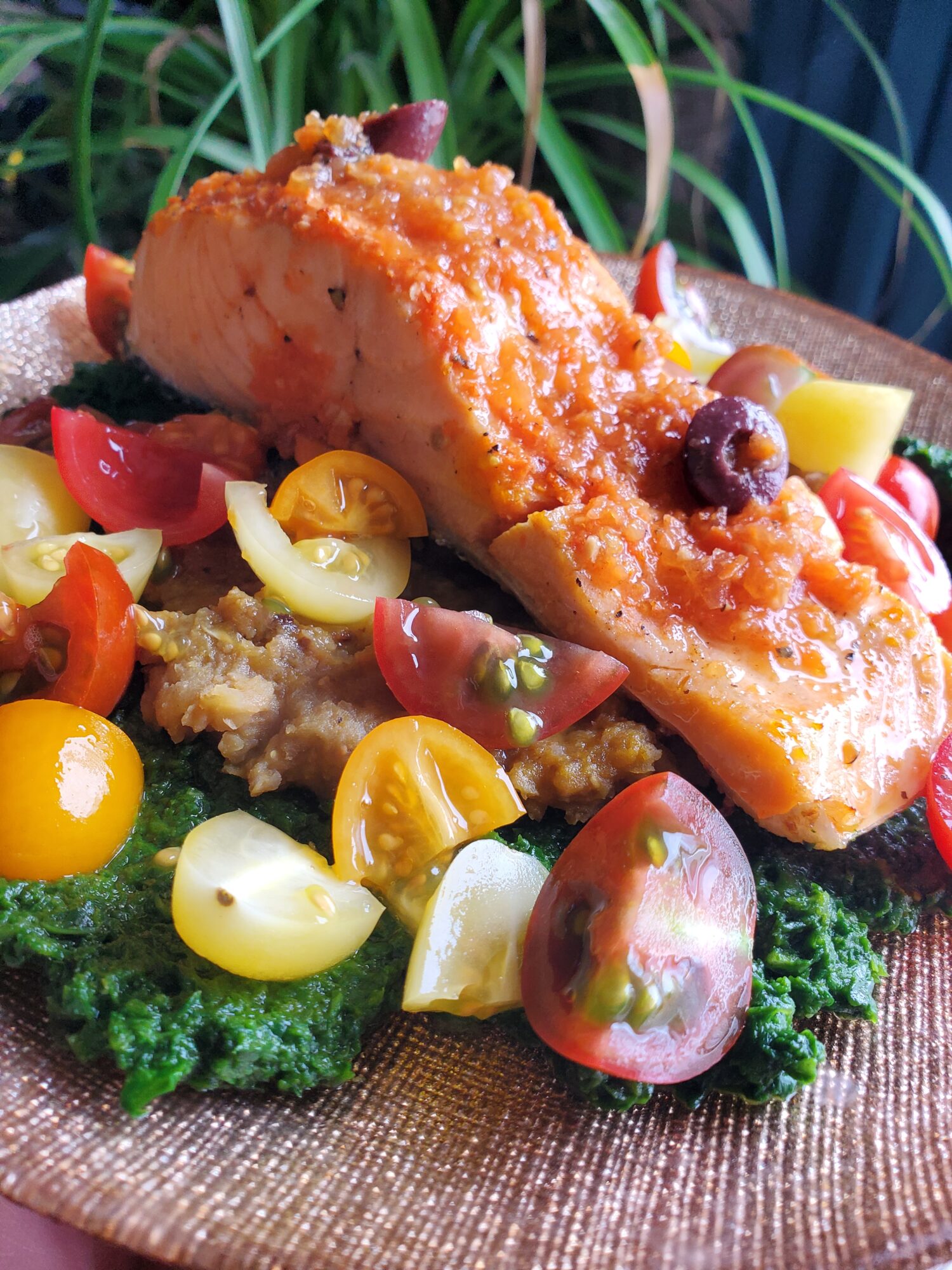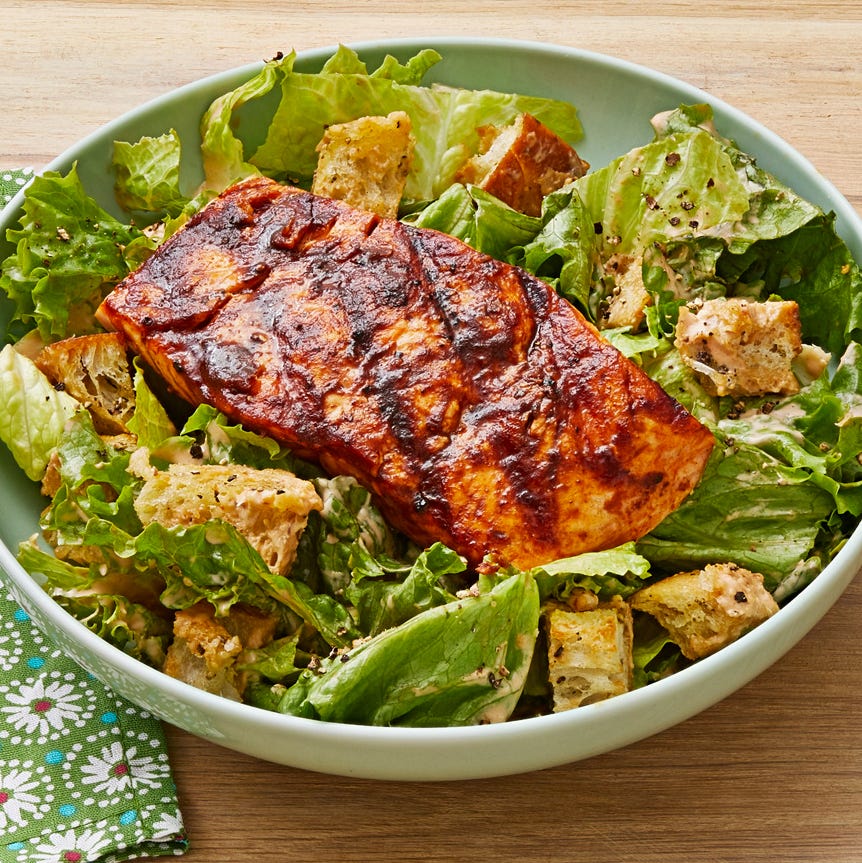
Why Planked Salmon with Honey Balsamic Glaze Recipe?
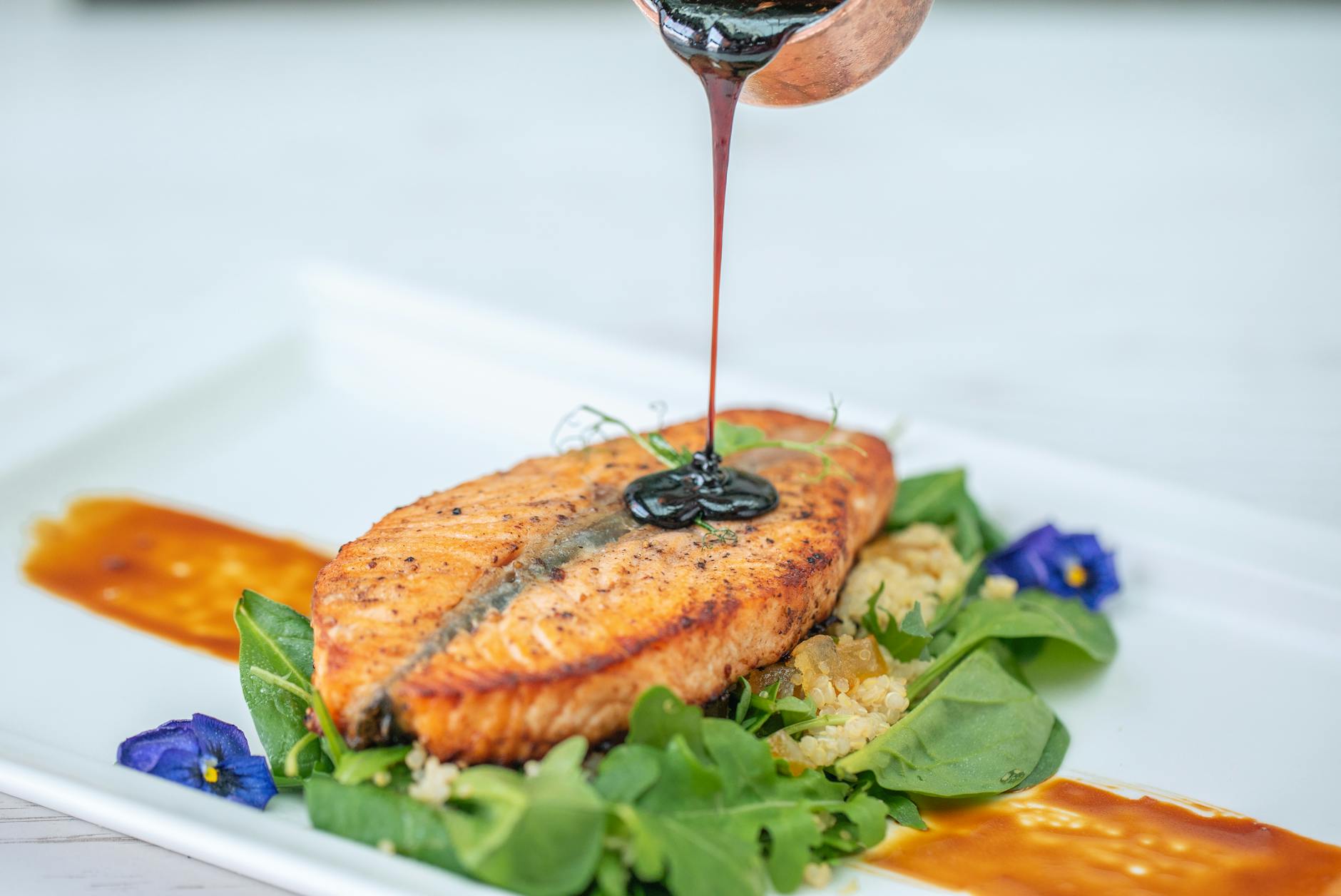
The moment you taste planked salmon with honey-balsamic glaze, you experience a perfect union of smoky warmth and tangy sweetness. This cooking method infuses the fish with an earthy aroma that wood imparts, while the honey and balsamic vinegar create a luscious, silky glaze that caramelizes to golden perfection. Planked salmon with honey balsamic glaze recipe delivers a flavor profile that’s both comforting and sophisticated, elevating your seafood night to something memorable. The moist, tender texture combined with the rich, glossy finish makes every bite irresistible.
Health Benefits & Nutrition
Salmon, particularly wild-caught varieties, is renowned for its rich omega-3 fatty acids, which support heart health and may reduce inflammation (Harvard T.H. Chan School of Public Health). The honey in the glaze provides natural antioxidants and antimicrobial properties, contributing to overall wellness. Balsamic vinegar adds a touch of acidity that can aid digestion and help stabilize blood sugar levels as shown in some nutrition studies. This recipe offers a balanced meal packed with high-quality protein and essential vitamins like B12 and D. However, anyone allergic to honey or vinegar, or requiring sodium restriction, should consume this dish mindfully.
Ingredients & Preparation
Recipe Card
| Prep Time | Total Time | Servings | Calories | Diet Tags |
|---|---|---|---|---|
| 15 minutes | 12 hours 35 minutes (includes soaking) | 4 servings | 272 kcal per serving | Gluten-Free, High-Protein, Pescatarian |
Full Ingredient List
- 1 whole side of salmon (about 2 pounds) or 4 salmon fillets (6 ounces each)
- 1 tablespoon fine sea salt (preferably gray salt)
- ½ teaspoon freshly ground black pepper
- ¼ teaspoon dry mustard powder
- ½ cup raw honey
- ¼ cup balsamic vinegar
- Melted unsalted butter, for brushing
- 2 untreated cedar planks (approximately 5 x 12 inches), soaked in water for at least 12 hours
- Extra-virgin olive oil, for oiling the planks
Equipment Needed
- Broiler or oven with broil setting
- Microwave-safe bowl
- Basting brush
- Tongs
- Two cookie sheets to catch drippings
- Mixing bowls
Tips for Choosing Quality Ingredients
Look for wild-caught salmon with firm flesh and vibrant color—it should smell fresh, not fishy. Untreated cedar planks avoid chemical additives, essential for safe grilling. Use raw honey and authentic balsamic vinegar to retain their natural depth and health benefits. Fresh black pepper adds much-needed spice, so grind it yourself when possible for maximum aroma.
Step-by-Step Instructions
Step 1: Prepare the Cedar Planks
Soak the cedar planks fully submerged in cold water for at least 12 hours before cooking. This soaking prevents the wood from burning and allows it to gently smoke the salmon during broiling.
Step 2: Preheat Your Broiler and Score the Salmon
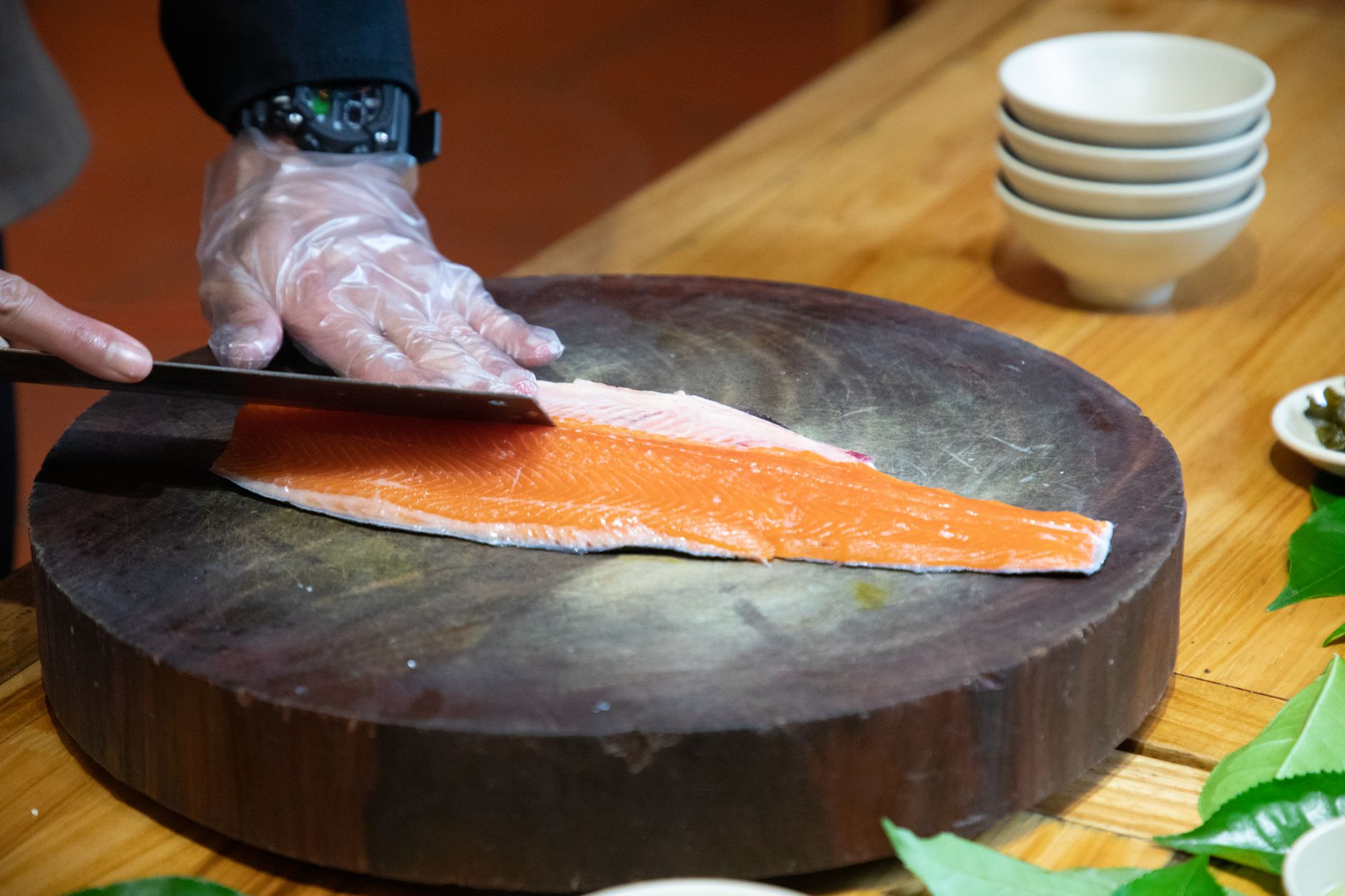
Set your oven to broil at high and place an oven rack about 5 inches from the heat source. If using a whole side of salmon, score the flesh halfway through every 5 to 6 inches to help the glaze penetrate deeply. For fillets, slice thin angled cuts 8 to 10 times across the top of each piece for maximum flavor absorption.
Step 3: Make the Honey-Balsamic Glaze
Warm the honey in a microwave-safe bowl for 30 seconds to liquefy it. Stir in the balsamic vinegar until fully mixed. This glossy glaze will caramelize beautifully during cooking.
Step 4: Season and Glaze the Salmon
Brush the skin side of the salmon with melted butter. Season the flesh with a mixture of sea salt, black pepper, and dry mustard. Then generously brush the flesh with your honey-balsamic glaze, reserving some for basting later.
Step 5: Broil the Cedar Planks and Place the Salmon
Put the soaked cedar planks on a cookie sheet and broil them until the top is browned and releasing a smoky aroma—about 3 minutes. Immediately brush the planks with olive oil, then gently place the seasoned salmon flesh-side up, skin-side down on the planks.
Step 6: Cook the Salmon
Position two cookie sheets on the oven racks below the planks to catch drippings. Broil the salmon on the cedar planks for 10 minutes. Baste with reserved honey-balsamic glaze and continue cooking for another 10–15 minutes depending on desired doneness (20 minutes total for medium). The glaze will become shiny and slightly caramelized.
Variations & Substitutions
- Maple-Balsamic Glaze: Substitute honey with pure maple syrup for a deeper, woodsy sweetness enhancing the glaze’s complexity.
- Herb-Infused Glaze: Add 1 teaspoon of chopped fresh rosemary or thyme to the glaze mixture to introduce fragrant herbal notes that complement the smoky plank flavor.
- Different Fish: Swap salmon with steelhead or trout for a lighter, delicate flavor that still pairs beautifully with honey-balsamic glaze. Excellent options found in many wild fish recipes.
Storage & Shelf Life
Store leftover planked salmon in an airtight container in the refrigerator for up to 3 days. For longer storage, wrap tightly and freeze for up to 1 month. When thawing, do so overnight in the fridge for best texture. Spoiled salmon usually develops a sour odor, slimy texture, or dull color—discard immediately if these occur.
Pro Tips
- Always soak the cedar planks thoroughly to prevent flare-ups and ensure gentle smoke infusion.
- Score the salmon deeply but without cutting through the skin to maximize glaze absorption and keep the fillet intact.
- Use a silicone or natural bristle brush for even glaze application without damaging the flesh.
- To avoid staining your hands and surfaces from balsamic vinegar, handle with a damp cloth nearby for quick wipe-downs.
- Allow the salmon to rest for 5 minutes after cooking to lock in moisture and blend the smoky flavors.
When is the best time to eat Planked Salmon With Honey Balsamic Glaze Recipe?
This recipe shines during late spring to early fall when fresh salmon is at its peak. It’s perfect for weekend dinners, special occasions, or outdoor gatherings. The smoky glaze pairs beautifully with warm-weather produce, making it a great choice when you want an effortless yet impressive meal.
Can I use a grill instead of an oven broiler?
Absolutely. Preheat your grill to medium-high and place the soaked cedar planks directly on the grates. Cook the salmon on the planks with the lid closed, around 10–20 minutes, depending on thickness. The grill adds an extra layer of smoky flavor.
How do I prevent the salmon from drying out?
Ensure you baste the salmon with the honey-balsamic glaze during cooking. Cooking on cedar planks also helps keep the fish moist by creating steam. Avoid overcooking by checking doneness at 15 minutes for thinner fillets.
What can I substitute if I don’t have cedar planks?
While cedar planks add unique flavor, you can use aluminum foil with a few drops of liquid smoke for mild smokiness or a metal grilling tray with wood chips nearby. However, the traditional plank method’s aroma is hard to replicate.
Is this recipe safe for pregnant women?
Yes, as long as the salmon is cooked through to an internal temperature of 145°F (63°C). Avoid raw or undercooked fish. The ingredients like honey and balsamic vinegar are generally safe during pregnancy.
Can I prepare the glaze in advance?
Yes, the honey-balsamic glaze can be prepared up to two days ahead and stored in the fridge. Warm gently before applying to the salmon for easier brushing.
What side dishes complement this salmon recipe?
Roasted asparagus, garlic mashed potatoes, or a crisp mixed green salad balance the richness of the glazed salmon perfectly. You might also enjoy seafood-focused sides like scallops wrapped in bacon for a truly decadent meal.
How do I know when the salmon is done?
Check that the salmon flakes easily with a fork but still retains moisture. An internal temperature of 145°F (63°C) measured with a food thermometer confirms it‘s fully cooked.
More Recipes You Will Love
For lovers of seafood with bold flavors, try experimenting with other refined wild fish recipes that showcase the best of the ocean’s bounty. Their pure flavors shine when paired with simple, quality ingredients—much like this planked salmon.
If you enjoy the sweet-savory glaze here, you might love our scallops wrapped in bacon recipe. It’s another indulgent dish balancing sweet, smoky, and rich textures that deliver satisfaction every time.
Conclusion
Planked salmon with honey-balsamic glaze combines smoky, sweet, and tangy notes into a dish bursting with flavor and texture. Easy to prepare yet impressive for guests, this recipe is sure to become a staple in your seafood repertoire. Don‘t hesitate to share your own twists or tips in the comments below. Your feedback and ratings help make this cooking experience even more enjoyable for everyone!
FAQs
When is the best time to eat Planked Salmon With Honey Balsamic Glaze Recipe?
The best time to enjoy planked salmon with honey balsamic glaze is at dinner when you want a flavorful and impressive seafood dish. It’s perfect for special occasions or a gourmet weeknight meal that offers a delightful balance of smoky and sweet flavors.
Can I use a different type of wood plank if cedar isn’t available?
Yes, you can substitute cedar with other untreated wood planks like alder, maple, or hickory. Each will impart a different, but delicious smoky flavor. Just be sure the plank is untreated and soaked properly to prevent burning during cooking.
Is this recipe suitable for people on a gluten-free diet?
Yes, this recipe is naturally gluten-free as it uses no wheat or gluten-containing ingredients. The glaze is made from honey and balsamic vinegar, both gluten-free, making this an ideal seafood dinner for those with gluten sensitivities.
How can I tell when the salmon is perfectly cooked?
The salmon is done when it flakes easily with a fork and the internal temperature reaches 145°F (63°C). The glaze should be caramelized but not burnt, and the flesh will be moist and tender while still holding its shape.
Can I prepare the glaze in advance and store it?
Yes, you can prepare the honey-balsamic glaze ahead of time and store it in an airtight container in the refrigerator for up to 3 days. Rewarm it gently before brushing it onto the salmon for best results.