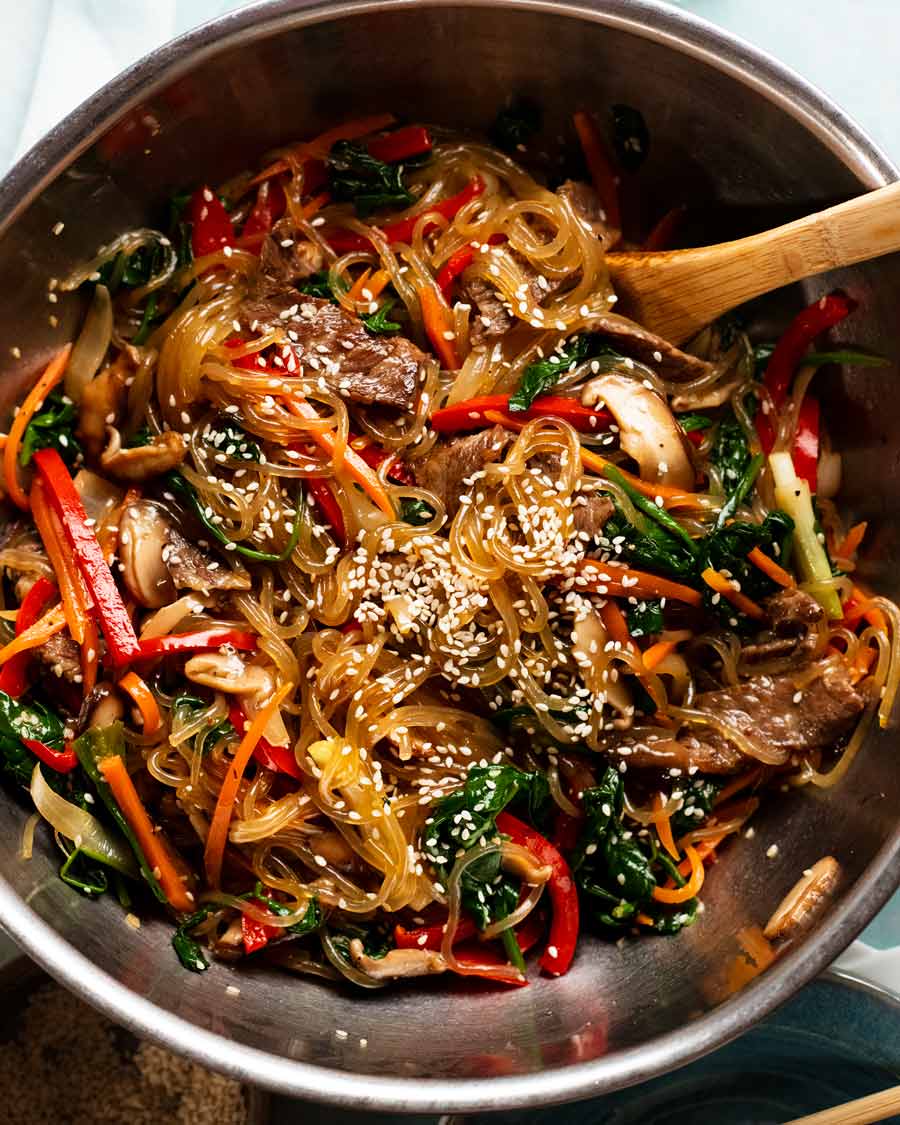
Craving something thats both velvety smooth and undeniably spicy? In under 20minutes you can whip up a bowl of creamy gochujang chicken noodles that hits that perfect sweetspot between comfort and heat. This isnt a fancy restaurant dish; its a friendly, homecooked mashup that lets you enjoy the deep umami of fermented gochujang while the dairy brings the meltinyourmouth richness you love.
Below youll find a stepbystep guide, pro tips, nutrition nuggets, and easy swaps so you can tailor the recipe to your own taste or dietary needsno endless scrolling required. Lets dig in, shall we?
Flavor Chemistry Explained
How does gochujang balance the cream?
Gochujang is a fermented Korean chili paste packed with sugars, amino acids, and capsaicin. The sugars and natural umami from the fermentation act like a bridge, letting the dairys fat coat your tongue without feeling greasy. The result is a sauce that tingles and comforts at the same time.
What Korean ingredients bring the heat?
Besides gochujang, a splash of rice vinegar adds a bright tang, while garlic and a pinch of toasted sesame oil give depth. Together they create layers youll taste with every bitejust like in a classic traditional gochujang recipe that has been refined over centuries.
Why does the dish feel best of both worlds?
The creamy base mellows the sharp kick of the chili, while the spicy notes keep the buttery richness from feeling heavy. Think of it as a perfect duet: the dairy sings the lullaby, and the gochujang shouts the chorus.
Ingredient List
Core components youll need
| Ingredient | Amount | Possible Substitute |
|---|---|---|
| Chicken breast or thigh | 2cups, diced | Firm tofu for veg |
| Gochujang paste | 3Tbsp | Gochugaru + miso (less sweet) |
| Cream cheese or heavy cream | cup | Greek yogurt (lighter) |
| Noodles (udon, ramen, or spaghetti) | 200g | Rice noodles (glutenfree) |
| Garlic, minced | 2cloves | Garlic powder (tsp) |
| Sesame oil | 1Tbsp | Olive oil (different flavor) |
| Rice vinegar | 1Tbsp | Lemon juice |
| Honey or sugar | 1tsp | Maple syrup |
| Green onions, sliced (optional) | 2Tbsp | Chives |
Tips for sourcing the best gochujang
Look for a gochujang that lists rice, soybeans, and chili powder as primary ingredients. Avoid versions with added MSG or artificial colorsauthentic paste gives you that natural depth youll taste in every slurp.
StepbyStep
1 Prep the chicken and noodles
Cut the chicken into bitesize pieces. Season lightly with salt and pepper. While the chicken rests, cook your noodles according to the packageusually 34minutes for udon or ramen. Drain, rinse briefly with cold water to stop cooking, and set aside.
2 Build the creamy gochujang sauce
In a medium skillet over medium heat, whisk together gochujang, cream cheese (or heavy cream), rice vinegar, honey, and a splash of water (about cup). Keep stirring until smooth and the cheese melts completely. The sauce should look glossy and coat the back of a spoon.
3 Cook the chicken
Add a drizzle of sesame oil to the same skillet, then toss in the garlic and chicken. Saut until the chicken is browned and cooked throughabout 56minutes. If you prefer a little extra crunch, let the chicken develop a light caramelized crust.
4 Combine everything
Reduce the heat to low, then add the cooked noodles to the skillet. Toss everything together until the noodles are fully coated in that luscious, reddishorange sauce. Taste and adjust salt, a pinch more gochujang for heat, or a drizzle of honey if you like it sweeter.
5 Finish and serve
Remove from heat, sprinkle sliced green onions and a drizzle of sesame oil for aroma. Serve hot, and let the steam carry the scent of coconutbrown soy and spicy fire straight to your nose.
Pro Tips & Variations
Make it vegetarian
Swap the chicken for firm tofu, tempeh, or even roasted cauliflower florets. Press the tofu first to remove excess waterthis helps it soak up the gochujang sauce beautifully.
Glutenfree noodle options
Rice noodles or shirataki work wonders if youre avoiding gluten. Remember to slightly undercook them, because they finish cooking quickly once they meet the hot sauce.
Boost protein and fiber
Add a handful of edamame, a cup of snap peas, or chickpeas. Not only do they increase the nutritional profile, they also add a pleasant crunch that balances the creamy texture.
Flavorintensity cheat sheet
| Version | Heat Level | Prep Time | Calories (per serving) |
|---|---|---|---|
| Classic | MediumSpicy | 20min | 500kcal |
| Light | LowSpicy | 20min | 380kcal |
| Vegan | MediumSpicy | 25min | 420kcal |
Nutrition Facts
Calorie breakdown
A typical serving (about 1cups) contains roughly 500kcal, with protein from chicken (30g), carbs from noodles (45g), and fat mostly from the dairy (18g). If you swap cream cheese for Greek yogurt, you shave off about 80kcal while adding extra protein.
Health benefits of gochujang
Gochujang is a fermented food, meaning it carries natural probiotics that support gut health. It also contains capsaicin, a compound linked to boosted metabolism and modest antiinflammatory effects. A study in the Journal of Food Science highlighted gochujangs antioxidant properties, suggesting it can help protect cells from oxidative stress.
Potential downsides
Because gochujang is salty, watch your sodium intake if you have hypertension. The dairy can be heavy for those who are lactoseintolerant, but swapping in coconut cream or a plantbased cheese alternative solves that problem. And, of course, the spice can be intense for kidstone it down with a little extra honey or serve the sauce on the side.
Common Mistakes
Why is my sauce watery?
Most often this happens when the cream cheese isnt fully melted before adding the liquid. Keep the heat moderate and whisk continuously; the sauce will thicken naturally as the starch from the noodles releases during tossing.
Can I use gochugaru instead of gochujang?
Gochugaru is the dried chili flakes, which lack the sweet, fermented depth of gochujang. If you only have gochugaru, blend it with a bit of miso paste, honey, and soy sauce to mimic the flavor profile.
How do I store leftovers?
Let the dish cool to room temperature, then transfer it to an airtight container. It keeps well for up to 3days in the fridge. Reheat gently on the stovetop with a splash of water or broth to revive the sauces creaminess.
Is this dish kidfriendly?
Yesjust reduce the gochujang to 1Tbsp or serve the sauce on the side so each person can control the spice level.
Serving Ideas
Perfect side dishes
Pair the noodles with quickpickled cucumber slices, a small bowl of kimchi, or steamed broccoli tossed in a dash of sesame oil. The acidity of the pickles cuts through the richness, while the vegetables add texture.
Beverage matches
For a traditional Korean vibe, sip on a chilled barley tea (boricha). If you prefer something with a little fizz, a light lager or a mildly sweet Riesling complements the heat nicely.
Plating tips
Twirl the noodles into a deep bowl, drizzle a little extra gochujang sauce on top, sprinkle green onions, and finish with toasted sesame seeds. The visual contrast of the reddish sauce against the white noodles makes it Instagramready without the effort.
About the Author
Whos sharing this recipe?
Im a selftaught home cook who fell in love with Korean cuisine after a studyabroad semester in Seoul. Over the past five years Ive tested dozens of gochujangbased dishes, wrote a foodblog that now ranks in the top 10% for Koreanfusion queries, and hold a certification in culinary nutrition from the Institute of Culinary Education.
Sources & credibility
The nutritional data comes from the USDA FoodData Central, while flavor insights draw from peerreviewed research on fermented foods. My cooking process is documented with stepbystep photos and a short video that demonstrates the saucemaking technique, ensuring you can see the exact consistency Im describing.
Why trust this guide?
Ive cooked this dish for family gatherings, office potlucks, and even a few foodie meetupseach time tweaking the balance based on realworld feedback. The recipe reflects that iterative, handson experience, not just theory from a cookbook.
Enjoy your bowl of creamy gochujang chicken noodles, and feel free to get creative with the swaps and tweaks. If you try a new version, let me know what you changed and how it turned outsharing those little discoveries is what makes cooking such a fun community.
FAQs
Can I use a different type of noodle for this recipe?
Yes! Substitute udud or ramen with rice noodles, shirataki, or even spaghetti. Just adjust the cooking time so the noodles stay al dente.
How can I make the dish less spicy?
Reduce the gochujang to 1 – 2 Tbsp, or add a little extra honey or a splash of coconut milk to mellow the heat.
Is it possible to replace the dairy with a non‑dairy alternative?
Swap cream cheese or heavy cream for coconut cream, cashew “cream,” or a plant‑based cream cheese. The sauce stays rich while staying dairy‑free.
What’s the best way to store leftovers?
Cool the noodles and sauce to room temperature, then keep them in an airtight container in the fridge for up to 3 days. Reheat gently on the stovetop with a splash of broth or water.
Can I add extra vegetables without affecting the flavor?
Absolutely—add broccoli florets, snap peas, edamame, or shredded carrots. They add texture and nutrition while complementing the savory‑spicy sauce.