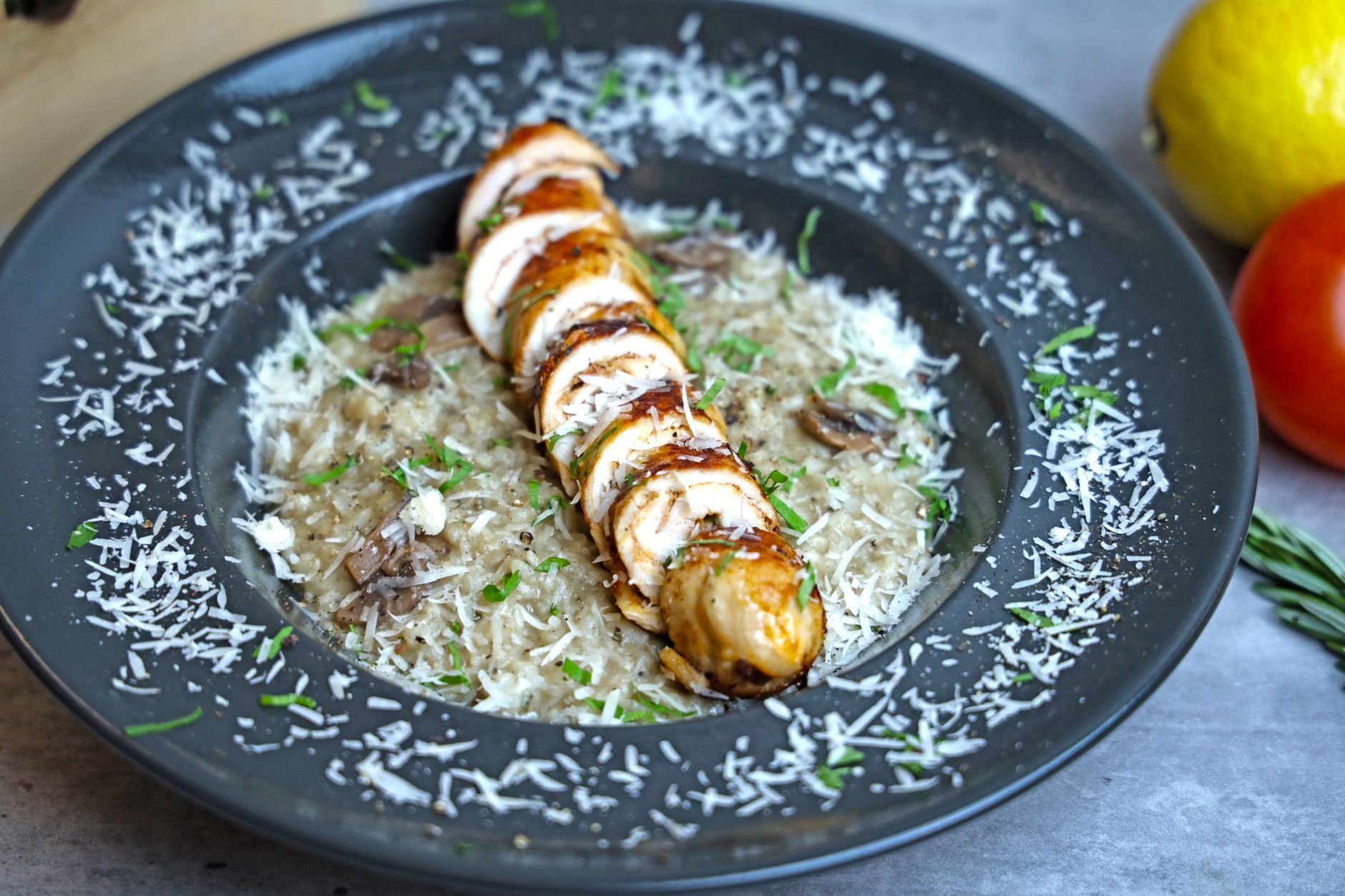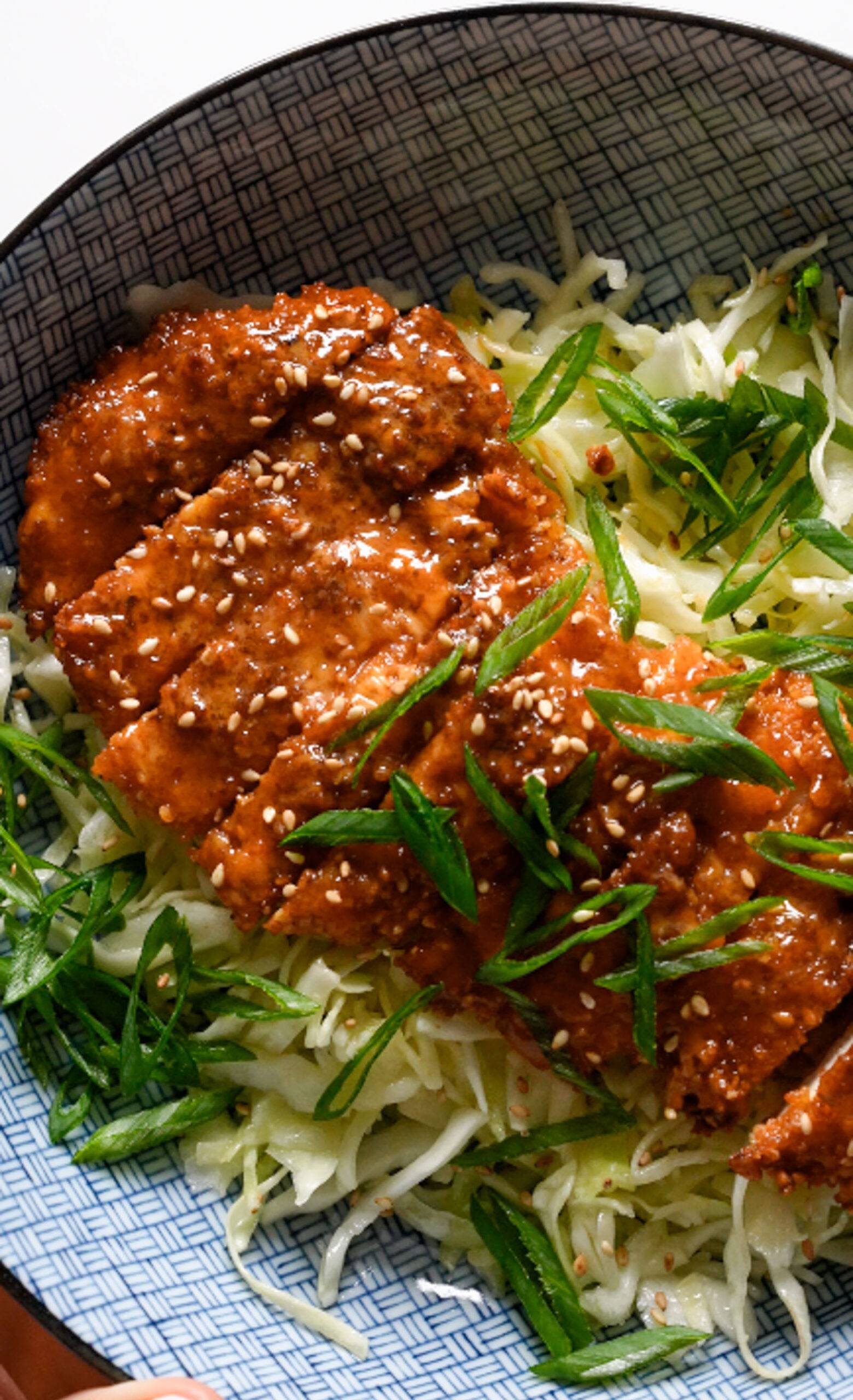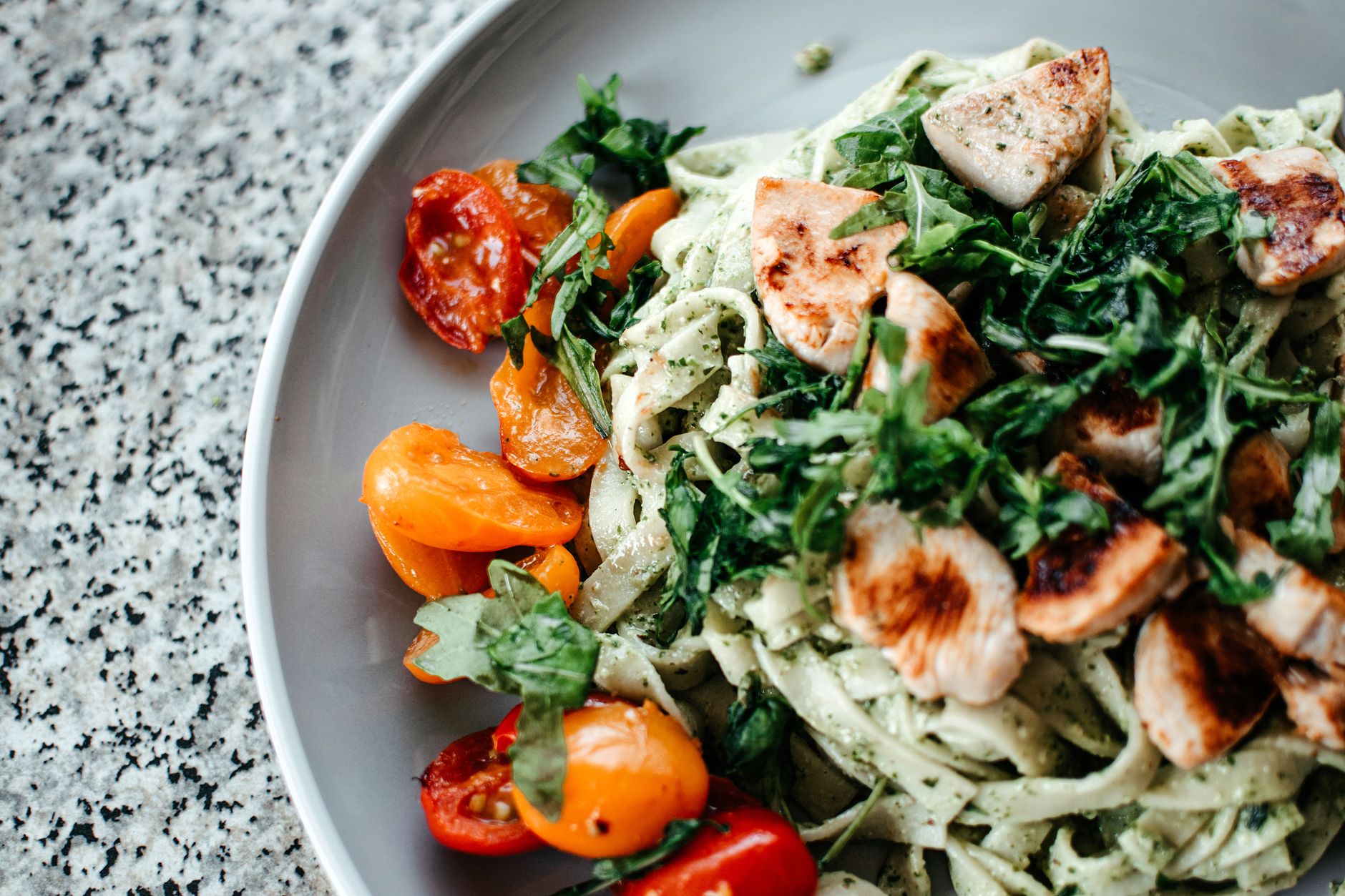
Why Parmesan Chicken Recipe
The first bite gives you a crisp, nutty crust, followed by juicy chicken and bright lemony greens. Parmesan Chicken Recipe is a quick skillet meal made by coating thin chicken cutlets in seasoned flour, egg, breadcrumbs, and Parmesan before pan-frying them until golden.
This Parmesan chicken recipe serves six in about 30 minutes. The chicken cooks quickly because it is pounded thin, while the simple salad adds freshness and acidity. It is a practical dinner for busy evenings, yet the crisp coating and warm salad topping make it feel special enough for guests.
I like serving the greens directly over the hot cutlets. Their warmth slightly softens the leaves, and the lemon dressing cuts through the buttery crust without making it soggy.

Health Benefits & Nutrition
This meal combines lean protein, fresh salad greens, and a crisp coating. It is satisfying without needing a heavy cream sauce or rich side dish.
- Protein for fullness: Chicken provides substantial protein, which helps make the meal filling. The exact amount varies with the size of the cutlets.
- Fresh greens add nutrients: Baby arugula and mesclun contribute fiber, folate, vitamin K, and other vitamins and minerals.
- Olive oil provides unsaturated fat: Olive oil in the pan and dressing adds richness and helps carry the lemon and Parmesan flavors.
- Portion-friendly structure: Pairing one cutlet with dressed greens gives you a clear balance of protein, carbohydrates, and vegetables.
For a lighter plate, use less oil in the skillet and serve extra greens alongside the chicken. The breadcrumbs, flour, Parmesan, and eggs contain common allergens, including wheat, dairy, and egg. Choose certified gluten-free breadcrumbs and flour if needed, and check product labels carefully. Anyone managing a medical condition or a specific dietary requirement should ask a doctor or registered dietitian for individualized advice.
Ingredients & Preparation
Recipe Card
| Prep time | Cook time | Total time | Servings | Calories (approx) | Diet tags |
|---|---|---|---|---|---|
| 20 minutes | 10 minutes | 30 minutes | 6 servings | About 520 calories per serving | High-protein, nut-free |
Full Ingredient List
- 6 boneless, skinless chicken cutlets, about 5 to 6 ounces each
- 1 cup all-purpose flour
- 2 teaspoons kosher salt, divided
- 1/2 teaspoon freshly ground black pepper
- 2 large eggs
- 1 tablespoon water
- 1 1/4 cups seasoned dry breadcrumbs
- 1/2 cup freshly grated Parmesan cheese, plus extra for serving
- 3 tablespoons unsalted butter, divided
- 3 tablespoons olive oil, divided
- 8 cups baby arugula and mesclun greens, washed and thoroughly dried
- 1/4 cup freshly squeezed lemon juice
- 1/2 teaspoon kosher salt for the vinaigrette
- 1/4 teaspoon freshly ground black pepper for the vinaigrette
Equipment Needed
You will need a meat mallet or rolling pin, plastic wrap or parchment paper, three shallow plates, a large skillet, tongs, a small bowl, a whisk, and a wire rack or paper towel-lined plate. A digital instant-read thermometer is useful for confirming that the thickest part of the chicken reaches 165°F.
Tips for Choosing Quality Ingredients
Choose chicken cutlets of similar thickness so they finish at the same time. If you are buying whole breasts, select evenly sized pieces and slice them horizontally before pounding. Freshly grated Parmesan melts into the breadcrumbs more evenly than shelf-stable grated cheese.
Use breadcrumbs with a fine to medium texture. Very coarse crumbs can fall away from the chicken, while powdery crumbs produce a dense coating. For the salad, buy greens with crisp edges and no slimy spots. Arugula should smell fresh and peppery, not sour.
Good olive oil does not need to be expensive, but it should taste clean and fruity. Since the dressing is uncooked, its flavor is noticeable. I also find that freshly squeezed lemon juice tastes much brighter here than bottled juice.
Step-by-Step Instructions
1. Flatten and season the chicken
Place the chicken between two sheets of plastic wrap or parchment paper. Pound each cutlet to an even 1/4-inch thickness, then pat dry with paper towels. Allow 5 minutes for this step. Thin, even pieces cook quickly and prevent the coating from browning before the center is done.
2. Set up the three-part coating
Place the flour, 1 teaspoon kosher salt, and black pepper on one shallow plate. Beat the eggs with 1 tablespoon water in a second plate. Combine the breadcrumbs, Parmesan, and remaining 1 teaspoon kosher salt on a third plate. Coat each cutlet in flour, egg, and breadcrumbs, pressing the crumbs gently into both sides. Allow 7 minutes.
3. Heat the skillet and cook the first batch
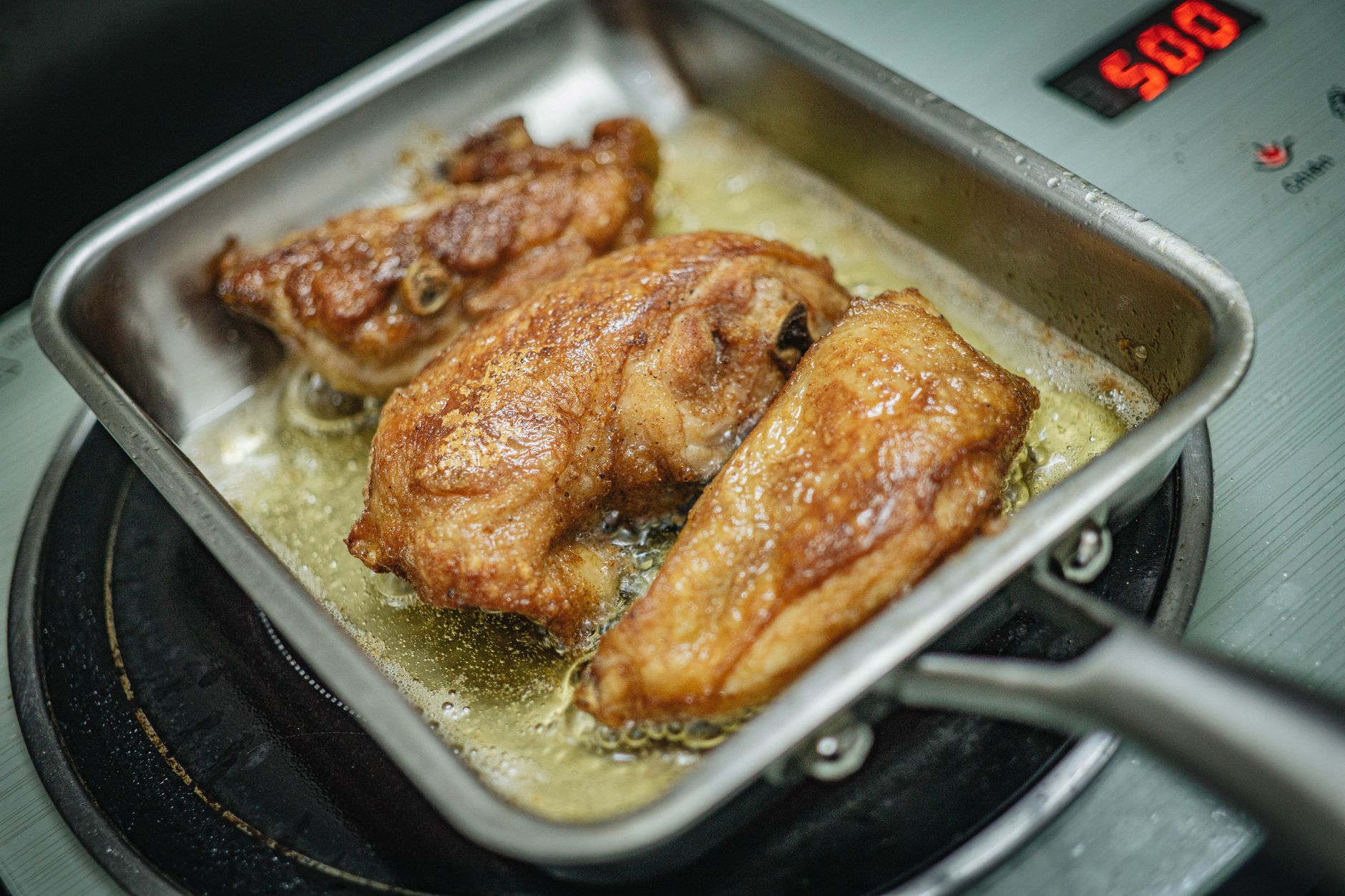
Heat a large skillet over medium-low heat for 2 minutes. Add 1 tablespoon butter and 1 tablespoon olive oil. When the butter foams and the oil moves easily across the pan, add two or three cutlets without crowding them. Cook for 2 to 3 minutes per side, or until golden brown and 165°F in the center. Allow 4 to 6 minutes per batch.
4. Finish the remaining cutlets
Wipe out loose dark crumbs if needed, then add the remaining butter and olive oil. Cook the remaining cutlets over medium-low heat for 2 to 3 minutes per side. The crust should sound lightly crisp when tapped with tongs, and the chicken should release easily from the pan. Transfer cooked pieces to a rack or plate.
5. Whisk the dressing and serve
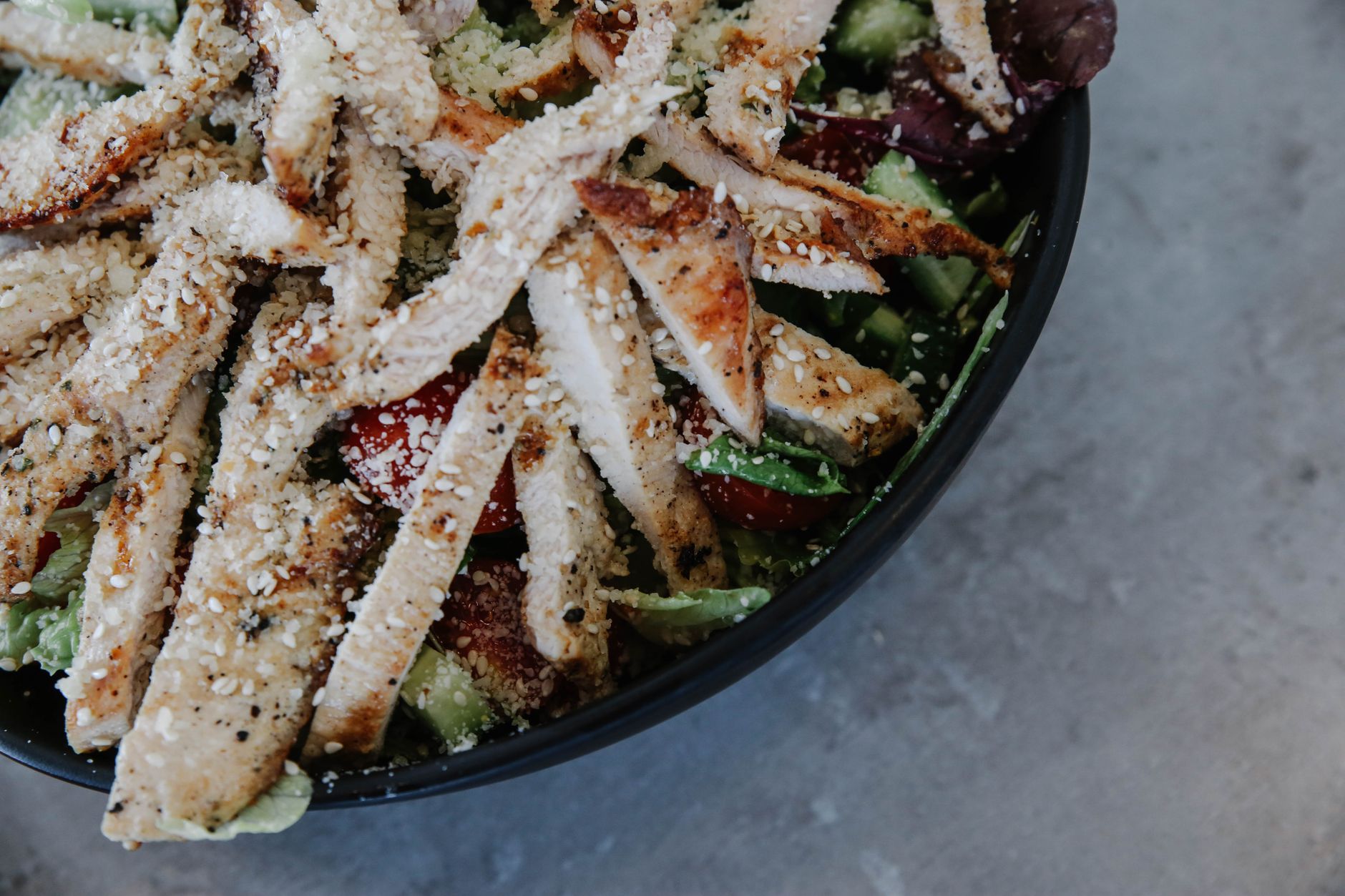
Whisk the lemon juice, 1/4 cup olive oil, 1/2 teaspoon kosher salt, and 1/4 teaspoon black pepper in a small bowl for 1 minute. Toss the arugula and mesclun with the dressing immediately before serving. Place a mound of greens over each hot cutlet and finish with extra grated Parmesan. This final step takes about 4 minutes.
The first time I made this, I crowded the skillet and lost some of the crisp texture. Cooking two or three pieces at a time gives the coating room to brown instead of steam. I also learned to dry the greens thoroughly; even a little water weakens the lemon dressing and softens the crust.
Variations & Substitutions
- Gluten-free version: Replace the all-purpose flour with a 1:1 gluten-free flour blend and use gluten-free breadcrumbs in the same quantities. Check the Parmesan and seasoning labels if cross-contact is a concern.
- Herb Parmesan crust: Add 1 teaspoon dried Italian seasoning or 1 tablespoon finely chopped parsley to the breadcrumb mixture. Avoid adding fresh herbs in large amounts because they can darken quickly in the skillet.
- Extra-lemon chicken: Add 1 teaspoon finely grated lemon zest to the breadcrumb and Parmesan mixture. Keep the lemon juice in the dressing at 1/4 cup so the acidity remains balanced.
- Spicy version: Stir 1/2 teaspoon crushed red pepper flakes or 1/4 teaspoon cayenne into the breadcrumbs. Start with less if your seasoned breadcrumbs already contain chili.
- Different greens: Substitute baby spinach for half of the arugula and mesclun. Use 4 cups spinach plus 4 cups mesclun to keep the same total volume.
- Oven-finished option: Brown the coated chicken in an oven-safe skillet for 2 minutes per side, then bake at 425°F for about 6 to 8 minutes, checking for 165°F. The crust will be slightly less delicate than the fully pan-fried version.
For another crisp chicken dinner, try Pretzel crusted chicken fingers with honey mustard dipping sauce 8713737. It uses a bolder, salty coating and works especially well for casual family meals.
Storage & Shelf Life
Store cooked chicken in a shallow airtight container in the refrigerator for up to 3 days. Keep the dressed greens separate because the lemon vinaigrette will wilt them. Refrigerate the greens and dressing separately as well, then assemble each serving just before eating.
For freezing, cool the cooked chicken completely. Place the cutlets in a single layer on a parchment-lined tray and freeze for 1 to 2 hours. Transfer them to a freezer-safe container with parchment between layers and use within 2 months for the best coating texture.
Reheat refrigerated chicken in a 375°F oven or air fryer for 6 to 10 minutes, turning once. Frozen cutlets can go into a 375°F oven for about 15 to 20 minutes, until hot throughout. Avoid microwaving if you want to preserve the crisp coating.
Discard the chicken if it develops a sour smell, sticky surface, unusual color, or visible mold. Do not taste food to decide whether it is safe. Throw away dressed greens that become slimy or smell fermented.
Pro Tips
- Pound from the center outward: This creates an even cutlet without tearing the thin edges. Stop when the chicken reaches about 1/4 inch rather than pounding it paper-thin.
- Dry every surface: Moisture prevents the flour from forming a thin, even first layer. Patting the chicken dry is a small step that makes a noticeable difference.
- Use one hand for wet ingredients: Keep one hand for flour and crumbs, and use the other for the egg. This prevents thick, gummy fingers and keeps the coating neat.
- Rest the coating briefly: Let breaded cutlets sit for 3 to 5 minutes before frying. This helps the crumbs adhere when they hit the hot butter and oil.
- Watch the butter: Medium-low heat is intentional. If the butter smells nutty and the crumbs turn dark within the first minute, lower the heat before adding the next batch.
- Do not stack the chicken: Place finished cutlets in a single layer on a rack. Stacking traps steam underneath and softens the browned crust.
- Dress greens at the last moment: Whisk the vinaigrette again before tossing. The oil and lemon juice separate quickly, so a brief re-whisk gives every leaf a balanced coating.
- Balance the salt: Season the flour, crumbs, and dressing separately, but keep the amounts measured. Parmesan and seasoned breadcrumbs can already contain considerable salt.
Questions & Answers
When is the best time to eat Parmesan Chicken Recipe?
The best time to eat Parmesan Chicken Recipe is immediately after cooking, while the crust is crisp and the chicken is hot. Add the lemon-dressed greens just before serving so they remain fresh. If you are preparing dinner ahead, cook the chicken first, refrigerate it, and reheat it in the oven rather than the microwave.
Can I use chicken breasts instead of cutlets?
Yes, you can use boneless, skinless chicken breasts, but slice thick breasts horizontally first. Pound the pieces to about 1/4 inch so they cook evenly. Very thick pieces take longer and may brown before the center reaches 165°F. Similar-sized cutlets will give you the most consistent result.
Why does my Parmesan coating fall off?
The coating usually falls off because the chicken is wet, the layers are too thick, or the cutlets are moved too soon. Pat the chicken dry, use a light flour layer, press in the breadcrumbs, and let the breaded pieces rest for 3 to 5 minutes. Turn them gently with tongs only once.
Can I make this chicken without frying?
Yes, you can bake the coated cutlets at 425°F for about 12 to 16 minutes, turning them halfway through. Spray or brush the crumbs lightly with oil before baking. The baked crust will be drier and slightly less golden than the skillet version, but the chicken will still be flavorful.
What can I serve with Parmesan chicken?
Serve it with the lemon-dressed arugula and mesclun included in the recipe, or add roasted vegetables, steamed green beans, or a small portion of pasta. Avoid overly rich sides because the Parmesan crust already brings butteriness. A simple tomato salad also adds useful acidity and color.
Can I prepare the chicken ahead of time?
Yes, you can bread the chicken up to 2 hours ahead and refrigerate it uncovered on a wire rack. Chilling helps the coating set, but cover it loosely if your refrigerator is very dry or crowded. Letting the chicken sit at room temperature for 10 minutes before cooking promotes more even browning.
How do I know when the chicken is fully cooked?
The chicken is fully cooked when the thickest part reaches 165°F on an instant-read thermometer. The crust should be golden, and the meat should look opaque rather than translucent. Because the cutlets are thin, check the temperature from the side if necessary to avoid making a large hole in the crisp coating.
More Recipes You Will Love
If you enjoy crunchy coatings with a sweet-tangy sauce, the Pretzel crusted chicken fingers with honey mustard dipping sauce 8713737 make a fun alternative. The pretzels add extra crunch, while honey mustard brings a different flavor direction.
For a roast-style chicken dinner with fruit-forward flavor, try this Roasted chicken with a papaya glaze recipe. It is a slower, more relaxed option when you have time for the oven to do the work.
Conclusion
This Parmesan Chicken Recipe keeps dinner simple without sacrificing texture or flavor. Thin cutlets cook quickly, freshly grated Parmesan adds savory depth, and lemon-dressed greens bring a clean finish. Keep the heat moderate, avoid crowding the skillet, and serve the salad immediately for the best contrast. If you make it, leave a comment or rating and share how you served your chicken.
FAQs
When is the best time to eat Parmesan Chicken Recipe?
Parmesan Chicken Recipe is best eaten right after it is cooked, while the crust is still crisp and the greens are warm. It works well as a weeknight dinner because it takes about 30 minutes total. It also suits guests, since the crisp coating and lemon-dressed salad feel special when served fresh from the skillet.
Can I make Parmesan chicken ahead of time?
Yes, you can coat the chicken cutlets and refrigerate them uncooked for up to a day, then fry them just before serving. Cooked Parmesan chicken can be refrigerated for up to three days and reheated in an oven or skillet to restore some of its crispness. Dress the greens only when you are ready to serve.
Can I use gluten-free breadcrumbs for Parmesan chicken?
Yes, certified gluten-free breadcrumbs and gluten-free flour can replace the regular versions in this recipe. Check product labels carefully, because some breadcrumbs and flours can be exposed to wheat during processing. The coating may brown slightly differently, so watch the pan closely and adjust the heat as needed.
Why is my Parmesan chicken coating falling off?
The coating usually falls off when the chicken is wet or the layers are not pressed firmly together. Pat the cutlets dry, press each piece well into the flour, egg, and breadcrumb mixture, and let the coated pieces rest briefly before frying. Avoid flipping the chicken too early, since the crust needs time to set.
How do I know when Parmesan chicken is fully cooked?
Parmesan chicken is fully cooked when the thickest part reaches 165°F on an instant-read thermometer. Because the cutlets are thin, they usually need only a few minutes per side over medium heat. If you do not have a thermometer, cut into the thickest piece and make sure no pink remains and the juices run clear.