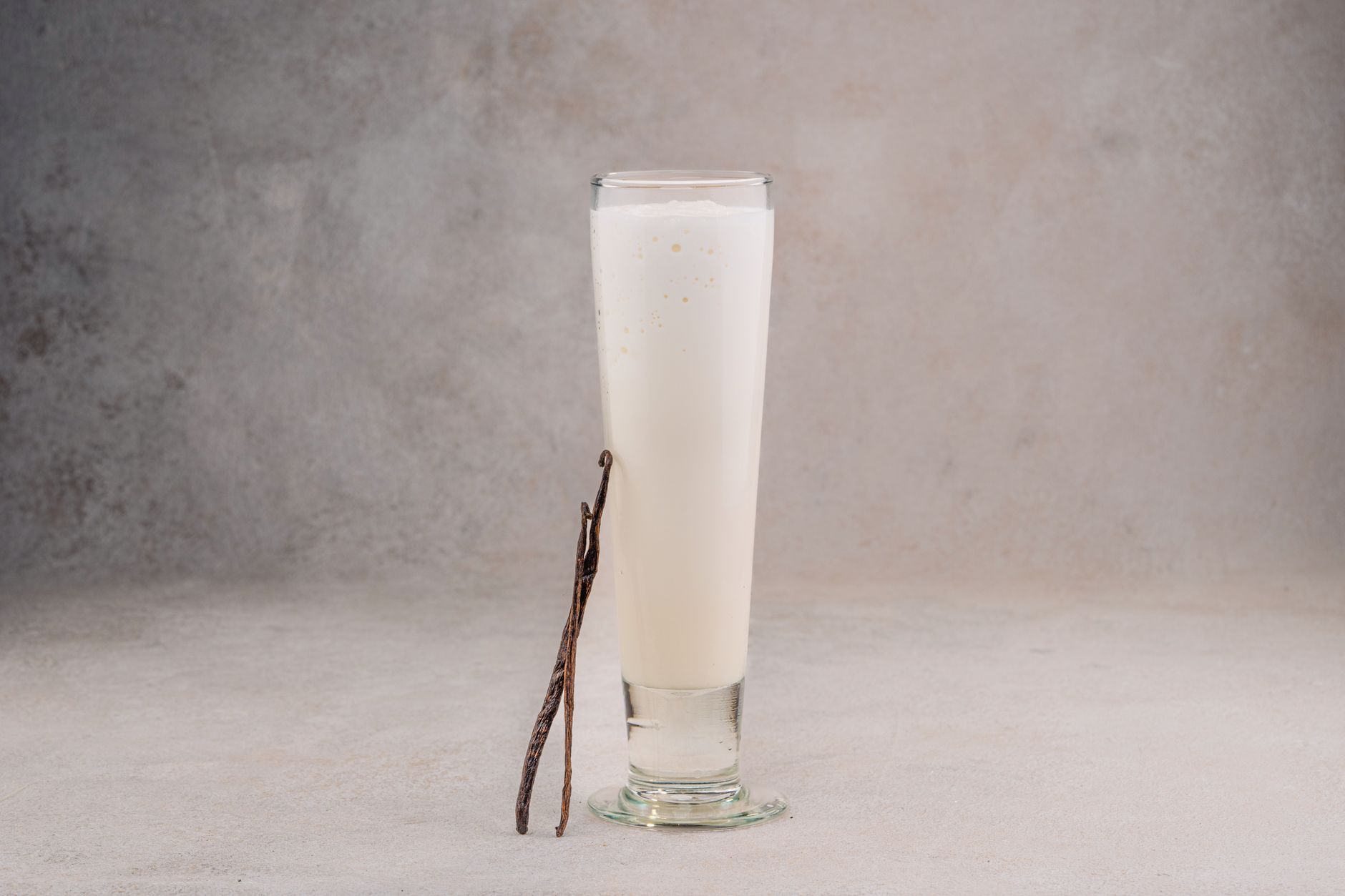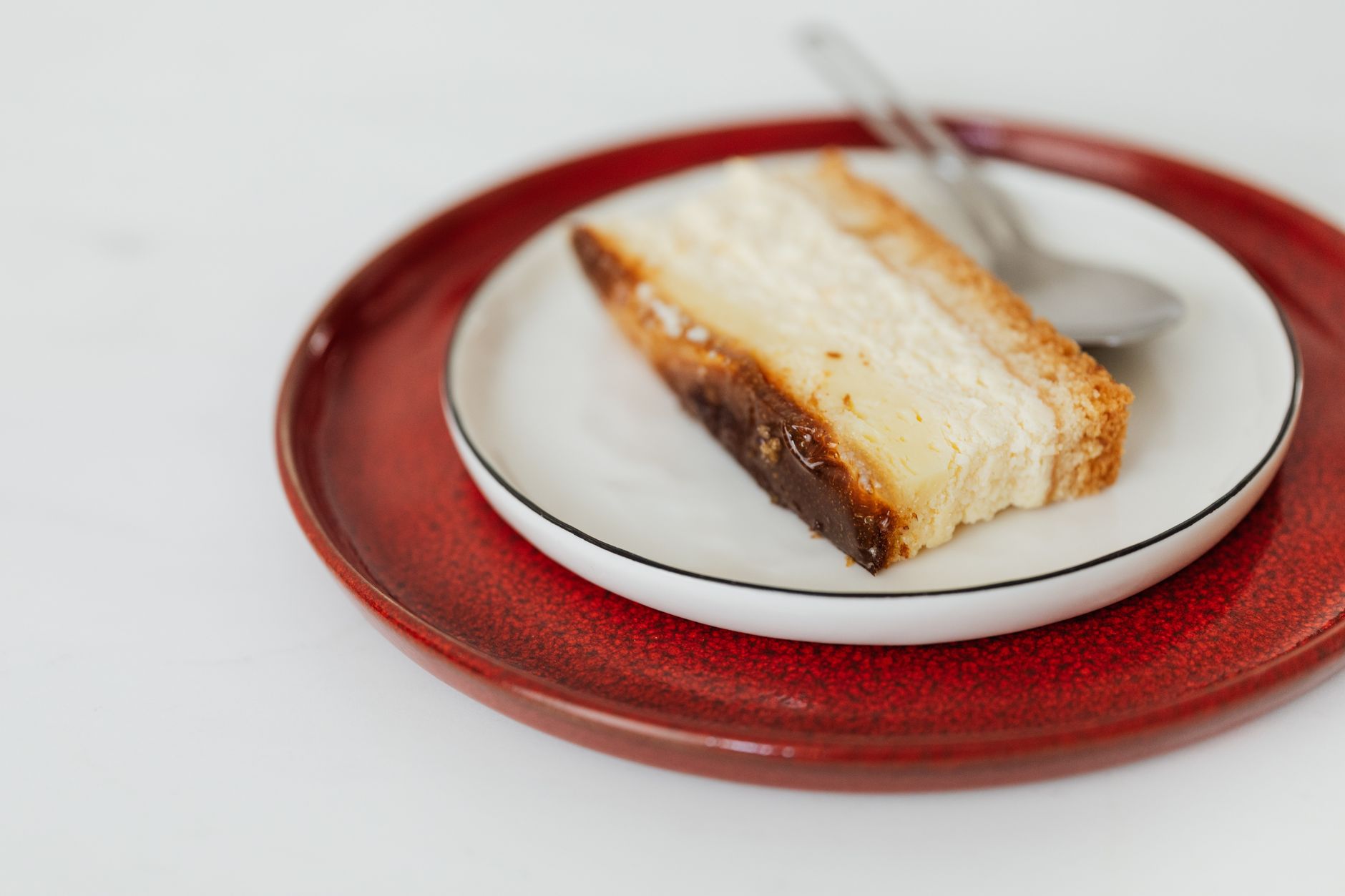
Homemade ice cream often flops with icy, grainy textures or curdled eggs. But the classic old fashioned vanilla ice cream recipe uses a custard base cooked just right to deliver a rich, creamy texture you can actually trust. With simple ingredients and precise steps, you can recreate that timeless, velvety vanilla flavor that feels like comfort in every spoonful.
Why This Recipe Works
What Makes This Recipe Truly Old Fashioned?
This old fashioned vanilla ice cream recipe harks back to a time when fresh, natural ingredients mattered most. Unlike modern shortcuts, it uses a cooked custard base with egg yolks, sugar, milk, and cream just like the classic ice creams crafted before electric mixers and stabilizers existed. The slow cooking process thickens the custard and develops deeper flavor, yielding a smooth mouthfeel and a rich, satisfying sweetness.
How Do Raw Egg Yolks Create a Creamy Texture?
Egg yolks contain natural emulsifiers like lecithin that bind fat and water, producing a custardy richness. In this recipe, the yolks are tempered with warm milk before cooking gently to 170F175F. This heats the yolks enough to thicken and stabilize the base while eliminating any food safety concerns associated with raw eggs. Thats why custard-based ice creams taste so lusciousits a harmony of cream and egg.
Why Cooking the Custard Base Matters for Flavor and Safety
Simply mixing eggs and cream wont give the same velvety texture or guarantee safety. Cooking the custard base at the right temperature cooks the egg proteins, creating a thicker, silkier mixture. It also prevents the risk of salmonella, making your ice cream both delicious and safe to enjoy.
Ingredients and Key Notes
| Prep time | Total time | Servings | Calories | Diet tags |
|---|---|---|---|---|
| 20 minutes | 5 hours (including chilling) | 6 | 290 per serving | Vegetarian |
Essential Ingredients
- Whole milk and heavy cream: The fat content contributes to creaminess and mouthfeel. Use whole milk (3.25% fat) and heavy cream (36%+ fat) for that rich old fashioned texture.
- Egg yolks: Fresh, large eggs provide the rich emulsifiers needed for custard base thickening and smoothness.
- Sugar: Granulated white sugar balances flavor and affects freezing point, keeping ice crystals small.
- Pure vanilla bean or extract: Whole beans give a speckled look and intense aroma. Vanilla extract works well for convenience without sacrificing flavor.
If you prefer alternative dairy options, whole milk and cream can be swapped for half-and-half or coconut milk, but the texture will differ. See the substitution table below for details.
| Ingredient | Substitute | Effect on Texture/Flavor |
|---|---|---|
| Whole milk | Half-and-half or almond milk | Less creamy; more watery with non-dairy |
| Heavy cream | Coconut cream or cashew cream | May alter flavor; slightly less rich |
| Granulated sugar | Honey or maple syrup | Changes sweetness profile; may affect freezing point |
Step-by-Step Instructions
Preparing the Custard Base
Begin by heating 2 cups of whole milk and 1 cup of heavy cream in a medium saucepan over medium heat until steaming but not boilingaround 170F. Meanwhile, whisk 5 large egg yolks with 3/4 cup granulated sugar in a heatproof bowl until pale and smooth.
Slowly pour about one cup of the hot milk mixture into the yolks while whisking constantly to temper the eggs. Gradually add the tempered mixture back into the saucepan. Stir continuously with a wooden spoon or heatproof spatula, cooking over medium-low heat until the custard thickens to coat the back of the spoon and registers 170F175F on a candy thermometer, about 57 minutes.
Remove from heat and stir in 1 tablespoon of pure vanilla extract or scraped seeds from one vanilla bean pod. Strain the custard through a fine-mesh sieve into a bowl to remove any cooked egg bits.
Cooling and Churning
Cover the custard with plastic wrap, pressing it directly onto the surface to prevent a skin from forming. Refrigerate for at least 4 hours or overnight until completely chilled.
Once chilled, pour the custard into your ice cream maker and churn on medium speed according to manufacturer instructions, usually 2025 minutes. The mixture will thicken and double in volume, reaching a soft-serve consistency.
No-Machine Method
Dont have an ice cream maker? Pour the chilled custard into a shallow metal pan and freeze. Every 30 minutes, vigorously stir or whisk the mixture to break up ice crystals. Repeat for 34 hours until creamy with no large ice chunks.
Common Mistakes to Avoid
- Overheating the custard causes curdlingkeep temperature below 175F.
- Under-chilling before churning leads to icy texture; be patient.
- Over-churning introduces air bubbles and graininess; stop as soon as soft peaks form.
For a deeper dive into making old fashioned ice cream with eggs, you can explore this old fashioned homemade ice cream recipe with raw eggs.

Variations and Dietary Swaps
Vegan and Dairy-Free Options
For vegan ice cream, swap whole milk and cream with full-fat coconut milk and use a plant-based egg substitute like silken tofu or a commercial egg replacer designed for custards. Keep in mind these alternatives will produce a different mouthfeel and flavor.
Alternative Sweeteners
Maple syrup, agave, or honey work as sweeteners but adjust quantity for sweetness intensity and note they soften freezing points differently. Monitor churning times as texture changes.
Low-Carb and Keto-Friendly Versions
Replace sugar with erythritol or monk fruit sweetener blends. Use heavy cream with unsweetened almond milk for lower carbs. These swaps affect freezing and texture slightly but still yield a rich treat.
Serving Suggestions
Classic Toppings
- Fresh berries or crushed nuts add freshness and crunch
- Drizzle warm caramel or chocolate sauces for decadence
- A sprinkle of cinnamon or nutmeg complements the vanilla aroma
Pairing with Homemade Desserts
Top your slices of warm apple pie, peach cobbler, or chocolate cake with a scoop of this custardy vanilla ice cream. The cold creaminess contrasts beautifully with warm, spiced desserts.

Creative Twists
Try folding in toasted pecans, a swirl of bourbon maple syrup, or fresh mint leaves just before the last few minutes of churning. These simple touches add a gourmet feel.
Storage and Make-Ahead Tips
Best Containers for Freezing
Use airtight, shallow containers to reduce surface area exposed to air, preventing ice crystals. Glass or heavy plastic containers with tight lids work best.
Storage Duration
Store homemade vanilla ice cream in the freezer for up to 2 weeks without loss of flavor or texture. Beyond that, ice crystals tend to grow and quality declines.
Re-Softening Ice Cream
If your ice cream freezes too hard, transfer it to the refrigerator for 1520 minutes before scooping. Alternatively, leave it at room temperature for 5 minutes but watch closely to avoid melting.
Troubleshooting and Pro Tips
Grainy or Icy Texture
This usually means the custard didnt cook long enough or the mixture wasnt churned properly. Make sure to reach 170F175F in cooking and chill thoroughly before churning.
Runny or Soft Ice Cream
Softness after freezing can result from too much sugar or under-churning. Keep sugar to recipe amounts and churn until the ice cream thickens to soft-serve consistency.
Egg Safety in Ice Cream
Cooking the custard base to 170+ kills harmful bacteria, so consuming safely cooked custard-based ice cream poses minimal risk. Use fresh, clean eggs and maintain the correct temperature to be safe.
Balancing Sweetness and Vanilla
Taste your custard before chilling. If the flavor seems dull, add more vanilla gradually since it can mellow once frozen. Avoid oversweetening the cold dulls sweetness somewhat, but too much sugar affects texture.
More Recipes to Try
If you enjoy classic flavors, consider trying a Brown stew fish recipe 1947681 for a hearty meal complementing your dessert.
For a unique appetizer, the House smoked salmon on spinach with chestnuts and shiitakes recipe 2013376 offers interesting earthy notes that contrast nicely with sweet ice cream.
When is the best time to eat old fashioned vanilla ice cream recipe?
The best time is right after churning when it has a creamy, soft-serve texture. For serving, allow it to harden for 24 hours in the freezer. This recipe is perfect year-round but especially refreshing after warm dinners or on nostalgic treats occasions.
Can I make old fashioned vanilla ice cream without an ice cream maker?
Yes. Freeze the custard in a shallow pan, stirring vigorously every 30 minutes for 34 hours to prevent large ice crystals. This hand-stir method mimics the churning process and produces creamy old-fashioned ice cream.
Why do some old fashioned recipes use raw eggs instead of a cooked custard?
Raw egg recipes rely on freezing and sugar content to reduce bacterial risks while retaining a lighter texture. But cooking the custard ensures safety and adds richness by thickening the base, the method we use here.
How can I prepare this recipe ahead of time for parties?
Make the custard base and chill overnight. Churn the ice cream a few hours before serving and store in the freezer for up to 2 weeks. Re-soften 15 minutes before serving for optimal scoopability.
What vanilla extract is best for authentic old fashioned flavor?
Pure vanilla extract or vanilla bean paste made from Madagascar or Tahitian beans gives the warmest, most complex flavor notes. Avoid imitation extracts for best results.
How do I know when my custard base is cooked properly?
Cook the custard over medium-low heat until it thickens enough to coat the back of a spoon and reaches 170F175F on a candy thermometer. It should slightly veil the back of the spoon without running off.
Can I add mix-ins like nuts or chocolate chips to this recipe?
Yes. Add small mix-ins during the last 5 minutes of churning to distribute evenly without sinking. For best texture, toast nuts beforehand for extra flavor and crunch.
Conclusion
Making this old fashioned vanilla ice cream recipe brings a cozy taste of tradition with every spoonful. Its creamy texture and balanced flavors make it a perfect homemade treat worth savoring. Try it yourself, experiment with toppings, and feel free to share your results or questions below your kitchen is about to feel very inviting.
FAQs
When is the best time to eat old fashioned vanilla ice cream recipe?
The best time to enjoy this old fashioned vanilla ice cream is right after churning when it has a creamy, soft-serve texture. For firmer scoops, let it harden in the freezer for 24 hours before serving.
Can I make old fashioned vanilla ice cream without an ice cream maker?
Yes, you can freeze the custard in a shallow pan and stir vigorously every 30 minutes for 3 to 4 hours. This hand-stirring helps prevent large ice crystals and mimics the churning process for creamy results.
Why do some old fashioned recipes use raw eggs instead of a cooked custard?
Raw egg recipes rely on freezing and sugar to reduce bacteria risks while creating a lighter texture. Cooking the custard base ensures safety and adds richness by thickening and stabilizing the ice cream.
How do I know when my custard base is cooked properly?
Cook the custard over medium-low heat until it coats the back of a spoon and reaches 170°F to 175°F on a candy thermometer. The mixture should veil the spoon without running off quickly.
Can I add mix-ins like nuts or chocolate chips to this recipe?
Yes, add small mix-ins during the last 5 minutes of churning for even distribution. Toast nuts first for extra flavor and crunch, and avoid adding too early to prevent sinking.