Introduction
Surprising Benefits of Marinated Vegetables You Didnt Know
Marinated vegetables bring fresh, vibrant flavors and tender textures to your meals. This simple technique, blending vinegar, oils, and herbs, creates quick marinated vegetable recipes that turn ordinary veggies into delightful snacks or sides. Beyond taste, benefits of marinated vegetables include enhanced nutrient absorption and a boost to your meal‘s overall appeal. Perfect for adding color and zest, marinated vegetables can brighten any plate without complex cooking.
Who Will Love This Recipe
This recipe suits busy cooks who need fast meal ideas. Vegans and anyone craving fresh, no-cook dishes will appreciate its simplicity. Beginners find it friendly, while seasoned chefs can adapt flavors to their liking.
What Sets This Recipe Apart
Unlike traditional pickling vegetables technique that can soften veggies too much, this recipe preserves crunch while infusing bright Mediterranean style marinated veggies aromas. It balances acidity and herbs carefully to avoid overpowering the natural vegetable taste. Easy prep steps make it accessible without special tools.
Key Highlights
Bright Flavors and Retained Textures
Marinating vegetables means finding the right acid-oil balance. Apple cider vinegar adds tang without sogginess. Herbs like oregano bring earthy notes, and garlic delivers a savory edge. Proper slicing and marinating time prevent limp vegetables and enhance crispness.
Versatility to Fit Every Meal
Use marinated vegetables as snacks, salad toppings, antipasto plates, or vibrant side dishes. They pair well with grilled proteins or fresh bread and can be prepared ahead for easy meal prep.
Caution for Sensitive Stomachs
If you have acid reflux or sensitive digestion, consume these veggies moderately. The vinegar may cause discomfort in some cases. Adjust acidity by reducing vinegar or increasing oil when needed.
Ingredients & Preparation
| Prep time | Total time | Servings | Calories | Diet tags |
|---|---|---|---|---|
| 15 mins | 2 hrs (includes marinating) | 6 | 50 per serving | Vegan, Gluten-Free, Dairy-Free |
Full Ingredient List with Substitutions
- 2 cups cherry tomatoes (fresh or grape)
- 1 large cucumber, sliced (English cucumber preferred, peel optional)
- 1 red bell pepper, chopped (substitute with yellow for milder sweetness)
- red onion, thinly sliced (or shallots for milder flavor)
- cup extra virgin olive oil (can swap with avocado oil)
- cup apple cider vinegar (white wine vinegar as substitute)
- 1 tsp dried oregano (fresh rosemary for a piney twist)
- 1 tsp garlic powder or 2 cloves fresh garlic, minced
- Salt and pepper to taste
Equipment Needed
A large mixing bowl and sharp chefs knife are essential. Use a glass jar or airtight container for marinating and storing. No blenders or juicers required.
Tips for Finding the Best Ingredients
Choose firm, unblemished vegetables from farmers markets or reliable stores. Fresh-picked produce delivers more intense flavor. Organic options work well but aren‘t mandatory.
Step-by-Step Instructions
Step 1 Prep Your Vegetables Carefully
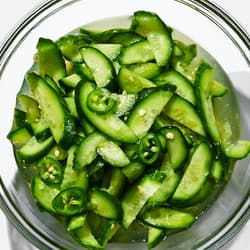
Wash all vegetables thoroughly. Slice cucumbers into thin rounds to avoid soggy results. Chop bell peppers into bite-sized pieces. Thinly slice the red onion for faster marinating and milder bite. Peeling the cucumber is optional if using English variety.
Step 2 Combine Marinade Ingredients Precisely
In a bowl, whisk olive oil, apple cider vinegar, oregano, garlic, salt, and pepper together for 1 to 2 minutes until well emulsified. Avoid adding too much salt now to keep flavors balanced.
Step 3 Toss and Let Marinate
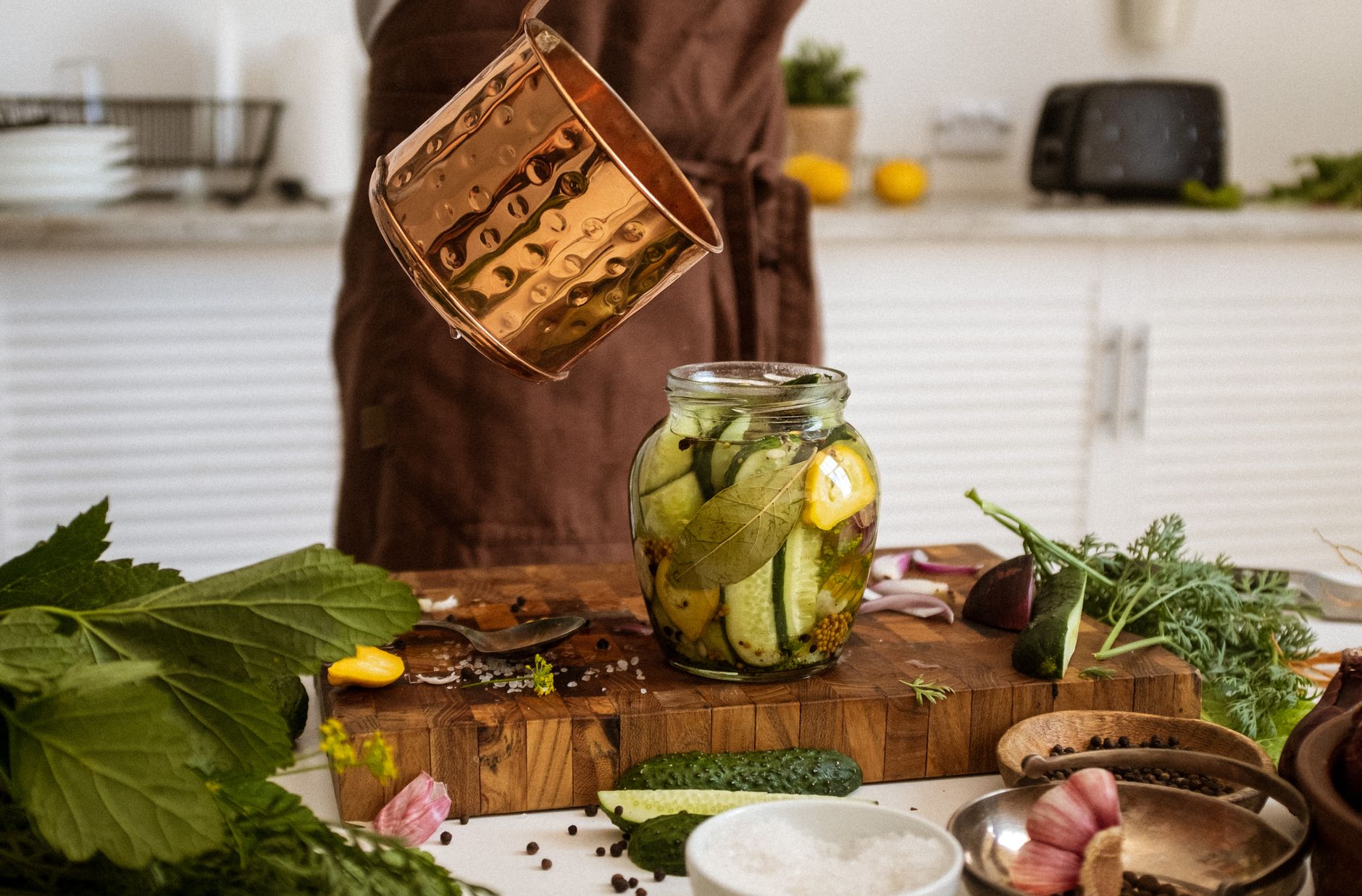
Add the prepared vegetables to the marinade. Toss gently with tongs or large spoon until all pieces are coated evenly. Transfer mixture to an airtight glass container or jar. Refrigerate for a minimum of 1 hour; 2 hours recommended for best flavor. Avoid excessive stirring to prevent bruising.
Step 4 Serve or Store Properly
Serve chilled or at room temperature according to preference. Store any leftovers in a sealed glass container inside the fridge. Never leave marinated vegetables out for more than 2 hours. Marinating longer than 24 hours may cause limp vegetables and flavor loss.

Variations & Substitutions
Popular Variations for Every Taste
Add a pinch of red pepper flakes for a spicy kick. Swap apple cider vinegar with balsamic for a slightly sweeter tang. Try adding pitted olives or capers for Mediterranean style marinated veggies twist that boosts savory depth.
Ingredient Swaps That Work
Replace cucumbers with zucchini for summer freshness or carrots for crunchier texture. Fresh herbs offer bright flavor, but dried herbs remain convenient. Garlic powder can be swapped for minced garlic depending on preference.
Adjusting the Flavor Profile
Control acidity by adjusting vinegar quantitymore vinegar delivers tang, less preserves delicate tastes. Drizzle extra olive oil to soften flavors. Adding a teaspoon of honey balances sharpness, especially if you prefer a hint of sweetness.

Storage & Shelf Life
Refrigerator Storage
Store marinated vegetables in a sealed glass container. Keep them refrigerated for up to 45 days. Avoid plastic wrap directly touching the vegetables to help maintain crispness.
Freezer Storage: Not Recommended
Freezing marinated vegetables is not advised. The texture breaks down, becoming mushy when thawed. Instead, freeze raw vegetables separately if needed for long-term storage.
Make-Ahead & Batch Prep Tips
You can double or triple the recipe using larger glass jars labeled with preparation dates. Marinate veggies for no longer than 24 hours to maintain texture. Airtight lids help prevent absorption of fridge odors.
Pro Tips & Troubleshooting
Practical Tips for Perfect Marinated Vegetables
Use glass or ceramic bowls when mixing marinade to avoid any metallic vinegar reactions. Remove herb stems to prevent bitter flavors. Gloves protect your hands from staining when handling red onion or bell peppers.
Fixing Common Issues
If your vegetables turn limp, reduce marinating time in future batches. A bitter taste often signals too much raw garlic or oreganomeasure carefully next time. Oxidation causes dull color; adding a teaspoon of fresh lemon juice brightens them back.
Expert Upgrade
Add crushed red pepper flakes or zest from lemon or orange for extra fragrance and visual appeal. These elevate freshness and create layered complexity, perfect for memorable meals.
When is the best time to eat marinated vegetables?
Marinated vegetables are ideal anytimeespecially as a refreshing snack or bright side dish for lunch and dinner. Their crisp, tangy profile helps balance heavier meals or adds lightness to quick dishes.
Can I make a big batch ahead of time?
Yes, you can prepare larger quantities and keep them refrigerated for 45 days. Avoid marinating beyond 24 hours for optimal texture and flavor.
Fresh vegetables or pickled powder which is better?
Fresh marinated vegetables offer an exciting crunch and bright flavors. Pickled powders lack texture and tend to taste flat in recipes like this. Choosing fresh ingredients makes a big difference.
Is this safe for pregnant women, kids, or those on medication?
Generally safe, but for acid reflux or medication concerns (like blood thinners), consult your healthcare provider. Vinegar can sometimes affect digestion or interact with medicines.
How often can I eat marinated vegetables?
Enjoy them regularly as part of a balanced diet. Moderation is key if you are sensitive to vinegar or acidic foods to prevent discomfort.
Why do my marinated vegetables taste bitter?
Bitter notes usually come from excessive raw garlic or too much oregano. Use measured amounts and fresh herbs for a balanced, sweet-savory profile.
What pairs well with marinated vegetables?
Try them alongside grilled meats, artisan breads, cheese boards, or light pasta salads. Their bright acidity and crunch compliment richer flavors wonderfully.
For more detailed ideas on how to prepare flavorful dishes featuring vegetables, check out how to marinate vegetables for barbecue indian style here. Also, you might enjoy a light side like Baked spinach and zucchini 8732050 recipe or the comforting Best cream of mushroom soup recipe here.
More Recipes You Will Love
Quick Summer Grilled Veggie Salad
This salad offers another fresh approach to vegetables, perfect for warm days. Bright, smoky, and easy to prepare, its a natural pairing with marinated veggies.
Mediterranean Chickpea Salad
A protein-rich vegan recipe packed with bold flavors. It works well as a main dish alongside marinated vegetables for a balanced meal.
Holiday Roasted Vegetable Platter
Perfect for festive gatherings, this recipe includes roasted veggies served warm or room temperature with marinated vegetable sides for variety.
Conclusion
Marinated vegetables brighten meals with fresh, vibrant flavors and satisfying crunch. Their simple prep and versatile uses make them a welcome addition to your kitchen routine. Try this recipe today, share your thoughts, or rate it. For more inspiration, explore our Quick Summer Grilled Veggie Salad recipe for another fresh, easy dish.
FAQs
When is the best time to eat marinated vegetables?
Marinated vegetables are ideal anytime, especially as a refreshing snack or bright side dish for lunch and dinner. Their crisp, tangy flavor helps balance heavier meals or adds lightness to quick dishes.
Can I make a big batch of marinated vegetables ahead of time?
Yes, you can prepare larger batches and keep them refrigerated in airtight containers for up to 45 days. However, marinate the vegetables no longer than 24 hours to keep them crunchy and flavorful.
Are marinated vegetables safe for people with sensitive stomachs?
If you have acid reflux or sensitive digestion, consume marinated vegetables in moderation. Adjust the recipe by reducing vinegar or increasing oil to lower acidity and avoid discomfort.
Why do my marinated vegetables sometimes taste bitter?
Bitter flavors usually result from using too much raw garlic or dried oregano. To avoid this, measure your herbs precisely and consider using fresh herbs for a balanced, sweeter taste.
What dishes pair well with marinated vegetables?
Marinated vegetables complement grilled meats, artisan breads, cheese boards, and light pasta salads. Their bright acidity and crunch enhance richer or heavier dishes beautifully.