Looking for a quick way to add that deep, sweetspicy kick to everything from noodles to chicken? Youre only a few minutes away from a homemade gochujang thats fresherand cheaperthan any storebought jar. Below youll get a traditional stepbystep guide, a 5ingredient shortcut, and three tasty variations (vegetarian, chicken, noodles), plus safety tips so you know exactly how to enjoy the heat without any nasty surprises.
Grab a cup of tea, settle in, and lets dive into the world of gochujang. I promise it wont feel like a lecturejust a friendly chat about a sauce that can change the way you eat forever.
Core Ingredients Overview
Before we get our hands dirty, lets talk about what actually goes into gochujang. The classic recipe hinges on five pillars:
- Gochugaru Korean red chili flakes that give the signature ruby hue and gentle heat.
- Yeotgireum (Barley Malt) A sweet, slightly nutty syrup that fuels fermentation and adds depth.
- Sweet Rice (Chapssal) Steamed glutinous rice provides the carbohydrate base for the microbes.
- Fermented Soybean Powder Often called meju powder; its the salty, umami backbone.
- Salt & Water Simple, but essential for flavor balance and safe fermentation.
If youre looking for a detailed ingredient guide from a seasoned Korean cook, youll see the same list, plus a few optional tweaks for texture.
Ingredient Substitution Chart
| Ingredient | Vegetarian / Vegan Swap | GlutenFree Option |
|---|---|---|
| Barley Malt (yeotgireum) | Brown rice malt or maple syrup | Rice malt (certified GF) |
| Fermented Soybean Powder | Miso paste (check for wheat) | Glutenfree miso or fermented chickpea powder |
| Sweet Rice | Shortgrain sushi rice | Certified glutenfree sweet rice |
These swaps keep the flavor profile largely intact while letting you cater to dietary needs. Feel free to experiment; the fermentation process is surprisingly forgiving.
Traditional Fermentation Method
If you have a few weeks to spare and love the idea of making it from scratch, the traditional method is worth the wait. It delivers a complex, mellow heat that shortcuts cant fully replicate.
Preparing the RiceMalt Base
1. Soak 1cup of sweet rice in cold water for 30minutes.
2. Drain, then steam until the grains are translucent and puddingsoft (about 20minutes). Let it cool to room temperature; this prevents killing the beneficial microbes.
Mixing Gochugaru & Fermentation
In a large, clean bowl, whisk together:
- 1cup cooled rice mash
- cup barley malt syrup
- cup gochugaru (adjust for heat preference)
- cup fermented soybean powder
- 2tbsp sea salt
- 1cup lukewarm water (just enough to form a thick paste)
Stir until the mixture is uniform, then transfer it into a sterilized glass jar. Press down to eliminate air pockets, seal tightly, and store in a cool, dark place (ideally 5565F) for 24weeks.
Troubleshooting Common Issues
- Offodors: A sour smell is normal, but if it turns putrid, discardcontamination happened.
- Mold: White surface film is beneficial; black or green mold means the jar wasnt airtight.
- Underfermentation: If after four weeks the paste feels too watery, give it another week and check the salt balance.
These tips help you avoid the oops moments that many firsttime fermenters face.
5Ingredient Quick Sauce Recipe
Pressed for time? No worries. You can whip up a tasty gochujangstyle sauce in under ten minutes using a storebought gochujang paste as a base.
Ingredients List
- 2tbsp gochujang paste (storebought)
- 1tbsp soy sauce (or tamari for glutenfree)
- 1tbsp honey or agave syrup
- tbsp rice vinegar
- tbsp toasted sesame oil
StepbyStep 5Minute Method
Combine everything in a small bowl, whisk until smooth, taste, and adjust salt or sweetness as needed. Thats ityou now have a versatile gochujang sauce ready for drizzling, dipping, or marinating.
Comparison Table: Traditional vs Quick
| Aspect | Traditional Fermentation | 5Ingredient Shortcut |
|---|---|---|
| Flavor Depth | Complex, mellow, layered | Bright, immediate heat |
| Prep Time | 24weeks | 10minutes |
| Shelf Life | 612months (refrigerated) | 12months (refrigerated) |
| Nutrition | Probioticrich | Less probiotic, similar macronutrients |
If youre curious about the science behind fermentation, the Homebrewers Association has a neat breakdown that applies to many foods, gochujang included.
Creative Flavor Variations
Now that you have either a traditional batch or a quick sauce, its time to get playful. Below are three crowdpleasing recipes that showcase the versatility of gochujang. Feel free to swap proteins, veggies, or noodles based on whats in your fridge.
Vegetarian Gochujang StirFry
What you need:
- 200g firm tofu, pressed and cubed
- 1cup mixed shiitake and button mushrooms, sliced
- 1red bell pepper, thinly sliced
- 2tbsp gochujang sauce (quick or fermented)
- 1tbsp sesame oil
- 1tbsp toasted sesame seeds for garnish
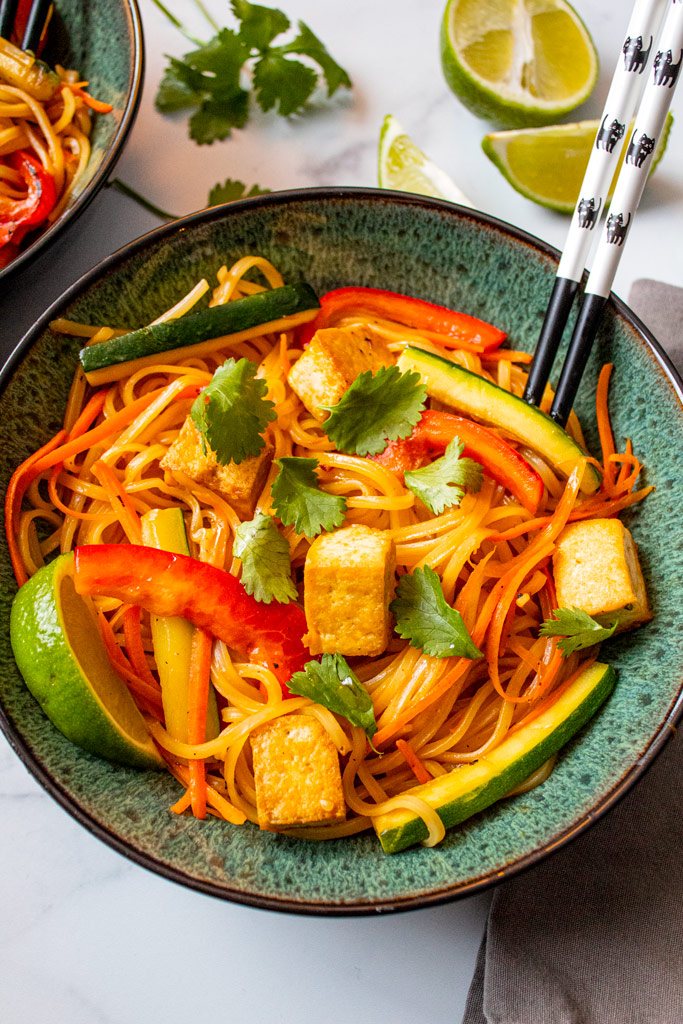
Heat sesame oil in a wok, add tofu and brown on all sides (about 5minutes). Toss in mushrooms and pepper, stirfry another 3minutes, then stir in the gochujang sauce. Cook until everything glazes, garnish, and serve over steamed rice or quinoa. The tofu absorbs the sweetspicy glaze beautifully, making this a satisfying meatfree main.
Gochujang Chicken Glaze
This is the goto when you want a dinner that feels special without the fuss.
- 4bonein chicken thighs, skin on
- 3tbsp gochujang sauce
- 2tbsp soy sauce
- 1tbsp honey
- 1tsp grated ginger
- 1tsp garlic powder
Mix the glaze ingredients, coat the chicken, and marinate for at least 30minutes (or overnight). Roast at 200C (400F) for 3540minutes, basting halfway through. The result? Crispy skin, juicy meat, and a sweetspicy finish that pairs perfectly with rice bowls or lettuce wraps.
Gochujang Noodle Bowl
Perfect for a quick weeknight or a lazy weekend lunch.
- 200g dry udon or ramen noodles
- 2tbsp gochujang sauce
- 1tbsp soy sauce
- 1tsp sugar (optional)
- 1cup mixed veggies (carrots, spinach, bean sprouts)
- 1egg, fried (optional)
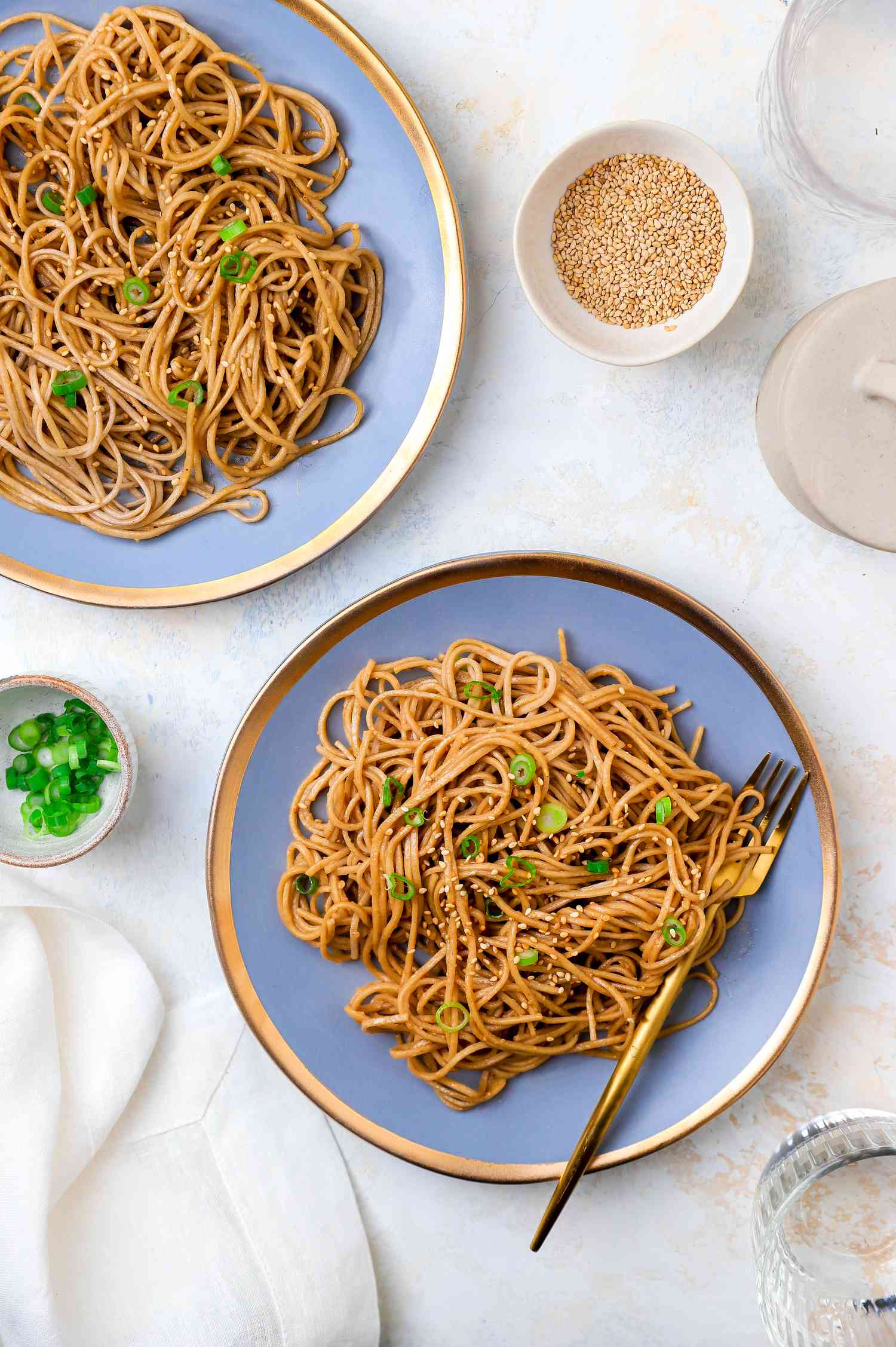
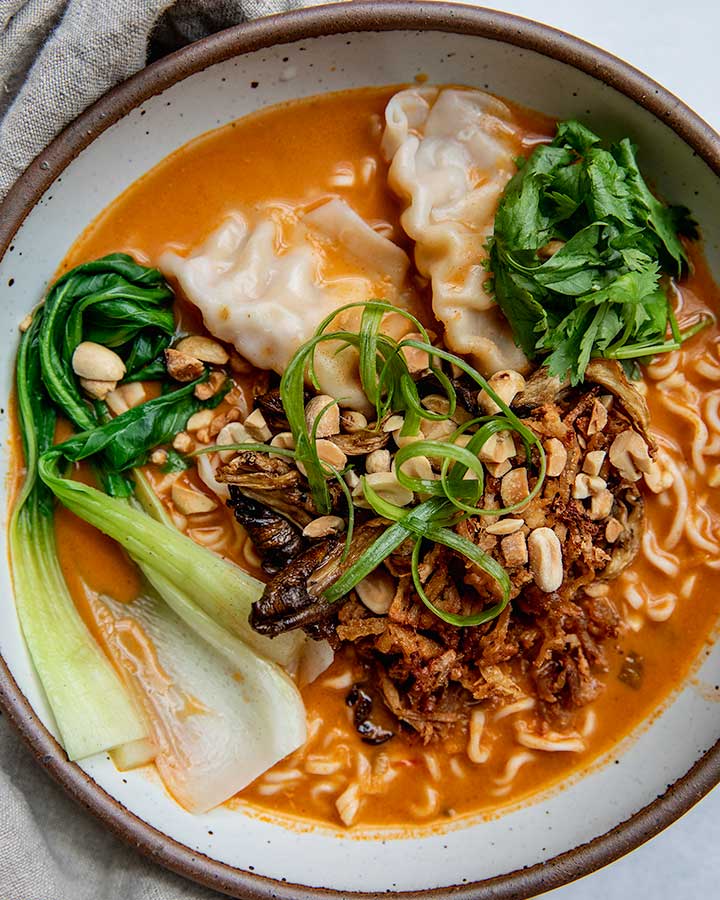
Cook noodles according to package, drain, and return to pot. Whisk together gochujang, soy sauce, and sugar; pour over noodles, toss to coat. Add sauted veggies, top with a fried egg, and you have a comforting, balanced bowl in under 20minutes. The rule of thumb? About 1tbsp of sauce per 100g of noodles gives a harmonious heat level.
Other Popular Gochujang Uses
Quick list of ways to sprinkle gochujang into your everyday meals:
- Bibimbap topping
- Tteokbokki (spicy rice cakes) sauce
- Kimchi fried rice boost
- BBQ ribs glaze
- Dumpling dipping sauce
When you start experimenting, youll discover that a little goes a long wayjust a spoonful can elevate a bland dish to something unforgettable.
Balanced Health Perspective
Beyond flavor, gochujang brings a handful of nutritional perks, but like any condiment, moderation is key.
Nutritional Profile
A typical 1tablespoon serving of traditional gochujang contains roughly:
- Calories: 2025kcal
- Protein: 0.5g
- Carbohydrates: 45g (mostly from rice and malt)
- Fat: <1g
- Sodium: 250350mg (depends on salt amount)
- Capsaicin & antioxidants from red chilies
HealthImpact Chart
| Benefit | Potential Risk |
|---|---|
| Probiotics from fermentation support gut health | High sodium may affect blood pressure if overconsumed |
| Capsaicin can boost metabolism and reduce inflammation | Spicy heat can irritate sensitive stomachs |
| Provides quick carbs for athletes | Added sugars in some commercial versions |
For most people, 12tablespoons a day are safe and enjoyable. If youre on a lowsodium diet, consider rinsing the finished paste briefly before using it, or lean on the quicksauce version where you control the salt.
Tips for Perfect Gochujang
Whether youve just finished the fermentation or are whipping up a sauce, here are some final pointers to keep your gochujang at its best.
- Store in the refrigerator once opened; cold temps slow spoilage and preserve flavor.
- Use clean utensils each time you scoop out sauceintroducing moisture or bacteria can degrade the batch.
- Adjust sweetness with a touch more barley malt or honey if you prefer a milder finish.
- Layer flavors by adding a splash of citrus (lime or yuzu) when using the sauce in salads or cold noodles.
- Label your jars with the date you started fermentation; older batches develop richer umami.
These habits not only extend shelf life but also let you finetune the taste to your personal palate.
Conclusion
You've now got everything you need to make, shorten, and savor gochujang in all its glorious forms. From a patient, weekslong ferment that yields probiotic richness to a lightningfast sauce that saves dinner, the options are as diverse as your culinary imagination. Try the vegetarian stirfry, the chicken glaze, or the noodle bowland feel free to remix them with your favorite veggies or proteins. When you share your creations, youll see how a single paste can bring friends together, spark conversation, and turn ordinary meals into memorable experiences.
If youve enjoyed this guide, why not experiment with your own twist and let us know how it turned out? Your next gochujang adventure is just a spoonful away.
FAQs
How long does the traditional gochujang fermentation take?
The classic method requires 2–4 weeks at a cool, dark temperature (55‑65 °F) for a mellow flavor, but many cooks let it age up to several months for deeper complexity.
Can I replace barley malt (yeotgireum) with a vegan alternative?
Yes—brown‑rice malt syrup, maple syrup, or rice malt work well as vegan swaps while still providing the sugars needed for fermentation.
What’s the best way to store homemade gochujang?
Keep the jar sealed in the refrigerator after opening. Properly stored, fermented gochujang lasts 6–12 months, and the quick‑sauce version can keep for up to a year.
How spicy is gochujang and can I adjust the heat?
Heat level depends on the amount of gochugaru used. For milder sauce, halve the chili flakes; for extra kick, increase to 1½ × the amount.
Is gochujang suitable for a low‑sodium diet?
Traditional gochujang is salty, but you can rinse the finished paste briefly or use the quick‑sauce version where you control the added salt.