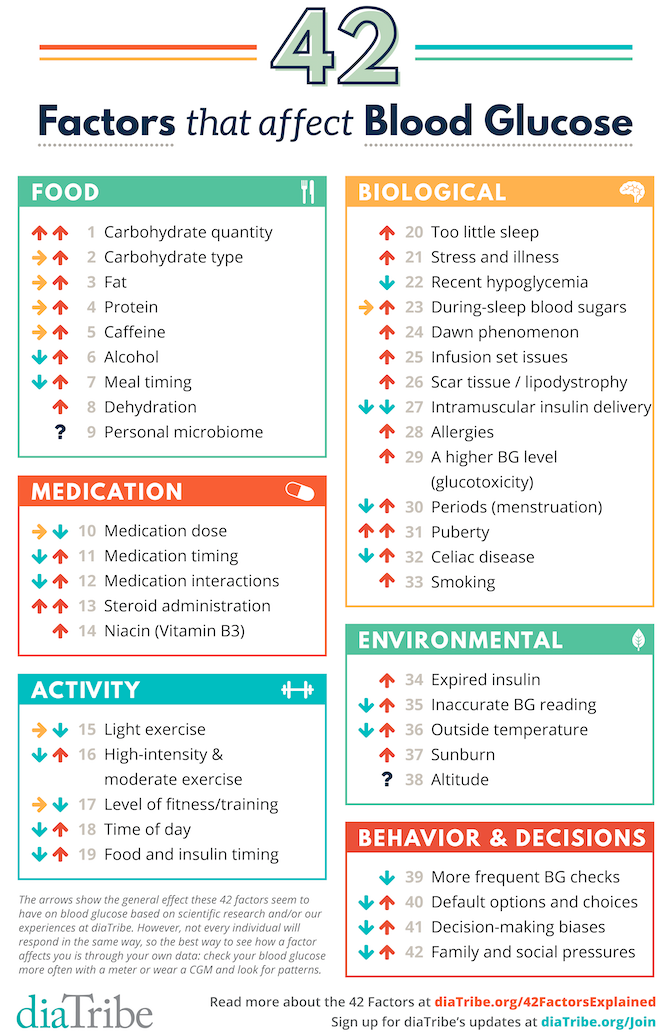
Hey there! If youve ever wondered why a seemingly harmless snack leaves you feeling sluggish or why a meal leaves you buzzing with energy only to crash later, youre in the right spot. Below youll get a straighttothepoint rundown of the foods that send your glucose soaring, why they do it, and what you can do to keep things balanced without giving up the foods you love.
Why Spikes Matter
What is a bloodsugar spike?
A bloodsugar spike, also called a postprandial surge, is the rapid rise in glucose that occurs after you eat. It typically peaks within 1530minutes for fastacting carbs and can linger for up to two hours. The bodys response is a rush of insulin to shuttle that sugar into cells. If spikes happen often, insulin can become less effective, leading to insulin resistance and, over time, type2 diabetes.
What level of blood sugar is dangerous?
For most adults, a fasting glucose under 100mg/dL is normal. After a meal, values above 180mg/dL repeatedly are considered hyperglycemia and can cause headaches, blurred vision, and dehydration. On the flip side, dropping below 70mg/dL is hypoglycemiayour brains fuel tank is practically empty, and you might feel shaky, sweaty, or confused. Both extremes are signals your body needs a better balance.
Credible sources
According to the CDC guide to tracking blood sugar, keeping postmeal glucose under 180mg/dL reduces the risk of longterm complications, while the NIDDK overview of diabetes outlines the dangers of both high and low readings.
Top Spike Foods
Starchy vegetables & tubers
White potatoes (baked, mashed, or fried) are a top offender. Their high glycemic index (GI85) means they break down quickly, flooding your bloodstream with glucose. Sweet potatoes are a bit kinderstill high in carbs but a lower GIyet they can still cause a noticeable rise if eaten without protein or fat.
Refined grains & pasta
White rice, instant rice packets, and overcooked regular pasta are notorious. Theyre stripped of fiber, leaving almost pure starch that digests in minutes. A single cup of white rice can push postmeal glucose up by 3040mg/dL.
Sugary drinks & fruit juices
A glass of apple juice or a can of soda delivers liquid sugar straight to your gut, bypassing the fiber slowdown youd get from whole fruit. Because liquids empty from the stomach faster, they cause one of the quickest spikes.
Bakery & sweets
Think white bread, bagels, croissants, cupcakes, cookies, and pastries. Not only do they contain refined flour, but theyre often drenched in added sugars. One slice of white bread can spike glucose almost as fast as a spoonful of honey.
Processed snacks & condiments
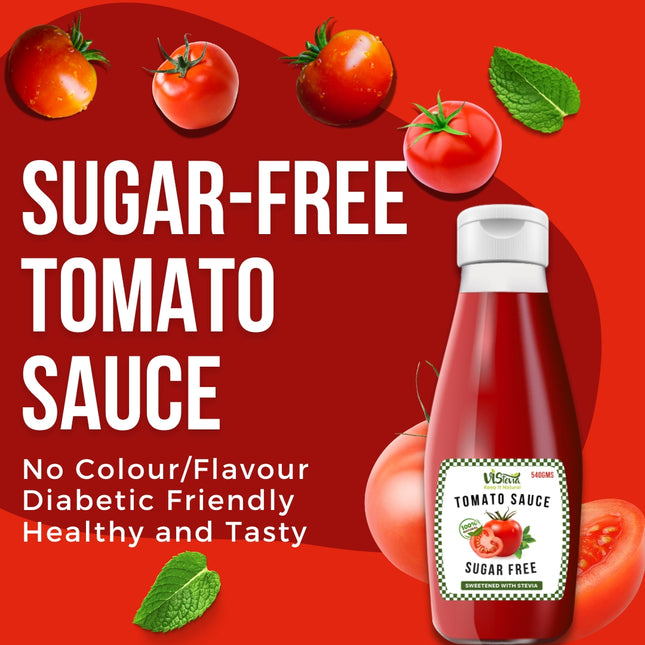
Ketchup, barbecue sauce, and flavored yogurts hide surprising amounts of sugar. Sports drinks and flavored water are another sneaky source; Hey there! If youve ever wondered why a seemingly harmless snack leaves you feeling sluggish or why a meal leaves you buzzing with energy only to crash later, youre in the right spot. Below youll get a straighttothepoint rundown of the foods that send your glucose soaring, why they do it, and what you can do to keep things balanced without giving up the foods you love. A bloodsugar spike, also called a postprandial surge, is the rapid rise in glucose that occurs after you eat. It typically peaks within 1530minutes for fastacting carbs and can linger for up to two hours. The bodys response is a rush of insulin to shuttle that sugar into cells. If spikes happen often, insulin can become less effective, leading to insulin resistance and, over time, type2 diabetes. For most adults, a fasting glucose under 100mg/dL is normal. After a meal, values above 180mg/dL repeatedly are considered hyperglycemia and can cause headaches, blurred vision, and dehydration. On the flip side, dropping below 70mg/dL is hypoglycemiayour brains fuel tank is practically empty, and you might feel shaky, sweaty, or confused. Both extremes are signals your body needs a better balance. According to the CDC guidance on tracking blood sugar, keeping postmeal glucose under 180mg/dL reduces the risk of longterm complications, while the outlines the dangers of both high and low readings. White potatoes (baked, mashed, or fried) are a top offender. Their high glycemic index (GI85) means they break down quickly, flooding your bloodstream with glucose. Sweet potatoes are a bit kinderstill high in carbs but a lower GIyet they can still cause a noticeable rise if eaten without protein or fat. White rice, instant rice packets, and overcooked regular pasta are notorious. Theyre stripped of fiber, leaving almost pure starch that digests in minutes. A single cup of white rice can push postmeal glucose up by 3040mg/dL. A glass of apple juice or a can of soda delivers liquid sugar straight to your gut, bypassing the fiber slowdown youd get from whole fruit. Because liquids empty from the stomach faster, they cause one of the quickest spikes. Think white bread, bagels, croissants, cupcakes, cookies, and pastries. Not only do they contain refined flour, but theyre often drenched in added sugars. One slice of white bread can spike glucose almost as fast as a spoonful of honey. Ketchup, barbecue sauce, and flavored yogurts hide surprising amounts of sugar. Sports drinks and flavored water are another sneaky source; theyre marketed as hydration boosters but can add 1520grams of sugar per bottle. Ice cream, sweetened milk, and chocolateflavored beverages combine lactose with added sucrose, creating a double whammy for blood sugar. Nuts, seeds, cheese, avocado, and peanut butter are low in carbs but high in healthy fats and protein. They create a buffer that slows the release of glucose from any carbs you might eat alongside them. Steelcut oatmeal, barley, quinoa, and brown rice have a gentler impact. Their fiber content forces the digestive system to work slower, giving your body time to manage the incoming glucose. Berries, apples (with skin), carrots, and leafy greens dump sugar into your bloodstream at a snails pace. Theyre perfect companions to higherGI foods to keep the overall glycemic load in check. When you feel shaky or dizzy, you need fastacting carbs: a glass of regular (not diet) soda, a cup of fruit juice, glucose tablets, or a spoonful of honey. These provide simple sugars that jump straight into the bloodstream within minutes. The 321 rule is a handy cheat sheet: 3grams of glucose, 2grams of protein, and 1gram of fat. A quick snack could be a glucose tablet (3g), a few almonds (2g protein), and a slice of cheese (1g fat). This combo not only lifts your level but also prevents it from crashing right after. Highfiber veggies like cucumber slices, a small handful of nuts, or a proteinrich snack (e.g., a boiled egg) can blunt a rising spike. Pairing a sugary drink with a protein bar, for example, reduces the overall impact. A 10minute walk after a big carb meal can help muscles absorb glucose without needing extra insulin. Drinking a glass of water also supports kidneys in flushing excess sugar out of the blood. Think handsize rules: a cupped hand of cooked rice, a fistsized portion of potatoes, or a thumbwide piece of bread. Keeping portions modest makes spikes easier to manage. Combine a highGI carb with protein or fat: a small baked potato topped with grilled chicken and a drizzle of olive oil, or white rice served with beans and avocado. The added protein/fat slows digestion and spreads the glucose release over a longer period. This plan lets you enjoy a potato at dinner while balancing it with protein and fiber, keeping the overall glycemic impact gentle. Grab a notebook and jot down the foods that usually send your sugars skyhigh. Experiment with the pairing ideas above and watch how your energy steadies throughout the day. If you have diabetes or another condition that impacts glucose management, learn more about diabetes basics and chat with your healthcare provider about these strategies and see which fit your plan. Remember, this isnt about banning your favorite foodsits about learning how to enjoy them wisely. If youve tried any of these swaps or have a personal success story, Id love to hear about it! Feel free to share your experience in the comments or reach out directly. Together, we can keep our blood sugars balanced and our lives delicious. White potatoes, white rice, sugary drinks, soda, and refined grain products like white bread and pastries have the highest glycemic impact and raise blood glucose fastest. Combine them with protein, healthy fats, or fiber—such as adding chicken and avocado to a baked potato or pairing white rice with beans and vegetables—to slow digestion and flatten the spike. Consume 15‑20 g of fast‑acting carbs like a small glass of juice, regular soda, glucose tablets, or a tablespoon of honey. Re‑check your level after 15 minutes. High‑fiber veggies (cucumber, celery), a handful of nuts, or a protein‑rich snack like a boiled egg can blunt a spike when eaten with or shortly after a sugary food. Check at baseline, then 30 minutes, 1 hour, and 2 hours post‑meal to see the peak and how quickly it returns toward normal.Why Spikes Matter
What is a bloodsugar spike?
What level of blood sugar is dangerous?
Credible sources
Top Spike Foods
Starchy vegetables & tubers
Refined grains & pasta
Sugary drinks & fruit juices
Bakery & sweets
Processed snacks & condiments
Dairybased treats with added sugar
Quickreference table
Food Typical GI Typical GL (per serving) Spike onset (minutes) White potato (baked) 85 22 1530 White rice (1 cup) 73 27 2035 Apple juice (1 cup) 68 25 1020 White bread (1 slice) 75 10 1525 Soda (regular, 12oz) 63 19 515 Foods That Dont Spike
Proteinfat combos that slow absorption
LowGI carbs
Fiberrich fruits & veggies
Raise Sugar Fast
What to eat when blood sugar is low?
Home remedies to boost sugar
Stepbystep for diabetics
Lower Sugar Quickly
What foods lower blood sugar immediately?
Practical nonfood actions
Balancing Your Plate
Portion control for highGI foods
Pairing tips to blunt spikes
Sample daily menu
Quick Tips & Takeaways
Top takeaways in a nutshell
Whats next for you?
FAQs
What foods cause the biggest blood sugar spikes?
How can I enjoy high‑GI foods without spiking my glucose?
What is the fastest way to raise low blood sugar?
Which snacks help lower a rising blood sugar level?
How often should I check my blood sugar after a big meal?