Hey there! If youre scrolling through a sea of miracle cures and wondering what actually works, youve landed in the right spot. Below youll find nine triedandtested natural remedies that can help you keep blood sugar steady(no hype, just realworld tips you can start using today.
How Natural Fits
First off, natural doesnt mean magical. It means whole foods, herbs, and supplements that have scientific backing and are generally safe when used responsibly. Think of them as allies that work alongside the medicines and lifestyle changes your doctor already recommends. Theyre not a replacement for your prescription, but they can make a noticeable difference in your glucose numbers.
The 9 Remedies
| Remedy | Why It Works | How to Use | Risks / Cautions |
|---|---|---|---|
| Cinnamon | Contains cinnamaldehyde and polyphenols that improve insulin sensitivity. | 1tsp Ceylon cinnamon in oatmeal, coffee, or a smoothie. | High doses of Cassia cinnamon can affect liver; avoid if youre on blood thinners. |
| MagnesiumRich Foods | Magnesium helps insulin signaling and glucose uptake. | Handful of almonds, a cup of spinach, or half an avocado daily. | Excessive magnesium supplements may cause diarrhea. |
| Bitter Gourd | Charantin and Polypeptidep mimic insulin activity. | Stirfry cup sliced bitter gourd or drink a small amount of fresh juice. | May lower blood sugar too much for those on insulin. |
| Fenugreek Seeds | Soluble fiber slows carbohydrate absorption. | Soak 1tsp seeds overnight, strain, and sip the water. | Can cause mild gastrointestinal upset. |
| Apple Cider Vinegar | Acetic acid improves insulin sensitivity and slows stomach emptying. | 1tbsp diluted in 8oz water before meals (see Mayo Clinic). | Too much acid can erode tooth enamel; avoid on an empty stomach if you have reflux. |
| Berberine | Clinical studies show it works similarly to metformin in lowering A1C. | 500mg 2-3 times daily with meals. | May interact with cyclosporine or antibiotics; start with a low dose. |
| Turmeric / Curcumin | Antiinflammatory action reduces insulin resistance. | Curcumin supplement (500mg) with blackpepper extract and a fat source. | High doses can cause stomach upset; avoid if youre on blood thinners. |
| FiberRich Legumes & Whole Grains | Low glycemic index and nourishes gut microbiome. | Include a serving of beans, lentils, or brown rice at lunch or dinner. | May cause bloating if youre not used to high fiber. |
| Green Tea (EGCG) | Catechins boost glucose uptake in muscles. | 2-3 cups unsweetened per day. | Excess caffeine can affect sleep; limit if sensitive. |
Quick Answers
If youre in a hurry, here are the fastest ways to bring a stubborn spike down:
- What foods lower blood sugar immediately? A handful of almonds, a teaspoon of cinnamon, or a small portion of berries can start lowering levels within 15-30 minutes.
- How to reduce blood sugar level immediately? Sip a glass of water mixed with 1tbsp apple cider vinegar, then eat a protein‑fat snack like a cheese stick.
- What to drink to lower blood sugar immediately? Unsweetened green tea or warm ACV water are the quickest‑acting beverages.
- How to lower blood sugar quickly emergency at home? Combine ACV water, a cinnamon sprinkle on a small snack, and check your glucometer every 15 minutes.
- Best supplements to control blood sugar? Berberine, high‑purity cinnamon extract, and magnesium glycinate have the strongest research support (study).
Balancing Benefits
Every remedy has a sweet side and a shadow side. The key is to know when to lean in and when to pull back. For example, cinnamon can lower fasting glucose, but if youre already on a bloodthinner, you might need to cut back. Berberine is powerful, yet it can interact with certain antibiotics. Always keep a log of your blood glucose numbers, what you ate, and any supplements you tried. Sharing that log with your healthcare provider turns these natural tools into a coordinated plan rather than a gamble.
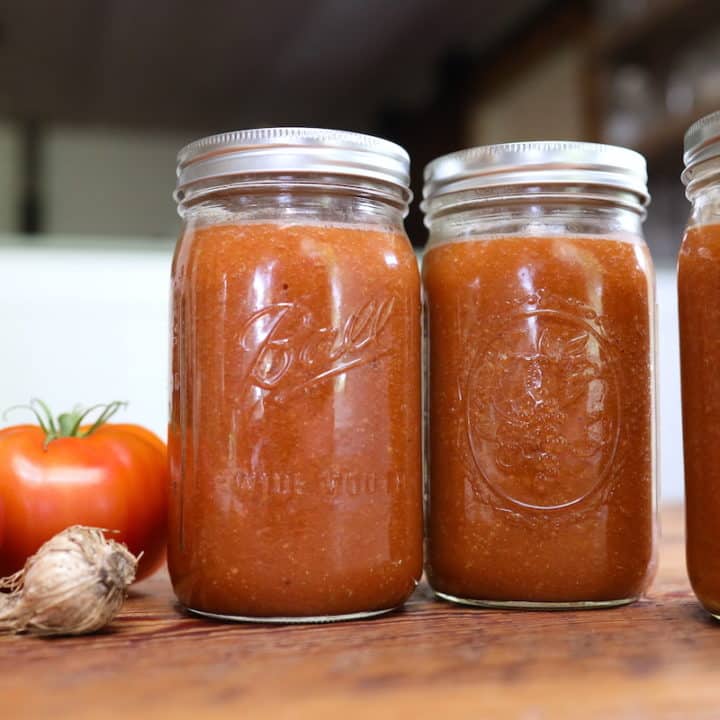
If you’re craving a condiment that won’t spike your numbers, consider exploring the best tomato sauce for diabetics. It’s a flavorful option that fits right into a balanced meal.
RealWorld Stories
Maria, 58, Type2 After adding 1tsp cinnamon to her breakfast and taking 500mg berberine twice daily, her A1C dropped from 8.2% to 6.8% over four months. She still visits her endocrinologist, but the doctor now praises her proactive nutrition strategy.
James, 42, Prediabetic He started the habit of drinking a cup of green tea after lunch and a splash of ACV before dinner. Within three weeks his fasting glucose settled under 100mg/dL, and his next doctors visit confirmed he no longer met prediabetic criteria.
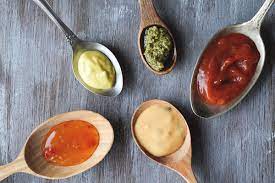
These stories aren’t fairytale miracles; they’re ordinary people who paired small, sustainable changes with the advice of professionals. For those who love sauces, you might also check out which sauce is good for diabetes to keep flavor without the spike.
Getting Started
To keep things simple, try a 7‑day starter plan. Pick one remedy each day, combine it with a balanced meal, and note any changes. Heres a quick template you can copypaste into a notebook or notes app:
- Day1 Cinnamon: Add 1tsp to oatmeal and sip ACV water before lunch.
- Day2 Magnesium: Snack on a handful of almonds and include spinach in dinner.
- Day3 Bitter Gourd: Stirfry cup with garlic; serve over brown rice.
- Day4 Fenugreek: Soak seeds overnight; drink the water in the morning.
- Day5 Apple Cider Vinegar: 1tbsp in water before each main meal.
- Day6 Berberine: Take 500mg with breakfast and dinner.
- Day7 Green Tea: Brew two cups, unsweetened, spread throughout the day.
After the week, look at your glucose log. Which remedy seemed to nudge the numbers the most? That’s your personal starter pack.
Conclusion
The nine natural remedies listed above—cinnamon, magnesium‑rich foods, bitter gourd, fenugreek, apple cider vinegar, berberine, turmeric, fiber‑packed legumes, and green tea—are all backed by research and can be woven seamlessly into everyday meals. Use them as part of a balanced plan, keep an eye on your numbers, and always involve your healthcare team when making changes. Ready to give one a try? Pick a remedy today, track how you feel, and watch the difference it can make in your blood‑sugar story. For those who love a good dip, explore homemade sauces for diabetics for tasty, low‑glycemic options.
FAQs
What are the most effective natural foods for lowering blood sugar?
Foods rich in fiber, magnesium, and polyphenols—such as cinnamon, almonds, spinach, bitter gourd, and green tea—have the strongest research support for gently reducing glucose levels.
How much cinnamon is safe to use each day for glucose control?
One teaspoon (about 4‑5 g) of Ceylon cinnamon per day is generally safe and can improve insulin sensitivity. Avoid exceeding this amount and choose Ceylon over Cassia to limit coumarin exposure.
Can berberine be used instead of my prescription diabetes medication?
Berberine has similar effects to metformin in studies, but it should never replace prescribed drugs without a doctor’s approval. Use it as a complementary supplement under medical supervision.
Are there any side effects of drinking apple cider vinegar for blood sugar?
Excessive ACV can irritate the throat, erode tooth enamel, and cause stomach upset. Dilute one tablespoon in a full cup of water and limit use to 1‑2 times daily.
How quickly can I expect to see changes in my blood sugar after starting these remedies?
Some remedies, like cinnamon or ACV, may begin to affect post‑meal spikes within 30‑60 minutes, while others such as berberine or dietary fiber typically show measurable improvements after a few weeks of consistent use.