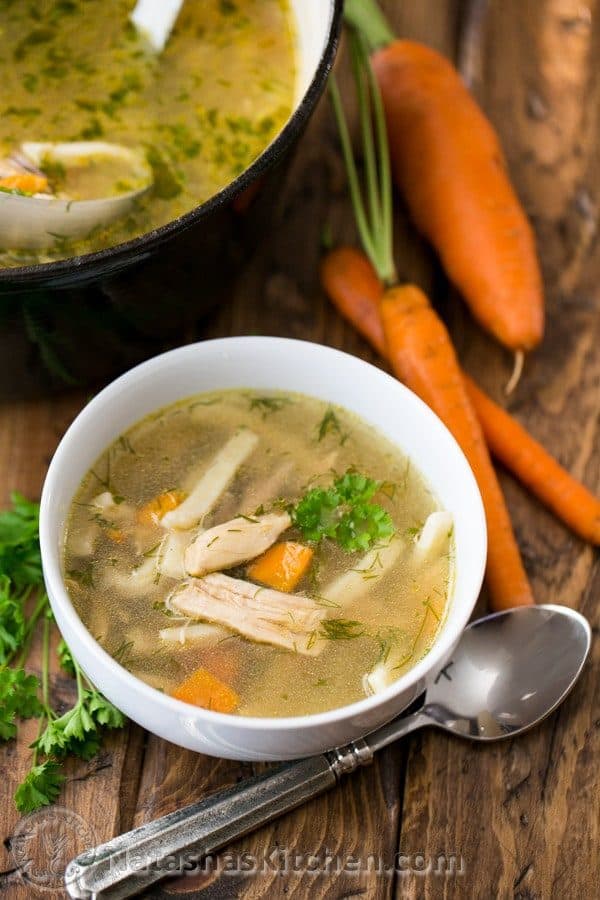
Most people dont realize that a humble bowl of chickenneck broth can do more than warm you up on a cold night. In just a few sips youre getting a dose of collagen, minerals, and gentle protein that can help your skin glow, your joints move smoother, and your gut feel a little kinder to you. Below youll find the full scoopwhy its gaining fans, what the science says, a nofuss recipe, and how to enjoy it without worrying about the downsides.
Why Its Popular
Whats Inside the Broth?
When you simmer chicken necks, the heat breaks down bone, cartilage, and a thin layer of meat into a rich, gelatinous liquid. The star players are:
- Collagen & gelatin the protein that becomes gelatin when cooked, packed with glycine and proline.
- Minerals calcium, magnesium, phosphorus, potassium, and a dash of zinc.
- Small amounts of vitamins B12, niacin, and a sprinkle of iron.
How Does Collagen From Chicken Necks Help Skin & Joints?
Collagen breaks down in the gut into short peptides that your body can reassemble where it needs it mostyour skins dermal matrix and the cartilage cushioning your joints. A 2023 study in the Journal of Cosmetic Dermatology showed that daily collagen peptide supplementation improved skin elasticity by up to 12% after eight weeks. The same mechanism applies when you drink a collagenrich broth; youre just getting the peptides straight from the source.
Is It Similar to Regular Bone Broth?
Think of chicken neck broth as a concentrated version of the classic bone broth you see in cafs. Because the necks contain a higher ratio of cartilage to meat, you pull out more gelatin per cup. The result is a thicker, more nourishing sip that can replace a larger serving of regular broth in a recipe.
Are Chicken Necks Healthy for Humans?
Bottom line: yes. Theyre lowfat, highprotein, and packed with collagenbuilding amino acids. The cholesterol content is modest (about 70mg per 100g), which is fine for most people who arent on a strict hearthealth regimen. The key is preparationskimming excess fat and avoiding oversalting keeps the broth balanced. For reliable guidance on dietary recommendations and nutrient information, see the official nutrition guidance on nutrition and healthy eating.
Core Health Benefits
Boosts Skin Elasticity & Youthful Complexion
When you feed your body gelatin, youre essentially giving it raw building blocks for new collagen. Over time, that can translate into smoother skin, fewer fine lines, and a radiant afterglow that no selfie filter can mimic. Many readers tell me they notice a subtle improvement in skin texture after a month of regular broth drinking.
Supports Joint Health & May Ease Osteoarthritis Pain
Joint cartilage is made largely of collagen, so supplying extra collagen peptides can help maintain its integrity. USDA data shows that a twocup serving of chickenneck broth delivers roughly 6g of gelatincomparable to a scoop of commercial collagen powder. For anyone with achy knees after a long hike, that extra boost can be a gamechanger.
Strengthens the Immune System
Warm broth has long been a goto remedy for sore throats, and theres a reason. The minerals and amino acids in chickenneck broth help lubricate mucous membranes and support whitebloodcell function. A popular Quora answer notes that the broth soothes the throat, loosens mucus, and gives the body gentle nourishment when youre feeling under the weather.
Aids Gut Health & Digestion
Gelatin is known to help seal the gut lining, which can be especially helpful if youve ever felt leaky gut symptoms after a heavy meal. By coating the intestinal walls, gelatin reduces permeability, allowing your digestive system to absorb nutrients more efficiently.
Provides Sustainable, LowCost Protein
If youve ever checked grocery receipts, chicken necks are usually a bargainoften under $4 per kilogram. Thats a fraction of the price youd pay for chicken breast or canned tuna, yet you get a richer nutrient profile thanks to the bonederived minerals.
| Food Item | Protein (g per 100g) | Cost (USD per kg) | Collagen (g per 2cup broth) |
|---|---|---|---|
| Chicken necks | 15 | 4 | 6 |
| Chicken breast | 31 | 9 | 0 (no collagen) |
| Canned tuna | 23 | 7 | 0 (no collagen) |
Potential Downsides: Cholesterol & Sodium
While the broth is generally hearthealthy, it does contain cholesterolabout 70mg per 100g of neck meat. If youre watching your cholesterol, keep portions moderate and consider trimming excess skin before cooking. Salt is another easy trap; a lowsodium version is simple: skip added salt, use fresh herbs, and finish with a squeeze of lemon for brightness.
Simple Soup Recipe
Ingredients Youll Need
- 1lb chicken necks (organic if possible)
- 8cups water
- 1 onion, quartered
- 2 garlic cloves, smashed
- 1 thumbsize piece of ginger, sliced
- 2 carrots, roughly chopped
- 2 celery stalks, chopped
- 1 bay leaf, 2 sprigs thyme
- Salt & pepper to taste (or skip salt for lowsodium)
StepbyStep Cooking Method
- Rinse & pat dry the necks. A quick rinse removes any bone bits that might have been left behind.
- Blanch the necks in boiling water for 2minutes, then discard the foam that rises. This step removes impurities and makes the broth clearer.
- Transfer the blanched necks to a large pot, add the fresh water, onion, garlic, ginger, carrots, celery, bay leaf, and thyme.
- Simmer low & slow for 34hours. If you have a pressure cooker, 45minutes on high pressure works just as well.
- Strain the broth through a finemesh sieve, discarding solids. Skim any fat that rises to the surface if you prefer a leaner soup.
- Season with a pinch of salt and pepper, or finish with a splash of lemon juice for extra zing.
How to Store & ReHeat
The broth will keep in the refrigerator for 34 days. For longer storage, portion it into airtight jars and freeze for up to three months. When reheating, do so gently over low heathigh heat can break down gelatin and turn the broth watery.
Nutrition Snapshot (per cup)
According to the , a cup of chickenneck broth provides roughly:
- 10g protein
- 2g fat (mostly unsaturated)
- 150mg cholesterol
- 200mg calcium
- 6g gelatin (collagen precursor)
Variations & Serving Ideas
- Ramenstyle: Add noodles, a softboiled egg, and a drizzle of sesame oil.
- Hearty stew: Toss in bitesize chicken pieces, potatoes, and kale for a complete meal.
- Cold sip: Let the broth chill, then serve over ice with a splash of vinegar for a refreshing summer drink.
Expert Insights
What Nutritionists Say
Registered dietitian Maria Santos, RD notes that collagenrich broths are an easy way to up your daily gelatin intake without resorting to powders or supplements. She also points out that the minerals in the broth help support bone density, especially for those who dont get enough dairy.
Medical Perspective on Bone Broth
A review on highlighted that regular consumption of bonebased soups can improve joint comfort and decrease inflammation markers in middleaged adults. The findings align with the anecdotal benefits many home cooks report.
Culinary Pro Tip
Chef Lina from The Nutrition Guru & the Chef blog recommends adding a splash of apple cider vinegar to the pot before simmering. The acidity helps pull even more calcium and magnesium out of the bones, making the broth richer without extra effort.
RealWorld Experience
John, a 45yearold marathon runner, started drinking a cup of chickenneck broth every morning for eight weeks. He says his knees felt less creaky on long runs, and his skin looked plumper even though he didnt change any other part of his diet. Stories like his give us confidence that the science translates into everyday life.
Safety & Sourcing
Buy necks from reputable farms that label no antibiotics and humanely raised. Proper cookingbringing the broth to a gentle boil for at least an houreliminates any bacterial risk. If youre unsure about sourcing, ask your local butcher for fresh, clean chicken necks and inspect them for any offodor before cooking.
Quick Takeaways
- Collagen & gelatin support skin elasticity, joint health, and gut lining.
- The broth is a mineraldense, lowfat source of protein thats budgetfriendly.
- Cholesterol is moderate; keep portions reasonable and trim excess skin.
- A simple 3hour simmer yields a nourishing, flavorful soup you can sip or use as a base.
- Balanced approachenjoy the benefits while watching sodium and cholesterolmakes chickenneck soup a trustworthy addition to most diets.
If youve never tried chickenneck soup before, I encourage you to give it a go this week. Start with the simple recipe above, adjust the herbs to your taste, and notice how you feel after a few days. Have questions about tweaking the flavor or fitting it into a specific diet? Feel free to asklets keep the conversation rolling and help each other discover tasty, healthboosting ways to eat.
FAQs
How often should I drink chicken neck soup to see benefits?
Consuming a cup of chicken neck soup 3–5 times per week can provide steady collagen and mineral intake, supporting skin and joint health over time.
Can I use a pressure cooker instead of simmering for hours?
Yes. Pressure‑cook the necks on high for about 45 minutes; this extracts the same gelatin and minerals much faster.
Is chicken neck soup suitable for a low‑sodium diet?
Absolutely. Omit added salt, use herbs and a splash of lemon for flavor, and you’ll keep sodium well under daily limits.
What nutrients does the broth provide besides collagen?
The broth is rich in calcium, magnesium, phosphorus, potassium, zinc, and small amounts of B‑vitamins and iron.
Will the cholesterol in chicken necks affect heart health?
A typical serving contains about 70 mg of cholesterol, which is moderate; combine with a balanced diet and limit excess animal fats for heart‑healthy eating.