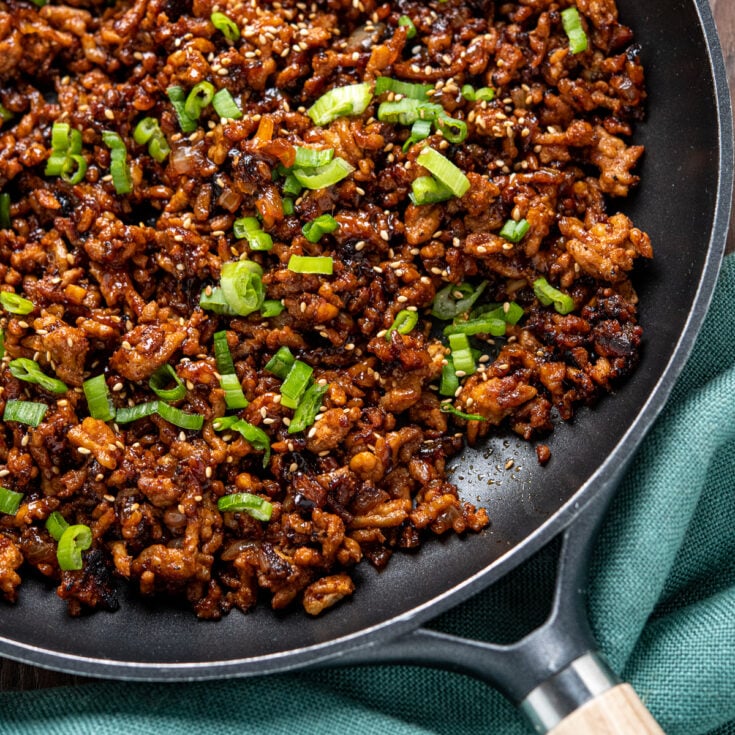
Need a dinner that bursts with flavor, stays under 30 minutes, and keeps the whole family smiling? This Korean ground pork recipe delivers exactly thatthink restaurantstyle bulgogi in a skillet, plus a few playful twists to keep things interesting.
Grab a pound of lean ground pork, a few pantry staples, and follow the stepbystep guide below. Youll end up with a balanced, tasty meal thats perfect for a busy weeknight or a makeahead lunch.
Why This Recipe Works
HealthSmart Choice
Ground pork is leaner than many cuts you might think of for Korean BBQ, offering high protein, iron, and Bvitamins while staying low on carbs when paired with veggies or rice. According to the USDA FoodData Central, a 4oz serving of extralean ground pork contains about 190calories, 22g protein, and just 6g fat.
Speed Meets Flavor
Because pork is already minced, the meat browns quickly, locking in juices. The simple gochujangsoysesame sauce caramelizes in minutes, giving you those sweetspicy notes we all love without any longhour marinating.
Core Ingredients Substitutions
What Youll Need
- 1lb (450g) extralean ground pork
- 1 medium onion, finely diced
- 2cloves garlic, minced
- 1tsp fresh ginger, grated
- 2Tbsp gochujang (Korean redpepper paste)
- 2Tbsp lowsodium soy sauce (or tamari for glutenfree)
- 1Tbsp brown sugar or honey
- 1tsp sesame oil
- 12tsp toasted sesame seeds
- 2green onions, sliced for garnish
Can I Swap the Protein?
Absolutely! Chicken or turkey will keep the dish lean, while beef adds richness. If you try a substitute, reduce cooking time a bitlean meats can dry out quickly.
Ingredient Sourcing Tips
Look for pork labeled extralean or ask your butcher to trim excess fat. Choose lowsodium soy sauce to keep the sodium in check, and consider a glutenfree tamari if you have sensitivities.
StepbyStep Bulgogi
Prep Like a Pro
First, dice the onion as small as possible; tiny pieces will melt into the sauce and sweeten the meat. Mince the garlic and grate the gingerthese aromatics are the backbone of Korean flavor.
Cooking Sequence
- Heat a large skillet over mediumhigh heat. Add the sesame oil and swirl to coat.
- Add the ground pork, breaking it up with a wooden spoon. Let it sit untouched for 12minutes so it gets a nice sear.
- Stir in the onion, garlic, and ginger. Cook until the onion becomes translucent, about 3minutes.
- Pour in the gochujang, soy sauce, and brown sugar. Stir well; the sauce should coat every crumb of pork.
- Reduce heat to medium and let the mixture simmer for another 5minutes, allowing the flavors to meld and the sauce to thicken.
- Finish with a sprinkle of sesame seeds and green onions. Serve over steamed rice, quinoa, or a bed of shredded cabbage for a lowcarb option.
Common Mistakes & Fixes
If the sauce looks watery, increase the heat for a minute and let excess liquid evaporate. Overcooking can make pork dryonce the meat is no longer pink, its done.
Flavor Variations Twists
| Variation | Core Change | Flavor Profile | Ideal Serving |
|---|---|---|---|
| GochujangSpicy Bowls | Add extra gochujang + 1tsp ricevinegar | Fiery, tangy | Jasmine rice + cucumbersesame salad |
| KoreanStyle Pork Meatballs | Form mixture into balls, steam then saut | Mild, juicy | With dipping sauce & rice noodles |
| JapaneseInspired Pork Teriyaki | Swap gochujang for mirin & miso | Sweetumami | Edamame and steamed rice |
| ChineseStyle MaPao Pork | Add doubanjiang & Sichuan peppercorns | Spicynumbing | Steamed bao buns or fried rice |
| Simple OnePot Version | All ingredients in one skillet, no garnish | Easy, nofuss | Perfect for busy weeknights |
Adjust the Heat
Want it milder? Cut the gochujang in half and add a splash of honey. Craving extra fire? Toss in a drizzle of Korean chili oil or a pinch of crushed redpepper flakes.
Storage & Reheating
Cool the cooked pork to room temperature, then store in an airtight container. It keeps 3days in the fridge. When reheating, add a splash of water or broth to revive the sauce, and reheat gently to avoid drying the meat.
Benefits & Risks
Health Perks
Beyond protein, pork supplies zinc and seleniumminerals that support immune function. Pairing with fiberrich veggies balances the meal and helps keep blood sugar steady.
Potential Risks
Processed pork can contain nitrites, and soy sauce adds sodium. Both can be concerns for hearthealthy diets.
Mitigation Tips
- Choose lowsodium soy sauce or dilute it with water.
- Rinse the pork briefly under cold water before cooking to wash off excess blood and reduce sodium absorption.
- Serve with plenty of steamed broccoli, bell peppers, or kimchi for added fiber and probiotics.
Expert Tips Experience
Chef Insight
Chef Minho Lee of Seouls Banchan House says, Never crowd the pancrowding traps steam, and you lose that coveted caramelized crust. A spacious skillet is key to achieving that deep, sweetbrown finish.
HomeCook Story
Last month I made this for a potluck. I kept the spice level low for the kids, and they asked for secondsproof that the dish can please both the adventurous and the picky eaters.
MiniFAQ (Featured Snippet Ready)
Whats the difference between gochujang and chili paste? Gochujang is fermented, giving it a sweetumami depth, while standard chili paste is simply ground peppers and can be much hotter.
Can I freeze cooked ground pork bulgogi? Yesfreeze in ziplock bags for up to 2months. Thaw in the fridge overnight and reheat gently.
How long does the sauce keep in the fridge? The uncooked sauce (gochujang, soy, sugar) lasts about 2weeks when stored in an airtight container.
Trusted Authoritative Sources
Official Nutrition Data
All nutrition facts referenced come from the USDA's FoodData Central, a reliable government database.
Korean Flavor Standards
The Korean Food Promotion Institute outlines traditional ratios for gochujangbased sauces, ensuring authenticity while allowing room for personal tweaks.
Further Reading
If youd like to explore more about Korean cooking foundations, the USDA Agricultural Research Service provides additional ingredient and food composition resources.
PrintReady Recipe Card
Downloadable PDF
Click below to save a printable version of the recipeperfect for hanging on the fridge or taking to the grocery store.
Download Korean Ground Pork Recipe PDF
Quick Checklist
- Ground pork
- Gochujang
- Soy sauce
- Garlic & ginger
- Sesame oil & seeds
- Green onions
Grab those ingredients, follow the steps, and youll have a comforting, spicy bowl thats as satisfying as any restaurant dishjust made in your own kitchen.
Conclusion
With this Korean ground pork recipe you get bold, restaurantquality flavor without the hassle. Whether you stick to the classic bulgogi style or experiment with Japanese teriyaki, Chinese mapao, or a simple quick version, the base technique stays the same: high heat, caramelized sauce, and a balance of sweet, salty, and spicy. Try a variation tonight, share your results with friends, and sign up for more Asianinspired, healthfocused meals that make everyday cooking a joy.
FAQs
What cut of pork is best for this ground pork recipe?
Use extra‑lean ground pork (about 5% fat) for a lean protein source; you can also ask your butcher to trim excess fat.
Can I make this dish without gochujang?
Yes, substitute a mix of Korean chili powder (gochugaru) and a little sweet rice paste or miso to mimic the sweet‑spicy flavor.
How do I keep the pork from drying out?
Cook over high heat briefly to sear, then reduce to medium and finish quickly; avoid overcooking past the point where it’s no longer pink.
Is this recipe suitable for a low‑carb diet?
Absolutely—serve the pork over cauliflower rice, shredded cabbage, or lettuce wraps instead of traditional rice.
Can I freeze the cooked Korean ground pork?
Yes, portion it into airtight containers or freezer bags; it keeps for up to 2 months. Reheat gently with a splash of broth.