Why Jamaican Hard Dough Bread?
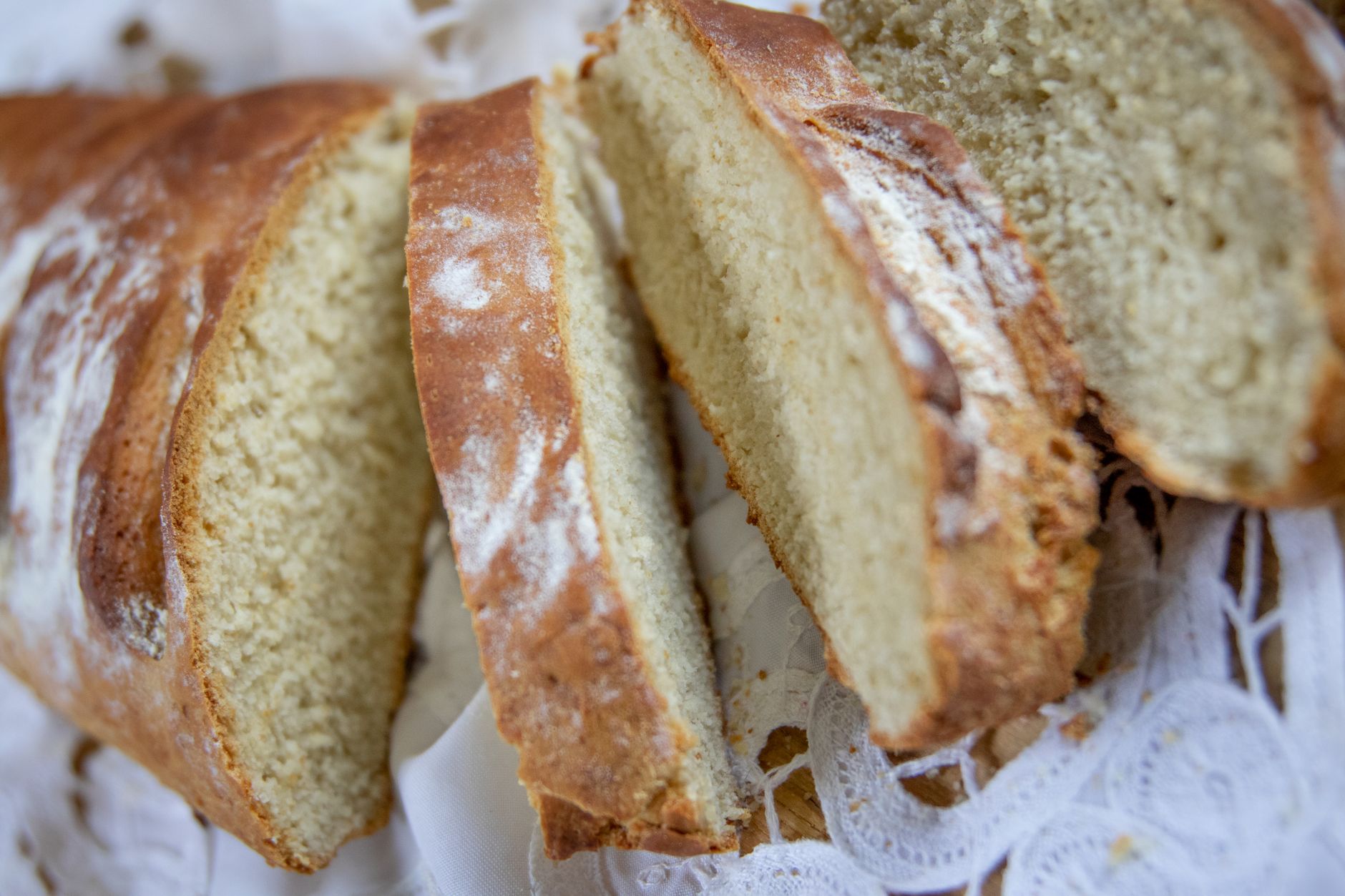
Imagine sinking your teeth into a dense, chewy loaf with a thick, golden crust that holds up to all your favorite fillings. That’s exactly what Jamaican Hard Dough Bread delivers. This bread isn’t just any ordinary loaf—it boasts a rich, buttery flavor and subtle sweetness thanks to the use of evaporated milk. The name "hard dough" refers to its sturdy texture, perfect for making satisfying sandwiches or serving alongside hearty Jamaican stews. Its rustic crumb and slightly chewy bite make every mouthful memorable and comforting.
Health Benefits & Nutrition
While hard dough bread is a rich, indulgent treat, it offers nutritional benefits that can complement a balanced diet. The use of milk and butter adds essential fats and protein, which support satiety and muscle maintenance. Carbohydrates from bread provide a quick source of energy, beneficial for active days. Studies show that whole-grain or enriched flours can supply dietary fiber, aiding digestion and maintaining heart health (Harvard T.H. Chan School of Public Health). Since Jamaican Hard Dough Bread traditionally uses white bread flour, it’s best enjoyed in moderation, especially for those managing blood sugar.
People with dairy allergies should avoid this recipe or seek substitutes like plant-based milk and oils. Those monitoring sodium intake might limit added salt. Pregnant women can safely enjoy this bread as long as it’s freshly baked without additives.
Ingredients & Preparation
Recipe Card
| Prep Time | 30 minutes |
|---|---|
| Total Time | 3 hours 20 minutes (rising and cooling included) |
| Servings | 12 to 14 slices |
| Calories | Approximately 534 per serving |
| Diet Tags | Vegetarian, Contains Dairy, Contains Gluten |
Full Ingredient List
- 5 cups bread flour, plus extra for dusting
- 3 tablespoons granulated sugar
- 1 ½ teaspoons instant dry yeast
- ½ teaspoon kosher salt
- 1 stick (8 tablespoons) salted butter, softened (plus extra for greasing and brushing)
- ½ cup evaporated milk
- 1 ¼ cups warm water (110–120°F)
- Neutral oil (vegetable or canola) for greasing the bowl
Equipment Needed
- Large mixing bowl
- 5-by-9-inch loaf pan
- Kitchen towel or plastic wrap
- Measuring cups and spoons
- Wooden spoon or dough hook attachment (optional)
- Instant-read thermometer (for water temperature)
Tips for Choosing Quality Ingredients
Opt for bread flour rather than all-purpose for better gluten development, which gives that signature chewy texture. Fresh yeast will also improve rise and flavor if you prefer over instant yeast. Use full-fat evaporated milk for richness—avoid low-fat or skim variants to retain that creamy taste. Choose unsalted butter to better control salt levels, or stick with salted if that’s your preference. Always check your yeast’s expiration date to ensure good rise.
Step-by-Step Instructions
Step 1: Combine Dry Ingredients and Incorporate Butter (10 minutes)
Mix 5 cups bread flour, 3 tablespoons sugar, 1 ½ teaspoons instant dry yeast, and ½ teaspoon kosher salt in a large bowl. Use your fingertips to rub in the softened butter until the mixture feels crumbly and no longer powdery.
Step 2: Add Liquids and Knead the Dough (15 minutes)
Combine ½ cup evaporated milk with ½ cup warm water. Pour this liquid into the flour mixture and knead thoroughly. Gradually add another ½ cup water, kneading as you go. Finally, add the last ¼ cup water, continuing to knead until you achieve a soft, slightly sticky dough—about 5 to 7 minutes.
Step 3: First Rise (1 to 1 ½ hours)
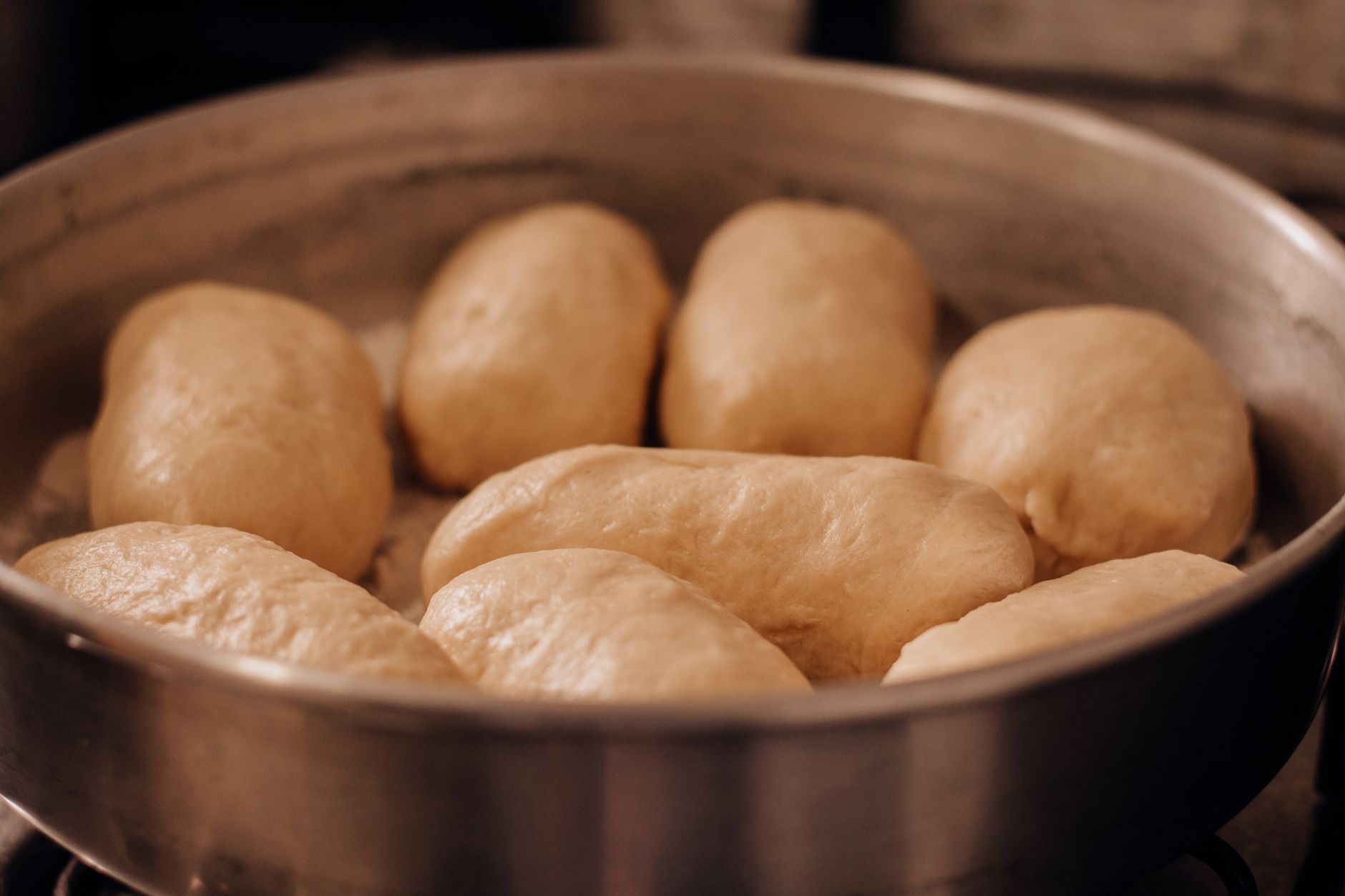
Shape the dough into a ball and lightly oil it. Place the dough in a bowl greased with neutral oil. Cover with a clean kitchen towel or plastic wrap and set in a warm spot until doubled in size and springy to the touch.
Step 4: Shape and Second Rise (30 minutes)
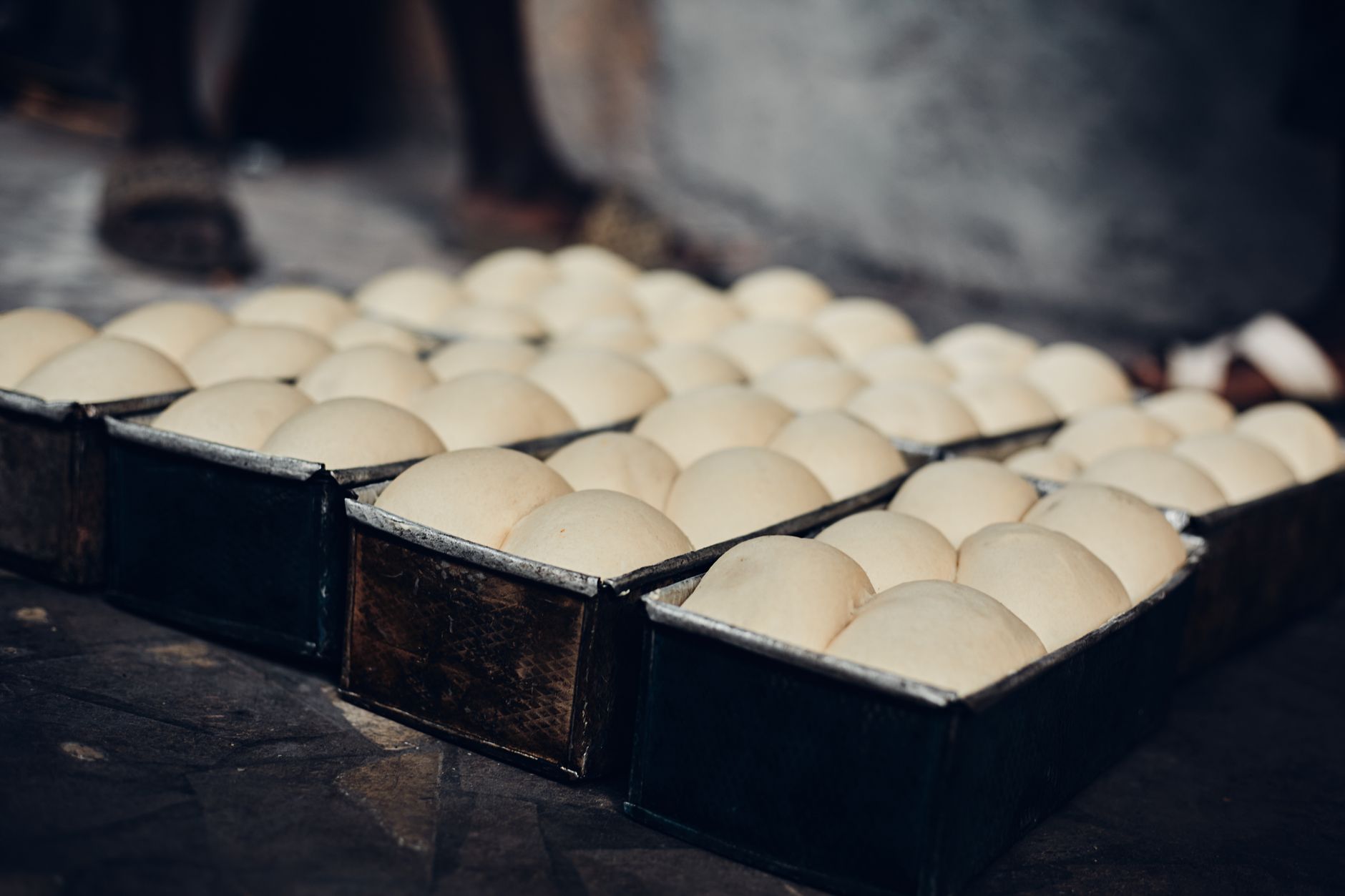
Butter the loaf pan generously. Dust a clean surface with flour, then turn your dough out. Knead for 1 minute to deflate and smooth it. Using your fingertips, flatten to a 15-inch by 8-inch rectangle. Roll tightly from the short side and tuck the ends under. Place the dough seam-side down in the prepared pan. Cover again and let rise until soft—about 30 minutes.
Step 5: Bake the Bread (40 to 50 minutes at 350°F)
Preheat your oven to 350°F. Place the loaf pan in the oven. Bake until the loaf develops a golden crust and a skewer inserted in the center comes out clean. Let cool completely before slicing.
Variations & Substitutions
- Whole Wheat Version: Replace 2 cups of bread flour with whole wheat flour for a nuttier flavor and more fiber.
- Dairy-Free Option: Substitute evaporated milk with coconut milk and swap butter for vegan margarine or coconut oil.
- Sweetened Bread: Add 1 teaspoon cinnamon and increase sugar to ¼ cup to create a subtly spiced loaf perfect for breakfast.
- Seeded Topping: Sprinkle sesame or sunflower seeds on the loaf before baking for extra texture.
Storage & Shelf Life
Store Jamaican Hard Dough Bread tightly wrapped at room temperature for up to 2 days to maintain crustiness. For longer storage, place the loaf or slices in an airtight container or zip-top bag in the refrigerator for up to 5 days. To freeze, wrap the loaf tightly in plastic wrap and foil, then place it in a freezer bag.
When ready to use, thaw at room temperature and reheat in the oven to restore crust. Avoid any bread that has an off smell, mold spots, or staleness beyond a hard crust, as this indicates spoilage.
Pro Tips for Perfect Jamaican Hard Dough Bread
- Use warm (not hot) water to activate the yeast efficiently without killing it.
- Rubbing butter into the flour instead of melting it helps create that unique dense crumb.
- Allow the dough to rise fully in a warm, draft-free spot—consistency here will give you the best texture.
- When shaping the dough, keep tight rolls to avoid air pockets, ensuring a firm loaf.
- Brushing softened butter on the crust right after baking adds extra richness and softness.
When is the best time to eat Jamaican Hard Dough Bread?
Jamaican Hard Dough Bread shines any time of day—perfect for breakfast with jam, as a lunch sandwich base, or alongside a savory dinner stew. Its sturdy texture means it holds fillings well without getting soggy, making it a versatile choice for meals.
Can I use fresh milk instead of evaporated milk?
While fresh milk can work, evaporated milk adds a deeper richness and slightly thicker texture. If substituting fresh milk, use the same quantity but expect a lighter crumb and less buttery flavor.
How can I tell if my bread is fully baked?
Insert a skewer or bread thermometer into the center. It should come out clean or register an internal temperature around 190°F (88°C). The crust will be golden and slightly firm to the touch.
Is this bread suitable for sandwiches?
Absolutely. The dense and chewy texture of Jamaican Hard Dough Bread makes it ideal for sandwiches. It holds up well against hearty fillings like jerk chicken or fried plantain without falling apart.
Can I make this bread by hand or do I need a stand mixer?
You can definitely make this bread by hand. Kneading may take a bit more elbow grease, but it helps you feel the dough’s texture develop. A stand mixer with a dough hook just speeds up the process.
How do I keep the crust from becoming too hard?
Brushing the loaf with butter immediately after baking helps soften the crust. You can also wrap the bread in a clean towel while it cools to retain moisture.
Can I add herbs or spices to the dough?
Yes! Adding finely chopped fresh herbs like thyme or spices like cinnamon and nutmeg in small amounts can add a wonderful twist to the traditional flavor without overpowering the bread.
More Recipes You Will Love
If you enjoy hearty Jamaican staples like this bread, try pairing it with a savory pot of Mannish water recipe 1919464. This rich, spicy soup complements the dense bread perfectly.
For a delicious protein-rich side, serve The juiciest meat balls ever recipe 1946133 alongside your sandwiches made with this flavorful bread.
Conclusion
Jamaican Hard Dough Bread is a wonderfully rich, dense loaf that brings authentic Caribbean flavor to your dinner table. Its unique texture and buttery, slightly sweet taste make it incredibly versatile for sandwiches, spreading, or simply enjoying alongside stew. This satisfying bread invites you to explore a taste tradition that’s both hearty and comforting. If you try the recipe, share your experience or ask questions below—we’d love to hear about your baking journey!
FAQs
When is the best time to eat Jamaican Hard Dough Bread?
The best time to eat Jamaican Hard Dough Bread is during meals when you want a hearty, filling bread that complements stews, soups, or sandwiches. It’s perfect for dinner but also great for breakfast or as a snack with jam or butter.
Can Jamaican Hard Dough Bread be made without evaporated milk?
Yes, you can substitute evaporated milk with whole milk or a plant-based milk alternative, but evaporated milk adds extra richness and a touch of sweetness that is traditional and key to its characteristic flavor and texture.
How long does Jamaican Hard Dough Bread stay fresh?
Jamaican Hard Dough Bread stays fresh for about 2 to 3 days at room temperature when stored in a bread box or sealed container. For longer storage, keep it in the refrigerator or freeze it to maintain freshness.
Is Jamaican Hard Dough Bread suitable for people with dairy allergies?
No, the traditional recipe contains evaporated milk and butter, which are dairy products. People with dairy allergies should substitute these ingredients with plant-based milk and oils to make it safe to consume.
What makes Jamaican Hard Dough Bread different from regular white bread?
Jamaican Hard Dough Bread is denser and chewier with a thicker, sturdier crust compared to regular white bread. It uses evaporated milk and more butter, giving it a richer flavor and heartier texture ideal for robust sandwiches and meals.