Why Lemon Chess Pie Is a Fabulous Dessert Choice
The golden crust meets a creamy, tangy filling that practically melts in your mouth—this is the magic of lemon chess pie. Originating from Southern kitchens, this dessert stands out with its delicate balance of sweet and zesty. Its smooth texture and vibrant lemon aroma make every bite irresistible. The Lemon Chess Pie recipe offers a simple yet elegant dessert that’s perfect for special occasions or cozy family dinners. With this recipe, you’ll capture the essence of homemade comfort layered with subtle citrus brightness, ideal for anyone craving that nostalgic touch with a fresh twist.
Health Benefits & Nutrition
While lemon chess pie is an indulgent treat, it brings a handful of nutritional benefits you might not expect. First, the lemon juice and zest provide vitamin C, an antioxidant that supports immune function and skin health (National Institutes of Health). Second, eggs and butter contribute essential protein and healthy fats needed for energy and cell repair. Third, cornmeal adds a slight boost of dietary fiber, which aids digestion. However, due to its sugar and fat content, it’s best enjoyed in moderation, especially for those managing cholesterol or on calorie-restricted diets. Pregnant individuals should opt for pasteurized eggs to reduce any risk of foodborne illness.
Ingredients & Preparation
Recipe Card
| Prep Time | 15 minutes |
|---|---|
| Cook Time | 45 minutes |
| Total Time | 1 hour |
| Servings | 8 to 10 |
| Calories per Serving | Approx. 417 |
| Diet Tags | Vegetarian |
Full Ingredient List
- 2 cups granulated sugar
- 1 tablespoon all-purpose flour
- 1 tablespoon fine yellow cornmeal
- 4 large eggs
- 1/4 cup whole milk
- 1/4 cup unsalted butter, melted
- 2 tablespoons finely grated lemon rind (zest)
- 1/3 cup freshly squeezed lemon juice (with pulp)
- One 9-inch unbaked pie shell
- 1 cup heavy cream, whipped (for serving)
Equipment Needed
- Mixing bowls (large and medium)
- Whisk or hand mixer
- Measuring cups and spoons
- 9-inch pie dish
- Oven
- Foil for crust covering
- Spatula
Tips for Choosing Quality Ingredients
- Use fresh, organic lemons for vibrant zest and juice with the best flavor profile.
- Choose a pre-made pie shell made with real butter or make your own for a crisp, flaky crust.
- Select large, fresh eggs for creamier texture and richer taste.
- Melt unsalted butter gently to maintain its smooth richness without burning.
- Opt for heavy cream that’s at least 36% fat for the perfect whipped topping texture.
Step-by-Step Instructions
Step 1: Prepare the Filling Mixture (10 minutes)
Preheat your oven to 375°F (190°C). In a large mixing bowl, combine 2 cups of granulated sugar, 1 tablespoon of flour, and 1 tablespoon of fine yellow cornmeal. Whisk these dry ingredients thoroughly until evenly blended.
Step 2: Add Wet Ingredients (5 minutes)
Crack 4 large eggs into the dry mix, whisking well for about 30 seconds to fully incorporate. Pour in 1/4 cup of whole milk and mix smoothly. Then, slowly add the melted butter, ensuring it is cool enough not to cook the eggs as you stir. Stir in 2 tablespoons of grated lemon rind and 1/3 cup of fresh lemon juice with pulp for bright, tangy flavor.
Step 3: Pour Into Crust and Prepare for Baking (5 minutes)
Carefully pour the silky lemon filling into the unbaked 9-inch pie shell. Cover the edges with aluminum foil to protect the crust from burning. Make sure the foil does not touch the filling to avoid sticking.
Step 4: Bake the Pie (45 minutes)
Bake the pie at 375°F for 45 minutes. Remove the foil after 30 minutes to allow the crust edges to brown evenly. The filling should be set but slightly jiggly in the center when done.
Step 5: Cool and Serve
Allow the pie to cool completely at room temperature. Refrigerate if preferred overnight, but before serving, let it return to room temperature for about 3 hours. Serve with generous dollops of freshly whipped cream for a luscious finish.

Variations & Substitutions
- Gluten-Free Crust: Swap the traditional pie shell with a gluten-free crust made from almond flour or gluten-free flour blends.
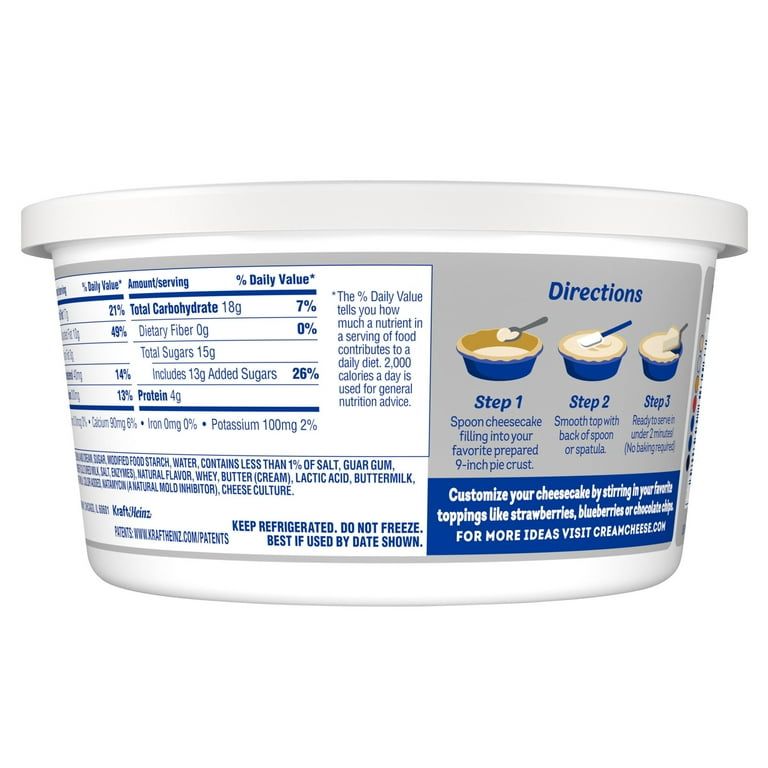
- Cream Cheese Addition: Mix 4 ounces of softened cream cheese into the filling for a richer texture and tangier bite.
- Honey-Sweetened: Replace sugar with 1 1/2 cups honey for a floral sweetness that enhances lemon notes. Reduce baking temperature to 350°F to prevent burning.
- Non-Dairy Version: Use coconut milk instead of regular milk and a vegan butter substitute to make this pie dairy-free. Whip canned coconut cream to replace heavy cream topping.
Storage & Shelf Life
Store lemon chess pie in the refrigerator, covered loosely with foil or plastic wrap, for up to 4 days to maintain flavor and texture. Avoid airtight containers that can trap moisture and make the crust soggy.
For longer storage, wrap the pie tightly in plastic wrap followed by aluminum foil and freeze for up to 2 months. Thaw overnight in the fridge before letting it rest at room temperature for 3 hours prior to serving.
Signs of spoilage include sour smell, discoloration in filling, or crust becoming overly wet or moldy. Discard if any of these occur.
Pro Tips for Perfect Lemon Chess Pie
- Gradual Mixing: Add melted butter slowly into eggs and dry ingredients to prevent curdling and ensure a smooth filling.
- Protect Your Crust: Use foil or a pie shield around the edges to avoid over-browning or burning during baking.
- Zesting Technique: Grate only the yellow part of the lemon rind; the white pith is bitter and can affect flavor balance.
- Whipped Cream Stability: Chill your mixing bowl and beaters before whipping cream to achieve a thicker, longer-lasting topping.
- Prevent Cracking: If your pie cracks slightly on top, don’t worry—it’s natural. To minimize cracks, avoid overbaking and cool the pie gradually.
When is the best time to eat Lemon Chess Pie Recipe?
Lemon chess pie is best served slightly chilled at room temperature, especially after sitting out for 2 to 3 hours post refrigeration. This allows the filling to soften and the flavors to fully develop, providing a creamy, luscious bite that’s neither too firm nor too runny.
Can I make the pie crust from scratch?
Absolutely! A homemade pie crust made with butter, flour, salt, and cold water will add a flaky, buttery layer complementing the tart filling beautifully. For the best results, chill the dough before rolling it into the pan.
Is fresh lemon juice essential, or can I use bottled lemon juice?
Fresh lemon juice is highly recommended for its bright, natural flavor and vibrant acidity. Bottled lemon juice often has preservatives and a muted flavor that may dull the pie’s uplifting tang.
Can I prepare this pie ahead of time?
Yes, you can make lemon chess pie a day in advance. Refrigerate it overnight and bring it to room temperature before serving. This resting time helps set the flavors for a richer, more balanced taste.
How do I prevent the pie crust from becoming soggy?
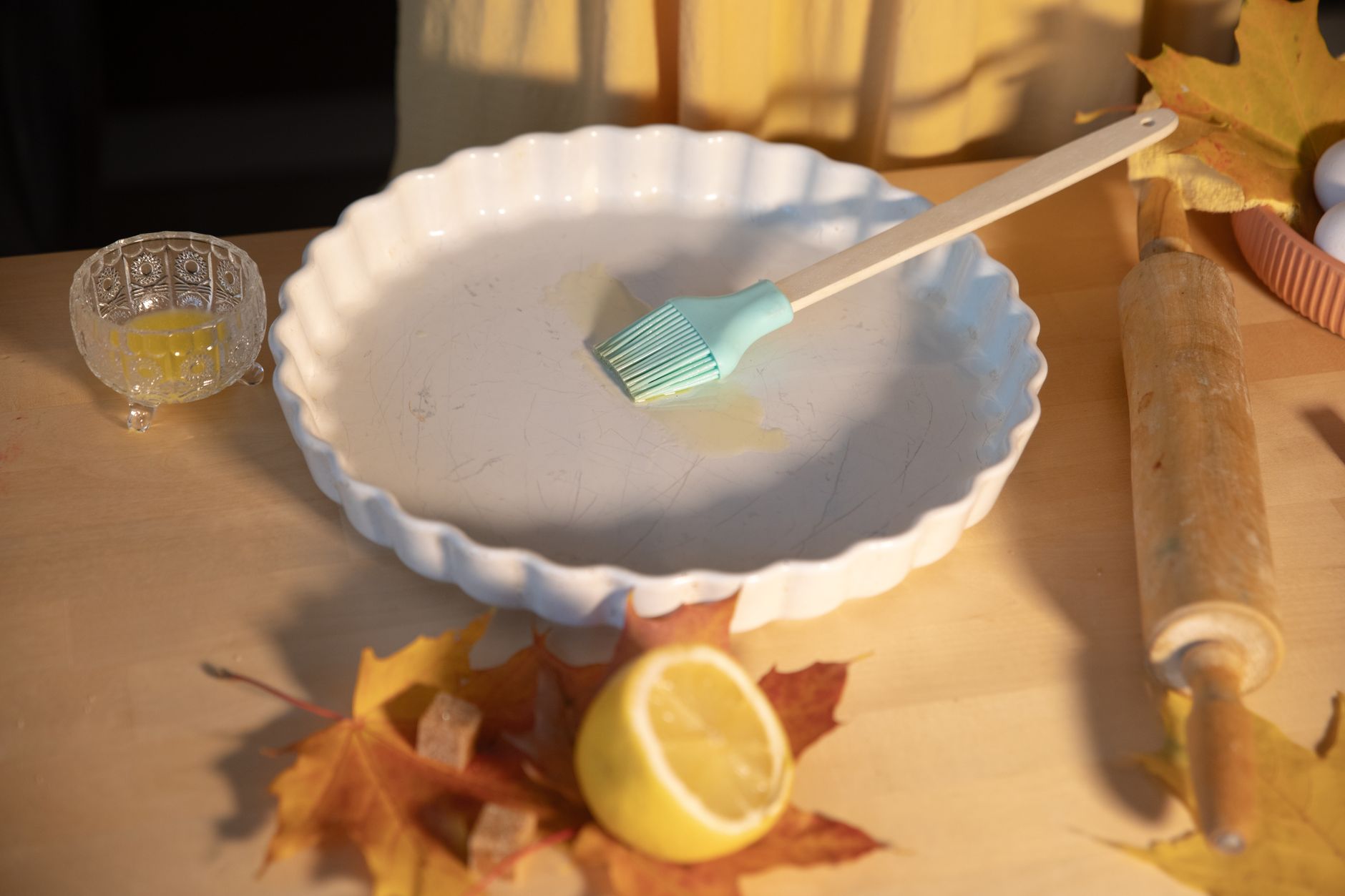
Shield the pie crust edges with foil during baking and avoid filling the crust hours before baking. You can also brush the crust with a thin layer of beaten egg white before filling to create a barrier that keeps it crisp.
What’s the best way to whip cream for topping?
Chill your mixing tools and cream, then whip on medium-high speed until soft peaks form. For firmer peaks, continue whipping but avoid overbeating, which causes curdling and graininess.
Is cornmeal necessary in this recipe?
Cornmeal adds a subtle texture and helps set the custard-like filling by absorbing some moisture. While not mandatory, it’s a key ingredient that lends authenticity and body to lemon chess pie.

More Recipes You Will Love
If you enjoy the tangy richness of lemon chess pie, you might also love a Blueberry cheesecake recipe easy. It marries creamy texture with bursts of fresh blueberry sweetness. Another fantastic option is the 4 ingredient cheesecake without condensed milk, which offers simplicity without compromising smoothness and flavor.
Conclusion
The Lemon Chess Pie recipe is a timeless Southern dessert that brings together a crisp crust and creamy, tangy filling in perfect harmony. Its bright lemon notes and simple ingredients combine to make a crowd-pleasing treat that’s both comforting and refreshing. Whether you’re new to baking or a seasoned cook, this pie offers a delightful experience worth sharing. Feel free to leave a comment below if you try the recipe or want to share your favorite variations—we love hearing from you!
FAQs
When is the best time to eat Lemon Chess Pie Recipe?
Lemon Chess Pie is best enjoyed as a dessert after meals, especially during spring and summer when fresh lemons are abundant. It's also perfect for holidays, family gatherings, or whenever you want a sweet and tangy treat to finish your day.
Can I make Lemon Chess Pie Recipe ahead of time?
Yes, Lemon Chess Pie can be made a day in advance. Chill it in the refrigerator to allow the flavors to meld and the filling to set properly. Serve it cold or at room temperature for the best taste and texture.
Is Lemon Chess Pie Recipe gluten-free?
Traditional Lemon Chess Pie uses a regular pie crust that contains gluten. To make it gluten-free, substitute the crust with a gluten-free pie shell or crust alternative while keeping the filling the same.
What is the difference between Lemon Chess Pie and Lemon Meringue Pie?
Lemon Chess Pie features a thick, custardy filling without the airy meringue topping found on Lemon Meringue Pie. Chess Pie is denser and simpler, relying on cornmeal and eggs, while Lemon Meringue Pie is lighter with fluffy toasted meringue on top.
Can I substitute ingredients in the Lemon Chess Pie Recipe?
Some substitutions are possible, such as using low-fat milk instead of whole milk or a homemade crust instead of store-bought. However, altering key ingredients like eggs, lemon juice, or cornmeal may change the texture and flavor significantly.