Why Irish Guinness Brown Bread is So Irresistible
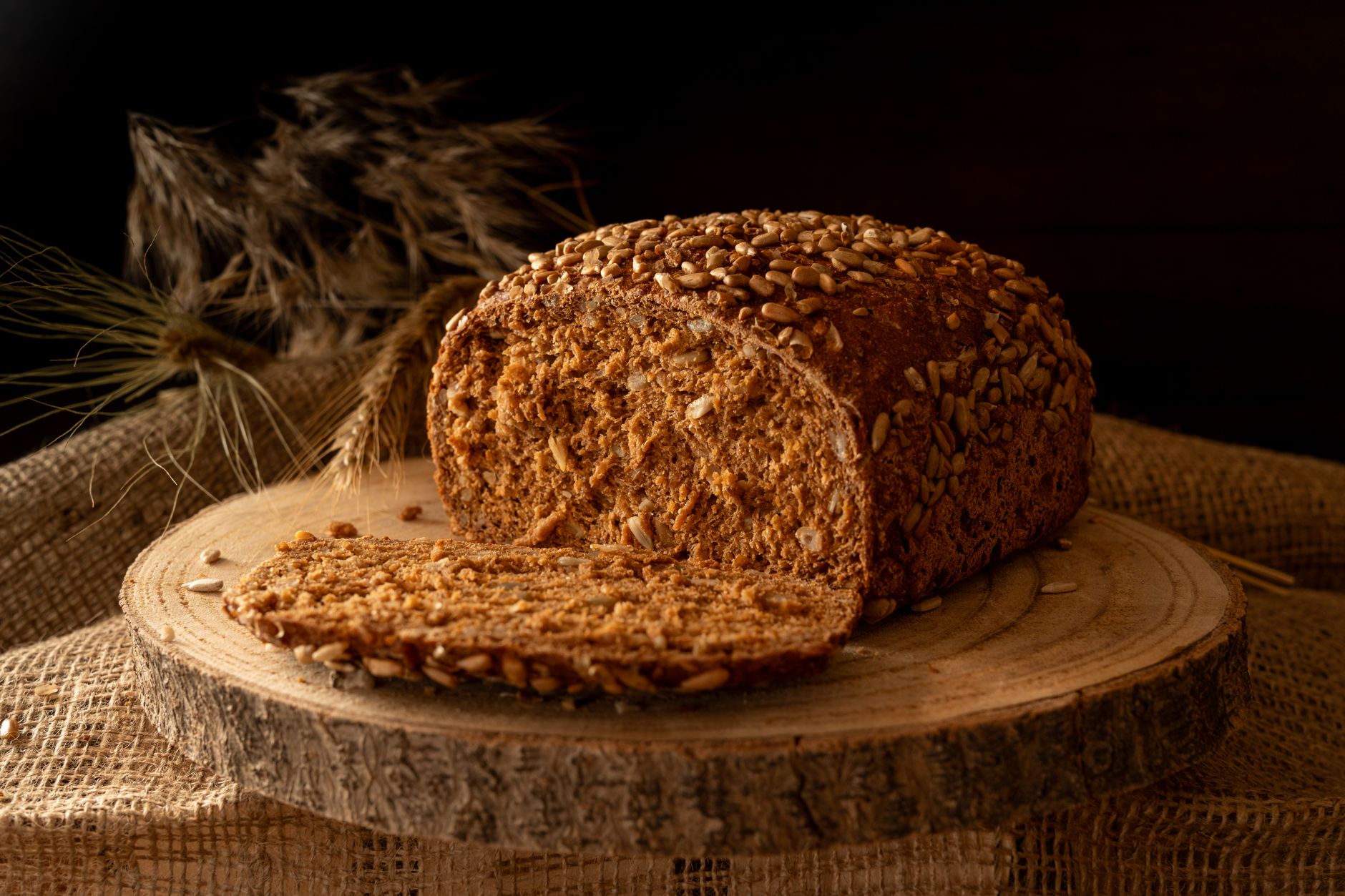
There’s something enchanting about the aroma of freshly baked Irish Guinness Brown Bread wafting through the kitchen—a rich, malty scent with hints of toasted oats and a slightly sweet tang. This bread isn’t just a treat for the taste buds; it’s a comforting slice of Irish tradition. Infused with the distinctive flavor of Guinness stout, it combines deep, earthiness with moist crumb and a crispy, golden crust. The hearty texture and subtle sweetness make it perfect for breakfast, sandwiches, or alongside bowls of stew. When you bake this bread, it invites you to experience the warmth and history of Irish baking in every bite.
Health Benefits & Nutrition of Irish Guinness Brown Bread
Irish Guinness Brown Bread offers more than just great taste; it provides some notable nutritional benefits. Whole wheat flour and oats pack this loaf with fiber, aiding digestion and helping to maintain steady blood sugar levels. According to research published in the Journal of Nutrition, dietary fiber supports heart health by reducing cholesterol levels. The bread’s moderate sugar content comes mainly from natural brown sugar, lending a touch of sweetness without overwhelming your diet.
Guinness adds a unique twist—not only flavor but also antioxidants, as dark beers contain polyphenols which may contribute to cardiovascular well-being when consumed moderately. However, if you’re pregnant or sensitive to gluten or alcohol, it’s best to enjoy this bread in moderation or seek alternatives, as the recipe includes beer and wheat-based flours which can trigger allergies or intolerances.
Ingredients & Preparation
Recipe Card
| Prep Time | Total Time | Servings | Calories (per slice) | Diet Tags |
|---|---|---|---|---|
| 15 minutes | 1 hour 30 minutes | 10 slices | 294 kcal | Vegetarian |
Full Ingredient List
- 1 cup quick-cooking oats (not instant), plus extra for sprinkling
- 2 1/4 cups whole wheat flour
- 1/4 cup all-purpose flour
- 1/2 cup lightly packed dark brown sugar
- 2 1/4 teaspoons baking soda
- 1 teaspoon baking powder
- 2 teaspoons kosher salt
- 1 bottle (11 to 12 ounces) Guinness extra stout beer, room temperature
- 1 cup buttermilk, shaken
- 5 tablespoons unsalted butter, melted, plus extra for greasing
- 1 teaspoon pure vanilla extract
- Salted butter for serving
Equipment Needed
- Large mixing bowl
- Small bowl (for wet ingredients)
- 9x5x2 1/2-inch loaf pan
- Whisk
- Measuring cups and spoons
- Cooling rack
Tips for Choosing Quality Ingredients
Select whole wheat flour that is freshly milled and has a rich, nutty aroma for the best flavor. When picking oats, avoid instant varieties, as quick-cooking oats hold a better texture during baking. Choose a good-quality Guinness stout—it’s vital for authentic flavor, so don’t substitute with lighter beers. Use fresh buttermilk and unsalted butter to control saltiness and moisture. For brown sugar, opt for dark brown rather than light to deepen the caramel notes in the bread.
Step-by-Step Instructions
Step 1: Preheat and Prepare Your Oven
Set your oven to 450°F (232°C). Grease your 9x5x2 1/2-inch loaf pan with melted butter to ensure an easy release after baking. This step takes about 10 minutes and is essential for a perfect golden crust.
Step 2: Combine Dry Ingredients
In a large bowl, mix 1 cup oats, whole wheat flour, all-purpose flour, brown sugar, baking soda, baking powder, and salt. Stir until evenly blended. This dry mix forms the base of your Irish Guinness Brown Bread and ensures a balanced rise and texture. Should take about 5 minutes.
Step 3: Prepare the Wet Ingredients
In a separate bowl, whisk together the entire bottle of Guinness, buttermilk, melted butter, and vanilla extract until smooth. These wet ingredients bring moisture and the signature malty flavor to your loaf. This step takes around 3 minutes.
Step 4: Combine Wet and Dry Mixtures
Create a well in the center of the dry ingredients, then pour in the wet mixture. Using your fingers or a wooden spoon, stir gently from the center outwards until everything is just combined. The batter should resemble a thick cake batter—not dough. Avoid overmixing to keep the bread tender. Spend about 3 minutes here.
Step 5: Bake at the Right Temperature
Pour the batter into your buttered pan, smoothing the top. Sprinkle extra oats on the surface for texture and rustic appeal. Place the pan into the preheated oven. Immediately reduce the temperature to 400°F (204°C) and bake for 45 minutes. The bread is done when a toothpick inserted in the center comes out clean, and the crust is deep golden. Allow cooling for at least 30 minutes on a rack.
Variations & Substitutions
Feel free to customize this Irish Guinness Brown Bread in several ways:
- Gluten-Free Version: Replace whole wheat and all-purpose flour with a gluten-free baking blend. Add xanthan gum as directed by your flour package for structure.
- Vegan Adaptation: Use a non-dairy buttermilk substitute (like almond milk with a splash of lemon juice) and plant-based butter or oil.
- Add Nuts or Seeds: Toss in ½ cup chopped walnuts, sunflower seeds, or pumpkin seeds for extra crunch and nutrition.
- Spiced Variation: Incorporate 1 teaspoon ground cinnamon or mixed spice for a warm, aromatic twist.
Storage & Shelf Life
Store your Irish Guinness Brown Bread tightly wrapped in plastic wrap or in an airtight container. At room temperature, it will stay fresh for up to 2 days. Refrigerating extends freshness up to 5 days but may dry the bread slightly, so warm slices before serving.
For longer storage, slice and freeze the bread in a freezer-safe bag for up to 3 months. Thaw slices at room temperature or toast them directly from frozen.
Signs of spoilage include a sour smell, visible mold, or an overly dry and crumbly texture. Discard any bread that looks or smells off.
Pro Tips for Perfect Texture and Flavor
- Use room temperature Guinness and buttermilk so the batter mixes evenly, preventing lumps.
- Don’t overmix the batter; a few lumps are fine and help keep the crumb tender.
- Brush your loaf pan generously with melted butter and sprinkle oats on top to create a beautiful crust and subtle crunch.
- Cool the bread completely on a rack to set the crumb before slicing for clean cuts without squashing.
- For an extra moist loaf, try adding a tablespoon of honey or molasses into the wet ingredients.
When is the best time to eat Irish Guinness Brown Bread?
Irish Guinness Brown Bread is incredibly versatile, so the best time to enjoy it is whenever you want a comforting, flavorful slice. It’s perfect fresh out of the oven with butter for breakfast or as a hearty side with dinner. This bread also pairs well with cheese or as the base for an open-faced sandwich any time of day.
Can I use a different beer instead of Guinness?
While Guinness imparts unique malty and roasted notes essential to this bread, you can substitute with other dark stouts or porters. Avoid light beers as they won’t provide the same depth of flavor.
What’s the difference between quick bread and traditional yeast bread?
Quick breads like this rely on baking soda and baking powder for rising, so they don’t require time to proof. Yeast breads need fermentation time but have a chewier texture. Irish Guinness Brown Bread is faster and easier to make.
Is this bread suitable for vegetarians and vegans?
The recipe is vegetarian but contains dairy and beer. To make it vegan, swap buttermilk with plant-based milk and use vegan butter or oil.
How do I keep the bread moist if baking ahead?
Store wrapped in a clean kitchen towel inside an airtight container to retain moisture. Reheat slices gently in a toaster or oven before serving.
Can I add dried fruit to this bread?
Yes! Adding ½ cup of raisins or chopped dried apricots can add a pleasant sweetness and extra texture. Fold them into the batter just before pouring into the pan.
Why is the bread dense instead of light?
This bread naturally has a dense, hearty crumb due to the whole wheat flour, oats, and beer. That’s part of its charm, offering a satisfying chew and robust flavor.
Can I make Irish Guinness Brown Bread without buttermilk?
If you don’t have buttermilk on hand, mix 1 cup of milk with 1 tablespoon of lemon juice or white vinegar. Let it sit for 5 minutes before using to mimic buttermilk’s acidity.

More Recipes You Will Love
If you adore the rustic charm of Irish baking, don’t miss our Irish guinness brown bread 4718331 for a slightly different take on this classic. For a complimentary tangy crunch, try our Quick pickled sweet cucumbers recipe 1925227, perfect for snacking alongside your bread-based meals. Both recipes capture the essence of easy homemade goodness with minimal fuss.

Conclusion
Irish Guinness Brown Bread combines rich malty flavors and wholesome grain textures into a delightful loaf you can bake quickly and enjoy anytime. Its crispy crust and tender crumb make it a versatile addition to your kitchen repertoire. Whether you’re sharing it with friends or savoring it with butter yourself, this bread brings a little piece of Ireland right to your table. Feel free to try the variations and let us know how you personalize your loaf. Your thoughts and ratings are always welcome to help others discover this delicious recipe!
FAQs
When is the best time to eat Irish Guinness Brown Bread?
Irish Guinness Brown Bread is perfect for any time of the day. Enjoy it warm at breakfast with butter, use it for sandwiches at lunch, or serve it as a hearty side with dinner stews. Its rich texture suits both casual meals and special occasions.
Can I substitute Guinness beer with another type of beer?
For authentic flavor, it’s best to use Guinness stout as it provides a distinctive malty depth. Lighter beers will alter the taste and texture, resulting in less richness and a lighter crumb. If avoiding alcohol, consider non-alcoholic stout alternatives.
Is Irish Guinness Brown Bread suitable for vegetarians?
Yes, this bread is vegetarian-friendly since it contains no animal products aside from dairy like butter and buttermilk. It’s a great option for those following a vegetarian diet who want a robust, flavorful bread.
How should I store Irish Guinness Brown Bread?
Store the bread wrapped in foil or in an airtight container at room temperature for up to three days. For longer storage, refrigerate wrapped tightly or freeze slices to maintain moisture and freshness.
Can I make this bread gluten-free?
This recipe uses whole wheat and all-purpose flours, so it’s not gluten-free. To make a gluten-free version, you would need to use a gluten-free flour blend and ensure your baking soda and other ingredients are gluten-free certified, but the texture and rise may differ.