Introduction
Indian vegetable side dishes bring vibrant colors and rich aromas to your meals. Each recipe bursts with authentic Indian spices for vegetables that infuse simple produce with warmth and depth. These healthy Indian vegetable dishes fit naturally into any diet, offering satisfying vegan Indian side dishes that elevate everyday dinners. Whether you want quick sauted Indian vegetable recipes or more traditional options, these dishes add variety and nutrition with ease.
Key Highlights
The First Indian Vegetable Side Dish Recipe Experience
Indian vegetable side dishes stand out for their bold yet balanced flavors. Turmeric, cumin, and mustard seeds create a golden, earthy aroma that awakens the senses. These easy Indian vegetable sides provide layers of taste without complicated techniques. With straightforward preparation, you can enjoy authentic Indian vegetable side dish recipes any day of the week.
Flavorful Spices and Health Benefits
The magic lies in how spices like turmeric and coriander brighten each vegetables natural sweetness. Turmeric adds anti-inflammatory benefits, while cumin supports digestion. Together, these spices create an irresistible base for sauted Indian vegetable recipes youll want to make regularly.
Versatile and Nutritious
These dishes complement everything from flavorful dals to grilled meats. They also satisfy as stand-alone vegan Indian side dishes. Use them to round out lunches or dinners, adding fiber, vitamins, and a pop of color to your plate.
Adjusting for Sensitive Stomachs
Indian spices for vegetables sometimes challenge those with spice sensitivity. Chili powder and mustard seeds can be reduced or omitted without losing depth. This flexibility allows everyone to enjoy healthy Indian vegetable dishes without discomfort.
Ingredients & Preparation
| Prep time | Cook time | Total time | Servings | Calories | Diet tags |
|---|---|---|---|---|---|
| 15 mins | 20 mins | 35 mins | 4 | 150 (approx.) | Vegan, Gluten-Free, Dairy-Free |
Full Ingredient List with Substitutions
- 2 cups cauliflower florets (swap with broccoli if preferred)
- 1 cup diced potatoes (sub sweet potatoes for a sweeter twist)
- 1 medium onion, finely chopped
- 2 cloves garlic, minced
- 1 tsp cumin seeds (or tsp ground cumin)
- 1 tsp turmeric powder
- tsp mustard seeds (optional)
- tsp chili powder (adjust to taste)
- 1 tbsp vegetable or coconut oil
- Salt to taste
- Fresh coriander leaves for garnish
Substitutions: Use olive oil for a lighter flavor. Carrots or peas also work well instead of potatoes. Fresh ginger adds warmth if youd like.
Equipment Needed
A sturdy non-stick skillet or heavy-bottomed pan ensures even sauting. A sharp knife and cutting board speed prep. Covering the pan with a lid traps steam for tender vegetables.
Choosing the Best Ingredients
Pick fresh, firm vegetables without blemishes. Organic cauliflower and potatoes help reduce pesticide residues. Whole cumin seeds and mustard seeds release richer fragrance than pre-ground spices.
Step-by-Step Instructions
Step 1 Prepare Vegetables
Rinse the cauliflower and potatoes thoroughly. Cut cauliflower into bite-sized florets. Peel and dice potatoes uniformly so they cook evenly. Finely chop the onion to ensure smooth cooking.
Step 2 Saut Spices and Aromatics
Heat oil over medium heat in your skillet. Add mustard and cumin seeds, letting them crackle for about 30 seconds. Add chopped onions and garlic, sauting for 3 minutes until translucent and fragrant.
Step 3 Cook Vegetables with Spices
Sprinkle turmeric and chili powder into the pan, stirring well for 15 seconds. Add cauliflower and potatoes. Mix to coat all pieces in spices. Cover and simmer on low for 15 minutes, stirring gently every 5 minutes.
Step 4 Garnish and Store
Remove from heat and season with salt. Sprinkle fresh coriander on top. Serve immediately for best texture or allow to cool and store in an airtight container.
Variations & Substitutions
Flavor Variations to Try
Add garam masala toward the end for a deeper, sweeter aroma. Toss in curry leaves during sauting for a distinct South Indian flair. Use coconut milk for creamy textures in a fragrant twist.
Swapping Ingredients
Green beans or peas work beautifully as substitutes for potatoes, yielding a lighter dish. Fresh ginger adds a bright bite while ground ginger suits pantry staples. Play with whats available for endless combinations.
Adjusting Spice Levels
Lower or omit chili powder if you prefer mild flavors. Mustard seeds can be skipped if the pungency is too strong. A squeeze of lemon juice balances any bitterness with a refreshing tang.
Storage & Shelf Life
Refrigerator Storage
Transfer leftovers to an airtight glass container. Keep refrigerated at 40F (4C) for 45 days. Reheat gently over low heat to preserve moisture and flavor.
Freezer Storage
Freeze portions in airtight containers or bags for up to 2 months. Defrost overnight in the fridge before reheating. Avoid refreezing to maintain texture and taste.
Make-Ahead and Scaling Tips
Prepare double or triple batches in a wide pan for even cooking. Spread out to cool quickly before refrigeration. Label containers with date and contents for easy meal prep.
Pro Tips & Troubleshooting
Prevent Staining
Turmeric can stain hands and utensils easily. Wearing gloves during prep helps keep your skin clean. Avoid plastic cutting boards as they can absorb color.
Extract Maximum Flavor
Always toast whole cumin and mustard seeds until crackling to release their oils. This step deeply enhances aroma and flavor in all sauted Indian vegetable recipes.
Balance Bitterness
If the dish tastes bitter, its often due to overcooked garlic or excess raw chili. Reduce cooking time or chili quantity next time. A small pinch of sugar or a quick squeeze of lemon juice brightens dish balance.
Expert Upgrade
Add freshly cracked black pepper along with turmeric to boost curcumin absorption, enhancing health benefits according to a 2023 study in the Journal of Nutritional Biochemistry.
When is the best time to eat Indian vegetable side dishes?
These side dishes are perfect for lunch and dinner. Their bold flavors complement main courses beautifully, whether freshly cooked or reheated as leftovers. Enjoy shortly after preparation for peak aroma.
Can I make a big batch ahead of time?
Absolutely. Indian vegetable side dishes store well refrigerated for 45 days and freeze up to 2 months. Preparing ahead adds convenience for busy meal planning.
Fresh spices or powder which is better?
Whole spices provide a more vibrant, deeper flavor but require toasting. Powdered spices save time but lose potency faster. For authentic taste, fresh whole spices with toasting are recommended.
Is this safe for pregnant women, kids, or people on medication?
Generally safe in moderate amounts. Reduce or omit chilies for kids or sensitive individuals. Those on medication should consult a doctor if concerned about spice interactions.
How often can I have these side dishes?
Indian vegetable sides can be enjoyed daily as part of a balanced diet. Using a variety of vegetables ensures diverse nutrition and keeps meals interesting.
Why does my dish taste bitter?
Bitterness often comes from over-toasting spices or too much raw chili. Adjust cooking time and spice quantities for a smoother, sweeter finish.
What pairs well with Indian vegetable side dishes?
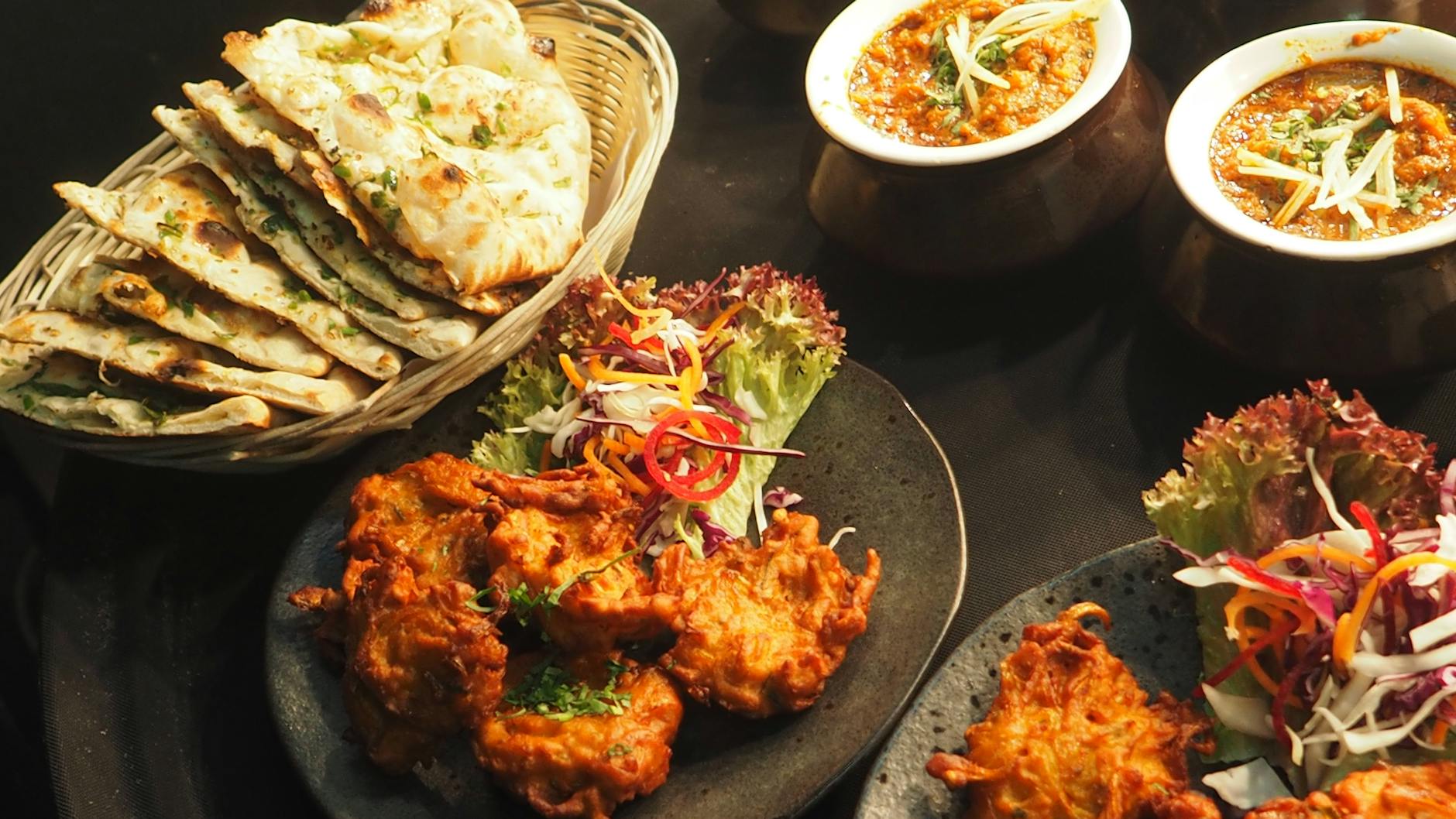
Serve alongside dal, rice, naan, or grilled meats. A side of cooling yogurt or raita perfectly balances spicy heat and adds creaminess.

More Recipes You Will Love
Easy Indian Lentil Dal A Protein-Packed Complement
This simple dal recipe pairs beautifully with Indian vegetable sides, creating wholesome, nourishing meals. Its hearty texture and warming spices will become a staple in your kitchen.
Vegan Indian Curry Bowls for a Flavorful Lunch
Discover vibrant vegan curry bowls that bring bold spices straight to your plate. Theyre an excellent choice if you love the rich flavors of Indian cuisine with plant-based protein.
Conclusion
Indian vegetable side dishes offer an inviting mix of authentic flavors and nutrition. These easy, authentic recipes bring color and aroma to your table. Try your hand at these dishes and explore the unique joys of healthy Indian vegetable dishes every day. Share your thoughts or rate your favorite recipe below, and for something deliciously different, check out our indian vegetable recipes easy for more inspiration.
FAQs
When is the best time to eat indian vegetable side dishes?
Indian vegetable side dishes are perfect for lunch and dinner. Their bold flavors complement main courses and work well freshly cooked or reheated. For the best aroma and texture, enjoy them shortly after preparation.
Can I make a big batch of indian vegetable side dishes ahead of time?
Yes, these dishes store well refrigerated for up to 45 days and can be frozen for up to 2 months. Making larger batches saves time and is convenient for meal planning.
Which is better for indian vegetable side dishes: fresh whole spices or powder?
Whole spices, when toasted, provide deeper and more vibrant flavors. Powdered spices are quicker to use but lose potency faster. For authentic taste, whole toasted spices are recommended.
Are indian vegetable side dishes safe for pregnant women, kids, or those on medication?
Generally, these dishes are safe in moderate amounts. Reduce or omit chili for children or sensitive individuals. People on medication should consult a doctor if concerned about spice interactions.
What dishes pair well with indian vegetable side dishes?
Indian vegetable side dishes pair excellently with dal, rice, naan, or grilled meats. A cooling yogurt or raita side also balances spicy heat and adds creaminess to the meal.