Looking for quick, tasty Indian vegetable dishes that actually satisfy your cravings? Below you’ll find the best‑tested recipes, a readymade list of classics, and the know‑how to pick the healthiest options all in one place.
Why Pick Veg Dishes
Health benefits you’ll love
Indian vegetable dishes are a natural source of fiber, plant‑based protein, and essential micronutrients like vitamin C, iron, and folate. A study from the Indian Council of Medical Research shows that regular consumption of veggies such as spinach, cauliflower, and pumpkin can improve gut health and lower cholesterol. Plus, the spice‑turmeric, cumin, mustard seed‑carry anti‑inflammatory properties that turn a simple dinner into a wellness boost.
Risks and pitfalls to avoid
Everything’s good in moderation, right? Overspicing, heavy use of ghee, or deep‑frying can turn a light dish into a calorie bomb. Watch out for hidden allergens like peanuts in certain chutneys, and remember that fresher is usually better—old produce loses nutrients fast.
Choosing Right Ingredients
Must‑have vegetables
Here’s my go‑to veggie pantry:
- Cauliflower – the star of Aloo Gobi
- Okra – perfect for Bhindi Masala
- Eggplant – essential for Baingan Bharta
- Spinach – adds iron to any curry
- Potatoes – the humble filler that ties flavors together
Spices that make magic
Don’t let the spice rack scare you. Start with these basics:
- Cumin seeds
- Mustard seeds
- Turmeric powder
- Garam masala
- Red chili powder (adjust to your heat tolerance)
Freshly ground spices release more aroma, so give them a quick toast in a hot pan before adding liquid.
Prep shortcuts
Time‑crunched? Try these tricks:
- Blanch hardy veggies (cauliflower, carrots) for 2‑3 minutes, then shock in ice water. This keeps them bright and crisp.
- Dry‑roast spices in a skillet; the scent will fill your kitchen instantly.
- Store precut mixes in zip‑lock bags; they stay fresh for up to 5 days.
Quick Dish List
Top 10 Indian Vegetable Dishes
| Dish | Main Veg | Prep Time | Difficulty |
|---|---|---|---|
| Aloo Gobi | Potato & Cauliflower | 30 min | Easy |
| Bhindi Masala | Okra | 25 min | Easy |
| Baingan Bharta | Eggplant | 35 min | Medium |
| Paneer‑Capsicum | Paneer & Bell Pepper | 20 min | Easy |
| Palak Paneer | Spinach & Paneer | 30 min | Medium |
| Chana Masala | Chickpeas | 40 min | Medium |
| Mixed Vegetable Sabzi | Assorted Veg | 25 min | Easy |
| Vegetable Korma | Carrot, Peas, Potato | 35 min | Medium |
| Masoor Dal | Lentils | 30 min | Easy |
| Veg Pulao | Rice & Mixed Veg | 30 min | Easy |
Expanded top 20 Indian vegetarian dishes
If you’re feeling adventurous, here’s a quick glance at the next ten crowd‑pleasers (no table needed, just a snackable list):
- Dal Makhani
- Paneer Tikka
- Rajma (Kidney Bean Curry)
- Vegetable Biryani
- Saag Aloo
- Gobi Manchurian
- Malai Kofta
- Chole Bhature (vegetarian version)
- Aloo Matar
- Moong Sprout Stir‑Fry
Traditional Favorites
Iconic dishes you must try
These recipes have travelled generations, from Delhi’s street stalls to your family dinner table:
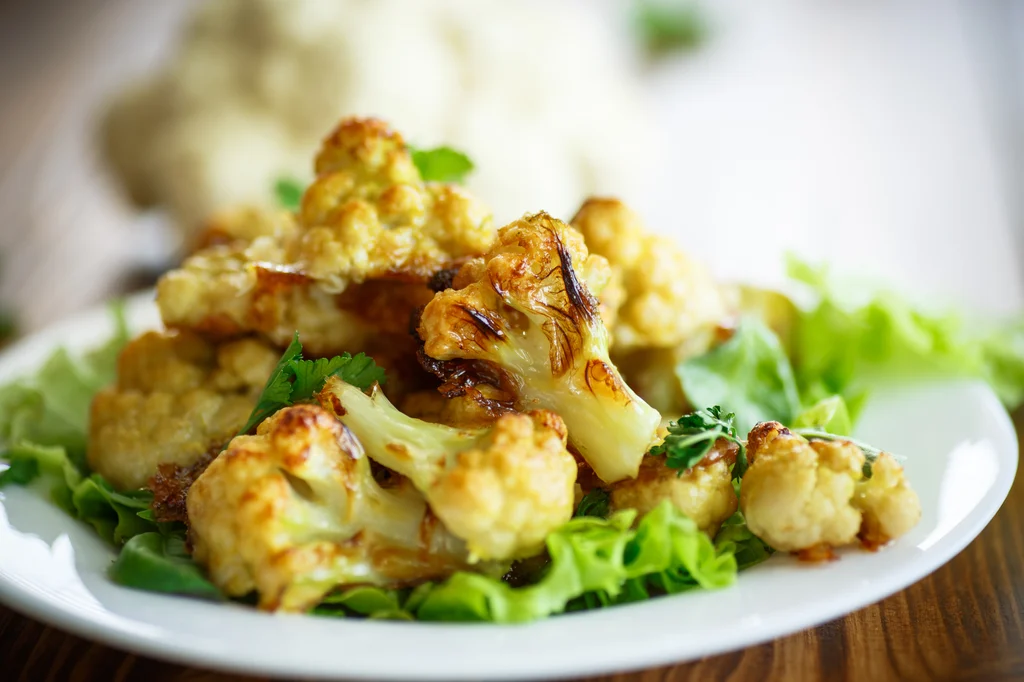
- Aloo Gobi – a golden blend of potatoes and cauliflower spiced with turmeric and cumin.
- Baingan Bharta – smoky roasted eggplant mashed with tomatoes and onions.
- Bhindi Masala – crisp okra tossed in mustard seed tempering.
- Paneer‑Capsicum – paneer cubes sautéed with bell peppers, a perfect balance of sweet and savory.
Authentic cooking tips
To keep the flavor genuine, follow these simple rules:
- Use a heavy‑bottomed pan (cast iron works wonders) to prevent burning.
- Don’t rush the tadka (tempering). Let the spices sizzle until fragrant before mixing in the vegetables.
- Finish with a splash of fresh lemon juice; it brightens every curry.
Regional twists you’ll love
North vs. South Indian styles differ mainly in the base:
- North Indian dishes often feature a tomato‑onion gravy seasoned with garam masala.
- South Indian versions may replace tomatoes with coconut milk or tamarind for a tangy, creamy finish.
Easy Weeknight Recipes
Ready in 30 minutes or less
When the clock is ticking, these five go‑to dishes save the day:
- Quick Mixed Vegetable Sabzi – toss chopped carrots, beans, and peas in a hot pan with cumin and a pinch of salt.
- One‑Pot Veg Kheema – crumble tofu, add peas, tomatoes, and a dash of garam masala.
- Pav Bhaji (simplified) – mash canned beans, onion, and capsicum, then stir‑fry with bhaji masala.
- Fast Spinach Dal – simmer lentils with spinach, turmeric, and a temper of mustard seeds.
- Instant Paneer‑Capsicum – cube paneer, stir‑fry with bell pepper, chili flakes, and a squeeze of lemon.
Meal‑prep friendly dinner ideas
Planning ahead? Cook a big batch of Masoor Dal and Mixed Vegetable Sabzi. Store them in separate containers; reheat with a splash of water to revive the texture. Both keep well for up to four days in the fridge, and they freeze nicely for up to two months.
Side Dish Pairings
Perfect companions for your thali
A balanced Indian meal isn’t just the main curry—side dishes bring texture and contrast. Try these classic Indian vegetable side dishes:
- Cucumber Raita – cools the palate after a spicy bite.
- Pickled Carrots – adds a sweet‑tangy crunch.
- Coconut Chutney – especially lovely with South Indian items.
- Simple Stir‑Fry Beans – a quick, crunchy side.
Balancing flavors like a pro
Think of a thali as a color palette. You need a sweet note (maybe a carrot‑raita), a sour touch (pickle), a salty component (the main curry), and a hint of bitterness (saag). This flavor wheel ensures every bite feels complete.
Cooking Techniques
Sauté, steam, or roast?
Choosing the right method can change a dish from bland to brilliant. Here’s a quick decision tree:
- Use sauté when you want a caramelized edge (e.g., bhindi masala).
- Opt for steam if you’re preserving delicate nutrients (e.g., steamed pumpkin cubes).
- Choose roast for smoky depth (e.g., baingan bharta).
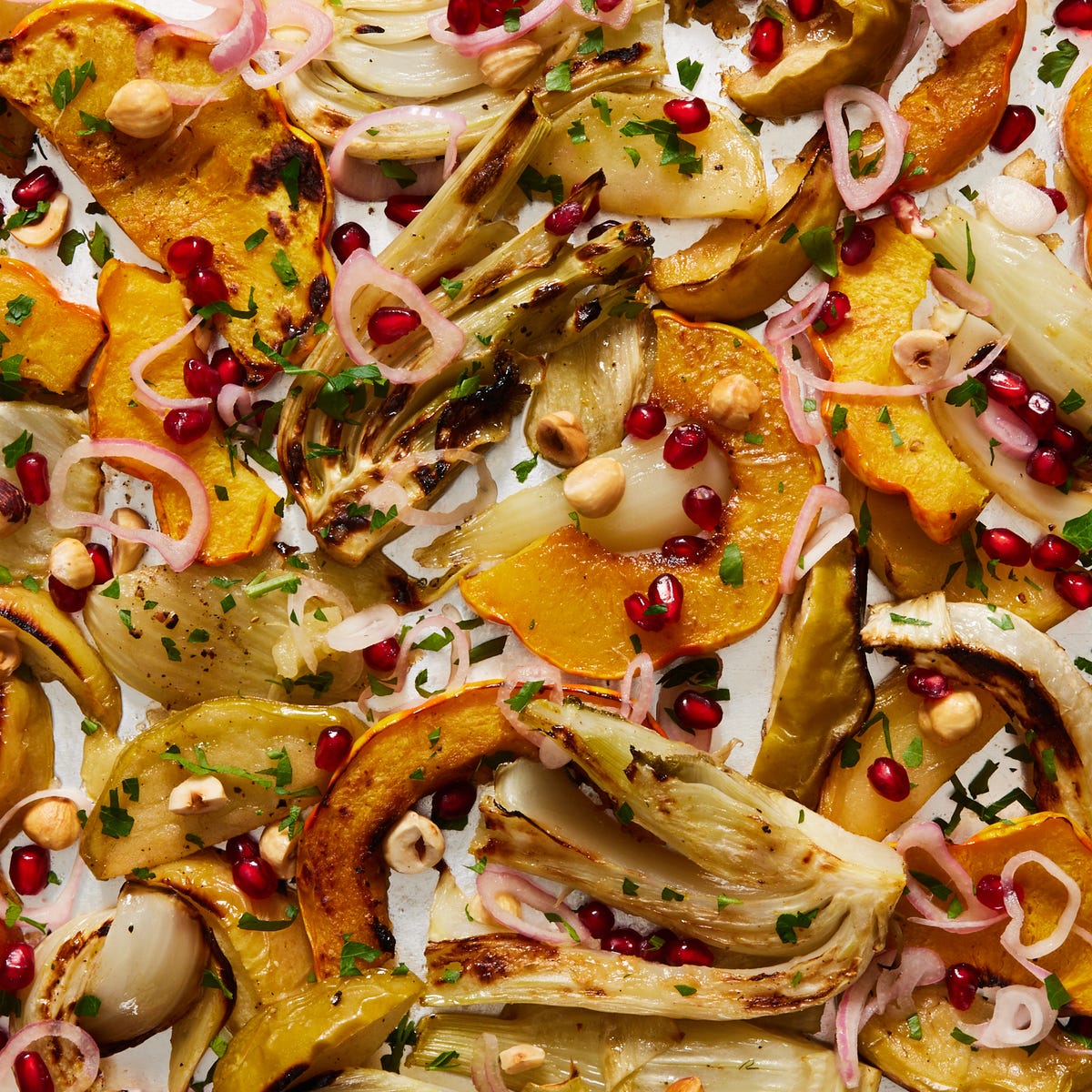
For a quick, mess‑free side, try vegetables in foil in oven – just toss chopped vegetables with oil and spices, seal in foil, and bake until tender.
Mastering the tadka
The tadka is the soul of many Indian dishes. Heat a tablespoon of oil, add mustard seeds until they pop, then toss in cumin, dried red chilies, and a pinch of asafoetida. Once fragrant, pour it over your cooked vegetables. It’s a tiny step that delivers a massive flavor punch.
Common mistakes & quick fixes
- Overcooking veggies – they turn mushy. Keep a watchful eye; most vegetables need just a few minutes on high heat.
- Watery gravies – finish with a splash of cream or a handful of cashew paste to thicken.
- Too bland – finish with a pinch of kala‑namak (black salt) for an unexpected umami boost.
Final Thoughts
Indian vegetable dishes give you a playground of flavors, textures, and health benefits—all without needing a culinary degree. Whether you’re hunting for a quick weekday dinner, a traditional feast for guests, or a nutrient‑rich side to accompany your favorite dal, there’s a recipe here that fits the bill.
Pick one dish from the list, give it a whirl, and notice how a sprinkle of fresh lemon at the end transforms everything. I’d love to hear which recipe becomes your new favorite—share your stories, ask questions, or let me know how you tweaked the spices to suit your palate. Happy cooking, and may every bite bring you a little more joy!
FAQs
What are the healthiest Indian vegetable dishes?
Spinach‑based dishes like Palak Paneer, roasted cauliflower in Aloo Gobi, and lentil‑rich Dal Makhani provide iron, protein, and fiber while keeping calories low.
How can I reduce oil in Indian veg recipes?
Use a non‑stick pan, sauté spices in a splash of water or broth, and finish dishes with a drizzle of lemon juice instead of extra ghee.
Can I make these recipes vegan?
Yes—swap paneer for tofu or tempeh, replace dairy cream with coconut milk or cashew paste, and keep the spices unchanged.
What is a “tadka” and why is it important?
A tadka (tempering) is a quick fry of whole spices in hot oil; it releases volatile oils that add a deep, aromatic flavor to any vegetable curry.
How long can cooked Indian vegetable dishes be stored?
Most cooked veg curries keep 3‑4 days in the refrigerator and freeze well for up to two months. Reheat gently with a splash of water to restore texture.