Introduction
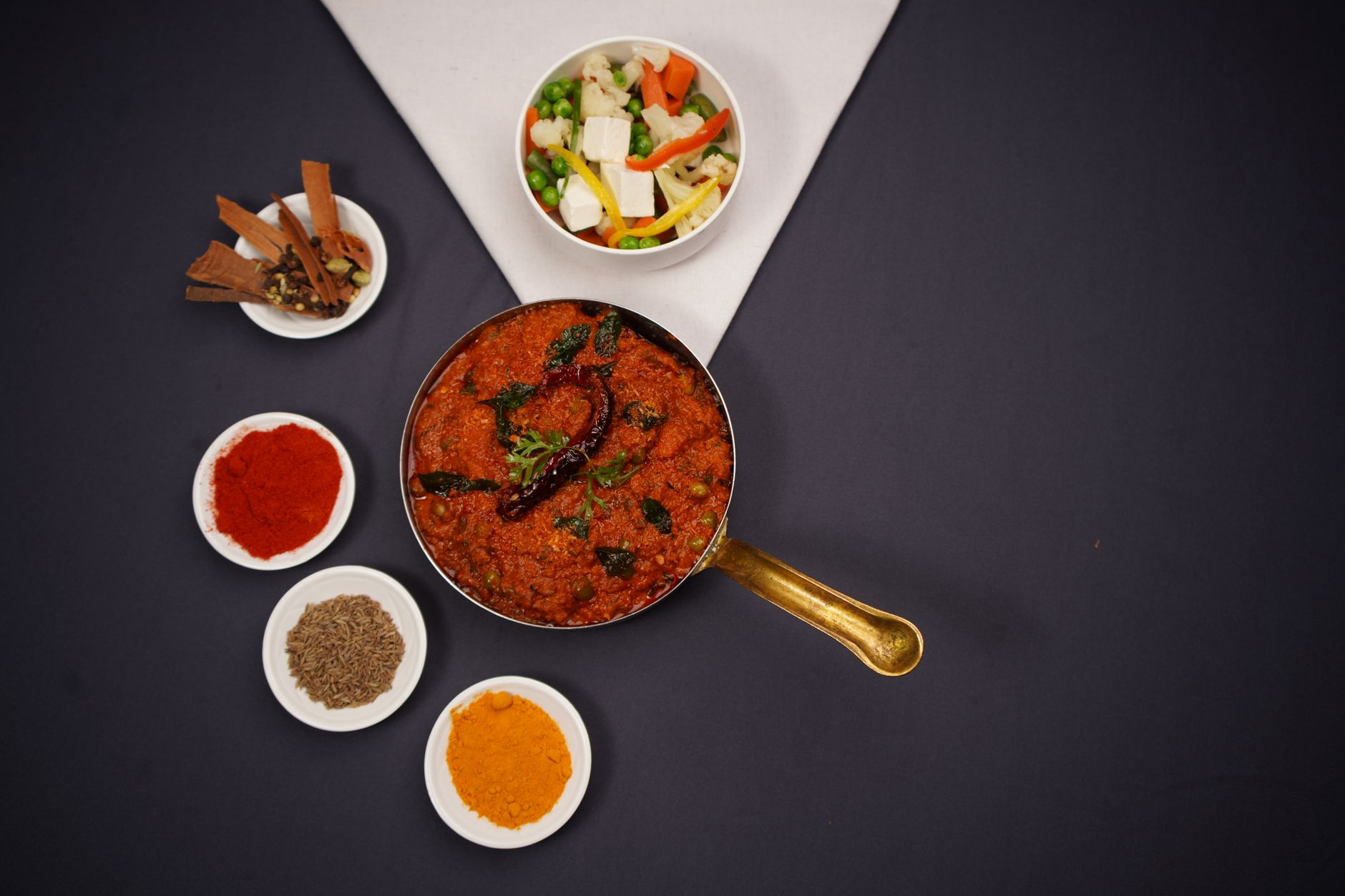
Indian vegetable curry fills your kitchen with the golden aroma of fresh spices and colorful mixed vegetables. This easy indian vegetable curry recipe combines vibrant turmeric, cumin, and coriander with wholesome veggies like carrots, peas, and potatoes. Its a healthy, comforting dish packed with flavor and nutrients that you can make using a simple stovetop curry cooking method.
Whether you want a vegan indian vegetable curry or a gluten-free option, this recipe adapts nicely. The taste is vibrant without overwhelming heat, making it perfect for sharing with family or friends. Ready for a homemade curry spice mix that sings? Lets get cooking!
Key Highlights
The power of turmeric and spices
Turmerics earthy-yellow hue and active compound curcumin are famous for both taste and health. According to a 2023 study in the Journal of Nutritional Biochemistry, curcumins absorption increases dramatically when paired with black pepper. This recipe maximizes that by adding freshly ground spices and whole cumin seeds, enhancing flavor and wellness benefits.
Energizing and nutrient-dense vegetables
A blend of mixed vegetables for curry provides antioxidants, fiber, and essential vitamins. Carrots add sweetness and beta-carotene. Peas contribute protein and vitamin C, while potatoes bring hearty comfort. Together, they create a balance of textures, from tender florets to creamy bites.
Caution for sensitive digestion
Spices like chili powder and fresh ginger add warmth but may cause discomfort for sensitive stomachs. Adjust chili levels or omit if needed. If youre new to spicy food or have digestive issues, test small portions first or consult a healthcare professional.
Ingredients & Preparation
| Prep time | Total time | Servings | Calories | Diet tags |
|---|---|---|---|---|
| 15 mins | 45 mins | 4 | ~250 per serving | Vegan, Gluten-Free, Dairy-Free |
Ingredient list
- 1 tbsp oil (vegetable or coconut)
- 1 tsp cumin seeds
- 1 large onion, finely chopped
- 3 garlic cloves, minced (substitute garlic powder if unavailable)
- 1-inch piece fresh ginger, grated (or 1/2 tsp ground ginger)
- 2 tomatoes, chopped (or 1/2 cup canned tomato)
- 2 cups mixed vegetables for curry (carrots, peas, potatoes, cauliflower)
- 1 tsp turmeric powder
- 1 tsp coriander powder
- 1/2 tsp chili powder (adjust for heat preference)
- 1 tsp garam masala
- Salt to taste
- 1 cup water or vegetable broth
- Fresh cilantro for garnish
Equipment needed
Use a heavy-bottomed stovetop pan or pot for even cooking. A chopping board and a wooden or silicone spatula work best for stirring. No blender or food processor needed for this stovetop curry cooking method.
Tips for selecting fresh spices and vegetables
Choose firm, brightly colored vegetables without bruises. Fresh cumin seeds and whole spices yield more aroma when toasted than pre-ground options. Organic vegetables enhance the flavor but are not essential.
Step-by-Step Instructions
Step 1 Prep vegetables and aromatics
Wash and chop the mixed vegetables for curry into bite-sized pieces for even cooking. Peel and finely chop the onion. Mince garlic cloves and grate fresh ginger. No need to peel potatoes if scrubbing them well.
Step 2 Saut base spices and cook vegetables
Heat 1 tablespoon of oil over medium heat (about 350F on stovetop). Add cumin seeds and toast until fragrant, about 30 seconds. Add chopped onions, garlic, and ginger; saut for 5 minutes or until golden and soft. Stir in turmeric, coriander, and chili powder; cook spices for 1 minute to release their aromas. Add chopped tomatoes and simmer until soft, about 5 minutes.

Step 3 Add vegetables, liquids, and finish with garam masala
Add the chopped vegetables and salt to the pan. Pour in 1 cup of water or vegetable broth and stir well to mix spices and vegetables. Cover and simmer gently for about 20 minutes, stirring occasionally, until vegetables are tender. Stir in garam masala only after turning off the heat for a burst of fragrant flavor.
Step 4 Serve hot with garnish or store
Garnish the curry with fresh cilantro leaves. Serve immediately with basmati rice, naan, or your favorite bread. Let cooled curry sit in an airtight container for refrigeration or freezing.
Variations & Substitutions
Vegan and gluten-free variations
This recipe is naturally vegan and gluten-free. For a richer version, substitute water with full-fat coconut milk, adding extra creaminess and subtle sweetness. Ensure your spices and broth are free from gluten and animal products.
Ingredient swaps and impact on flavor
Swapping fresh ginger for ground ginger softens the pungency and sharpness but keeps warmth. Using canned mixed vegetables saves prep time but results in softer texture. Feel free to add eggplant or spinach for personal touch.
Adjust your spice and sweetness levels
Add fresh green chili or cayenne pepper for extra heat. To counter bitterness from turmeric or some vegetables, stir in a pinch of sugar or grated carrot during cooking. Balancing flavors helps keep the curry vibrant without harshness.
Storage & Shelf Life
Refrigeration storage
Store leftover curry in airtight glass containers. Refrigerate for 45 days. Reheat gently on low to medium heat to maintain texture and flavor.
Freezing method
Portion curry into airtight containers or freeze in ice cube trays for small servings. Freeze for up to 3 months. Thaw in the refrigerator overnight before reheating.
Make-ahead batch tips
Double or triple the recipe for meal prep. Use wide-mouth containers for easy scooping. Label with preparation date and contents for freshness tracking.

Pro Tips & Troubleshooting
Practical tips for stirring and spice handling
Use wooden or silicone spatulas to avoid scratching pans and for gentle stirring. Toast whole cumin seeds until aromatic to unlock their oils. When handling chili powder or fresh chili, wash your hands immediately to prevent skin irritation or eye contact.
Fixing common issues color, taste, and texture
If your curry looks pale, add more turmeric or cook longer to deepen the color. Bitterness can result from too much raw turmeric or overcooked spices; add a small amount of sugar or more tomato to balance it out. If you face vegetable curry too watery fix, simmer uncovered briefly to thicken the sauce to your desired consistency.
Expert upgrade boost health and flavor
Add a pinch of freshly ground black pepper alongside turmeric to boost curcumin absorption by up to 2,000%, intensifying flavor and health effects according to recent nutritional research. This little tweak creates a more potent and vibrant curry experience.
When is the best time to eat Indian vegetable curry?
This curry is great warm for lunch or dinner. Its filling but not heavy, making it suitable as a main dish or a side with rice or bread. Afternoon or evening meals benefit most from its comforting spices and mixed vegetables.
Can I make a big batch ahead of time?
Absolutely. Make a large batch and refrigerate in airtight containers for 45 days. You can also freeze portions for up to 3 months. This makes easy weeknight meals or lunchbox prep fast and nutritious.
Fresh ginger or powder which works better?
Fresh ginger offers a bright, sharp zing that lifts the currys flavor. Powdered ginger is milder and convenient but has less aromatic punch. For the best taste, use fresh if you can.
Is this curry safe for pregnant women, kids, or people on medication?
Generally yes, but reduce chili for children and those sensitive to spice. If taking blood thinners or other medications, consult a doctor especially because of turmerics blood-thinning properties.
How often can I eat this curry?
Indian vegetable curry can be enjoyed several times weekly as part of a balanced diet. It is nutrient-rich, versatile, and supports health when made with fresh, varied vegetables.
Why does my curry taste bitter?
Bitterness often comes from excess raw turmeric or burnt spices. Balancing with a little sugar, tomato, or coconut milk helps mellow the bitter notes and smoothens the flavor.
What pairs well with Indian vegetable curry?
Serve with fluffy basmati rice or warm naan bread to soak up the saucy curry. A cool cucumber raita or fresh salad adds crispness and contrast to the rich spices.
More Recipes You Will Love
For more vegetable delights, try indian vegetable recipes easy that are flavorful and simple.
If you enjoy fresh salads, the Kale salad with lemon vinaigrette 7151912 pairs wonderfully for a light and healthy meal.
For a smoky twist on curry, explore the Tandoori vegetable curry recipe filled with robust flavors.
Conclusion
Indian vegetable curry offers vibrant spices and fresh veggies cooked simply on your stovetop. This recipe balances aromatic flavors with nourishing ingredients, making a perfect dish for everyday meals. Give it a try, and share your thoughts or rating below. For a complementary dish, check out our easy Vegan Lentil Dahl recipe next.
FAQs
When is the best time to eat indian vegetable curry?
Indian vegetable curry is ideal for lunch or dinner as it is filling yet light. Its comforting spices and nutrient-rich vegetables make it perfect for afternoon or evening meals, either as a main dish or a side with rice or bread.
Can I make a big batch of indian vegetable curry ahead of time?
Yes, you can prepare a large batch and refrigerate it in airtight containers for up to 45 days. The curry also freezes well for up to 3 months, making it convenient for meal prep and easy weeknight dinners.
Is fresh ginger better than ground ginger for this curry?
Fresh ginger provides a bright, sharp zing that enhances the curry’s flavor, while ground ginger is milder and more convenient. For the best taste and aroma, fresh ginger is recommended when available.
Is indian vegetable curry safe for pregnant women and children?
Generally, it is safe but chili levels should be reduced for children and those sensitive to spice. Pregnant women or people on medication, especially blood thinners, should consult a healthcare professional due to turmeric’s blood-thinning effects.
What causes bitterness in indian vegetable curry and how can I fix it?
Bitterness usually comes from raw turmeric or burnt spices. To fix this, add a small amount of sugar, tomato, or coconut milk to balance and mellow the flavors, resulting in a smoother, more pleasant taste.