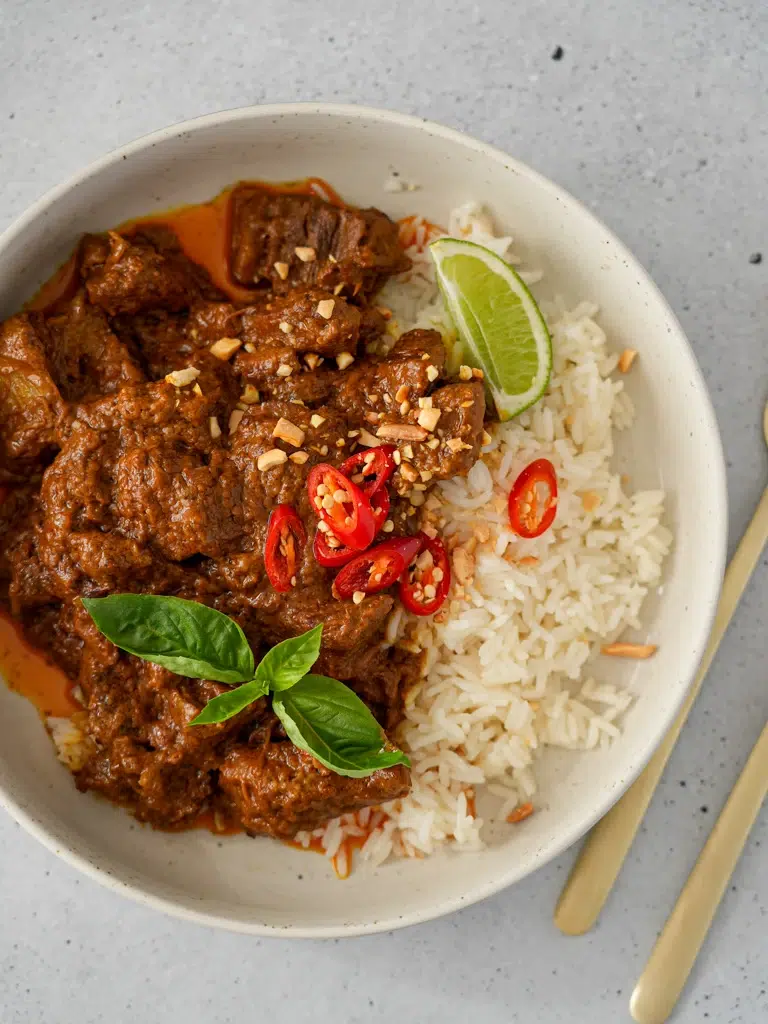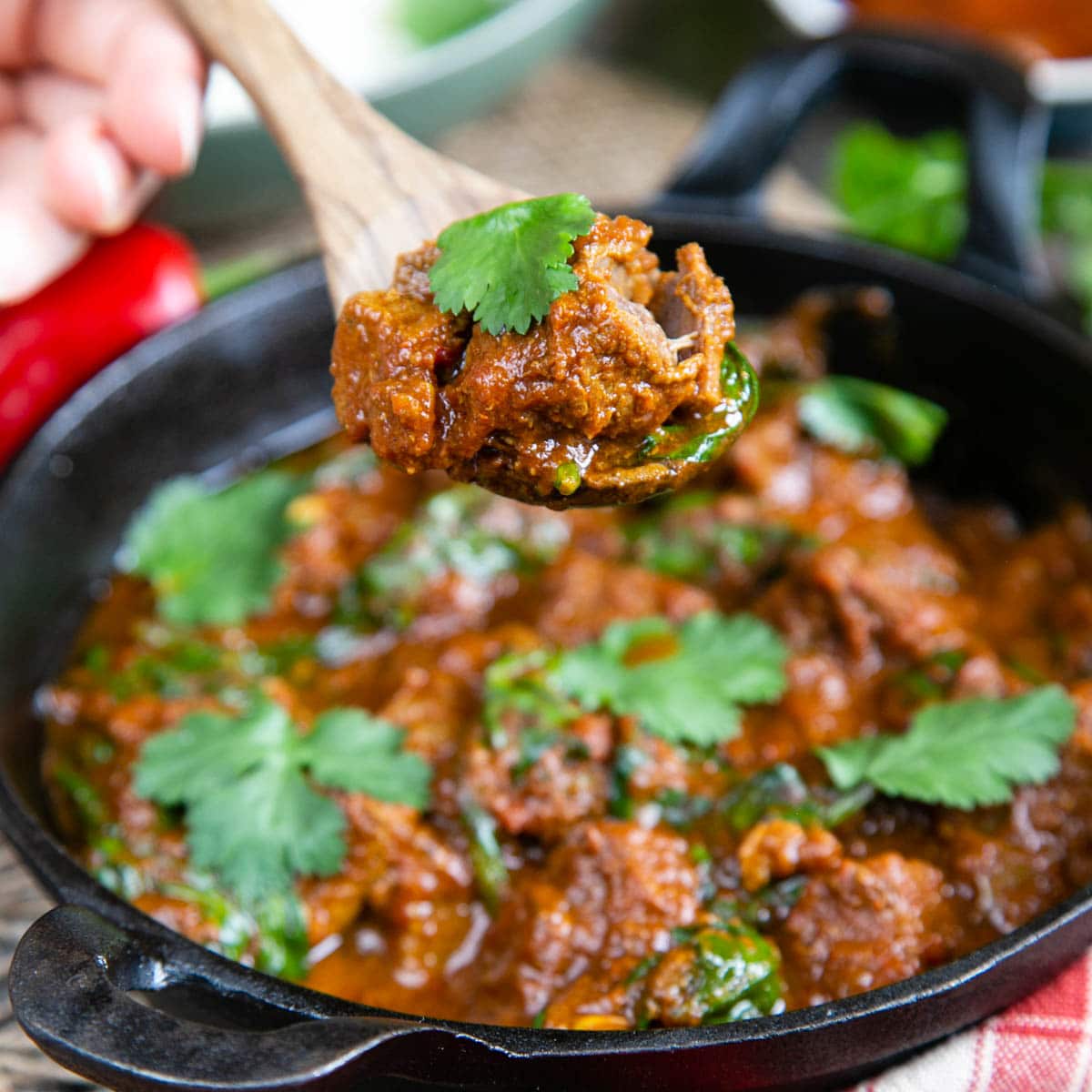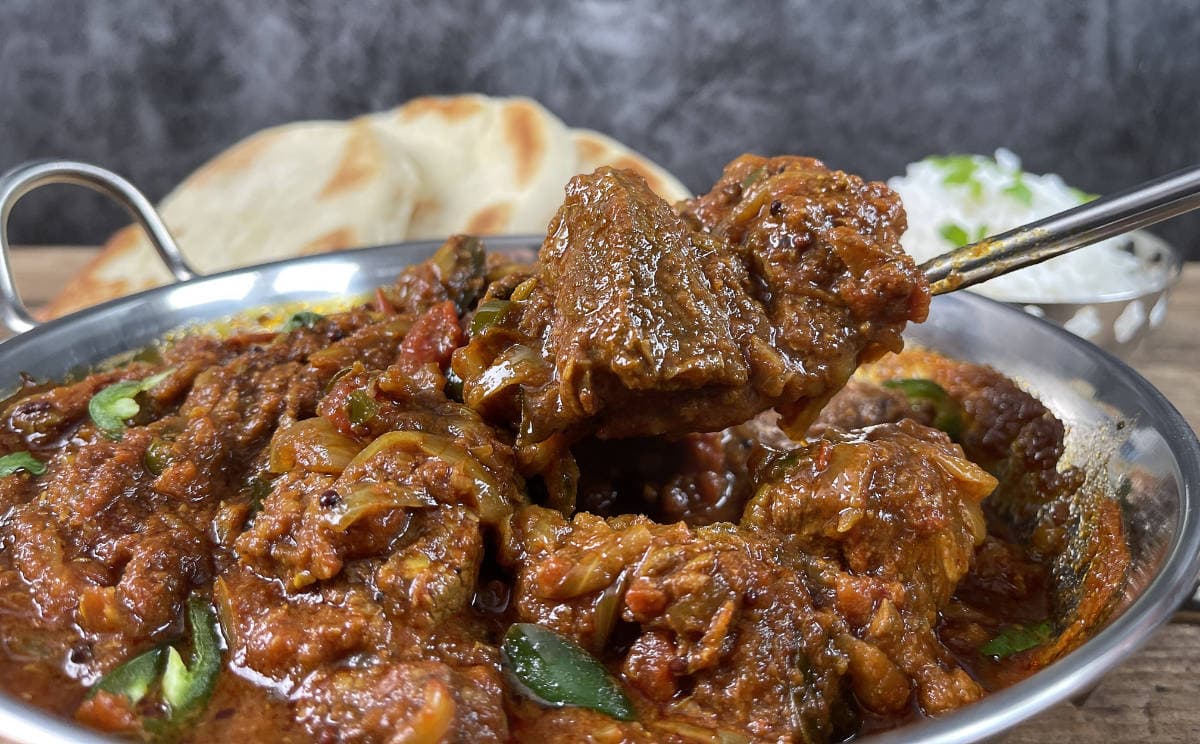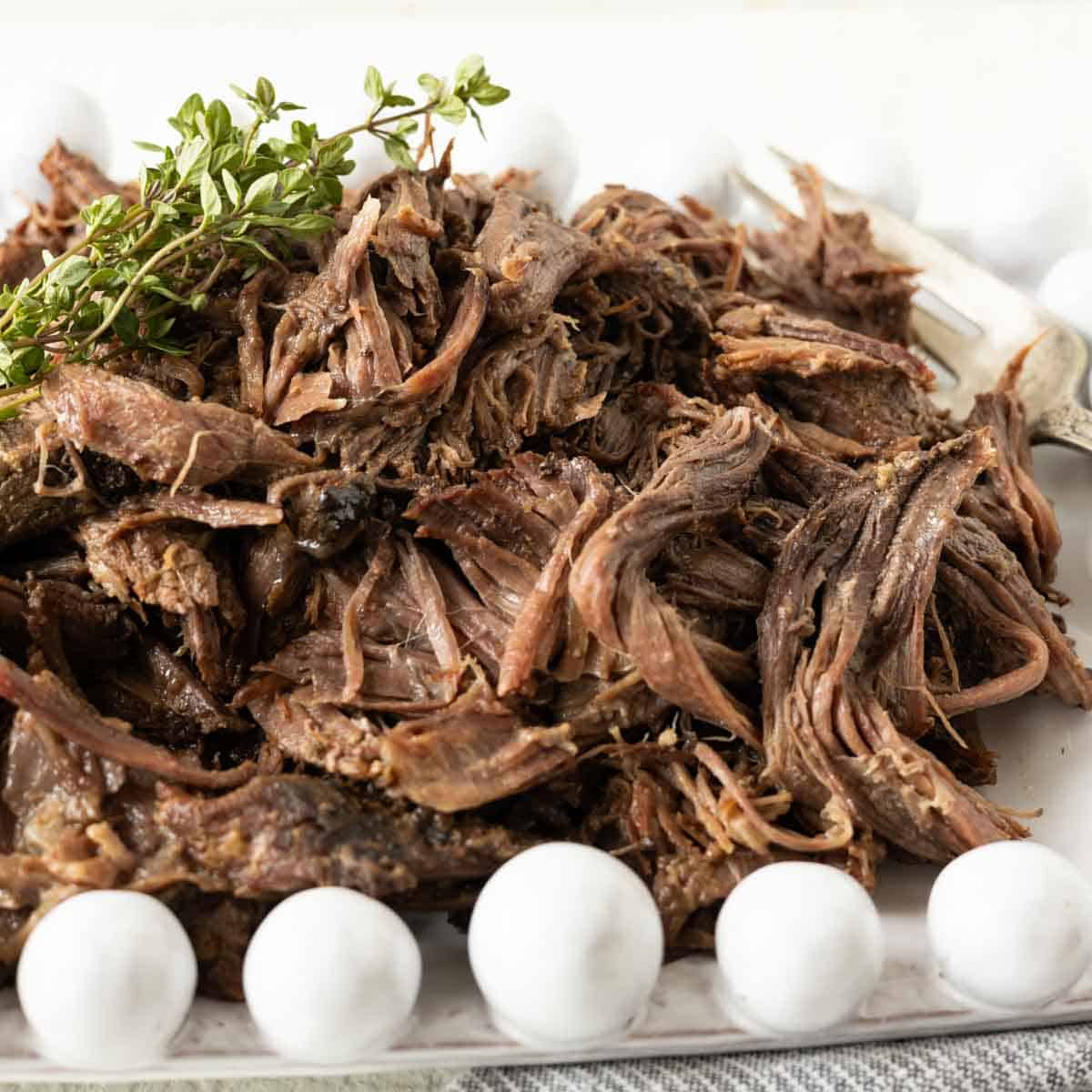
Ever sliced into a roast beef and thought, This should be falling apart, not chewy as a shoeleather? Youre not alone. The good news is that getting that butterysoft, meltinthemouth texture isnt a secret reserved for fivestar chefs. With a few mindful stepschoosing the right cut, mastering temperature, and letting the meat restyou can turn any grocerystore roast into a showstopper.
Whether you prefer the classic oven, the patient lowandslow route, or the speedy airfryer hack, Ive gathered the tricks that have saved my own family dinners (and a few tense holiday gatherings). Lets walk through each method, answer the burning questions you probably Googled, and finish with a few troubleshooting tips so nothing goes wrong.
Choosing the Right Cut
What cut makes the best meltinthemouth roast?
The cut is the foundation of tenderness. A ribeye roast, chuck roast, or sirloin tip each brings something different. Ribeye has generous marbling, giving it a rich flavor and natural juiciness. Chuck, with its connective tissue, rewards lowandslow cooking by turning collagen into silky gelatin. Sirloin tip is leaner, making it great for a quicker oven roast if youre careful not to overcook.
How should I trim and season the meat?
First, trim excess silverskin but leave a thin layer of fatabout a quarterinch thickon one side. That fat renders during cooking, bathing the meat in its own juices. For seasoning, I swear by a simple drybrine: sprinkle kosher salt evenly (about 1% of the meats weight) and let it sit uncovered in the fridge for at least an hour, preferably overnight. The salt pulls out moisture, then reabsorbs it, seasoning the roast from the inside out.
Do I need to bring the roast to room temperature?
Yesif you have time. Letting the roast sit at room temperature for 3045minutes evens out the internal temperature, so the outer layers dont overcook while the center catches up. If youre in a hurry, you can skip this step, but be prepared for a slightly longer cooking time.
Oven Cooking Method
What oven temperature gives the best crust and interior?
I start with a hot blast: preheat the oven to 375F (190C) and roast for the first 30minutes. This high heat creates a goldenbrown crust that locks in flavor. After the initial sear, lower the temperature to 225F (107C) for the remainder of the cook. The gentle heat lets the muscle fibers relax without squeezing out the juices.
How long should I cook a 1kg roast?
For a 1kg (about 2.2lb) roast, aim for roughly 1215minutes perpound at the lower temperature. That translates to about 4555minutes total after the first 30minute sear. Always use a meat thermometer rather than relying solely on time.
How do I monitor doneness without overcooking?
The thermometer is your best friend. Insert a probe into the thickest part of the roast:
- 115120F (4649C) for rare (the meat will rise a few degrees while resting).
- 130F (54C) for mediumrare, which is my personal favorite for meltinthemouth texture.
When you hit the target temperature, pull the roast out immediately.
Why is resting crucial?
Resting lets the juices redistribute. Tent the roast loosely with foil for 1520minutes. Cutting too soon is like opening a shaken soda bottleeverything rushes out and youre left with a dry slice.
LowandSlow Options
Can I get meltinthemouth using a slow cooker?
Absolutely. Place the seasoned roast on a bed of onions, carrots, and celery in the slow cooker, add a cup of beef broth, and set it to Low for 810hours. The low temperature breaks down collagen beautifully, and the broth keeps the meat moist.
Whats the best lowheat oven range?
If you prefer ovenonly, set it to 200300F (90150C) and cook for 34hours, depending on size. Cover the roast tightly with foil for the first half, then uncover for the last 30minutes to develop a crust.
Pros and cons of each slow method
| Method | Pros | Cons |
|---|---|---|
| Slow Cooker | Setandforget; minimal supervision; great for onepot meals. | No crust unless you finish under a broiler. |
| LowHeat Oven | Develops crust; easy to combine with side dishes in the same oven. | Longer active cooking time; needs oven space. |
AirFryer Quick Method
How do I adapt the recipe for an air fryer?
Air fryers excel at delivering a crispy exterior in a fraction of the time. I presear the roast in a hot skillet for 23minutes per side, then transfer it to the airfryer basket. Cook at 350F (175C) for 2025minutes, checking the internal temperature as you would for the oven method.
Will airfrying affect juiciness?
It can, if youre not careful. Adding a small water pan inside the airfryer and lightly spraying the roast with oil helps retain moisture. The result is a nicely browned crust with a juicy interiorthough the texture may be a shade less fallapart than the lowandslow approach.
Troubleshooting Tips
Why is my roast still tough after cooking?
Common culprits include:
- Using a lean cut (like eyeofround) without the lowandslow treatment.
- Not enough cooking time for the connective tissue to break down.
- Skipping the resting phase, which forces juices out.
Next time, try a slightly lower final temperature or extend the cooking time by 1015minutes.
How can I fix a dry roast?
If the meat turns out drier than expected, slice it thinly against the grain and serve with a homemade aujus or horseradish cream. The sauce adds moisture and brightens the flavor.
Can I freeze and reheat meltinthemouth roast?
Yes, but handle it right. Wrap the cooled roast tightly in foil and freezer paper, then store in a ziptop bag. To reheat, place it in a lowheat oven at 250F (120C) for 2030minutes or use a sousvide bath at 135F (57C) for ultimate tenderness.
Nutrition Snapshot
A typical 3ounce serving of roasted beef provides roughly 200calories, 22g of protein, and a good dose of iron and zinc. Pair it with roasted vegetables or a fresh salad for a balanced, nutrientdense meal.
Sources & Further Reading
For foodsafety guidelines, see the U.S. Department of Agriculture. Detailed meatscience research on collagen conversion can be found at the .
Conclusion
There you have itfour reliable routes to a meltinthemouth roast beef, each with its own perks. Choose the method that fits your schedule and equipment, respect the importance of seasoning, temperature, and rest, and youll consistently serve up a roast that practically falls apart on the plate. Give one of these techniques a try this weekend; Id love to hear how it turned out for you. If you have questions or want to share your own tweaks, just let me knowwere all in this delicious adventure together.
FAQs
What cut of beef yields the most tender melt‑in‑the‑mouth roast?
Ribeye roast, chuck roast, and sirloin tip are top choices – ribeye for marbling, chuck for collagen that turns gelatinous, and sirloin tip for a quicker oven roast.
How long should I let the roast come to room temperature before cooking?
Let the roast sit uncovered at room temperature for 30–45 minutes. This evens the internal temperature and prevents the outer layers from overcooking.
What internal temperature gives the perfect melt‑in‑the‑mouth texture?
Aim for 130°F (54°C) for medium‑rare, which is ideal for a buttery‑soft, melt‑in‑the‑mouth result. Remember the meat will rise a few degrees while resting.
Can I use an air fryer for a quick melt‑in‑the‑mouth roast beef?
Yes. Sear the roast briefly in a skillet, then air‑fry at 350°F (175°C) for 20–25 minutes, checking the internal temperature. A water pan and a light oil spray help retain moisture.
How do I prevent my roast from drying out when reheating leftovers?
Reheat gently in a low‑heat oven at 250°F (120°C) for 20–30 minutes, or use a sous‑vide bath at 135°F (57°C). This restores juiciness without overcooking.