Introduction
Roasting squash at 425 degrees Fahrenheit is a game-changer for your kitchen. Knowing exactly how long to roast squash at 425 ensures the flesh turns tender with a golden, caramelized crust. Not too soft, not too crunchyjust perfectly cooked every time. This roasting temperature and time unlock the squashs natural sweetness and gives you a crispy roasted squash recipe ideal for quick, wholesome dinners youll want on repeat.
Key Highlights
How Long to Roast Squash at 425 Brings Out the Sweetest Flavor
The butternut squash roasting technique that involves roasting at 425F for 20 minutes offers a wonderful balance. This temperature encourages caramelization without drying out the cubes. The squash cooks evenly, maintaining that melt-in-your-mouth texture without becoming mushy or burnt. Roasting vegetables in the oven at this heat level is a reliable method to develop deep flavors and a pleasant roasted aroma.
Who This Recipe Is For Beginners and Busy Home Cooks
This oven roasting method suits anyone craving a quick side or a roasted squash vegan dinner. Its an easy approach that fits busy schedules and works for those just learning how to get squash right in the oven. If you want consistent results with minimal fuss, this method will save time and disappointment.
What Makes This Version Different From Others Online
Many recipes fuss with odd times or vague temperature instructions, but this simple 20-minute roast at 425F is backed by careful timing that suits most squash varieties. Plus, it uses just three basic ingredientssquash, olive oil, and saltfor a clean, natural flavor. Its straightforward without sacrificing that rich, toasty finish.
Ingredients & Preparation
| Prep time | Total time | Servings | Calories | Diet tags |
|---|---|---|---|---|
| 5 minutes | 25 minutes | 4 servings | 90 kcal | Vegan, Gluten-Free, Dairy-Free |
Ingredient List and Substitutions
- 1 medium butternut squash (about 2 lbs), peeled, seeded, and cut into 1-inch cubes
- 2 tablespoons olive oil (can substitute avocado or grapeseed oil)
- Salt and freshly ground black pepper, to taste (sea salt preferred)
For a sweeter option, try swapping olive oil with melted coconut oil. Adding a sprinkle of cinnamon and a drizzle of maple syrup before roasting creates a warm, cozy flavor.
Equipment Needed
- Rimmed baking sheet lined with parchment paper or aluminum foil
- Sharp chefs knife and vegetable peeler
- Oven thermometer (optional, but helps maintain accurate heat)
Tips for Selecting Squash
Look for squash that feels heavy for its size with matte skin and no soft spots or blemishes. Smaller squashes tend to be sweeter and roast faster. Organic is a nice option but not essential here.
Step-by-Step Instructions
Step 1 Prep Squash by Peeling and Cutting into Even Cubes
Wash the squash well before peeling. Use a firm vegetable peeler to remove the tough skin. Cut the squash in half, scoop out the seeds, then slice into 1-inch cubes. Keeping the cubes uniform in size helps them roast evenly and finish at the same time.
Step 2 Roast at 425F for 20 Minutes, Tossing Halfway
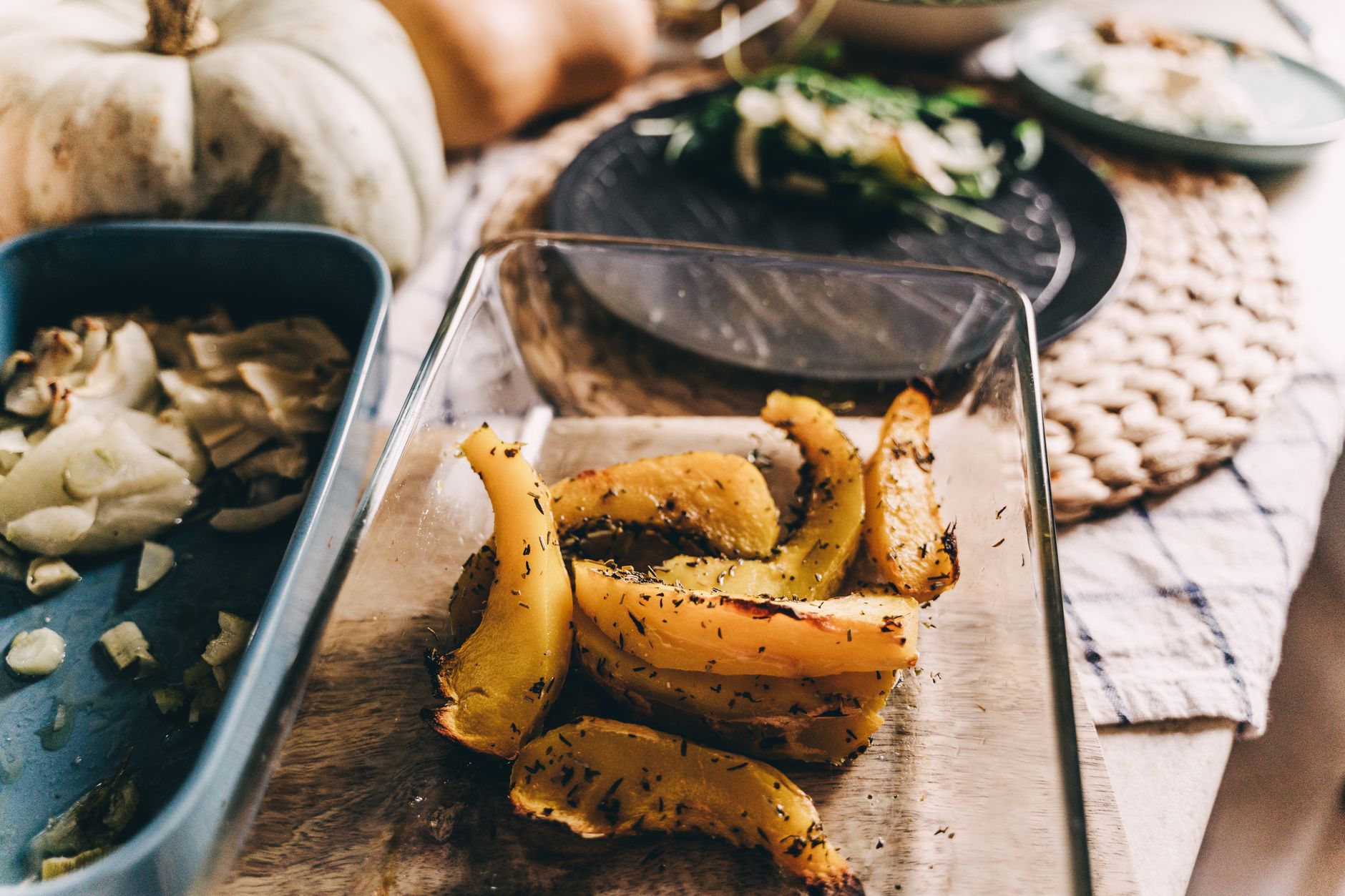
Preheat the oven to 425F (220C). Toss the squash cubes with olive oil, salt, and pepper to coat evenly. Spread them out in a single layer on the baking sheet. Place in the oven and roast for 10 minutes. Then stir gently or flip the cubes to promote even browning. Roast for another 10 minutes until tender inside and golden on the edges.

Step 3 Optional Seasoning and Finishing Touches
If you love herbs, sprinkle fresh thyme or rosemary over the hot squash right after roasting. A quick squeeze of lemon juice brightens the flavor beautifully. You can also dust with smoked paprika or add a pinch of chili flakes for a little heat.
Step 4 Serve Warm or Store for Later Use
Serve your roasted squash while warm as a side dish or add it to grain bowls and salads. If you want to save some, cool completely before storing in airtight containers. It keeps well for meal prep and reheats nicely without losing texture.
Variations & Substitutions
Popular Flavor Variations
Add warming spices like cumin, cinnamon, or smoked paprika before roasting for different taste profiles. Switching olive oil for coconut oil creates a subtle tropical note. Tossing with maple syrup and ground nutmeg works great too.
Ingredient Swaps and Expected Outcomes
Trying delicata or acorn squash? Adjust cooking time by trimming 2 to 3 minutes from the roasting time since these varieties tend to cook faster. Acorn squash skin can be left on if its tender. Note that texture and sweetness will vary slightly depending on the squash you choose.
Adjusting Sweetness and Spice
Drizzle with pure maple syrup or honey before roasting for extra sweetness. For a savory kick, sprinkle chili flakes or smoked paprika. These tweaks let you mold the recipe to fit your plate or season.
Storage & Shelf Life
Refrigerator Storage
Store roasted squash in airtight containers in the refrigerator for 3 to 4 days. It tastes best when reheated gently to retain moisture and texture.
Freezer Storage
Freeze roasted squash by spreading the pieces in a single layer on a baking sheet and freezing until solid (about 1 to 2 hours). Transfer to freezer-safe bags or containers, and keep frozen for up to 3 months. Thaw overnight in the fridge before reheating.
Make-Ahead Batch Tips
This recipe scales well. Roast multiple trays in batches to prepare a big batch for the week. Label containers with the roasting date for freshness, and portion according to meals to avoid reheating too frequently.
Pro Tips & Troubleshooting
Avoid Staining and Maximize Flavor Extraction
Squash can stain your hands, so consider using kitchen gloves during peeling. Toss the cubes well in oil to ensure every surface caramelizes evenlyuneven coating can lead to patches of dry, bland squash. Avoid overcrowding the pan; roast in a single layer to encourage browning instead of steaming.
Fixing Common Issues
If your squash turns out pale and mushy, the oven temperature may be too low or the pan overcrowded, causing steam. Increase the heat to 425F and space squash cubes apart. If you notice a bitter flavor, it may be from overcooking or using old squashalways check freshness before roasting.
Expert Upgrade Tip
Before roasting, mix smoked paprika or fresh chopped rosemary with your olive oil. This infuses the squash with aromatic depth and layers of flavor that elevate a simple side dish into something special.
When is the best time to eat roasted squash at 425?
Roasted squash tastes best served warm immediately after cooking. It makes a delicious lunch or dinner side and keeps flavor and texture intact within a day refrigerated. For meal prep, reheat gently to maintain its tender yet crispy qualities.
Can I make a big batch ahead of time?
Yes, roasting large batches in multiple pans works perfectly. Cool the squash completely before storing in airtight containers. Refrigerate for up to 4 days or freeze for longer storage so you always have a nutritious addition ready.
Fresh squash or frozen which is better for roasting?
Fresh squash usually produces a firmer, more flavorful roasted result. Frozen squash often releases excess moisture, resulting in softer, less caramelized cubes. For the crispiest roasted squash, use fresh ingredients whenever possible.
Is roasting squash at 425 safe for pregnant women and kids?
Yes, roasted squash is safe and highly nutritious for almost everyone, including pregnant women and children. Just be sure there are no personal allergies or digestive concerns.
How often should I include roasted squash in my diet?
Roasted squash can be enjoyed several times a week. Its fiber, vitamins, and natural sweetness make it a perfect vegetable side that complements a wide range of meals.
Why does my roasted squash taste bitter?
Bitterness typically arises from overcooking or using past-prime squash. Choosing fresh squash and roasting at the correct temperature and time avoids this. Adjust cooking time if your squash gets too browned or bitter.
What pairs well with roasted squash?
Roasted squash pairs beautifully with roasted chicken, quinoa or wild rice salads, fresh herbs like sage or thyme, and creamy dressings or a drizzle of balsamic glaze. It also complements dishes like a Frittata with tomatoes onions and basil recipe 1918617 for a balanced meal.

More Recipes You Will Love
- Try our how to grill squash in the oven guide for another delicious way to enjoy this versatile vegetable.
- Pair roasted squash with a crispy protein like in the Chipotle orange glazed pork chops recipe 1937376 for a flavorful dinner.
- Try this recipe alongside a Frittata with tomatoes onions and basil recipe 1918617 for a balanced meal bursting with fresh flavors.
Conclusion
Getting how long to roast squash at 425 right is key to a perfectly tender, golden dish every time. This simple, straightforward method brings out deep sweetness and appealing caramelization with minimal effort. Try this recipe tonight and enjoy a cozy, healthy addition to your meal. Feel free to leave a comment or rating below and check out our other recipes for more flavor inspiration.
FAQs
When is the best time to eat roasted squash at 425?
Roasted squash is best served warm immediately after cooking to enjoy its tender texture and rich flavor. It can also be stored refrigerated for up to 3-4 days and reheated gently to retain moisture and taste.
Can I make a big batch of roasted squash at 425 ahead of time?
Yes, roasting large batches in multiple pans works well. Cool the squash completely, store in airtight containers, refrigerate for up to 4 days, or freeze for longer storage.
Is fresh or frozen squash better for roasting at 425?
Fresh squash yields firmer, more caramelized, and flavorful results. Frozen squash often releases excess moisture, making it softer and less crispy when roasted.
Is roasting squash at 425 safe for pregnant women and children?
Yes, roasted squash is nutritious and safe for pregnant women and kids. Just ensure there are no personal allergies or digestive issues before serving.
Why does my roasted squash taste bitter sometimes?
Bitterness usually comes from overcooking or using old squash. To avoid this, roast at 425°F for the recommended time and choose fresh, firm squash with no blemishes.