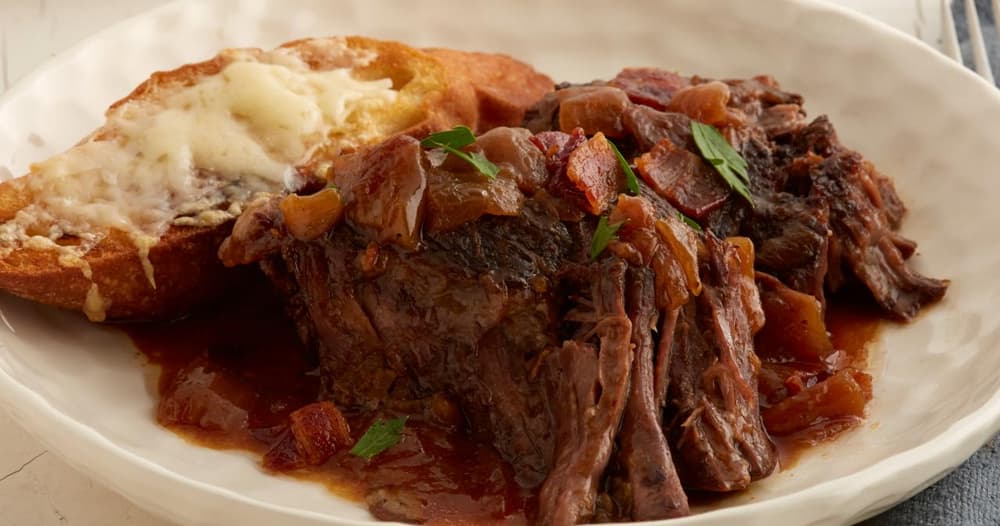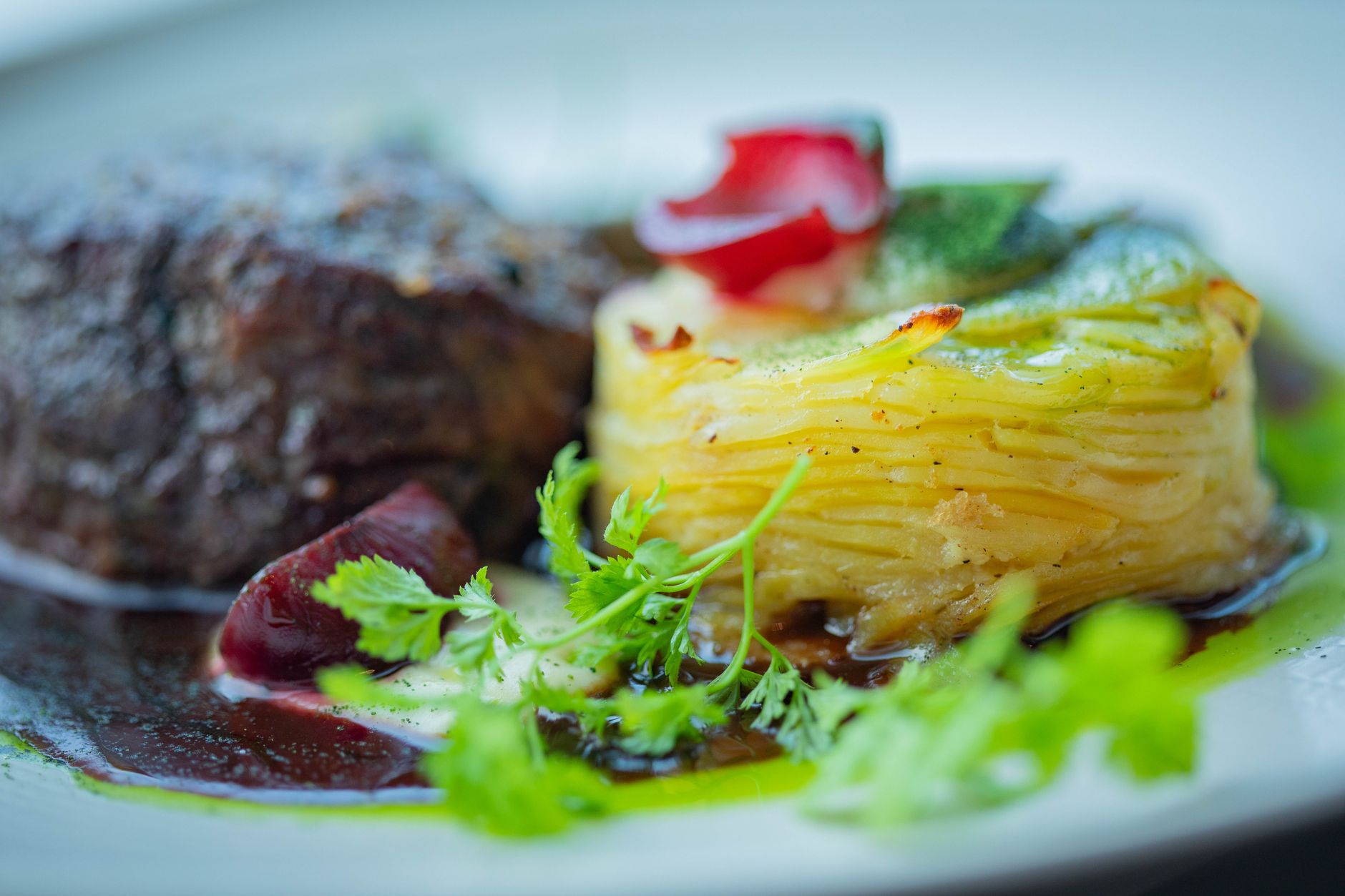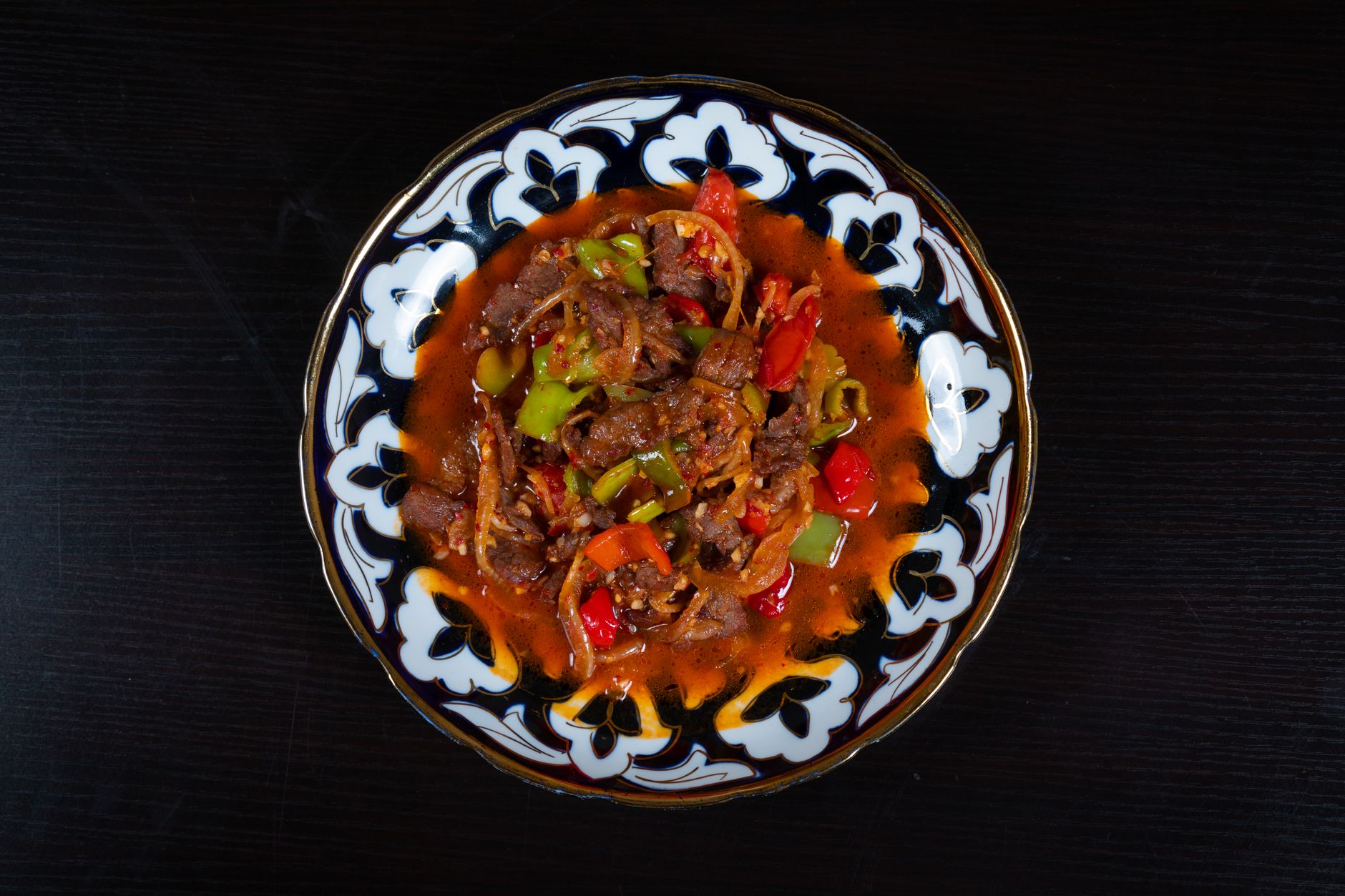
Why Slow Simmered Beef Ragu?
Imagine tender chunks of beef melting in a fragrant, tomato-rich sauce that fills your kitchen with an irresistible aroma. Slow simmered beef ragu is a culinary treasure that transforms humble chuck roast into an elegant, deeply flavorful pasta topping. This sauce is all about time and patience—slow cooking unlocks the meat’s full richness, creating a silky, hearty texture that clings perfectly to wide noodles like pappardelle. Whether you’re serving a cozy family dinner or impressing guests, this vibrant ragu brings warmth and comfort straight to your table.
Health Benefits & Nutrition
This slow simmered beef ragu isn’t just delicious; it brings several nutritional benefits to the plate. Beef chuck is an excellent source of high-quality protein, essential for muscle repair and immune function. It also provides significant amounts of iron, a mineral vital for oxygen transport in the blood, which helps prevent anemia (National Institutes of Health).
The sauce includes fresh herbs like rosemary and oregano, known for their antioxidant and anti-inflammatory properties. Garlic adds immune-boosting sulfur compounds, while leeks and carrots contribute dietary fiber that supports digestive health. Keep in mind, due to the sodium content from beef stock and seasoning, those with hypertension should enjoy this dish in moderation. Pregnant individuals should ensure all meat is cooked thoroughly to eliminate any risk.
Ingredients & Preparation
Recipe Card
| Prep Time | Total Time | Servings | Calories (per serving) | Diet Tags |
|---|---|---|---|---|
| 1 hour | 3 hr 50 min | 8 | 500 | Gluten (depends on pasta), High-Protein |
Full Ingredient List
- 1/4 cup olive oil
- 3 1/2 to 5 pounds chuck roast, cut into 1/2-inch pieces
- Kosher salt and freshly ground black pepper, to taste
- 3 leeks (white parts only), thinly sliced and cleaned
- 2 medium carrots, diced small
- 10 cloves garlic, thinly sliced
- 3 sprigs fresh rosemary, leaves minced
- 2 tablespoons fresh oregano leaves, minced
- 1/2 cup tomato paste
- 1 cup dry white wine (Pinot Grigio or Sauvignon Blanc recommended)
- 2 cups beef stock
- 2 bay leaves
- Cooked pappardelle pasta, for serving
- Parmesan cheese wedge, for grating
- Fresh basil leaves, for garnish
Equipment Needed
- Large Dutch oven or heavy-bottomed pot
- Sharp chef’s knife and cutting board
- Wooden spoon or silicone spatula
- Sheet pan or large plate (to rest seared meat)
- Grater for Parmesan cheese
Tips for Choosing Quality Ingredients
- Select a chuck roast with good marbling for tender, juicy meat after slow cooking.
- Use fresh herbs to enhance aroma and depth; dried herbs won’t provide the same brightness.
- Pick firm, bright leeks free from dirt and discoloration to avoid grit in the sauce.
- Choose a dry white wine you enjoy drinking—its acidity balances the richness of the beef.
- Opt for homemade or low-sodium beef stock to control saltiness.
Step-by-Step Instructions
Step 1: Sear the Beef (15 minutes)
Heat 1/4 cup olive oil over medium-high heat in your Dutch oven. Season beef pieces generously with kosher salt and freshly ground black pepper. Working in batches, sear the beef for about 5 minutes per batch, turning to develop a golden-brown crust on all sides. Transfer the browned meat to a plate and set aside.
Step 2: Cook Aromatics (7 minutes)
To the same pot, add leeks, carrots, garlic, rosemary, and oregano. Stir frequently over medium heat for 3 to 4 minutes until vegetables soften and release their fragrance. Incorporate tomato paste and cook for an additional 2 to 3 minutes to intensify its flavor and deepen the sauce’s color.
Step 3: Deglaze and Combine (5 minutes)
Pour in 1 cup white wine, stirring to scrape up any browned bits from the bottom. Bring the mixture to a boil to evaporate alcohol. Add 2 cups beef stock, bay leaves, and return all seared beef pieces to the pot. Stir well to combine everything evenly.
Step 4: Slow Simmer (2 to 2.5 hours)
Lower the heat to maintain a gentle simmer and cover the pot with a lid. Cook, stirring occasionally, until the beef becomes tender and easy to shred, approximately 2 to 2 1/2 hours.
Step 5: Reduce the Sauce (15-20 minutes)
After the beef is tender, remove the lid and simmer uncovered to thicken the ragu, allowing excess liquid to evaporate. Stir occasionally to create a luscious, rich sauce that will cling beautifully to your pasta.
Step 6: Serve
Place cooked pappardelle in bowls. Spoon a hearty portion of beef ragu over the noodles. Grate fresh Parmesan on top and finish with a sprinkle of torn basil leaves for a burst of color and freshness.

Variations & Substitutions
- Red Wine Swap: Replace dry white wine with a bold red wine like Chianti for a deeper, more robust flavor.
- Meat Choices: Use boneless beef short ribs or brisket instead of chuck roast. Both become tender with slow simmering and add a slightly different texture.
- Vegetarian Version: Omit beef and substitute mushrooms (such as cremini or portobello) sautéed until caramelized for a meaty umami punch.
- Herb Variations: Try thyme and bay leaf in place of rosemary and oregano for a subtly different herbal aroma.
Storage & Shelf Life
This slow simmered beef ragu holds well in the refrigerator for up to 4 days when stored in an airtight container. For longer storage, freeze in portioned freezer-safe containers. It keeps best for 3 months frozen. When reheating, do so gently on low heat to preserve tenderness and flavor. Signs that the ragu has spoiled include sour smell, discoloration, or mold growth; discard immediately if you notice these.
Pro Tips
- Sear in Batches: Avoid overcrowding the pan when browning beef to ensure a golden crust rather than steaming the meat.
- Deglaze Well: Scrape fond (browned bits) off the pot’s base after searing; this adds rich, complex flavor to the sauce.
- Control Thickness: If your sauce isn’t thickening to your liking, simmer uncovered longer or mash some of the beef pieces gently to release natural gelatin.
- Handle Stains Promptly: Tomato paste stains easily; clean spills immediately with cold water to prevent setting.
When is the best time to eat Slow Simmered Beef Ragu?
This ragu is perfect whenever you crave a cozy, filling meal. It shines as a weekend dinner dish or for special family gatherings. The sauce tastes even better the next day, making it an ideal make-ahead choice for busy weeknights too.
Can I use ground beef instead of chuck roast for this ragu?
While ground beef cooks faster, it won’t develop the same tender texture and deep flavor as chuck roast in a slow simmer. If using ground beef, reduce cooking time substantially and expect a different consistency.
What pasta pairs best with slow simmered beef ragu?
Wide, textured noodles like pappardelle or tagliatelle work best because their broad surfaces hold the thick ragu sauce beautifully. However, rigatoni or fettucine are great alternatives too.
How can I make this recipe gluten-free?
Simply serve the ragu over gluten-free pasta or creamy polenta instead of traditional wheat-based noodles.
Is it possible to prepare slow simmered beef ragu in a slow cooker?
Yes, brown the beef and sauté aromatics on the stove, then add all ingredients to a slow cooker. Cook on low for 6 to 8 hours or high for 4 to 5 hours for tender results.
How do I reheat leftover ragu without drying it out?
Reheat gently in a saucepan over low heat, adding a splash of water or beef stock if the sauce seems thick. Stir occasionally until warmed through.
Are there low-sodium modifications I can make?
Use homemade or low-sodium beef stock and reduce added salt during cooking. Adjust seasoning after simmering to taste to control sodium levels.
How much seasoning per pound of ground beef for burgers should I use when adapting this ragu flavor?
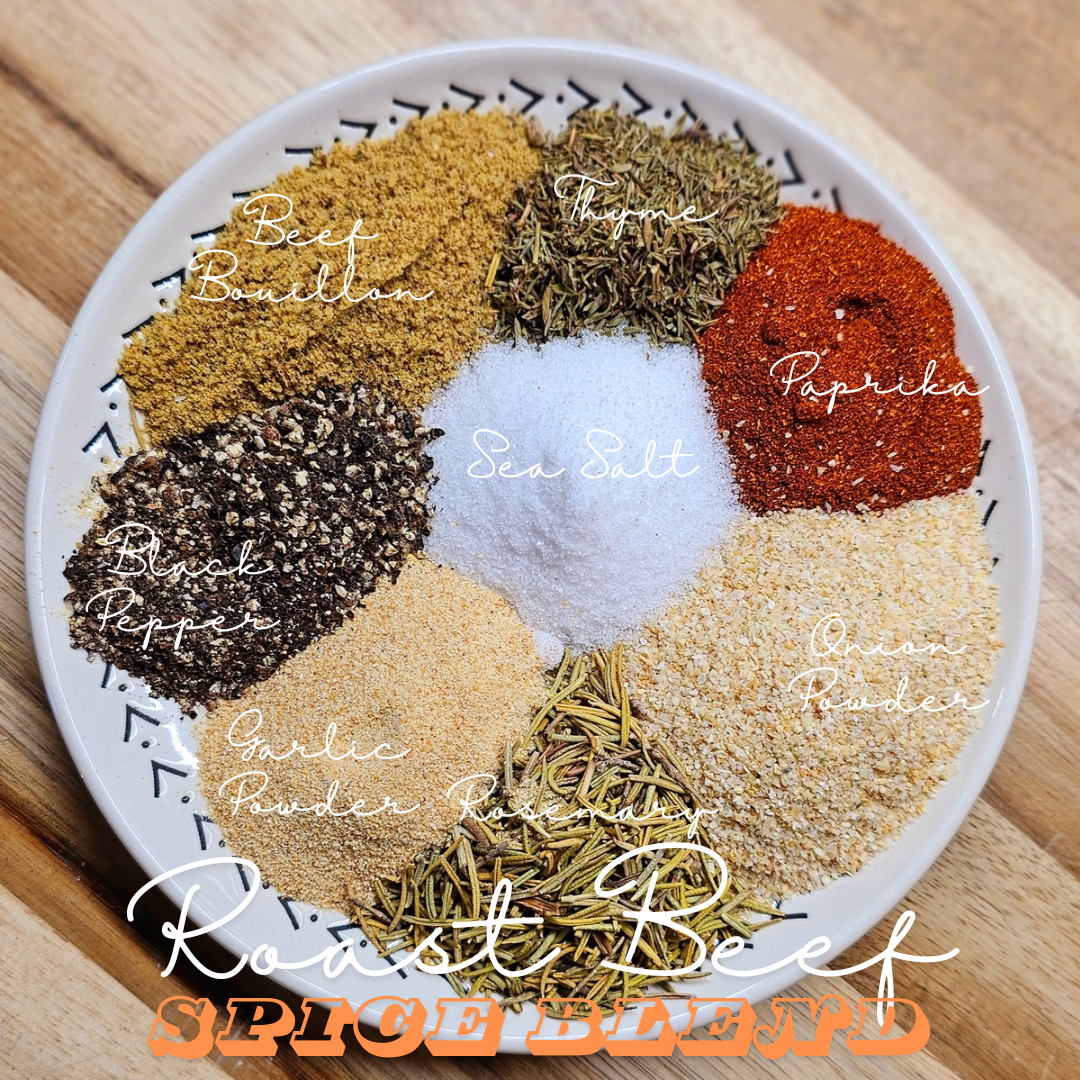
For burger seasoning inspired by this ragu, aim for about 1 teaspoon kosher salt and 1/2 teaspoon freshly cracked pepper per pound of ground beef, plus minced garlic and herbs like oregano and rosemary for aromatic depth. Check this guide on how much seasoning per pound of ground beef for burgers for precise ratios.
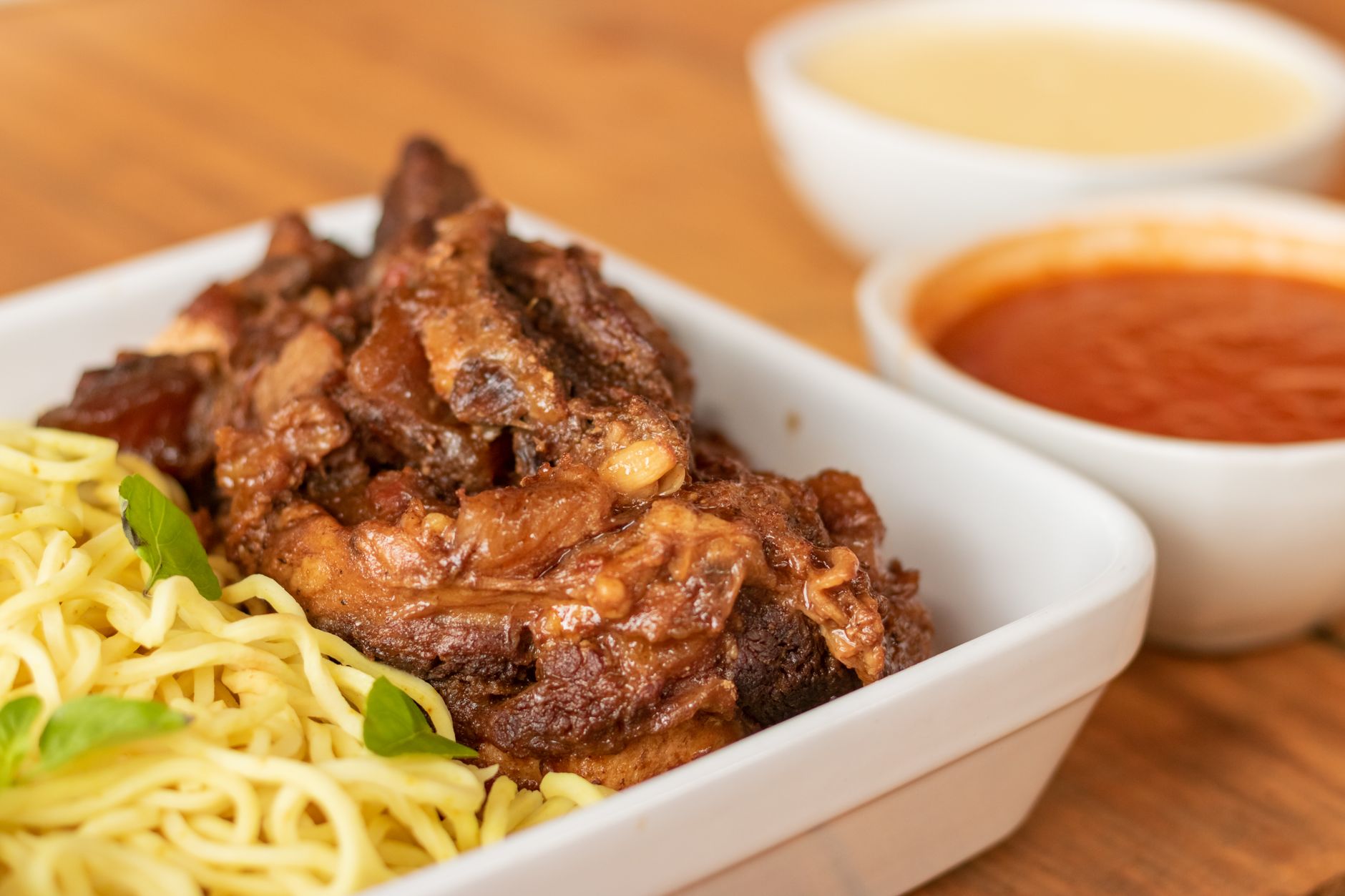
More Recipes You Will Love
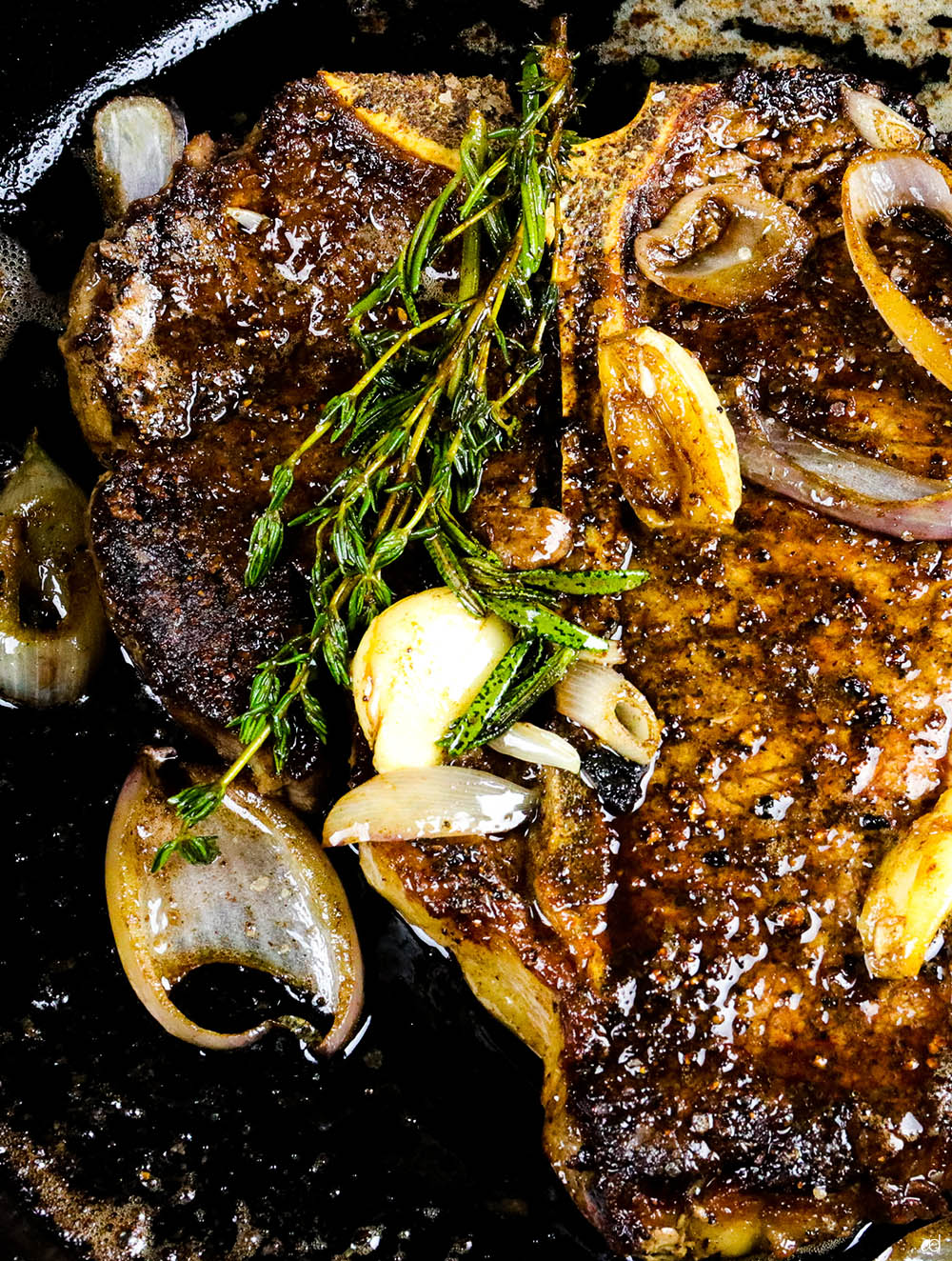
If you enjoy slow simmered beef ragu, you’ll appreciate other hearty meat dishes with rich sauces. The steak with red wine shallot sauce recipe offers another elegant way to indulge in tender beef paired with complex red wine notes.
For those curious about seasoning techniques, our guide on how much seasoning per pound of ground beef for burgers helps craft perfectly seasoned patties with minimal fuss.
Conclusion
Slow simmered beef ragu is a timeless dish that rewards your patience with layers of tender meat and rich, vibrant sauce. Its deep flavors and hearty texture make it a showstopper for any pasta night. Give this recipe a try, and don’t hesitate to share your results or tips in the comments below. Your kitchen will soon be filled with the golden aroma of slow-cooked perfection.
FAQs
When is the best time to eat Slow Simmered Beef Ragu?
Slow Simmered Beef Ragu is perfect for cozy family dinners or special occasions when you want a comforting, flavorful meal. It pairs wonderfully with pasta for lunch or dinner, especially during cooler months.
Can I make Slow Simmered Beef Ragu ahead of time?
Yes, Slow Simmered Beef Ragu tastes even better the next day as the flavors meld. You can prepare it a day in advance, store it in the refrigerator, and gently reheat before serving.
What type of beef is best for Slow Simmered Beef Ragu?
Chuck roast is ideal for Slow Simmered Beef Ragu because it has good marbling that breaks down during slow cooking, resulting in tender, juicy meat with rich flavor.
Can Slow Simmered Beef Ragu be frozen for later use?
Absolutely. Allow the ragu to cool completely, then freeze in airtight containers for up to 3 months. Thaw overnight in the refrigerator and reheat gently when ready to serve.
What pasta pairs best with Slow Simmered Beef Ragu?
Wide noodles like pappardelle work best as they hold the rich sauce well. Other good options include tagliatelle or fettuccine, which complement the hearty texture of the beef ragu.