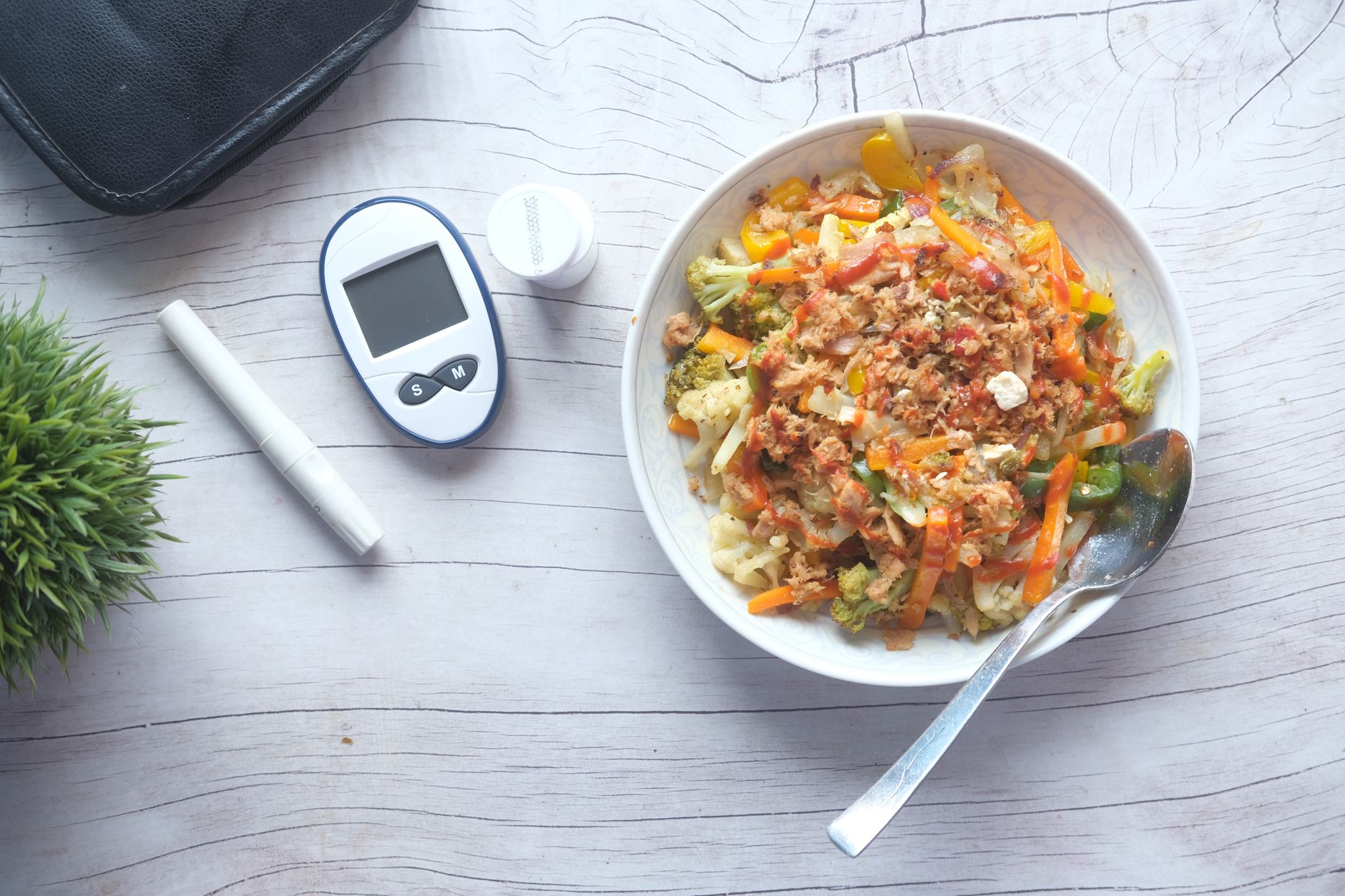
Finding flavorful yet healthy dinner ideas can be a challenge, especially when managing diabetes and sodium intake. Diabetic low sodium casserole recipes offer a perfect solution. These dishes combine wholesome ingredients and careful seasoning to bring you meals that support blood sugar control benefits and heart health. Youll enjoy comforting casseroles without compromising your dietary goals or flavor. Ready for easy, nutritious dinners made your way?
Introduction
Why Diabetic Low Sodium Casserole Recipes Matter
Controlling sodium is crucial for managing diabetes and maintaining steady blood pressure. High sodium can raise hypertension risk, a common concern for diabetics. Low sodium dinner recipes for diabetics emphasize fresh vegetables and lean proteins, which help balance blood sugar and keep meals satisfying. With a thoughtful baked low sodium casserole method, you savor every biterich in flavor but gentle on your health.
Who Benefits Most from These Recipes
These diabetic-friendly casserole meals suit anyone requiring low sodium and balanced carbohydrates. Whether youre newly diagnosed, living with type 2 diabetes, or salt-sensitive, this style of cooking helps keep your diet diverse and enjoyable. Home cooks of all experience levels can create these casseroles easily with simple equipment and ingredients.
What Makes This Approach Unique
Unlike casseroles loaded with salt and heavy sauces, these healthy vegetable casseroles focus on whole foods and smart seasoning. Herbs, spices, and fresh produce deliver aroma and flavor without excess sodium. This combination supports managing sodium intake in diabetes while keeping dinner a highlight of your day.
Ingredients & Preparation
| Prep time | Total time | Servings | Calories | Diet tags |
|---|---|---|---|---|
| 15 minutes | 55 minutes | 6 | ~280 per serving | Diabetic-Friendly, Low Sodium, Gluten-Free |
Complete Ingredient List with Substitutions
- 2 cups chopped zucchini (fresh preferred, yellow squash substitutes well)
- 1 cup diced bell peppers (any color, fresh for best flavor)
- 1 cups cooked lean ground turkey (or cooked beans for vegetarian)
- 1 cup low sodium tomato sauce (homemade no salt added recommended)
- cup chopped onions
- 1 tsp garlic powder (or 2 cloves fresh garlic minced)
- 1 tsp dried oregano or Italian seasoning blend
- cup low-fat shredded mozzarella (optional, for topping)
- Freshly ground black pepper to taste
Equipment Needed
Youll need a 9x13 inch casserole dish, sharp knife, medium skillet, and mixing bowls. Oven baking enhances flavors and texture with minimal cleanupno fancy gadgets required.
Tips for Ingredient Selection
Organic fresh vegetables often provide brighter flavor and extra nutrients. Fresh herbs also boost aroma and complexity better than dried, especially in low sodium cooking. When unavailable, no salt added canned vegetables work as a last resort.
Step-by-Step Instructions
Step 1 Prepare Vegetables and Protein
Wash zucchini and bell peppers thoroughly. Chop zucchini into bite-sized pieces and dice bell peppers. Finely chop onions. In a medium pan over medium heat, brown ground turkey for 7 minutes, stirring occasionally, until no pink remains.
Step 2 Mix Ingredients and Assemble
In a large bowl, combine cooked turkey with zucchini, bell peppers, onions, tomato sauce, garlic powder, oregano, and freshly ground black pepper. Stir gently to incorporate all flavors evenly. Transfer mixture into the casserole dish, spreading evenly.
Step 3 Add Cheese and Bake
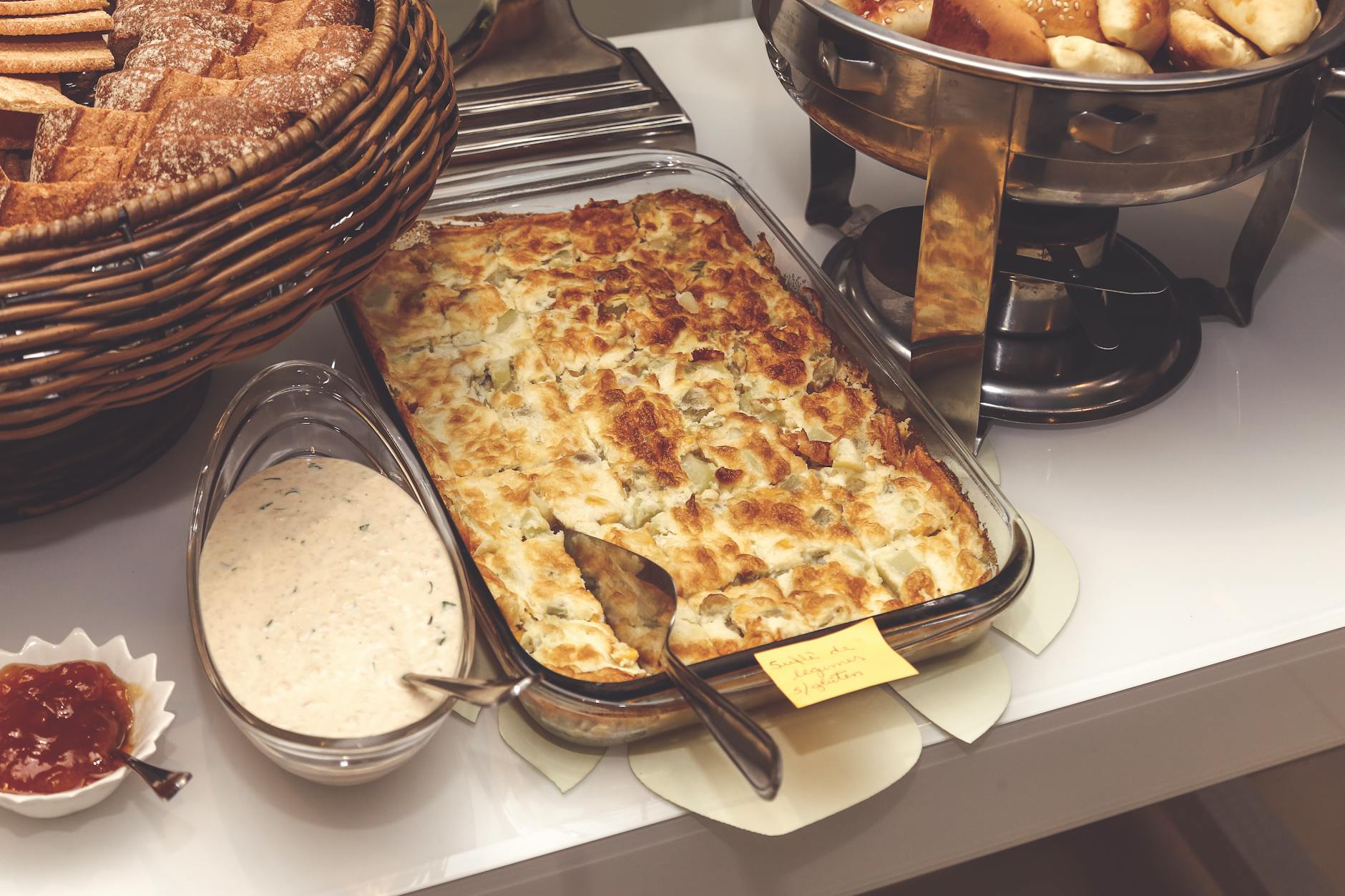
Sprinkle shredded mozzarella on top if using. Place the casserole uncovered in a preheated oven at 350F (175C). Bake for 35 to 40 minutes, until the edges are golden and bubbling. Baking this way enhances the flavors through gentle caramelization and even heat.
Step 4 Serve or Store
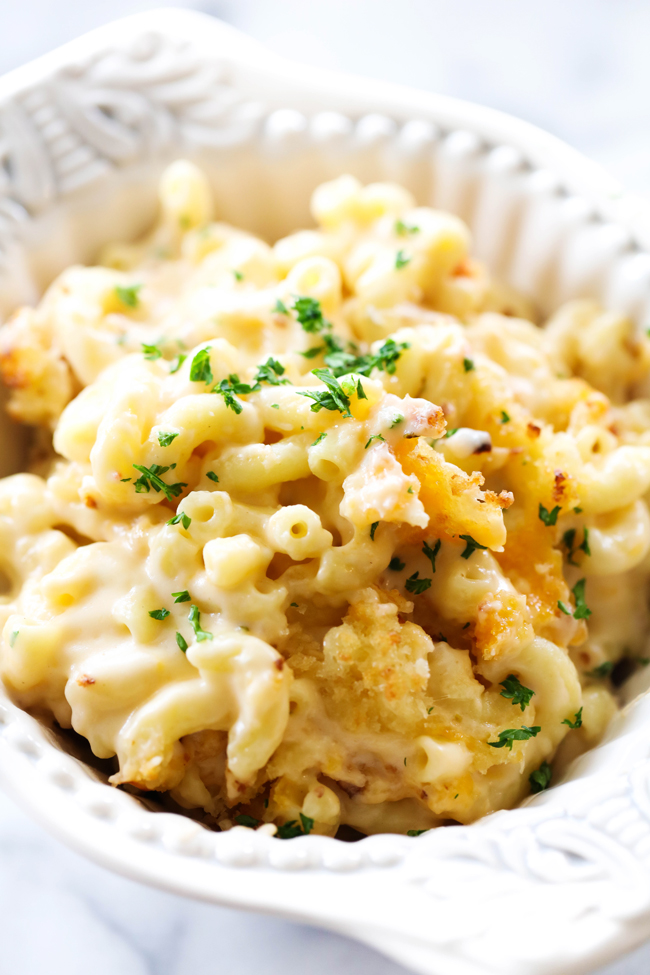
Serve hot to enjoy the creamy texture and golden topping. Refrigerate leftovers in airtight containers within 2 hours of baking to ensure safety. This casserole reheats well, maintaining a pleasant, hearty taste.
Variations & Substitutions
Popular Variations
For a vegetarian or vegan option, substitute ground turkey with cooked lentils or beans. Use dairy-free cheese for lactose intolerance or plant-based diets. Feel free to add other vegetables like spinach or mushrooms to customize flavor and nutrition.
Ingredient Swaps and Their Effects
Canned vegetables may increase sodium levels unless carefully chosen no salt added options are used. Fresh garlic provides sharper aroma than powdered garlic but can cause bitterness if overused. Adjust spices gently to avoid overpowering the natural flavors.
Adjusting Flavor and Spice
Add crushed red pepper flakes for a hint of heat or fresh basil for sweet herbal notes. Increase black pepper incrementally because too much can overwhelm delicate ingredients in diabetic casseroles.
Storage & Shelf Life
Refrigerator Storage
Store leftovers in sealed glass or BPA-free plastic containers. Keep refrigerated at or below 40F (4C) for up to 45 days. Reheat only once to preserve texture and flavor safely.
Freezer Storage and Thawing
Freeze casserole portions in airtight containers or heavy-duty freezer bags for up to 3 months. Thaw in the refrigerator overnight before reheating to ensure even warming.
Make-Ahead Tips
Doubling the recipe suits batch cooking. Label freezer containers clearly with date and contents for easy rotation. This fits perfectly with planning diabetic casseroles that freeze well without flavor loss.
Pro Tips & Troubleshooting
Expert Cooking Tips
Use a silicone spatula when mixing to avoid staining from tomato sauce or garlic oils. Saut onions gently on medium-low heat for 57 minutes until translucent, releasing natural sweetness without bitterness. This deepens casserole flavor.
Fixing Common Problems
If your casserole looks pale or undercooked, bake it an additional 510 minutes. Bitterness often results from overcooked garlic or burnt vegetables; reduce garlic quantity or cooking time for next time.
Upgrading The Flavor
Sprinkle a teaspoon of nutritional yeast into the mixture before baking. It adds a subtle cheesy flavor and provides extra B-vitamins, boosting both taste and nutrition in diabetic-friendly casserole meals.
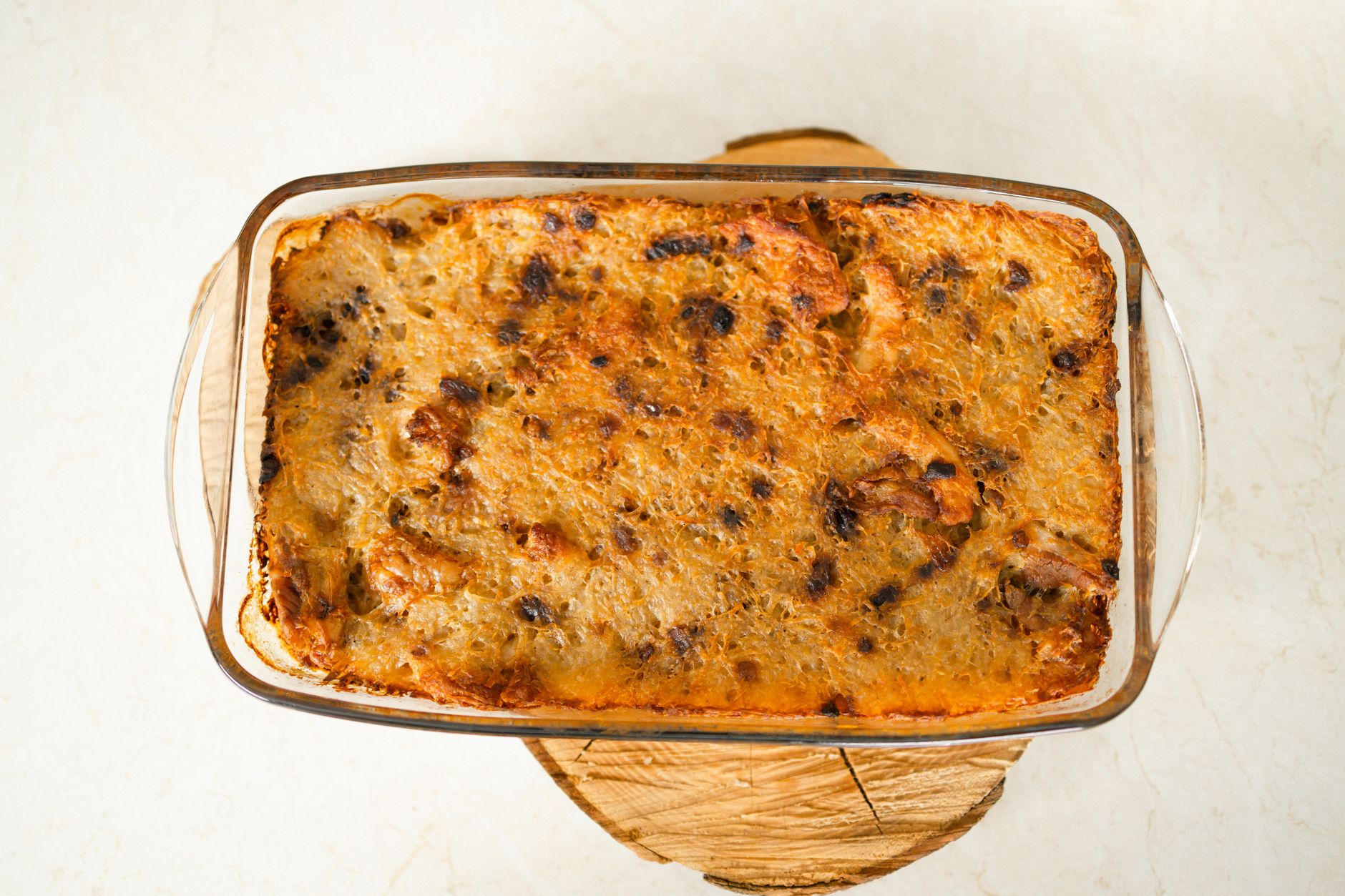
When is the best time to eat diabetic low sodium casserole recipes?
Dinner is ideal for enjoying these casseroles. They provide steady energy and blood sugar control benefits overnight. Pair with a light salad or steamed greens to complete a balanced meal.
Can I make a big batch ahead of time?
Yes, these casseroles suit batch cooking well. Bake in advance and refrigerate immediately. Reheat individual portions within 45 days for best freshness and flavor.
Fresh vegetables or canned which provide better results?
Fresh vegetables offer superior flavor and naturally low sodium. Use no salt added canned vegetables only if fresh produce is unavailable. This ensures you keep sodium under control while enjoying good taste.
Is this recipe safe for pregnant women, children, or those on medication?
Generally, this dish is safe for most people. However, consult a healthcare provider if there are specific dietary restrictions, pregnancy concerns, or medication interactions related to sodium or certain foods.
How often can I have these casseroles?
Daily servings fit well into a balanced diabetic meal plan when combined with other low sodium options. Monitor total daily sodium intake to avoid excess and maintain overall health.
Why does my casserole taste bitter or bland?
Bitter notes usually come from overcooked garlic or vegetables burnt slightly. Blandness could mean insufficient seasoningtry adding more herbs or fresh ground pepper next time.
What pairs well with diabetic-friendly casseroles?
Steamed green vegetables, simple side salads, or a relaxing cup of unsweetened herbal tea make excellent companions. They add freshness without extra sodium or carbs.
More Recipes You Will Love
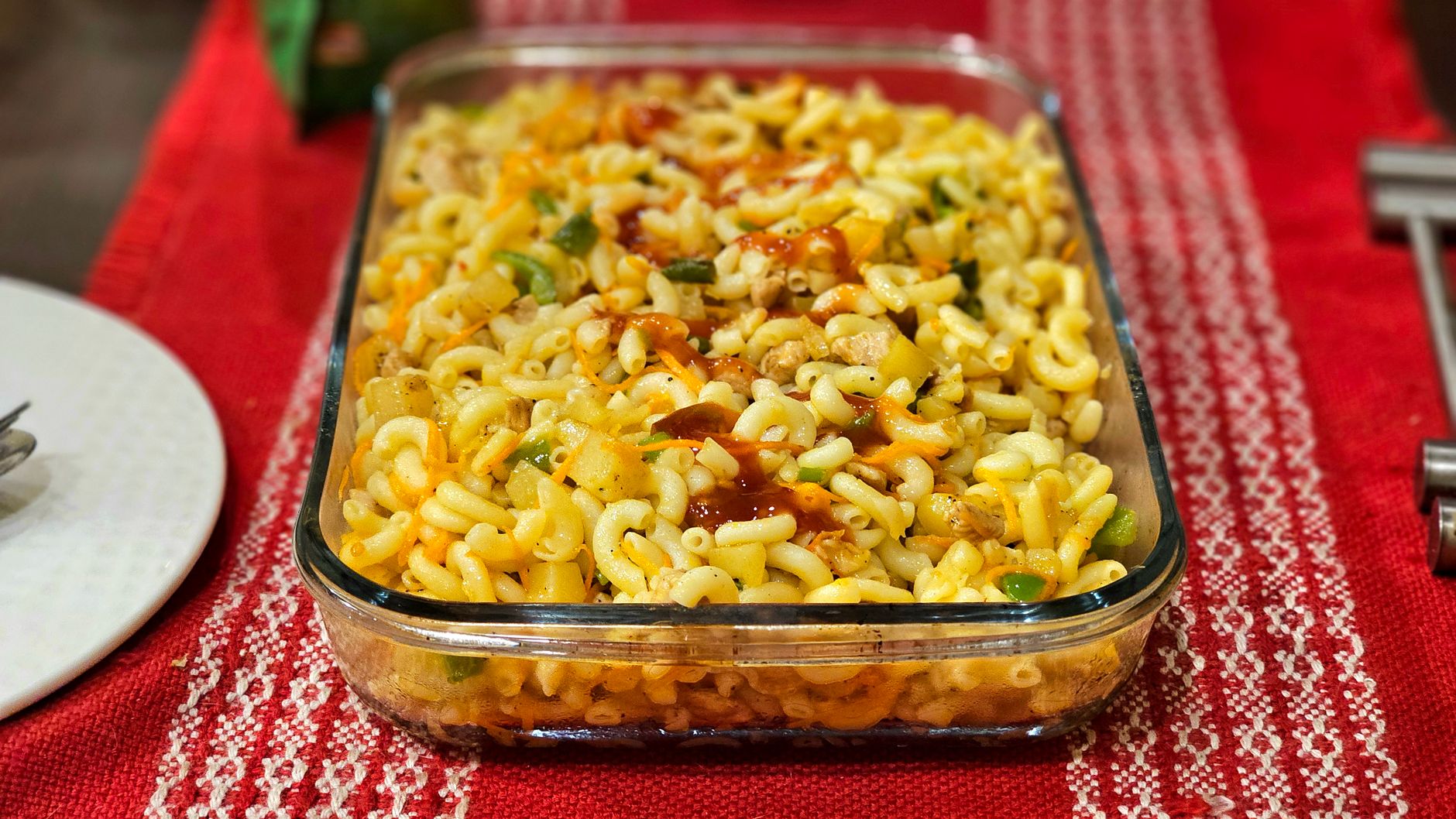
Diabetic casseroles that freeze well Perfect for batch cooking and meal prep. These dishes maintain flavor and texture after freezing without added sodium.
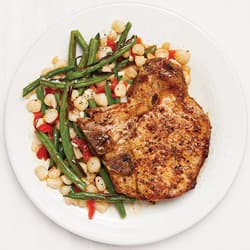
White beans with pork and croutons offers a hearty, comforting take on diabetic casseroles, balancing lean protein and fiber with earthy tones.
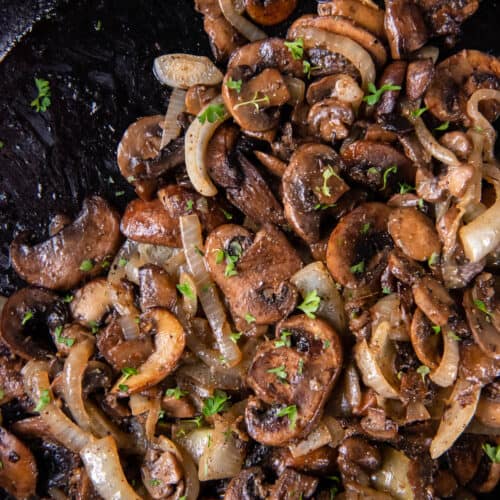
Creamy portobello soup recipe complements casseroles with a soup that brings savory mushroom flavor and creaminess in a diabetic-friendly format.
Conclusion
Diabetic low sodium casserole recipes make healthy dinners simple and flavorful. They help support managing sodium intake in diabetes without sacrificing pleasure at the dinner table. Give this recipe a try and share your experience below. You might also enjoy exploring our diabetic casseroles that freeze well for convenient meal options.
FAQs
When is the best time to eat diabetic low sodium casserole recipes?
Dinner is the optimal time to enjoy these casseroles as they provide steady energy and assist in blood sugar control overnight. Pair them with a light salad or steamed greens to complete a balanced meal.
Can I make a big batch of diabetic low sodium casseroles ahead of time?
Yes, these casseroles are ideal for batch cooking. You can bake them in advance, refrigerate immediately, and reheat individual portions within 45 days for freshness and flavor.
Are fresh vegetables better than canned for these casseroles?
Fresh vegetables are preferred because they offer superior flavor and naturally contain less sodium. Use no salt added canned vegetables only when fresh produce is unavailable to keep sodium levels low.
Is this recipe safe for pregnant women, children, or those on medication?
Generally, this casserole is safe for most people, including pregnant women and children. However, it’s important to consult a healthcare provider if there are specific dietary concerns or medication interactions.
How can I avoid bitterness or blandness in my casserole?
Bitterness often comes from overcooked garlic or burnt vegetables, so reduce cooking time or the amount of garlic. Blandness can be improved by increasing herbs or adding freshly ground black pepper to enhance flavor.