Why Classic Lo Mein Noodles Are So Irresistible
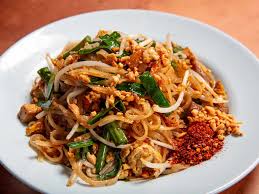
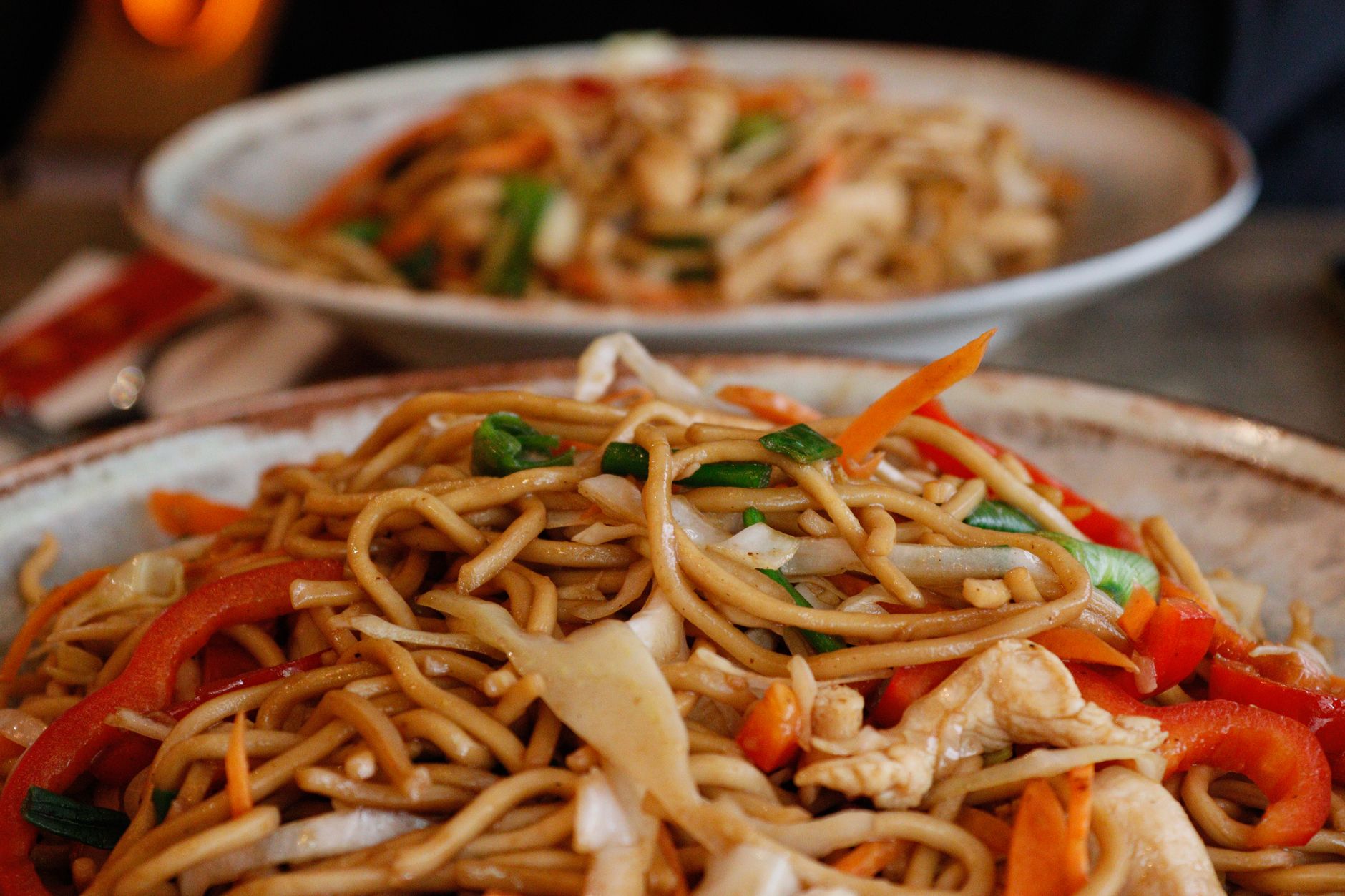
Imagine twirling tender, golden noodles loaded with a savory sauce that carries hints of garlic, ginger, and soy. That’s the magic of classic lo mein noodles. Despite its global popularity, many don‘t realize there isn‘t actually a specific "lo mein" noodle sold in stores. Instead, you can use thin egg noodles or even pasta varieties like spaghetti, making this dish wonderfully adaptable. Classic lo mein noodles deliver a comforting combination of soft noodles and rich, slightly saucy flavors that feel both familiar and exciting.
Health Benefits & Nutrition
Lo mein can be surprisingly nourishing when prepared with fresh ingredients. First, the inclusion of lean protein like chicken provides essential amino acids needed for muscle repair and growth. Secondly, ginger and garlic, both staples in the recipe, are renowned for their anti-inflammatory and immune-boosting properties (NIH). Third, the fresh vegetables contribute dietary fiber, supporting digestion and heart health (Harvard T.H. Chan School of Public Health). Lastly, using moderate amounts of soy sauce and oyster sauce provides flavor without an overload of sodium when controlled carefully.
Safety Note: Those with soy allergies or on low-sodium diets should adjust sauce quantities accordingly. Pregnant individuals should ensure all proteins are cooked through thoroughly.
Ingredients & Preparation
Recipe Card
| Prep Time | 10 minutes |
|---|---|
| Total Time | 20 minutes |
| Servings | 4 to 6 |
| Calories (per serving) | ~617 kcal |
| Diet Tags | Gluten (can substitute), High Protein |
Full Ingredient List
- 3 tablespoons oyster sauce
- 1 teaspoon toasted sesame oil
- 1 tablespoon soy sauce
- 1/4 cup chicken stock (or vegetable broth)
- 1 tablespoon cornstarch
- 3 tablespoons high-heat cooking oil (canola or peanut oil)
- 2 teaspoons minced garlic
- 1 1/2 tablespoons thinly sliced fresh ginger
- 1/2 pound boneless, skinless chicken breast or thigh, thinly sliced
- 3 cups fresh egg noodles or thin pasta (spaghetti or fettuccine as alternatives)
- 1/4 pound baby bok choy, ends trimmed
- 3 scallions, cut into 1.5-inch pieces
Equipment Needed
- Large wok or heavy-bottomed skillet
- Mixing bowls
- Whisk or fork for sauce mixing
- Colander for draining noodles
- Sharp knife and cutting board
Tips for Choosing Quality Ingredients
When selecting noodles, look for fresh egg noodles with a slight chew — they hold sauce exceptionally well. If opting for dried pasta, cook al dente and rinse with cold water to stop cooking immediately. Fresh ginger should feel firm and fragrant. Pick baby bok choy with crisp, bright-green leaves free from yellowing or wilting.
Step-by-Step Instructions
Step 1: Prepare the Sauce (3 minutes)
In a small bowl, whisk together oyster sauce, toasted sesame oil, soy sauce, chicken stock, and cornstarch until smooth. Set aside, letting the flavors meld.
Step 2: Heat the Wok and Sauté Aromatics (2 minutes)
Heat wok or large skillet over high heat until just smoking. Add cooking oil and swirl to coat. Toss in minced garlic and sliced ginger, stirring constantly for about 20 seconds until fragrant and lightly browned.
Step 3: Cook the Chicken (3 minutes)
Add thinly sliced chicken to the wok. Stir-fry for about 1 to 1.5 minutes, until chicken is halfway cooked but still slightly pink inside.
Step 4: Add Noodles and Vegetables (3 minutes)
Gently fold in your prepared noodles and baby bok choy. Toss continuously so noodles heat through and bok choy starts to wilt, about 2–3 minutes.
Step 5: Pour the Sauce and Finish Cooking (2 minutes)
Give the sauce a quick stir and pour it over the noodles and chicken. Stir vigorously to coat everything evenly until the sauce thickens and glazes the ingredients, about 1–2 minutes.
Step 6: Garnish and Serve (Immediate)
Add scallions and toss once more. Serve hot for that perfect balance of silky noodles and savory sauce.
Variations & Substitutions
- Protein Swap: Use shrimp, tofu, or thinly sliced beef instead of chicken. For tofu, press and pan-fry before adding.
- Vegetable Boost: Add bell peppers, snap peas, or shiitake mushrooms for extra crunch and nutrition.
- Gluten-Free: Use rice noodles or gluten-free pasta to keep this dish friendly for gluten-sensitive diets. Adjust cooking times accordingly.
Storage & Shelf Life
Store leftover lo mein in an airtight container in the refrigerator up to 3 days. Reheat gently in a skillet over medium heat, adding a splash of water to loosen the sauce.
For longer storage, freeze lo mein in sealed containers for up to 1 month. To reheat, thaw overnight in the fridge, then warm through on the stovetop.
Watch out for sour smell, slimy texture, or discoloration — these are signs your leftovers should be discarded.
Pro Tips for Perfect Lo Mein Noodles
- Sauce First: Mix your sauce well before cooking. The sesame oil goes in with the sauce to preserve its toasted aroma since it burns quickly if heated directly.
- High Heat, Quick Stir-Fry: Maintain high heat to get that signature sizzle and prevent noodles from becoming soggy.
- Noodle Texture: If using dried pasta, cook just until al dente and rinse under cold water to stop cooking immediately. This helps the noodles keep their bite when stir-fried.
- Ingredient Prep: Slice all ingredients before turning on the heat — stir-frying is fast and you won’t have time to chop mid-cook.
When is the best time to eat Classic Lo Mein Noodles?
Classic lo mein noodles shine as a quick lunch or cozy dinner. Their warm, filling nature makes them perfect after a busy day or a casual weekend meal. Because they‘re ready in about 20 minutes, they also work well when you want delicious comfort food that doesn‘t require hours in the kitchen.
Can I use dried pasta instead of egg noodles?
Absolutely. Thin dried pasta like spaghetti or fettuccine works well. Cook al dente, rinse under cold water, and drain thoroughly before stir-frying to achieve the right texture and prevent sticking.
How do I keep the noodles from sticking or clumping together?
After cooking noodles, rinse them with cold water to remove excess starch. Toss lightly with a bit of oil if you’re not cooking immediately. Stir-frying on high heat also helps separate the noodles.
What’s the difference between lo mein and chow mein noodles?
Lo mein noodles are soft and tossed with sauce, while chow mein noodles are usually fried until crispy. Both dishes use similar noodles but differ in cooking technique and texture.
Can I make this recipe vegetarian?
Yes, replace chicken with firm tofu or extra vegetables. Use vegetable broth instead of chicken stock and ensure oyster sauce is vegetarian or substitute with mushroom sauce.
Is it necessary to use sesame oil in the sauce?
Sesame oil adds a distinctive, nutty aroma that enhances flavor. While optional, a small amount in the sauce makes a big difference. Avoid cooking with it over high heat to prevent burning.
How do I store leftover lo mein safely?
Store leftovers in an airtight container in the fridge for up to 3 days. Reheat gently, adding water if the sauce thickens or dries out. Avoid leaving cooked noodles at room temperature for extended periods.
How can I make the sauce thicker or thinner?
Adjust cornstarch quantity to control sauce thickness. For a thinner sauce, reduce cornstarch or add a little more chicken stock. For thicker sauce, use slightly more cornstarch, but dissolve it fully before adding.
More Recipes You Will Love
If you enjoy the rich, savory profile of classic lo mein, you might want to try the Asian spiced duck breasts with ginger chili glaze recipe. It delivers a spicy, aromatic punch that pairs beautifully with noodles or steamed rice.
For a creamier twist on noodles, check out the creamy gochujang chicken noodles. It provides a depth of flavor with a gentle heat that complements tender chicken and fresh veggies.
Conclusion
Classic lo mein noodles combine ease, flavor, and versatility in one satisfying dish. Whether using traditional egg noodles or your favorite pasta, this recipe offers a wonderful balance of savory sauce, tender chicken, and fresh vegetables in under 20 minutes. Try it tonight, and feel free to share your variations or tips in the comments below. Your next favorite noodle meal is just a wok away!
FAQs
When is the best time to eat Classic Lo Mein Noodles?
Classic Lo Mein Noodles are perfect anytime you want a quick, satisfying meal. They work well for lunch or dinner and are great when you need a flavorful dish ready in 20 minutes or less.
Can I substitute the egg noodles with other types of pasta for Classic Lo Mein Noodles?
Yes, you can substitute egg noodles with thin pasta like spaghetti or fettuccine. Just cook the pasta al dente and rinse with cold water to stop the cooking process before stir-frying with the sauce and other ingredients.
Are Classic Lo Mein Noodles a healthy meal option?
When prepared with lean protein, fresh vegetables, and moderate sauces, Classic Lo Mein Noodles can be nutritious. They provide good protein, fiber, and immune-supporting ingredients like garlic and ginger.
What sauces are typically used in Classic Lo Mein Noodles?
The classic sauce combines oyster sauce, soy sauce, toasted sesame oil, chicken stock, and cornstarch to create a savory, slightly thickened coating for the noodles and other ingredients.
How should I store leftover Classic Lo Mein Noodles?
Store leftovers in an airtight container in the refrigerator for up to 2-3 days. Reheat gently in a skillet or microwave, adding a splash of water or broth to keep the noodles moist and prevent drying out.