Why Homemade Soft Pretzels Recipe?
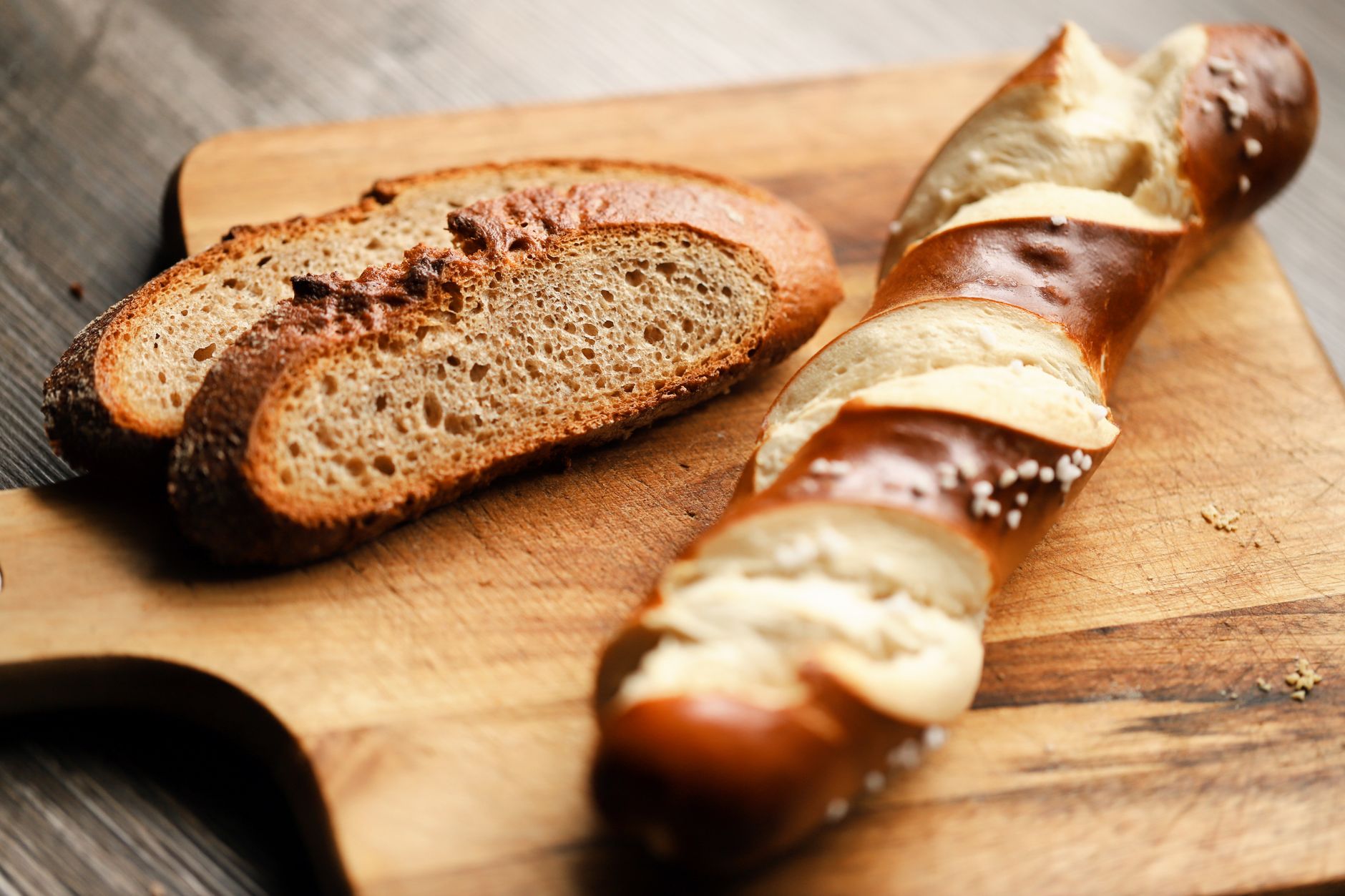
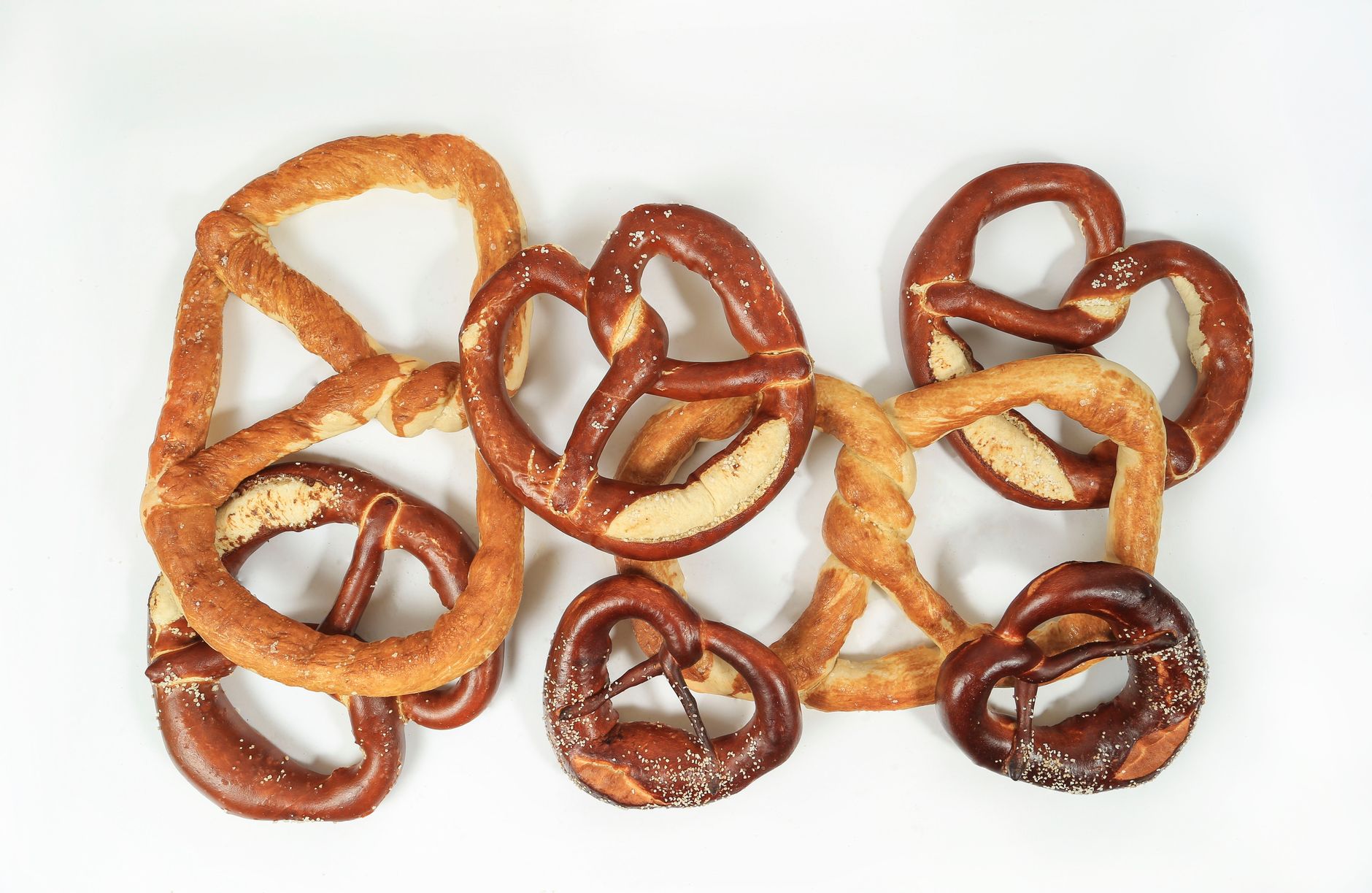
The first bite gives you a crisp, glossy crust before the warm, chewy center appears. This Homemade Soft Pretzels Recipe turns simple pantry ingredients into fairground-style snacks with a deep brown finish and a savory salt topping.
Homemade soft pretzels are made by mixing a yeast dough, letting it rise, shaping it into ropes, dipping each pretzel in a baking soda bath, and baking until deeply golden. The bath creates the classic pretzel color, chewy crust, and lightly alkaline flavor that regular bread dough does not have.
I have found that the dough is easiest to shape when it feels supple but not sticky. The first time I made these, I used too much flour while rolling, which made the ropes spring back. A lightly oiled work surface works better and keeps the finished pretzels tender.
Serve them warm with mustard, cheese sauce, or a simple dipping sauce. They are especially good straight from the oven, when the crust still crackles slightly as it cools.
Health Benefits & Nutrition
These pretzels are a satisfying snack, but they are still a refined-flour baked good. Their main nutritional strengths are energy, convenience, and a modest amount of protein from the flour and egg wash.
- Provides carbohydrates for energy: Flour supplies carbohydrates, making one pretzel filling enough for a snack or alongside soup.
- Contains some protein: Each pretzel provides a small amount of protein from wheat flour, with additional protein from the egg yolk used for brushing.
- Uses a short ingredient list: The dough contains flour, yeast, butter, sugar, salt, and water. Making them yourself lets you control the butter, topping, and added flavorings.
- Can be portioned easily: Dividing the dough into eight pieces gives you consistent servings and makes it easier to freeze extras for another day.
One important consideration is sodium. The baking soda bath and pretzel salt can make these snacks quite salty, and the final amount varies with how much topping sticks. If you are limiting sodium or managing a health condition, use less pretzel salt and ask a doctor or dietitian for advice suited to your needs.
This recipe contains wheat, dairy, and egg. It is not suitable for people with a wheat allergy, celiac disease, or a milk or egg allergy unless you use carefully tested substitutions and avoid cross-contact.
Ingredients & Preparation
Recipe Card
| Prep time | 1 hour 30 minutes |
|---|---|
| Cook time | 25 minutes |
| Total time | 1 hour 55 minutes |
| Servings | 8 pretzels |
| Calories | Approximately 350 calories per pretzel |
| Diet tags | Vegetarian |
Full Ingredient List
- 1 1/2 cups warm water, 110°F to 115°F
- 1 tablespoon granulated sugar
- 2 teaspoons kosher salt
- 1 package active dry yeast
- 22 ounces all-purpose flour, approximately 4 1/2 cups
- 2 ounces unsalted butter, melted
- Vegetable oil, for greasing the bowl and pans
- 10 cups water
- 2/3 cup baking soda
- 1 large egg yolk, beaten with 1 tablespoon water
- Pretzel salt, for topping
Equipment Needed
You will need a stand mixer with a dough hook, a large mixing bowl, two half-sheet pans, parchment paper, a large saucepan or roasting pan, a slotted spatula, a pastry brush, and a wire cooling rack. Use a pan that holds at least 8 quarts for the baking soda bath because the water foams as it boils.
Tips for Choosing Quality Ingredients
Use fresh active dry yeast and check that it is within its expiration date. Water that feels comfortably warm on your wrist is usually close to the right temperature, but a thermometer gives the most reliable result. Very hot water can weaken or kill the yeast.
For the best texture, weigh the flour if possible. If measuring by cups, spoon the flour into the cup and level it instead of packing it down. Use coarse pretzel salt for a traditional finish; table salt dissolves quickly and can make the topping taste harsh.
Dipping sauce for bierocks can also work well beside these pretzels, especially if you want something creamy and savory.
Step-by-Step Instructions
1. Activate the yeast and knead the dough
Combine 1 1/2 cups warm water, the sugar, and kosher salt in the bowl of a stand mixer. Sprinkle the yeast over the surface and wait 5 minutes. The yeast should look foamy around the edges and smell pleasantly bready. Add the flour and melted butter, then mix on low speed for 2 minutes. Increase to medium speed and knead with the dough hook for 4 to 5 minutes, until the dough looks smooth and pulls away from the bowl.
2. Let the dough rise for 50 to 55 minutes
Lightly oil a clean bowl and place the dough inside. Cover it with plastic wrap and leave it in a warm, draft-free place for 50 to 55 minutes, or until it has doubled in size. A properly risen dough feels airy when you gently press it, and the indentation should slowly begin to fill in. If your kitchen is cool, the rise may take several extra minutes.
3. Prepare the pans and baking soda bath
Heat the oven to 450°F. Line two half-sheet pans with parchment paper and brush the parchment lightly with vegetable oil. Bring 10 cups water and 2/3 cup baking soda to a rolling boil in an 8-quart saucepan or roasting pan. The liquid will foam, so lower the heat slightly if it threatens to overflow.
4. Shape eight pretzels
Turn the risen dough onto a lightly oiled work surface and divide it into 8 equal pieces. Roll each piece into a rope about 24 inches long. Form a U-shape, cross the two ends once, then press the ends onto the lower curve of the U. Set each shaped pretzel on the prepared pans, leaving space between them.
Keep the dough lightly covered while shaping the later pieces. I found that uncovered dough develops a dry skin quickly, which makes the ends harder to press down securely.
5. Boil, glaze, salt, and bake
Lower one pretzel at a time into the boiling baking soda bath for exactly 30 seconds. Remove it with a large flat spatula and return it to the parchment. Brush with the egg yolk mixture and sprinkle with pretzel salt. Bake at 450°F for 12 to 14 minutes, rotating the pans halfway through if your oven browns unevenly.
The pretzels are ready when the surface is a rich mahogany brown and the exposed edges look firm. You should hear a faint sizzle as the egg wash finishes setting. Cool them on a wire rack for at least 5 minutes before serving.

Variations & Substitutions
- Garlic butter pretzels: Replace the melted butter in the dough with the same 2 ounces of melted butter, then brush the baked pretzels with 2 tablespoons melted butter mixed with 1/2 teaspoon garlic powder.
- Cinnamon sugar pretzels: Omit the pretzel salt. After baking, brush the warm pretzels with 2 tablespoons melted butter and toss them with 1/3 cup granulated sugar mixed with 1 teaspoon ground cinnamon.
- Cheddar pretzels: Add 1/2 cup finely shredded sharp cheddar to the dough after the flour has been incorporated. Knead for an additional 30 seconds. The dough may feel slightly softer.
- Whole-wheat version: Replace 5 ounces of the all-purpose flour with 5 ounces whole-wheat flour. Add 1 tablespoon water only if the dough feels dry after 2 minutes of mixing.
- Dairy-free option: Replace the 2 ounces butter with 2 ounces neutral vegetable oil. Brush the shaped pretzels with an egg wash as written, or use plant milk if you need to avoid egg.
- Mini pretzels: Divide the dough into 16 pieces and roll each rope about 12 inches long. Boil for 20 seconds and bake for 8 to 10 minutes at 450°F.
Gluten-free flour blends do not always behave like wheat flour in a yeast dough. For a gluten-free version, use a tested gluten-free pretzel recipe rather than replacing the flour cup for cup here.
Storage & Shelf Life
Store cooled pretzels in an airtight container at room temperature for up to 2 days. They are best on the day they are baked, but reheating restores some of the soft center and crisp surface.
For longer storage, freeze the completely cooled pretzels in a single layer for 1 hour. Transfer them to a freezer bag, remove excess air, and freeze for up to 2 months. Reheat from frozen at 350°F for 10 to 12 minutes, or thaw first and warm for 5 to 7 minutes.
Refrigeration is not ideal because it can make the bread stale and firm. If you do refrigerate them, keep them sealed for no more than 3 days and reheat before eating. Discard pretzels that show mold, unusual discoloration, a sour fermented smell, or a damp, sticky texture.
Pro Tips
- Measure flour carefully: Too much flour produces a tight dough that is difficult to stretch. Weighing 22 ounces gives the most consistent result.
- Do not skip the rise: The dough should visibly double. Under-risen dough creates dense pretzels with little chew.
- Use oil, not extra flour, for shaping: A thin film of oil prevents sticking without drying the dough or making the ropes slide apart.
- Keep the bath at a controlled boil: A violent boil can distort the pretzel shape. The water should bubble actively but not splash over the pan.
- Secure the ends: Press the rope ends firmly into the lower curve. If they loosen during boiling, pinch them together again before adding the egg wash.
- Apply the egg wash lightly: Too much liquid gathers in the bends and can leave pale, slightly rubbery patches. A thin, even coating gives the best shine.
- Salt just before baking: The egg wash acts as glue, so add pretzel salt immediately after brushing. If you wait, the surface may dry and the salt will fall away.
- Cool on a rack: A solid plate traps steam underneath and softens the bottom crust. Airflow keeps the base pleasantly chewy.
Questions & Answers
When is the best time to eat Homemade Soft Pretzels Recipe?
The best time to eat Homemade Soft Pretzels Recipe is within a few hours of baking. The crust is most fragrant and lightly crisp while the center remains warm and chewy. If the pretzels have cooled completely, reheat them at 350°F for 5 to 7 minutes before serving.
Why did my pretzels turn out dense?
Dense pretzels usually result from under-rising, excess flour, or overworking the dough. Let the dough double in size before shaping, weigh the flour when possible, and knead only for the stated 4 to 5 minutes. A cool kitchen can also slow the rise, so allow a little extra time.
Can I prepare the dough ahead of time?
You can prepare the dough up to 24 hours ahead and refrigerate it after kneading. Place it in a lightly oiled, covered bowl, then let it sit at room temperature for about 45 minutes before shaping. The cold dough may need extra time to become flexible and easy to roll.
Why do pretzels need a baking soda bath?
Pretzels need a baking soda bath to develop their dark color, chewy crust, and distinctive savory flavor. The alkaline water changes the dough surface before baking. Boil each shaped pretzel for 30 seconds, then drain it well so excess water does not dilute the egg wash.
Can I use instant yeast instead of active dry yeast?
You can use instant yeast in the same quantity, although it may begin working slightly faster. Mix it directly with the flour or add it to the warm water as written. The visual rise matters more than the exact clock time, so shape the dough after it has doubled.
What can I serve with soft pretzels?
Serve soft pretzels with yellow mustard, spicy brown mustard, cheese sauce, or a warm beer-style dip. For a broader snack spread, pair them with Sun chips for diabetics and fresh vegetables. Keep strongly salty dips modest because the pretzels already contain salt.
Can I make these pretzels without a stand mixer?
You can knead the dough by hand for about 8 to 10 minutes. Stir the ingredients together with a sturdy spoon, then knead on a lightly oiled surface until smooth and elastic. The dough should pull away from your hands, although it may remain slightly tacky.
More Recipes You Will Love
If you enjoy warm, bready snacks, try a batch of homemade dinner rolls or garlic knots next. Both use the same basic skills: yeast activation, careful kneading, and patience during the rise.
For a heartier snack table, serve these pretzels with savory filled pastries and a creamy dip. The Dipping sauce for bierocks brings a tangy contrast to the pretzels‘ salty crust.
Conclusion
This Homemade Soft Pretzels Recipe gives you chewy centers, glossy brown crusts, and plenty of room for sweet or savory toppings. The key is letting the dough rise fully, using a lightly oiled surface for shaping, and keeping the baking soda bath to 30 seconds. Bake them until deeply golden, cool them briefly, and serve warm with your favorite dip. If you make a batch, leave a rating or share how you flavored yours.
FAQs
When is the best time to eat Homemade Soft Pretzels Recipe?
Soft pretzels are best eaten warm, within a few hours of baking, when the crust is still crisp and the center is chewy. Serve them with mustard, cheese sauce, or a simple dipping sauce. Pretzels lose their texture as they cool, so reheat leftovers briefly if needed.
How do you store leftover homemade soft pretzels?
Store leftover soft pretzels in an airtight container at room temperature for up to two days. For longer storage, wrap cooled pretzels tightly and freeze them for up to three months. Reheat frozen pretzels in a 300°F oven for about 5 minutes to bring back some crust crispness.
Can you make Homemade Soft Pretzels Recipe ahead of time?
Yes, you can prepare the dough ahead and refrigerate it after mixing for a slower rise. Bring chilled dough to near room temperature before shaping, since cold dough is stiff and springs back. Baked pretzels are best made the same day they are served.
Why are my soft pretzels dense or tough?
Dense or tough pretzels usually come from too much flour, dough that did not rise long enough, or overworking the ropes. Keep the dough supple but not sticky, and use a lightly oiled work surface instead of extra flour. Let shaped pretzels rest briefly so the gluten relaxes.
Can you make soft pretzels without baking soda?
No, baking soda is what gives soft pretzels their deep brown color and classic flavor. Without the baking soda bath, the dough bakes up pale and tastes more like plain bread. An egg wash alone can add shine but will not reproduce the chewy, alkaline crust.