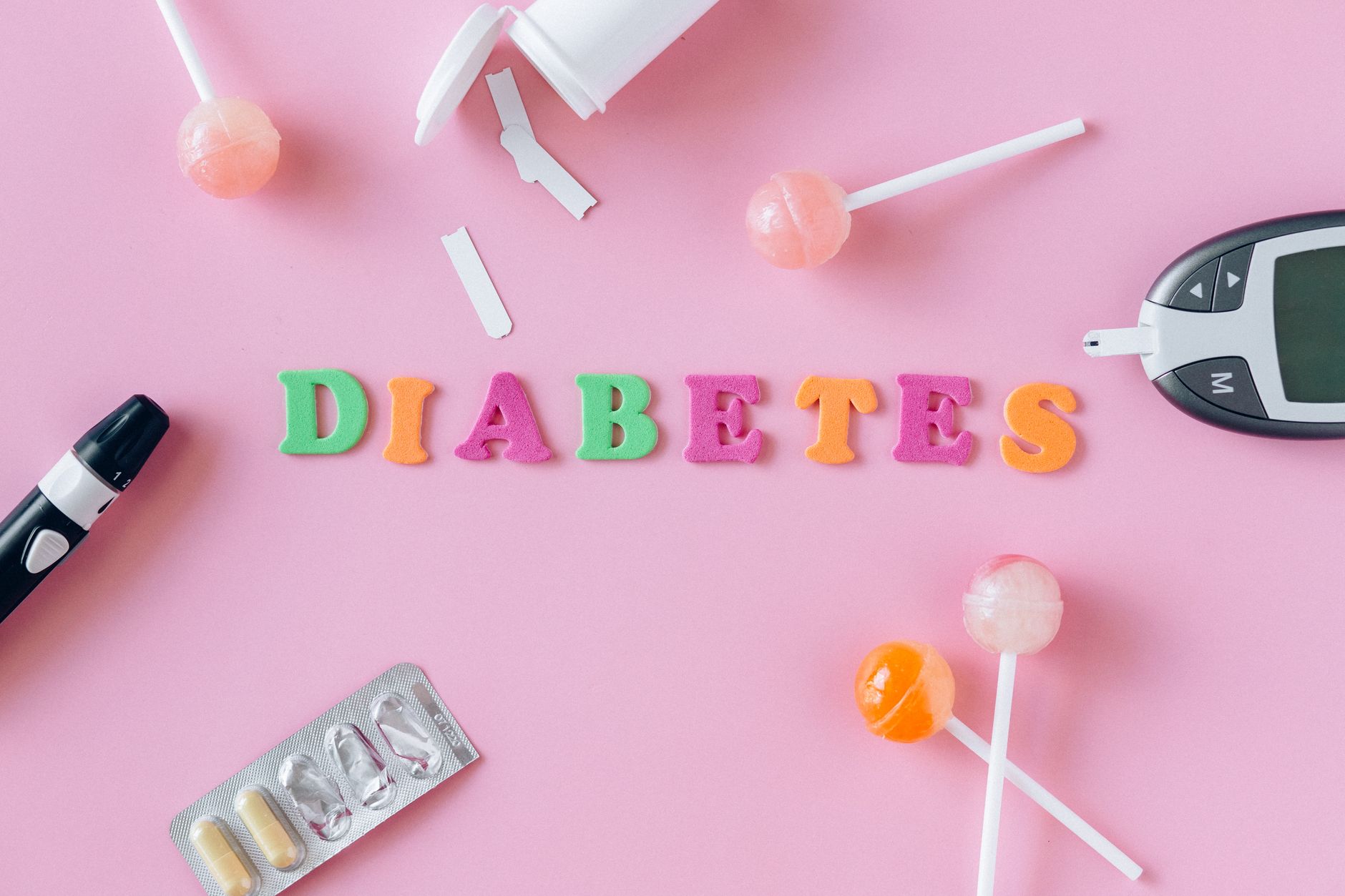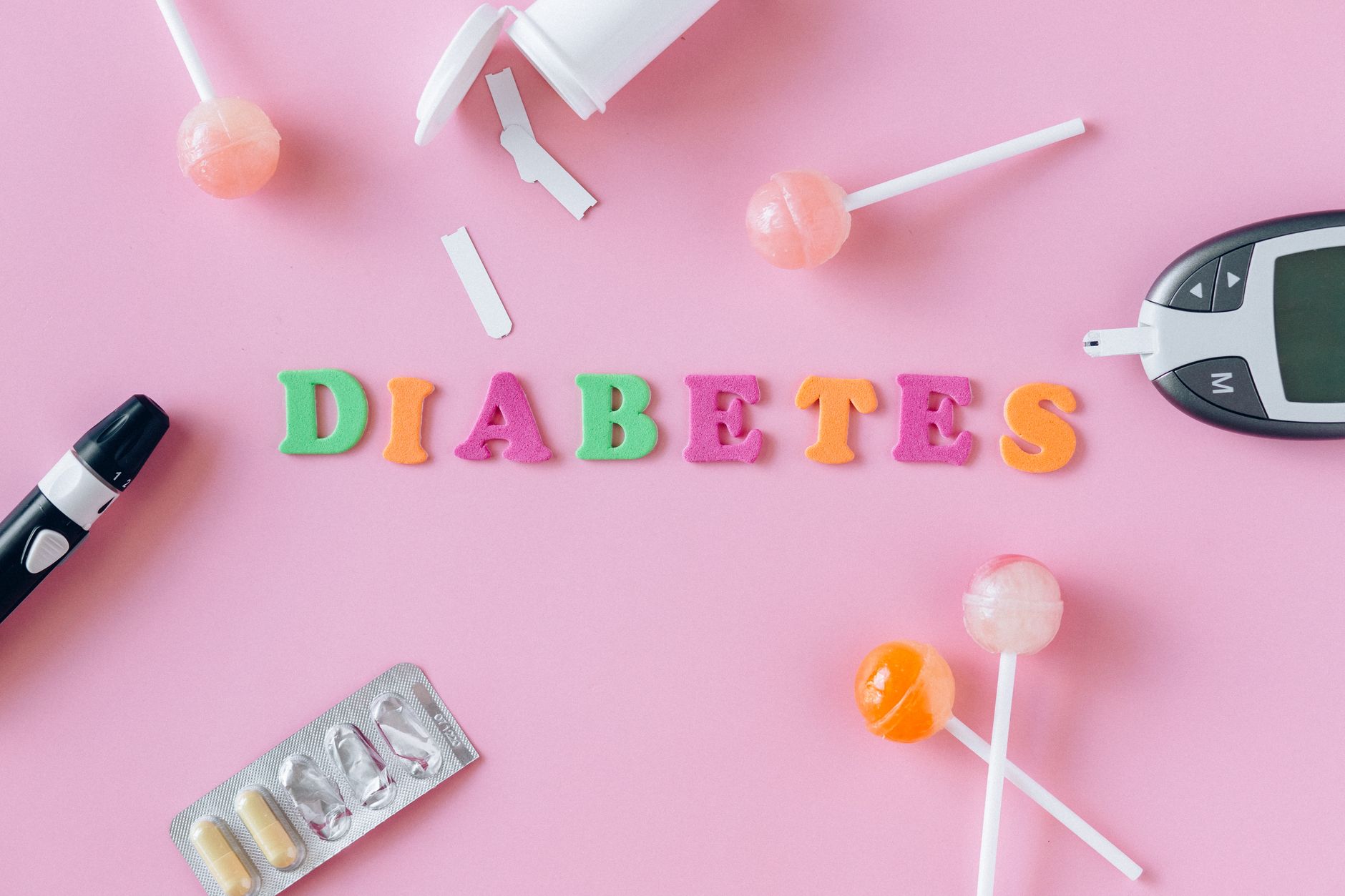
Busy mornings or quick snacks dont have to mean sacrificing blood sugar control. Homemade smoothies for diabetics offer a creamy, tasty way to enjoy fresh fruits and veggies without worrying about sugar spikes. These thoughtfully balanced blends focus on low glycemic fruits, fiber-rich greens, and protein-packed ingredients to help keep blood sugar steady and your energy sustained.
Why Smoothies Help
What Makes These Smoothies Diabetes-Friendly?
The secret lies in ingredient choices and balance. Homemade smoothies for diabetics avoid high-sugar fruits and refined sweeteners. Instead, they combine fiber, protein, and healthy fats to slow glucose absorption. This helps you avoid the dreaded energy crash after a sweet drink.
Using whole fruits rather than juices keeps the fiber intact, which reduces blood sugar spikes. Additionally, adding protein like Greek yogurt or nuts extends fullness and stabilizes insulin response.
How Balanced Nutrients Manage Blood Sugar
Combining carbohydrates with fats and proteins creates a harmonious blend that your body processes more steadily. Fiber in vegetables and fruits slows digestion, while fats and proteins from seeds or dairy provide lasting satiety. This trio works together to smooth out glucose fluctuations naturally.
Why Homemade Beats Store-Bought
Store-bought smoothies often hide added sugars and concentrates that easily send blood sugar soaring. When you make your smoothie at home, you control every scoop and splash. You can skip artificial syrups and select ingredients mashed fresh or frozen, which promotes maximum nutritional value.
Ingredients You Need
| Prep time | Total time | Servings | Calories | Diet tags |
|---|---|---|---|---|
| 10 minutes | 10 minutes | 2 | 180 kcal per serving | Low-carb, Gluten-free, Keto-friendly, Vegan option |
Which Fruits Are Best?
When choosing fruits for homemade smoothies for diabetics, focus on those with a low glycemic index. Berries like blueberries, raspberries, and strawberries are excellent options. Tart cherries and green apples provide sweetness without overwhelming sugar. You can swap bananas for zucchini or avocado to lower carb content while keeping creaminess.
Vegetables and Greens That Boost Fiber
Leafy greens like spinach and kale are superstar additions. They add mild earthy notes and a nutrient boost without raising sugar. Cucumbers and carrots contribute crunch and subtle sweetness. Adding a handful of greens also ups your fiber, helping further blunt blood sugar elevations.

Protein and Healthy Fats
Protein slows sugar absorption and increases fullness. Greek yogurt, cottage cheese, nuts, and seeds make perfect choices. Nut butters like almond or peanut add richness and keep you satisfied. For non-dairy options, try plant-based protein powders from pea or hemp.
Sweeteners to Avoid
Skip added sugars, honey, and maple syrup on diabetic smoothie day. Instead, enhance sweetness with natural spices like cinnamon and vanilla extract. Monk fruit or stevia provide natural sweetness without carbs. These choices reduce the risk of blood sugar spikes and keep your smoothie tasty.
Making Smoothies at Home
Prepare Ingredients for Best Flavor
Wash fruits and vegetables thoroughly and chop into bite-size pieces for easy blending. Measure protein and fats in advance. Remove any skins or seeds that could create bitterness or grit. Cold ingredients help achieve a refreshing texture.
Blend with Precision
Load the blender by adding liquids first (like water, milk, or plant milk) followed by soft ingredients and then frozen fruits or ice. Blend on high speed for 45 seconds. Stop and scrape down the sides before blending an additional 15 seconds to ensure smoothness.
Common Mistakes to Avoid
- Adding too many fruits stick to 1/2 cup to manage carbs per serving.
- Over-blending it can heat the smoothie slightly and affect nutrients.
- Using sugary liquids opt for unsweetened almond milk or water.
- Ignoring portion size keep servings between 812 ounces to maintain blood sugar stability.
Portion Control Tips
Avoid making oversized smoothies. Two smaller servings spaced throughout the day help maintain better glucose levels. Using measuring cups keeps your portions accurate. Most recipes here yield two servings of about 10 ounces each.
Variations and Swaps
Vegan and Dairy-Free Options
Swap Greek yogurt for unsweetened coconut or almond yogurt. Use plant-based protein powders or silken tofu for creaminess and protein. Choose unsweetened plant milks like oat, cashew, or hemp for dairy alternatives.
Low-Carb and Keto-Friendly
Replace berries with avocado, cucumber, and greens to cut carbs. Add healthy fats like MCT oil or coconut cream to increase satiety. Use spinach as a base and combine with seeds like chia or flax for fiber and omega fatty acids.
Boosting Weight Loss and Satiety
Incorporate fiber-rich ingredients like psyllium husk or ground flaxseed. Add a spoonful of nut butter or a scoop of protein powder to keep you full longer. Avoid fruit-heavy recipes on calorie-restricted days.
Green Smoothies for Diabetics
For an extra nutrient-packed option, explore green smoothies for diabetics that combine kale, celery, and parsley with subtle fruits like green apple or kiwi. Balancing flavors with lemon juice or ginger adds brightness without sweetness overload. For more ideas, check a green smoothies for diabetics collection that suits various tastes.

Serving and Pairing
Best Times to Enjoy
Morning smoothies kick-start your metabolism and provide lasting energy. Mid-morning or afternoon smoothies work well as snacks to prevent blood sugar dips. Post-workout, they support muscle recovery and replenish nutrients without excess sugar.
Foods That Pair Well
Pair your smoothie with protein-rich snacks like boiled eggs or a handful of nuts. Avoid high-carb foods during the same meal to maintain stable glucose levels. Simple veggie sticks or a slice of whole-grain toast can complement the smoothie nicely.
Customize Flavors
Adjust spices like cinnamon, nutmeg, or ginger for warmth. Add fresh mint or basil leaves for a herbal pop. Swap fruit combos depending on seasonality and availability to keep flavors exciting yet diabetic-friendly.
Storage and Prep Tips
How Long to Store Smoothies
Refrigerate your homemade smoothies in airtight containers at 40F (4C) for up to 4 days. Nutrient loss can occur, especially vitamin C and folate, after the first 24 hours, so fresh is best.
Freezing Smoothies
Freeze smoothies in individual portions for up to 3 months. Use freezer-safe containers or zip-lock bags with excess air squeezed out. Thaw in the refrigerator overnight or blend briefly to restore texture.
Make-Ahead Ingredient Packs
Prepare smoothie packs by chopping and portioning fruits and vegetables in freezer bags. In the morning, dump contents into the blender with your liquid and protein. This saves time and ensures you always have diabetic-friendly ingredients ready.
Reheating Smoothies
Avoid reheating smoothies. Warm temperatures degrade delicate nutrients and alter texture. Instead, enjoy them chilled or at room temperature for best flavor and nutrient retention.
Pro Tips
Adjusting Thickness
Too thick? Add small amounts of cold water or unsweetened plant milk, blending on medium speed for 10 seconds. Too thin? Incorporate ice cubes or frozen fruit in 1/4 cup increments, blending on high for another 15 seconds.
Enhancing Sweetness Naturally
Add a pinch of cinnamon or two drops of pure vanilla extract. Using ripe berries or a splash of strong brewed herbal tea like hibiscus can add subtle sweetness and complexity without sugar.
Fixing Separation
If your smoothie separates, stir or shake just before drinking. For a stable texture, add a teaspoon of chia seeds or flaxseeds, which absorb liquid and hold the mixture together.
Handling Different Blenders
For lower-powered models, chop ingredients smaller and blend liquids first. Pulse when possible to avoid overheating. High-speed blenders get creamy results faster but always pause to scrape sides.
Frequently Asked Questions
When is the best time to drink homemade smoothies for diabetics?
Having a homemade smoothie in the morning or between meals works best. These times help keep energy steady and prevent blood sugar dips. Avoid drinking large smoothies with meals unless carefully portioned to avoid excess carbs.
Can people with type 2 diabetes drink fruit smoothies?
Yes, but its crucial to choose low glycemic fruits and balance them with protein and fiber. Portions should be moderate to prevent sharp glucose spikes. Avoid fruit juices or concentrates that lack fiber.
Which smoothie ingredients should be avoided for blood sugar control?
Steer clear of high-sugar fruits like mango, pineapple, and ripe bananas. Skip added sweeteners such as honey and syrups. Avoid fruit juices and flavored yogurts that often contain hidden sugars.
Are breakfast smoothies suitable for diabetics trying to lose weight?
Absolutely, when made with low-carb, high-fiber, and high-protein ingredients. They provide nutrients and keep you full longer. Portion control and careful ingredient selection are key to avoid unwanted calorie or sugar overload.
How do I know if a smoothie is safe for my diabetes plan?
Check the total carbohydrate content per servingideally under 20 grams. Include a balance of protein and fiber. Monitor your blood sugar response after drinking to adjust ingredients accordingly with your healthcare providers advice.
Where can I find printable diabetic smoothie recipes or PDFs?
Many trusted nutrition websites and diabetes associations offer downloadable recipes. Here at RecipeIsEasy, our blog includes easy-to-print recipes you can save or share for your meal planning.
Can homemade smoothies replace a meal for diabetics?
Yes, if they contain enough protein, fiber, and fat to meet your energy needs. Adding nuts, seeds, or protein powder helps ensure they provide balanced nutrition. Always consider your individual diabetes management plan when substituting meals.

More Delicious Ideas
For a refreshing lunch companion, try a Smoked salmon and dill egg salad tea sandwiches recipe 1945236. Its low-carb, flavorful, and pairs beautifully with lighter smoothies.
If you prefer savory options, the Weeknight steak with parsnip puree 8704342 offers a hearty, diabetes-friendly dinner that balances rich flavors with healthy ingredients.
Conclusion
Homemade smoothies for diabetics offer a simple, delicious way to nourish your body while managing blood sugar. Experiment with the low-sugar fruits, veggies, and protein combinations here to find your favorites. Dont hesitate to tweak flavors or share your creations belowyour perfect smoothie might be just a blend away.
FAQs
When is the best time to drink homemade smoothies for diabetics?
The best times to drink homemade smoothies for diabetics are in the morning or between meals. These timings support steady energy and help prevent blood sugar dips. Avoid consuming large smoothies with meals unless portions are carefully controlled.
Can people with type 2 diabetes drink fruit smoothies?
Yes, but it is important to use low glycemic index fruits and balance them with protein and fiber to avoid blood sugar spikes. Avoid using fruit juices or concentrates that lack fiber and limit portion sizes.
Which smoothie ingredients should be avoided for blood sugar control?
Avoid high-sugar fruits like mango, pineapple, and ripe bananas, as well as added sweeteners such as honey, maple syrup, and flavored yogurts. Also, skip fruit juices and concentrates that can cause rapid glucose increases.
Are breakfast smoothies suitable for diabetics trying to lose weight?
Yes, when made with low-carb, high-fiber, and high-protein ingredients, breakfast smoothies can support weight loss by providing nutrients and prolonged fullness. Portion control is essential to prevent excess calorie and sugar intake.
How do I know if a smoothie is safe for my diabetes plan?
Check that the total carbohydrate content per serving is ideally under 20 grams and includes balanced protein and fiber. Monitor your blood sugar response after consumption and adjust ingredients according to your healthcare provider’s advice.