Why Homemade Italian Sausage?
Imagine the golden sizzle and irresistible aroma of sausage sizzling fresh in your kitchen. Homemade Italian sausage captures the essence of classic Italian flavors with a bold kick of fennel and aromatic herbs. This versatile sausage brings a rich, savory depth to pasta sauces, grilled dishes, or your favorite sandwiches. The joy of making it yourself lies in controlling every ingredient, ensuring freshness and a mouthwatering texture that store-bought versions can’t match. Crafting your own Italian sausage is a rewarding way to elevate meals while honoring traditional Italian cuisine.
Health Benefits & Nutrition
While Italian sausage is known for its bold flavors, it also offers nutritional benefits when made at home with quality ingredients. Using lean pork shoulder ensures a favorable protein-to-fat ratio, providing essential amino acids responsible for muscle maintenance and overall health. Fennel seeds and parsley add antioxidants and anti-inflammatory compounds, which may promote heart health, according to research published in the Journal of Food Science. Additionally, pecorino Romano cheese contributes calcium and protein. However, those sensitive to high sodium or cholesterol should consume sausage in moderation and consult healthcare providers if pregnant or on specific medications.
Ingredients & Preparation
Recipe Card
| Prep Time | Total Time | Servings | Calories (per serving) | Diet Tags |
|---|---|---|---|---|
| 30 minutes | 30 minutes | 18 | 351 | Gluten-Free |
Full Ingredient List
- 5 pounds pork shoulder (80% lean, 20% fat)
- 1 cup cold water
- 2 tablespoons kosher salt
- 1 tablespoon freshly ground black pepper
- 2 tablespoons fennel seeds
- ½ cup grated pecorino Romano cheese
- ½ cup finely chopped fresh parsley
- ½ pound hog sausage casings
Equipment Needed
- Meat grinder with coarse and medium dies
- Sausage stuffing attachment
- Large mixing bowl
- Sharp knife and cutting board
- Cold running water supply
Tips for Choosing Quality Ingredients
Select fresh pork shoulder with visible marbling to ensure the perfect fat content. Look for firm, pale-pink meat with a fresh scent. Fresh fennel seeds release their sweet, slightly licorice aroma when crushed—choose whole seeds and toast lightly for enhanced flavor. For authentic taste, use dry-cured pecorino Romano cheese, finely grated. Always pick natural hog casings, rinsing thoroughly to ensure they remain supple and free of holes.
Step-by-Step Instructions
Step 1: Prepare and Grind the Meat (15 minutes)
Trim all gristle and excess fat from the pork shoulder, maintaining approximately 20% fat for juiciness. Cut into 1-inch cubes. Chill the meat until cold but not frozen. Using the meat grinder’s coarse die, grind all pork chunks. Then pass the ground meat twice through the medium die to achieve a firm, consistent texture.
Step 2: Mix the Sausage Seasoning (5 minutes)
In a large bowl, combine the ground meat with cold water, salt, black pepper, fennel seeds, pecorino Romano cheese, and parsley. Use your hands to mix everything thoroughly but gently to avoid heating the meat, which can spoil texture.
Step 3: Prepare the Casings (5 minutes)
Rinse hog casings under cold running water, flushing water through the inside to detect any holes. Soak them in cold water until pliable and ready for stuffing.
Step 4: Stuff the Sausages (10 minutes)
Fit your grinder with the sausage stuffing attachment. Feed the casing over the stuffing tube, bunching it up to slide over smoothly. Load meat mixture into the hopper and gently feed it, guiding the casing with your open hand to avoid air pockets. Twist links every 6 inches or as desired. Lay finished sausages flat as you work.
Variations & Substitutions
- Spicy Italian Sausage: Add 1 teaspoon crushed red pepper flakes to the seasoning mix for heat.
- Turkey Italian Sausage: Substitute pork shoulder with ground turkey thigh and increase fat by adding 2 tablespoons olive oil.
- Herb-Infused Sausage: Swap parsley for fresh basil and oregano for a sweeter, floral profile.
- Cheese-Free Sausage: Omit pecorino Romano for a dairy-free option, replace with extra parsley for freshness.
Storage & Shelf Life
Refrigerate fresh homemade Italian sausage in airtight containers for up to 5 days. To extend shelf life, freeze sausages wrapped tightly in plastic wrap then aluminum foil. Frozen sausage lasts up to 3 months without sacrificing flavor or texture. Always thaw frozen sausage in the refrigerator overnight before cooking. Check for spoilage by noting an off smell, slimy texture, or discoloration—discard immediately if any signs appear.
Pro Tips for Perfect Homemade Italian Sausage
- Keep all ingredients chilled to ensure the sausage meat stays firm during grinding and stuffing.
- Toast fennel seeds lightly before grinding to release their earthy, aromatic oils.
- Stuff casings slowly to avoid air pockets—use gentle pressure and pause to release trapped air.
- Twist sausage links evenly and avoid overstuffing to prevent burst casings during cooking.
- Clean equipment thoroughly between batches to avoid contamination and staining from spices like black pepper.
When is the best time to eat Homemade Italian Sausage?
The best time to enjoy homemade Italian sausage is freshly cooked, when the flavors are vibrant and the texture is juicy. It shines in hearty meals like Sunday pasta dishes or weekend grilling sessions. You can also prepare it in advance and reheat gently for quick weekday dinners.
Can I use pork other than shoulder for this recipe?
Pork shoulder is ideal due to its fat content, but you can use pork butt or a combination of leaner cuts with added pork fat. Avoid very lean cuts like loin alone, as this results in dry sausage.
How do I prevent my sausage from bursting during cooking?
Avoid overstuffing the casings and cook sausages over medium heat. Pricking small holes before cooking can release steam but may dry out the sausage. Even twisting of links helps manage pressure and prevents bursting.
Are there vegetarian substitutes for Italian sausage?
While traditional Italian sausage is meat-based, you can explore plant-based alternatives using seasoned textured vegetable protein or mushroom blends. However, flavor and texture will be different from the authentic pork version.
Can I freeze homemade Italian sausage before cooking?
Yes, freeze sausages tightly wrapped to prevent freezer burn. Thaw fully in the refrigerator before cooking to maintain texture and safety.
What spices define authentic Italian sausage?
Fennel seeds are the signature spice, delivering a sweet, licorice-like aroma. Black pepper, parsley, and pecorino Romano cheese complement the balance of savory and aromatic flavors typical of Italian sausage.
Is it necessary to grind meat more than once?
Passing the meat through the grinder multiple times results in a fine, consistent texture, crucial for a sausage that cooks evenly and absorbs spices well.

More Recipes You Will Love
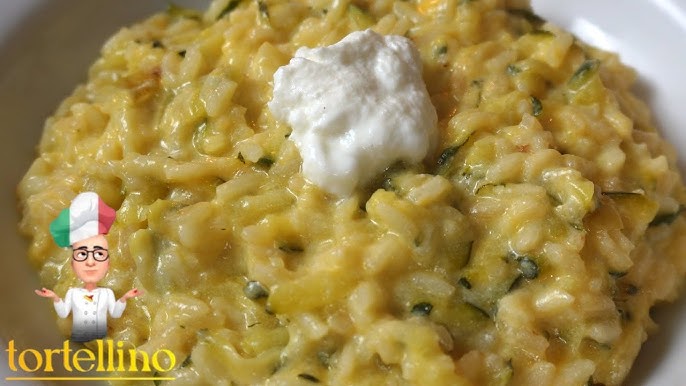
If you enjoy the hearty flavor of homemade Italian sausage, try pairing it with a classic Spaghetti aglio e olio recipe 2043225 for a simple yet flavorful meal that celebrates Italian tradition. For a creamy and comforting side, Chucks ricotta cheese risotto 1961183 complements the richness of sausage beautifully, balancing textures and tastes.

Conclusion
Homemade Italian sausage is a delicious way to bring authentic Italian flavors to your kitchen while controlling the quality of ingredients. The combination of fennel, pecorino cheese, and fresh herbs creates a bright, earthy taste perfect for any dish. Once you try making this sausage, you’ll appreciate the ease and satisfaction of crafting your own savory links. Feel free to share your results or ask questions below—we love hearing how your homemade Italian sausage turns out!
FAQs
When is the best time to eat Homemade Italian Sausage?
Homemade Italian Sausage is best enjoyed fresh after cooking, perfect for lunch or dinner. It adds rich flavor to pasta dishes, sandwiches, or grilled meals any time you're craving hearty Italian flavors.
Can I freeze Homemade Italian Sausage for later use?
Yes, you can freeze homemade Italian sausage either cooked or raw. Wrap tightly in plastic wrap and freeze for up to three months to maintain freshness and flavor for later meals.
What cuts of meat are best for making Homemade Italian Sausage?
Pork shoulder with about 80% lean and 20% fat content is ideal for homemade Italian sausage. This balance provides juiciness and rich flavor essential for authentic texture and taste.
How should I store Homemade Italian Sausage after making it?
Store fresh sausage in the refrigerator in an airtight container and use within 2 days. For longer storage, freeze the sausage properly wrapped to keep flavor and texture intact.
What are common herbs and spices in Homemade Italian Sausage?
Fennel seeds, black pepper, parsley, and pecorino Romano cheese are classic ingredients that create the signature savory and aromatic profile of homemade Italian sausage.