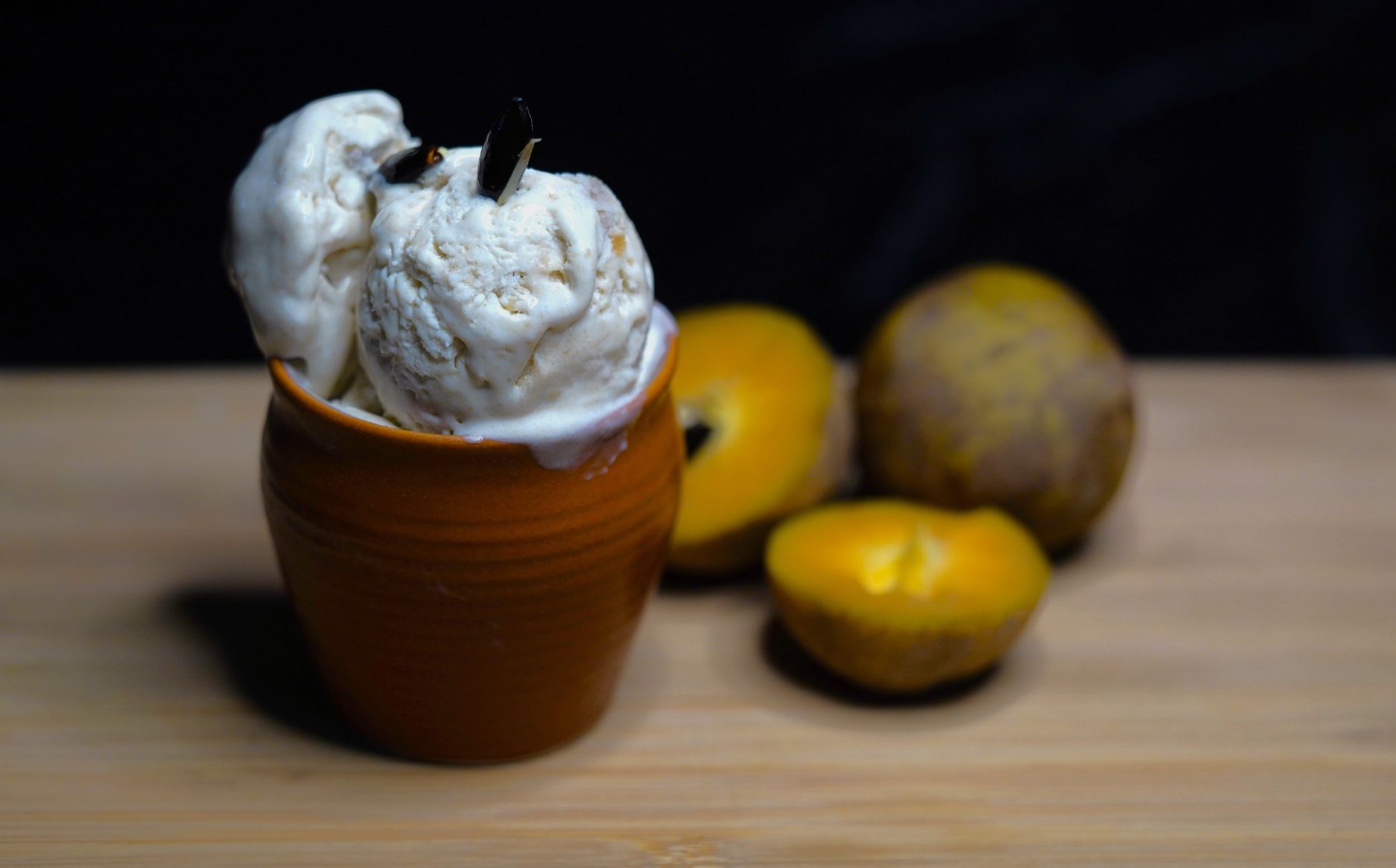
Imagine scooping creamy, dreamy homemade ice cream without cracking eggs or sweating over complicated custards. This homemade ice cream with sweetened condensed milk and whole milk recipe delivers rich texture and natural sweetness with minimal effort. Thanks to sweetened condensed milks luscious creaminess and whole milks smooth balance, you get a velvety treat that feels indulgent but is surprisingly simple to make.
Why This Recipe Works
Sweetened Condensed Milks Magic
Sweetened condensed milk isnt just sweetits the secret that keeps this ice cream creamy and scoopable right out of the freezer. Unlike regular sugar, it has a caramelized milk flavor and thick body that lowers the freezing point, avoiding icy textures common in homemade ice cream.
The Role of Whole Milk
Whole milk provides the fresh, dairy base and adds body without the heaviness of cream. Its natural fat content around 3.5% supports smooth mouthfeel while keeping the recipe light enough to highlight the condensed milks rich notes.
No Eggs Needed
While traditional ice cream often calls for eggs to thicken and stabilize, this recipe skips them entirely. The combination of condensed milks sugars and fats does the job, making this perfect for anyone who wants a simpler, egg-free way to enjoy creamy ice cream without sacrificing texture.
Ingredients with Notes
| Prep time | Total time | Servings | Calories | Diet tags |
|---|---|---|---|---|
| 10 minutes | 4 hours 10 minutes | 6 | 230 kcal | Vegetarian |
Ingredient List
- 1 can (14 oz) sweetened condensed milk (unsweetened wont work)
- 2 cups whole milk, cold
- 1 teaspoon pure vanilla extract
- Optional: pinch of salt to enhance flavor
For a starter version, these simple ingredients cover the bases. Want to experiment? See the substitution table below.
| Ingredient | Substitution | Notes |
|---|---|---|
| Sweetened Condensed Milk | Homemade condensed milk or evaporated milk with extra sugar | Homemade takes more effort; evaporated milk less sweet, alters creaminess |
| Whole Milk | 2% milk or half-and-half | Less fat means slightly icier texture; half-and-half adds richness |
| Vanilla Extract | Vanilla bean paste or almond extract | Almond adds a nutty twist; paste delivers stronger vanilla aroma |
Step-by-Step Instructions
Mixing the Ice Cream Base
Start by pouring the entire can of sweetened condensed milk into a large mixing bowl. Add the 2 cups of cold whole milk slowly while whisking gently. This ensures an even blend without lumps.
Add 1 teaspoon of vanilla extract and a small pinch of salt to balance sweetness. Whisk for 45 seconds until smooth and glossy.
Using an Ice Cream Maker
Pour the base into your ice cream makers frozen bowl make sure its been in the freezer for at least 24 hours. Set your machine to churn on medium speed for 2530 minutes. Youll see the mixture thicken and volume increase as air incorporates.
At 25 minutes, check the consistency. The ice cream should be soft but firm enough to hold shape when scooped.
Common Mistakes
- Not freezing the ice cream bowl adequately - leads to soft ice cream that wont thicken.
- Adding the base when warm - always start cold to reduce churning time and improve texture.
- Over-churning - this can cause graininess and break down fats.
Serving Consistency Check
Remove the ice cream from the machine and serve immediately for a soft-serve style treat. For firmer scoops, transfer to an airtight container, freeze for at least 3 hours, then scoop.

Recipe Variations
Dairy-Free Alternatives
To try vegan versions, replace whole milk with full-fat coconut milk and the condensed milk with store-bought vegan condensed milk or homemade coconut condensed milk. Results vary but the base concept remains.
Sugar and Carb Reductions
Swap sweetened condensed milk for condensed milk sweetened with erythritol or monk fruit for low-carb recipes. Note, some sugar substitutes might slightly change texture.
Flavor Add-Ins
Try stirring in cup chopped toasted nuts or fruit puree after churning to extend flavor complexity. Popular extras include swirls of chocolate syrup, crushed cookies, or fresh berries folded in gently before freezing.
For more ideas on rich dairy desserts, check out the homemade ice cream with condensed milk post for detailed mixes and add-ons.
Serving Suggestions
Toppings and Mix-Ins
- Sprinkles, toasted coconut flakes, or crushed pistachios offer great texture contrast.
- Warm fudge or caramel sauce drizzles perfectly complement the creamy base.
- Fresh fruit like sliced peaches or berries brings bright tang that balances sweetness.

Creative Presentation
Serve scoops atop crisp waffle cones or sundae bowls with a sprig of mint for a fresh look. Blend leftover ice cream into shakes or float with soda water for an adult float with a splash of bourbon or coffee liqueur.
Storage and Reheating
Proper Storage
Store homemade ice cream in an airtight container to prevent ice crystal formation. Keep it in the coldest part of your freezer, ideally below 0F (-18C). It will stay fresh for up to 2 weeks with best texture.
Refreezing Tips
Soft ice cream left out too long can become too soft. Freeze it quickly after serving and avoid refreezing melted ice cream, or crystaliness will increase. If you must refreeze, place parchment paper between layers to reduce ice buildup.
Make-Ahead Planning
You can prepare the base mixture 1 day in advance, stored tightly sealed in the fridge. Churn and freeze on the day of serving to lock in fresh flavors and silky texture.
Troubleshooting and Pro Tips
Grainy or Hard Texture Fix
Grainy ice cream often means over-churned or too much frozen water. Ensure the base is cold before churning. Adding a teaspoon of alcohol like vodka or liqueur lowers freezing point.
Ice Cream Not Freezing Correctly
If your ice cream is staying liquid in the maker, check that your bowl is fully frozen (at least 24 hours). Also, chill the base thoroughly. Ice creams require the bowl temp below 5F (-15C) for effective freezing.
Adjusting Sweetness or Creaminess
To tweak sweetness after churning, gently fold in a little honey or maple syrup, then freeze again for 1 hour. For extra creaminess, add 2 tablespoons of heavy cream to the base mix next time.
When is the best time to eat homemade ice cream with sweetened condensed milk and whole milk?
This ice cream shines best just after a few hours in the freezer once it firms up but isnt rock hard. Serving it within a week ensures creaminess and fresh flavor. Its perfect for hot afternoons, family dinners, or as a refreshing dessert after any meal.
Can I use evaporated milk instead of whole milk?
Evaporated milk can substitute for whole milk but its less creamy and slightly more concentrated. Use the same volume but expect a firmer texture and a slightly different flavor profile. Whole milk is preferred for a smoother consistency.
Do I need an ice cream maker to make this recipe?
An ice cream maker definitely helps achieve the ideal creamy texture by whipping air and freezing simultaneously. However, you can freeze the mixture in a metal container, stirring vigorously every 30 minutes for 23 hours to reduce ice crystals.
Is it possible to make this recipe without eggs?
Yes! This recipe does not require eggs at all. The sweetened condensed milk and whole milk mixture mimics the creamy texture eggs provide, making it safer and easier for those avoiding raw eggs.
How long does homemade ice cream last in the freezer?
Stored properly in an airtight container, this homemade ice cream lasts up to 2 weeks. Beyond that, texture and flavor start to degrade, though its usually safe to eat up to a month if kept frozen solid.
Can I add alcohol or other flavorings to this recipe?
Yes, small amounts (12 tablespoons) of alcohol like bourbon or rum can be added to the base to improve scoopability and add flavor. Other extracts such as mint, coffee, or almond can be substituted for vanilla to customize the taste.
Whats the ideal freezer temperature for homemade ice cream?
The ideal temperature is below 0F (-18C) to maintain both safety and optimal texture. Domestic freezers typically hover around this mark. Too warm, and ice cream will become soft; too cold, and it freezes too hard.
Why has my ice cream separated or wept liquid?
Separation usually happens if the mixture is too warm during churning or if inadequate emulsification occurs. Make sure all ingredients are cold, mix well, and churn immediately after preparing the base.
More Recipes to Try
If you enjoy creamy homemade desserts, try this Blue cheese mashed potatoes recipe 1943428 for a savory complement to your sweets. Or bake these delightful Peach apple and currant hand pies 11154515 to serve alongside.
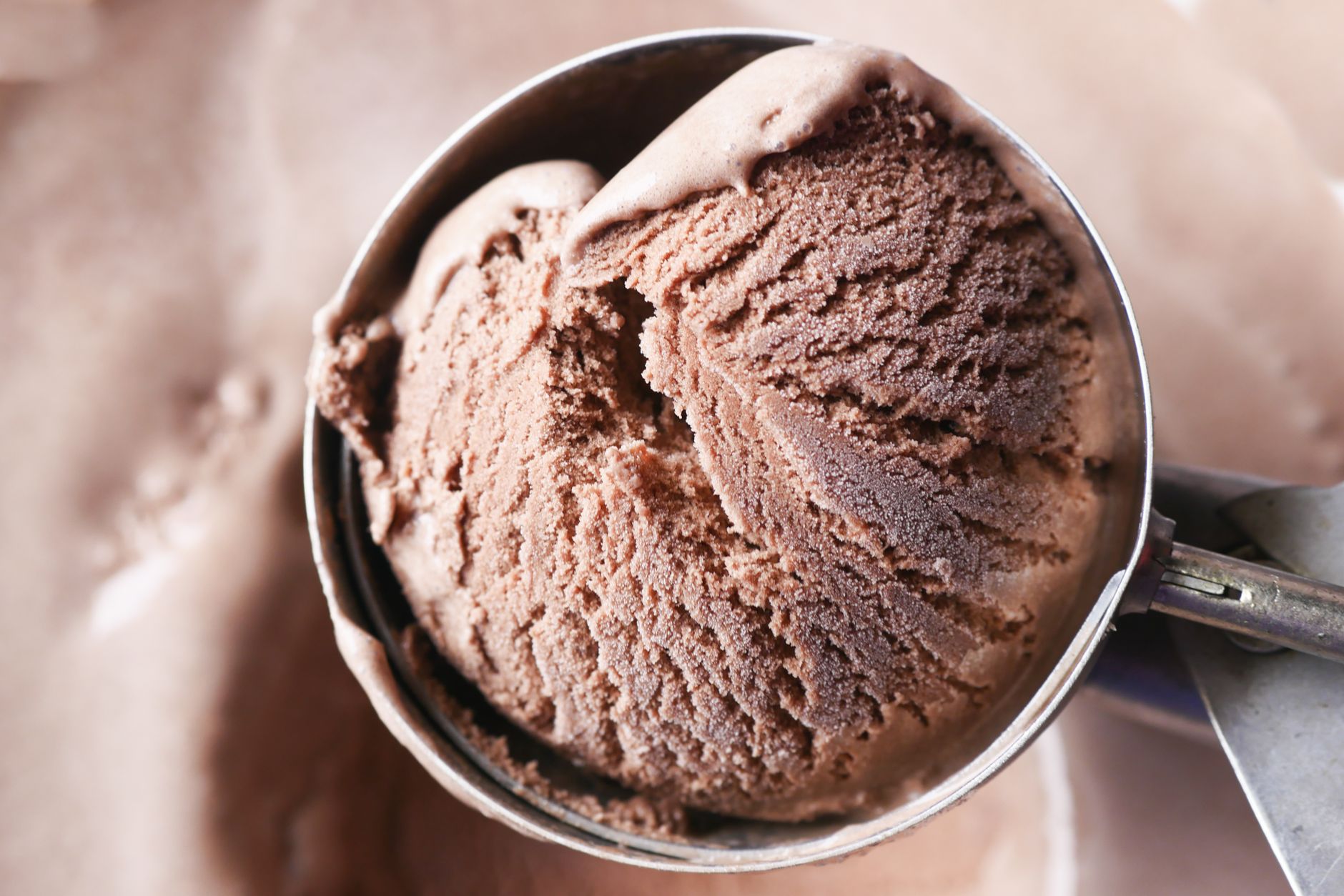
Enjoy creating this luscious homemade ice cream with sweetened condensed milk and whole milk. Its a reliable recipe that brings comfort and smiles. Try it out and share your favorite twists below!
FAQs
When is the best time to eat homemade ice cream with sweetened condensed milk and whole milk?
This ice cream is best enjoyed after a few hours in the freezer once it firms up but isn’t too hard. Serving within a week preserves the creamy texture and fresh flavor, making it ideal for warm afternoons, family meals, or anytime you want a refreshing dessert.
Can I use evaporated milk instead of whole milk?
Evaporated milk can replace whole milk, but expect a firmer texture and a slightly different taste. It’s less creamy and more concentrated, so whole milk is generally preferred for smoother, more balanced ice cream.
Do I need an ice cream maker to make this recipe?
An ice cream maker helps achieve a smooth, creamy texture by churning and freezing simultaneously. However, you can freeze the base in a metal container and stir vigorously every 30 minutes for 2–3 hours to reduce ice crystals if you don’t have a machine.
Is it possible to make this recipe without eggs?
Yes, this recipe contains no eggs. The sweetened condensed milk and whole milk provide natural sugars and fats that create a creamy texture similar to egg-based custards, perfect for those avoiding raw eggs or wanting a simpler method.
How long does homemade ice cream last in the freezer?
When stored airtight in the coldest part of your freezer, this ice cream lasts up to 2 weeks with optimal texture and flavor. It remains safe to eat for up to a month, though the quality will gradually decline over time.