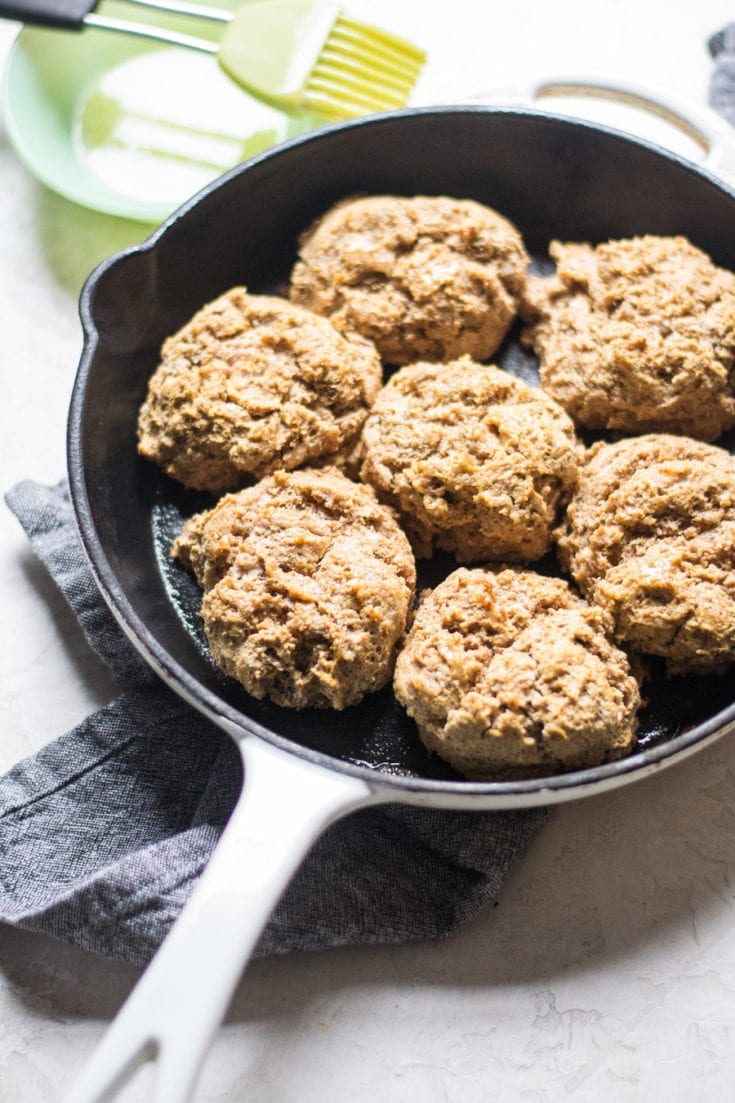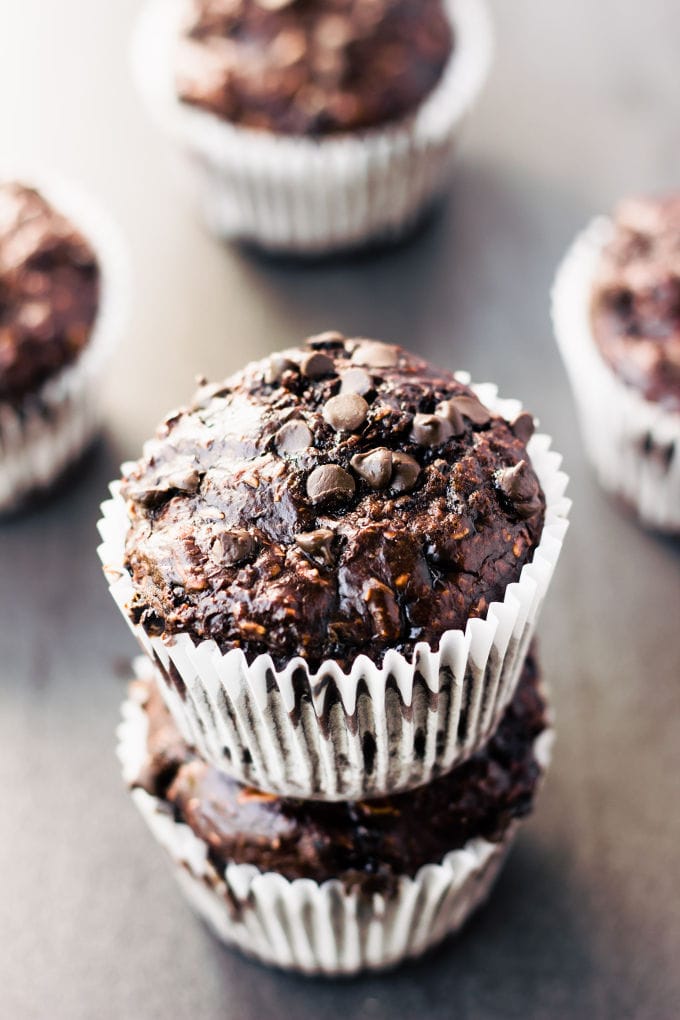
Looking for a breakfast that actually fuels you instead of just filling you up? In just 30 minutes you can have a batch of fluffy, moist muffins that pack around9grams of protein eachperfect after a workout or for keeping you satisfied until lunch. Below youll find the goto recipe, easy swaps if youre out of protein powder, and tips to avoid the common pitfalls that make muffins dry or gummy.
Why Use Powder
What Types Work Best?
When it comes to baking, whey isolate is the MVP because it blends smoothly and adds a clean, milky flavor. Whey concentrate is fine too, but it carries a few extra carbs. If youre steering clear of dairy, look for a highquality plant blendpea, soy, or rice protein all hold up well, especially when you choose an unflavored version.
Benefits of Adding Powder
Protein powder lets you boost the protein content without ballooning the flour amount. That means a denser, more satisfying bite that helps muscle recovery and curbs cravings. Its also a great way to sneak extra nutrients into a treat that would otherwise be sugarheavy.
Potential Downsides & How to Fix Them
Too much powder can make the crumb dry or give a slightly chalky texture. The cure? Balance every scoop (30g) with a wet ingredientGreek yogurt, cottage cheese, or even a splash of almond milk. If you notice the tops browning too fast, drop the oven temperature by 510F and keep an eye on them.
Core Recipe
Ingredients (with optional swaps)
- 1cup oat flour
- cup vanilla whey protein powder (or pea protein)
- 2tbsp chia seeds
- 1tsp baking powder
- tsp salt
- cup Greek yogurt (plain)
- cup unsweetened almond milk
- 1large egg
- 2tbsp honey
- 1tsp vanilla extract
- 1cup fresh blueberries
Swap ideas: If youre out of powder, blend cup cottage cheese + cup Greek yogurt + 2tbsp almond flour. The result is still highprotein but powderfree.
StepbyStep Instructions
- Preheat oven to 350F (175C) and line a 12cup muffin tin with paper liners.
- In a large bowl whisk oat flour, protein powder, chia seeds, baking powder, and salt.
- In another bowl combine Greek yogurt, almond milk, egg, honey, and vanilla. Mix until smooth.
- Pour the wet mix into the dry ingredients; stir just until everything is incorporateddont overmix.
- Fold in the blueberries gently.
- Divide batter evenly among the liners (about cup each).
- Bake 1820minutes, or until a toothpick comes out clean.
- Let muffins cool 5minutes in the tin, then transfer to a wire rack.
Pro Tip
Use the papercup method (placing the batter in a paper liner before mixing) to keep the muffins from overmixing and to retain moisture.
Nutrition Snapshot (per muffin)
| Calories | Protein | Carbs | Fiber |
|---|---|---|---|
| 150 | 9g | 18g | 3g |
Thats about a third of the daily protein you need if youre aiming for 30g per meal.
Muffin Variations
High Protein Muffins without Powder
Blend cup lowfat cottage cheese, cup Greek yogurt, and 2tbsp almond flour. This combo gives you roughly 8g of protein per muffin without any added powder.
GreekYogurt Boost
Swap half the wet ingredients for plain Greek yogurt. Youll add creaminess and an extra 23g of protein per bite.
Whey Protein Muffins
Stick to whey isolate as the sole protein source. The texture stays airy, and the flavor stays neutral, letting you customize with cocoa or lemon zest.
CottageCheese Version
Replace the Greek yogurt with cup lowfat cottage cheese. It keeps the crumb moist and adds a subtle tang.
Blueberry (No Powder)
Use the nopowder swap above, then double the blueberries for extra antioxidant power.
BananaOnly
Mash two ripe bananas, add cup oat flour, 2tbsp almond butter, and a scoop of protein powder (optional). The banana provides natural sweetness and about 4g of protein per muffin. For a loaf version, check out our 2 banana bread recipe with oil for a moist, oil‑rich crumb.
Easy OneBowl
Throw all dry ingredients in a bowl, then pour the wet mix on top, stir once, and bake. Minimal cleanup, maximum flavor.
Nutrition & Comparison
StoreBought vs. DIY
A typical bakery muffin clocks in at around 2g of protein, 250calories, and a lot of added sugar. Our highprotein version delivers nine times the protein, fewer calories, and no hidden trans fats.
Comparison Table
| Item | Protein | Calories | Carbs | Fiber |
|---|---|---|---|---|
| Storebought blueberry muffin | 2g | 250 | 30g | 1g |
| High protein muffin (recipe) | 9g | 150 | 18g | 3g |
Data sourced from the USDA FoodData Central, a reliable government resource.
Common Mistakes
Mistake #1: Too Much Powder
Adding more than one scoop per cup of flour makes the batter gummy. Fix it by using one scoop (30g) and adding an extra splash of almond milk or yogurt.
Mistake #2: OverMixing
When the batter looks a little lumpy, stop. Overmixing develops gluten and leads to a dense muffin.
Mistake #3: Skipping Rest Time
The protein powder needs a few minutes to hydrate. Let the batter sit for 5minutes before scooping it into the tin; youll notice a lighter crumb.
MealPrep, Storage & Serving
How Long Do They Stay Fresh?
Store muffins in an airtight container in the fridge for up to three days. For longer storage, freeze them (wrapped individually) and theyll keep for about two months.
Best Reheating Method
Pop a frozen muffin in the microwave for 30seconds, then give it a quick toast in a pan for a crunchy top.
Creative Toppings
Drizzle a thin layer of almond butter, dollop a spoonful of ricotta, or sprinkle a dash of cinnamonsugar for extra flair.
Expert Insights
According to a 2024 review in the National Heart, Lung, and Blood Institute, a postexercise snack containing 1520g of highquality protein can significantly enhance muscle protein synthesis. While our muffins dont hit the 15g mark alone, pairing two of them with a glass of milk or a scoop of whey makes for an ideal recovery snack.
Conclusion
Highprotein muffins with protein powder are a simple, adaptable solution for anyone who wants a tasty snack that truly fuels the body. Whether you use whey, a plant blend, or opt for a powderfree version with Greek yogurt or cottage cheese, the key is balancing moisture and protein for that perfect, moist crumb. Give the core recipe a try, experiment with the variations, and share your favorite tweaks. Happy baking, and enjoy the extra energy that comes with every bite!
FAQs
Can I use plant‑based protein powder instead of whey?
Yes! Pea, soy, or rice protein work well—just choose an unflavored variety to keep the muffin taste mild.
How do I keep the muffins from becoming dry?
Balance each scoop of protein powder with extra moisture like Greek yogurt, cottage cheese, or a splash of almond milk, and don’t over‑mix the batter.
Can I freeze the muffins for later?
Absolutely. Wrap each cooled muffin individually in plastic wrap, place them in a freezer bag, and they’ll stay good for up to two months.
What’s the best way to substitute the oat flour?
You can use a 1:1 blend of whole‑wheat flour and almond flour, or simply replace it with all‑purpose flour if gluten isn’t a concern.
How many muffins should I eat for a post‑workout snack?
Two muffins provide about 18 g of protein, which paired with a glass of milk or a scoop of whey makes a solid recovery snack.