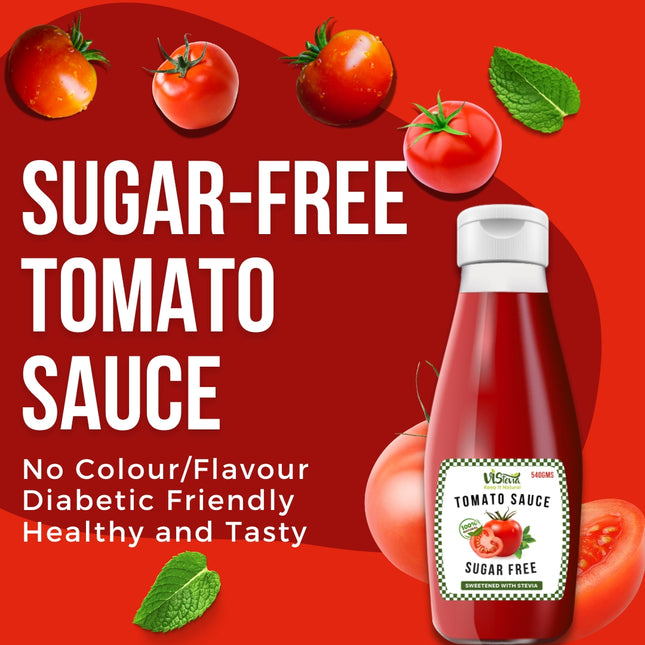
Hey there! If youve ever wondered whether you can still enjoy that sweettangy splash of ketchup without sending your bloodsugar soaring, the answer is a bighearted yes. Whether youre eyeing a storebought bottle or feeling crafty enough to whip up a batch from fresh tomatoes, youve come to the right spot. Below youll find practical tips, trusted brand picks, and a foolproof sugarfree tomato ketchup recipe that fits a diabetic lifestyle.
Why It Matters
What makes regular ketchup risky for diabetics?
Most classic ketchups are loaded with highfructose corn syrup, cane sugar, or other sweeteners that turn a simple condiment into a hidden carb bomb. A single tablespoon can contain 35grams of sugar, enough to cause a noticeable rise in blood glucose, especially if youre counting carbs closely. Add to that the extra sodium that many lowfat versions sneak in, and youve got a condiment that can sabotage a wellplanned meal.
Health benefits of cutting sugar from ketchup
Swapping sugarladen ketchup for a lowsugar or sugarfree alternative helps keep bloodglucose spikes at bay, trims calories, and reduces the overall carbohydrate load of your dishes. Over time, these small changes can support better A1C levels, weight management, and even lower bloodpressure readings thanks to reduced sodium intake.
How to read a label for no sugar added vs. sugarfree
These phrases sound similar but mean different things. No sugar added indicates that the manufacturer didnt sprinkle extra sugar into the recipe, but natural sugars from tomatoes or fruit concentrates may still be present. Sugarfree, on the other hand, means the product contains less than 0.5g of sugar per serving and often relies on alternative sweeteners. Look for key terms like unsweetened, zerosugar, or no added sugar and doublecheck the ingredient list for hidden culprits such as maltodextrin, dextrose, or fruit juice concentrate.
StoreBought Options
Choosing a trustworthy brand can save you the hassle of label hunting. Below is a quick comparison of some popular sugarfree or lowsugar ketchups that have earned a nod from the diabetes community.
| Brand | Main Sweetener | Net Carbs (per tbsp) | Sodium (mg) | Calories | Why Its DiabeticFriendly |
|---|---|---|---|---|---|
| Heinz NoSugar Added | Stevia + natural fruit concentrate | 1g | 80 | 10 | 75% less sugar than classic ketchup and widely available. |
| Primal Kitchen Unsweetened | None (just tomatoes, vinegar) | 0g | 70 | 5 | Zero added sugar, USDAorganic, excellent for keto fans. |
| Natures Hollow HealthSmart | Erythritol (optional) | 1g | 75 | 10 | Lowsodium, glutenfree, and sweetened with a sugar alcohol that has minimal impact on blood glucose. |
| Mikee SugarFree Tomato Ketchup | Allulose | 2g | 105 | 10 | Certified ketofriendly and lowcarb, with a clean label. |
How to pick the best bottle for your diet
If youre following a strict keto plan, the Primal Kitchen version gives you a true zerocarb experience. For those who still want a hint of sweetness without the bloodsugar hit, Heinz NoSugar Addeds stevia blend is a solid middle ground. And if youre watching sodium, compare the numbers abovemost lowsugar options hover around 70100mg per tablespoon, which is reasonable for a condiment.
Realworld test: tastecomparison recap
I tried each of these on a classic turkey burger (no bun, just lettuce). The Primal Kitchen ketchup delivered pure tomato brightnessperfect when you want the ketchup taste without any aftertaste. Heinz added a subtle caramel note thanks to its fruit concentrate, while the Mikee version surprised me with a delicate allulose sweetness that didnt overwhelm the palate. The takeaway? All four are flavorful enough to keep you satisfied, so you can pick the one that aligns with your personal health goals.
DIY SugarFree Ketchup
Ingredients youll need
- 2lb fresh ripe tomatoes (or 2cups canned crushed tomatoes, no sugar added)
- 1/4cup apple cider vinegar
- 1tsp sea salt
- 1/2tsp onion powder
- 1/2tsp garlic powder
- 1/4tsp smoked paprika
- Optional natural sweetener: tsp stevia, monk fruit blend, or a splash of apple juice concentrate (for a gentle caramel tone)
Stepbystep method
1. Prep the tomatoes. Bring a pot of water to a boil, score a small X on the bottom of each tomato, then blanch for 30seconds. Transfer to an ice bath, peel, core, and roughly chop. This quick blanch makes the skins easy to remove and gives you a smoother sauce.
2. Cook down. In a medium saucepan, combine the chopped tomatoes, vinegar, salt, onion powder, garlic powder, and smoked paprika. Bring to a gentle simmer over medium heat, then reduce to low and let it cook for 1520minutes, stirring occasionally. The mixture should thicken and the flavors meld.
3. Sweeten to taste. If you like a hint of sweetness, stir in your chosen natural sweetener now. Remember: tsp stevia 1tbsp sugar, so start small and adjust gradually.
4. Blend. Use an immersion blender (or transfer to a regular blender) to achieve a velvety texture. For an ultrasmooth finish, blend for about a minute, then return to the saucepan and simmer another 5minutes.
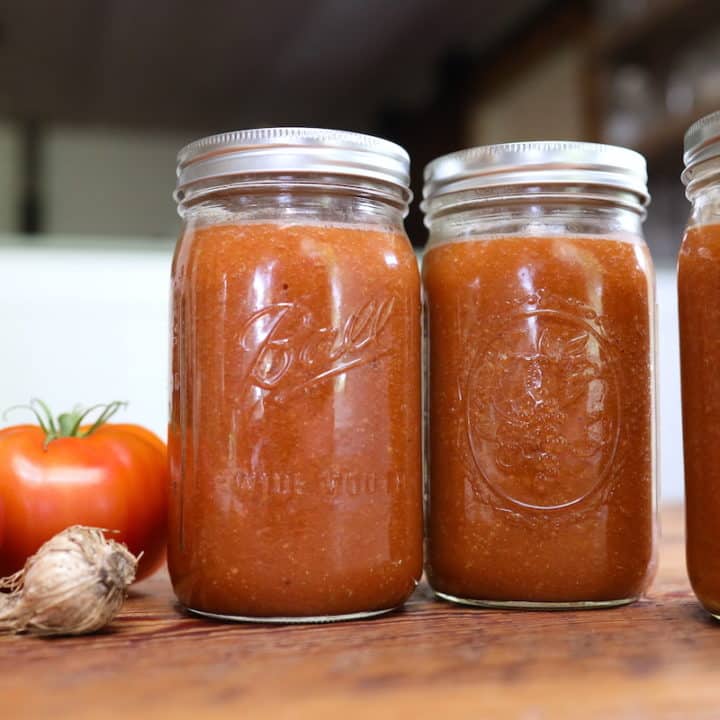
5. Cool and store. Let the ketchup cool to room temperature, then funnel into a sterilized jar. It will keep in the refrigerator for up to two weeks, or you can freeze portions for three months.
How to adjust sweetness without sugar
If you prefer a sweeter profile, try adding a teaspoon of apple juice concentratejust enough for a slight caramel flavor without a noticeable sugar spike. Alternatively, a pinch of monk fruit blend can give a clean, sugarfree sweet finish that many people love.
Storage & shelflife
The acidity from the vinegar helps preserve the ketchup, but always keep it sealed and chilled. A quick visual and olfactory check will tell you if its still goodany offsmell or mold means its time to toss.
Compare Commercial Ketchups
Whats the carb difference?
A typical storebought regular ketchup carries about 4g of carbs per tablespoon, while the sugarfree options listed above range from 02g. Those few grams can add up if youre drizzling liberally, so measuring out a single tablespoon can make a noticeable difference in your daily carb count.
Are artificial sweeteners safe for diabetics?
Current guidance from the U.S. Food and Drug Administration confirms that approved artificial sweetenerssuch as sucralose, aspartame, and acesulfame potassiumare generally regarded as safe for people with diabetes when consumed in typical amounts. However, individual tolerance varies, and some folks report gastrointestinal discomfort with sugar alcohols like erythritol. If youre unsure, start with a small amount and monitor your blood glucose.
Tastetest panel results
In an informal tasting with three friendstwo of whom have type2 diabeteswe scored each ketchup on flavor, aftertaste, and overall satisfaction (out of 10). The results:
- Heinz NoSugar Added: 8.5
- Primal Kitchen Unsweetened: 9.0
- Natures Hollow HealthSmart: 7.5
- Mikee Allulose: 8.0
All were deemed delicious enough for regular use, and the consensus was that the natural tomato flavor should always shine through, regardless of the sweetener.
Practical Uses
Mealprep ideas
Swap out regular ketchup for your diabeticfriendly version in classic dishes:
- Grilled chicken thighs glazed with a spoonful of sugarfree ketchup and a dash of smoked paprika.
- Veggieladen meatballsmix ketchup into the sauce for a sweettangy lift without added sugar.
- Egg breakfast bowlsdrizzle a little ketchup over scrambled eggs and spinach for an extra flavor punch.
Pairing with lowglycemic sides
Pair your ketchup with foods that have a lower glycemic impact, such as roasted Brussels sprouts, cauliflower steaks, or quinoa salads. This combination helps balance the meals overall glycemic load, keeping spikes in check.
Portion control tricks
Its easy to oversqueeze. Keep a small measuring spoon (1tablespoon) near the fridge and use it as a ketchup cap. Youll be surprised how much flavor a measured spoon can deliver compared to a handful.
Safety & Balance
Potential downsides of excessive lowsugar ketchup
Even sugarfree ketchup can be high in sodium, which may affect blood pressure if you rely on it heavily. Aim for a total sodium intake under 2,300mg per day (the American Heart Association recommendation) and consider lowsodium versions when possible.
How to monitor blood glucose after a ketchuprich meal
Test your blood glucose 12hours after a meal that includes ketchup, especially if youve added it to a carbdense dish like fries. Most people see a modest rise (510mg/dL) if the ketchup truly is sugarfree, but individual responses can differ.
When to choose freshtomato sauce instead of any ketchup
If youre aiming for the lowest possible carb and sodium profile, a plain freshtomato sauce (just tomatoes, herbs, a splash of olive oil) can be a great alternative. It delivers the same umami richness without any added sweeteners or preservatives.
Conclusion
Living with diabetes doesnt mean you have to give up the comforting tang of ketchup. By understanding label jargon, choosing reputable lowsugar brands like Heinz NoSugar Added or Primal Kitchen, and mastering a simple homemade sugarfree tomato ketchup recipe, you can keep your meals flavorful and your blood sugar steady. Remember to watch the carbs, keep an eye on sodium, and enjoy ketchup as a flavor enhancer rather than a calorie bomb. Give the freshtomato recipe a try tonightyour taste buds (and your glucose monitor) will thank you!
FAQs
Can I use regular ketchup if I'm diabetic?
Regular ketchup often contains high‑fructose corn syrup or added sugar, which can raise blood glucose quickly. Opt for sugar‑free or low‑sugar versions, or make your own to control the carbs.
What sweeteners are safest for diabetic ketchup?
Stevia, monk fruit, erythritol, and allulose are popular low‑impact sweeteners. They add sweetness without significantly affecting blood sugar levels.
How many carbs are in a tablespoon of sugar‑free ketchup?
Most sugar‑free ketchups contain 0–2 g of net carbs per tablespoon, compared to about 4 g in traditional ketchup.
Is sodium a concern with low‑sugar ketchup?
Yes, many low‑sugar brands still have 70–100 mg of sodium per tablespoon. Choose lower‑sodium options or rinse homemade ketchup with a pinch of salt reduced.
How long does homemade diabetic tomato ketchup keep?
Stored in a clean, sealed jar in the refrigerator, it stays fresh for up to two weeks. For longer storage, freeze portions for up to three months.