Introduction
The science behind juicy, caramelized grilled vegetables with balsamic glaze
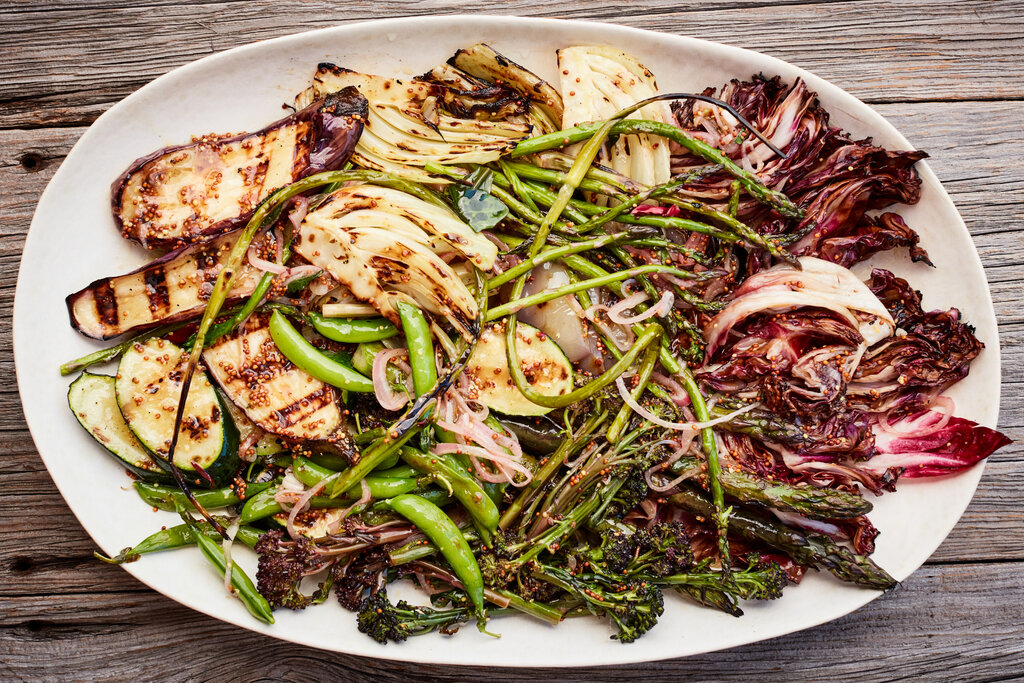
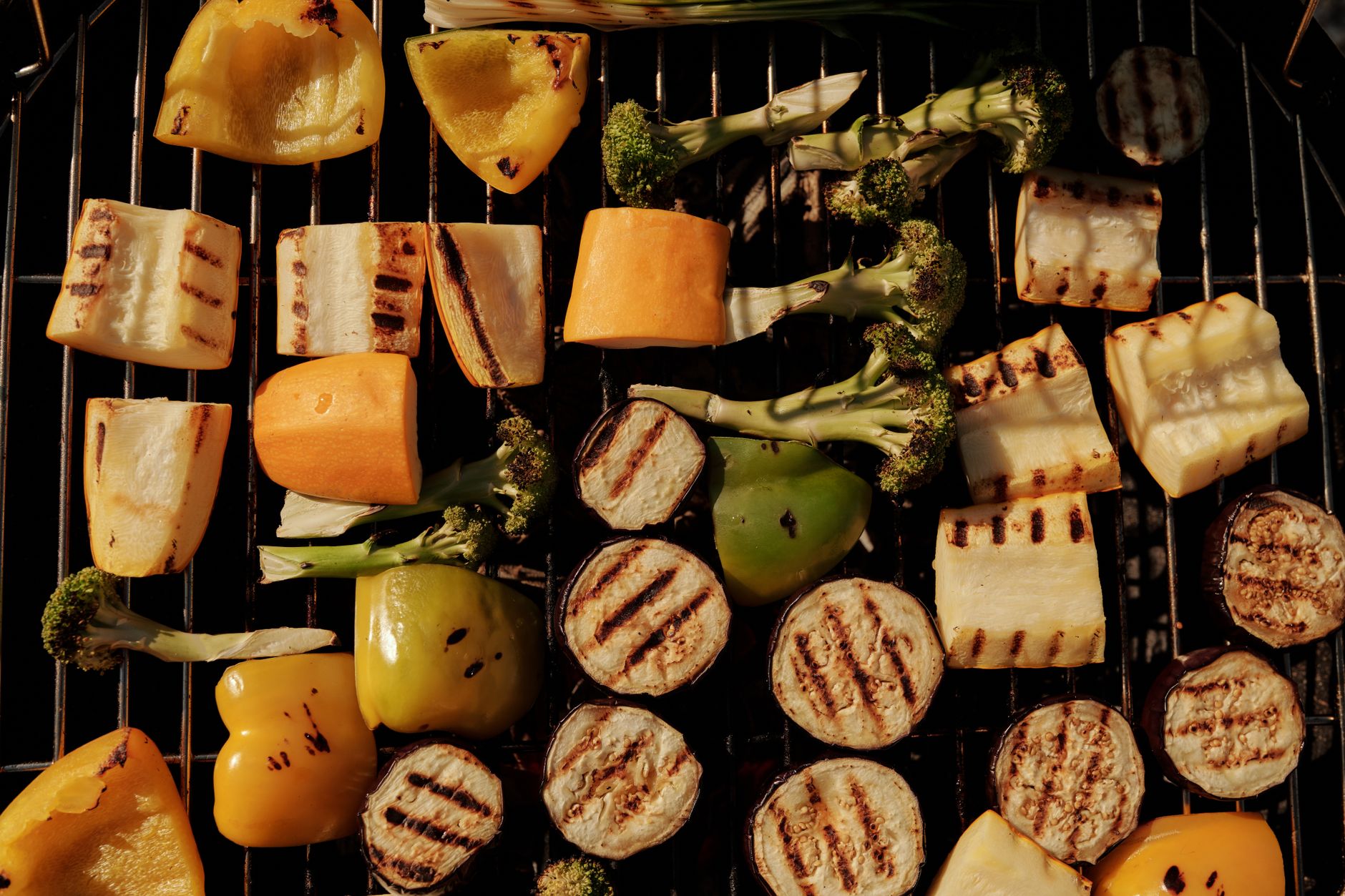
Grilled vegetables with balsamic glaze hit a perfect balance of smoky char and tangy sweetness. The char-grilling method caramelizes natural sugars in the veggies, turning them golden and juicy. Meanwhile, the balsamic vinegar glaze adds a burst of rich acidity that brightens every bite. This combination creates a deliciously vibrant dish youll want to serve again and again.
Who this grilled vegetables recipe is perfect for
This grilled veggie recipe suits beginners through intermediates who want a healthy, flavorful side dish. Its ideal for vegan balsamic dishes fans, gluten-free eaters, or anyone wanting easy summer grilling techniques. Plus, its a great way to showcase seasonal vegetables in a simple, nutritious way.
What sets this version apart from every other grilled vegetables recipe
This recipe stands out by focusing on a slow, medium-heat grill to preserve moisture and develop gentle caramelization. The balsamic vinegar glaze simmers to a syrupy consistency, layered with just enough sweetness and garlic to complement various vegetables perfectly. Plus, detailed tips for choosing and prepping your veggies means even grilling and enhanced texture every time.
Key Highlights
Balanced flavor profile and texture from the caramelization process
The char-grilling method transforms veggie sugars into smoky, sweet notes. As the balsamic vinegar glaze caramelizes, acidity cuts through richness, creating a complex layering of flavors. Your grilled vegetables emerge juicy, tender, and deeply flavorful without heaviness.
Versatility for various vegetable types and dietary needs
This dish shines with zucchini, red peppers, mushrooms, and eggplant but easily adapts to your favorites. Its naturally vegan, gluten-free, and can be keto-friendly if you choose low-carb veggies. A flexible recipe that fits many diets with bold, fresh taste.
Caution for balsamic vinegar sensitivity and allergies
If you have vinegar sensitivity or histamine intolerance, its wise to proceed carefully. The acidic balsamic vinegar glaze can cause reactions in some userschecking with a healthcare provider before trying this grilled vegetable recipe is recommended.
Ingredients & Preparation
| Prep time | Total time | Servings | Calories | Diet tags |
|---|---|---|---|---|
| 15 minutes | 35 minutes | 4 | 120 | Vegan, Gluten-Free, Dairy-Free |
Full ingredient list and substitution notes
- 2 medium zucchinis, sliced (yellow squash works well here)
- 2 red bell peppers, sliced
- 1 medium eggplant, sliced
- 1 cup mushrooms, halved (portobello mushrooms for heartier flavor)
- 3 tbsp olive oil (avocado oil for higher smoke point option)
- cup balsamic vinegar
- 2 tbsp brown sugar or maple syrup (maple syrup for vegan sweetness)
- 2 cloves garlic, minced (omit if sensitive to garlic)
- Salt and cracked black pepper, to taste
Equipment needed
A gas or charcoal grill is preferred for authentic smoky flavor and the best char-grilling method. A grill basket helps keep smaller pieces from falling through the grates. Indoors, a grill pan works, though you sacrifice the smoky aroma. Youll also want a basting brush and long tongs for turning and glazing your vegetables.
Tips for choosing the best quality ingredients
Look for firm vegetables with vibrant colors and no soft spots. Organic options shine with delicate skins like those on zucchinis and peppers. Choose a balsamic vinegar labeled aged or traditional for natural sweetness instead of commercial blends that may include additives or caramel coloring.
Step-by-Step Instructions
Step 1 Wash, peel (if needed), and slice vegetables evenly
Start by washing all vegetables under cool water. Peeling eggplants is optional; do it if skin feels tough. Slice all veggies into roughly inch thick pieces for even grilling and consistent tenderness. Uniform thickness ensures they cook together perfectly.
Step 2 Grill vegetables over medium heat (350F400F) for 1015 minutes, turning often
Preheat your grill to medium (about 350F to 400F). Lightly brush vegetables with olive oil to prevent sticking and enhance caramelization. Lay them on the grill and cook for 10 to 15 minutes, turning every 34 minutes. Watch for grill marks and tender but firm texture.
Step 3 Simmer balsamic vinegar with sugar and garlic until thickened; brush glaze on veggies
While vegetables grill, combine balsamic vinegar, brown sugar (or maple syrup), and minced garlic in a small saucepan over low heat. Let it simmer gently for 5 to 7 minutes, stirring occasionally, until thick and syrupy. In the last 2 minutes of grilling, brush the glaze generously on each vegetable for a glossy, tangy finish.
Step 4 Serve immediately or place grilled vegetables in airtight container for storage
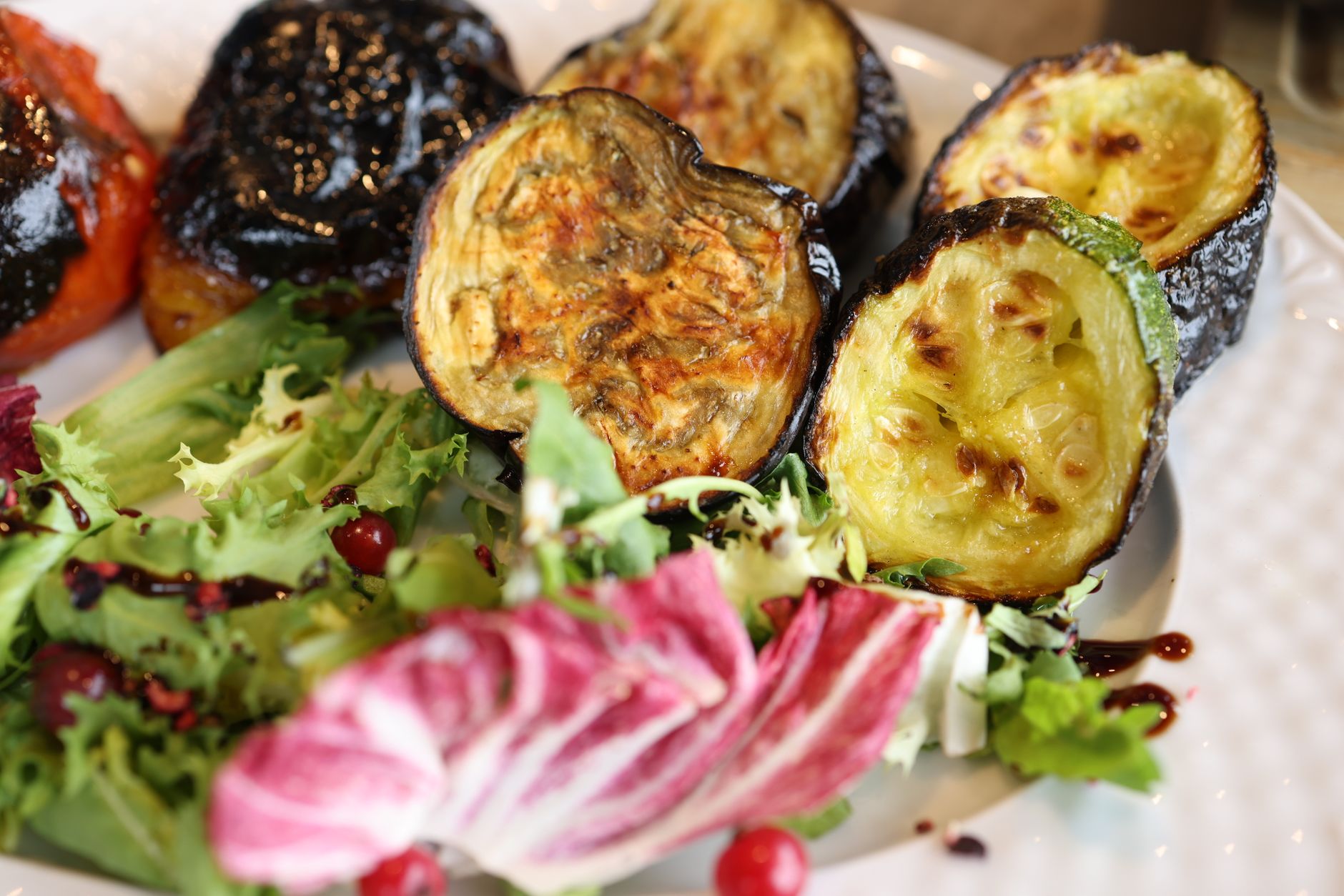
Remove vegetables from the grill carefully and arrange on a serving platter. Drizzle any extra glaze over top. Serve warm for best flavor. To store, let veggies cool completely, then transfer to airtight containers and refrigerate.
Variations & Substitutions
Popular vegan and low-sugar modifications
Opt for maple syrup instead of brown sugar to keep the glaze fully vegan and add subtle complexity. Coconut sugar also lowers the glycemic impact but keeps sweetness. If you prefer a tangier glaze, simply skip the sugar for a bold balsamic vinegar glaze punch.
Ingredient swaps and expected outcomes
Replace balsamic vinegar with red wine vinegar for a sharper but less sweet glaze. Using garlic powder instead of fresh garlic results in a milder, less pungent aroma. Remember, fresh garlic offers the most vibrant, earthy flavor.
Adjusting glaze sweetness and tanginess
Add more sugar or syrup gently to sweeten the glaze if your balsamic vinegar is very tart. A splash of fresh lemon juice can brighten acidity without overwhelming. For smoky depth, sprinkle a bit of smoked paprika into the simmering glaze.
Storage & Shelf Life
Refrigerator storage: up to 4 days in airtight glass container
Store grilled vegetables cooled completely in airtight glass containers. Properly refrigerated, they last 4 days with flavors intact. Reheat gently over low heat or at room temperature to avoid soggy texture.
Freezer option: freeze in portions using freezer-safe containers or ice cube trays; best within 2 months
You can freeze grilled veggies in individual portions using freezer-safe containers. For your balsamic vinegar glaze, freeze in ice cube trays for easy use later. Thaw both overnight in the fridge, then reheat slowly on stovetop or grill.
Make-ahead batch tips
Prepare a double batch for upcoming meals. Store grilled vegetables and glaze separately to keep textures fresh. Label containers with date to track freshness accurately.
Pro Tips & Troubleshooting
Preventing glaze stickiness and hand staining during prep
Balsamic glaze can stain skin and surfaces easily. Wearing disposable gloves while glazing protects your hands from sticking and discoloration. Silicone brushes clean quickly and spread glaze evenly without waste. Wipe spills immediately to prevent permanent marks.
Common mishaps and fixes
If vegetables turn black or char too much, your grill is too hotdrop to medium heat next time. A runny glaze means it needs more simmer time to thicken. Dry, tough veggies benefit from extra brushing of oil before grilling and careful timing.
Expert upgrade
Enhance aroma by placing fresh rosemary or thyme sprigs on the grill alongside veggies. Their subtle herbal fragrance complements the sweet tangy balsamic vinegar glaze beautifully and adds complexity to your grilled vegetable dishes.
When is the best time to eat grilled vegetables with balsamic glaze?
The best time is fresh off the grill when the vegetables are warm and juicy, ideally as a side at lunch or dinner. You can enjoy them at room temperature later, but reheating gently preserves flavor and texture. Avoid overcooking to maintain the crisp-tender bite.
Can I make a big batch ahead of time?
Yes, grill large batches but store vegetables and balsamic glaze separately to prevent sogginess. Combine just before serving to keep veggies vibrant and flavorful.
Fresh balsamic vinegar or aged which is better?
Aged balsamic vinegar is preferable for glazing due to its natural sweetness and syrupy consistency. It deepens flavor without excess acidity. Cheap or commercial balsamic vinegars often have added sugars or coloring that can affect taste.
Is this recipe safe for pregnant women, kids, or people on medication?
Generally safe for most people, including pregnant women and children. However, anyone sensitive to acidic foods or on medications should consult healthcare advice before consuming vinegar-based dishes.
How often can I enjoy grilled vegetables with balsamic glaze?
Theyre wholesome and nutritious, making them perfect for enjoying several times a week. Incorporate into balanced meals for a flavorful vegetable boost without guilt.
Why does my grilled vegetable taste too bitter?
Bitterness usually comes from overcooking or burning the glaze at high heat. Use medium heat and watch cooking times carefully. If bitterness persists, try freshening the glaze with a touch of lemon juice or extra sweetness.
What pairs well with grilled vegetables with balsamic glaze?
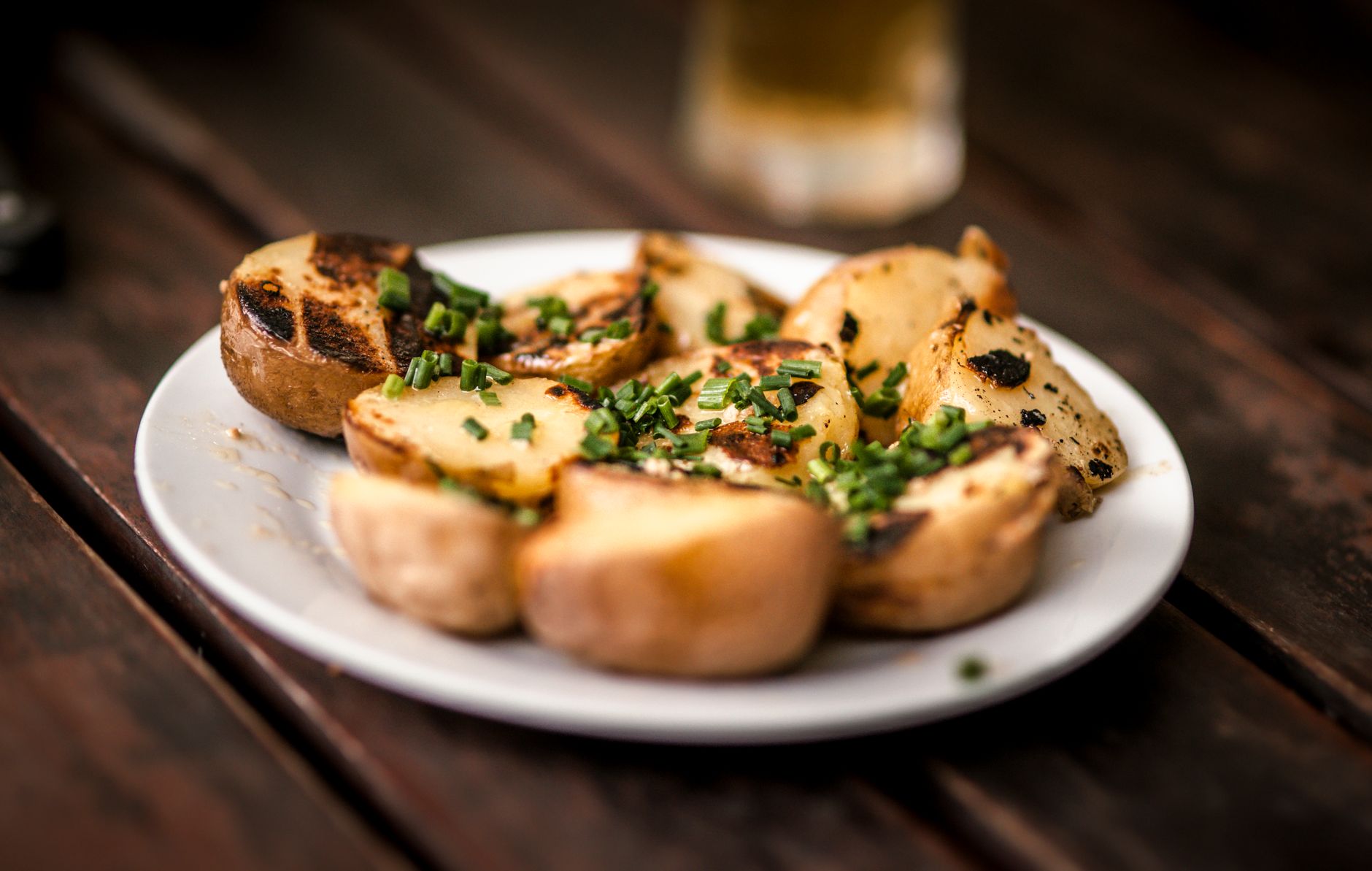
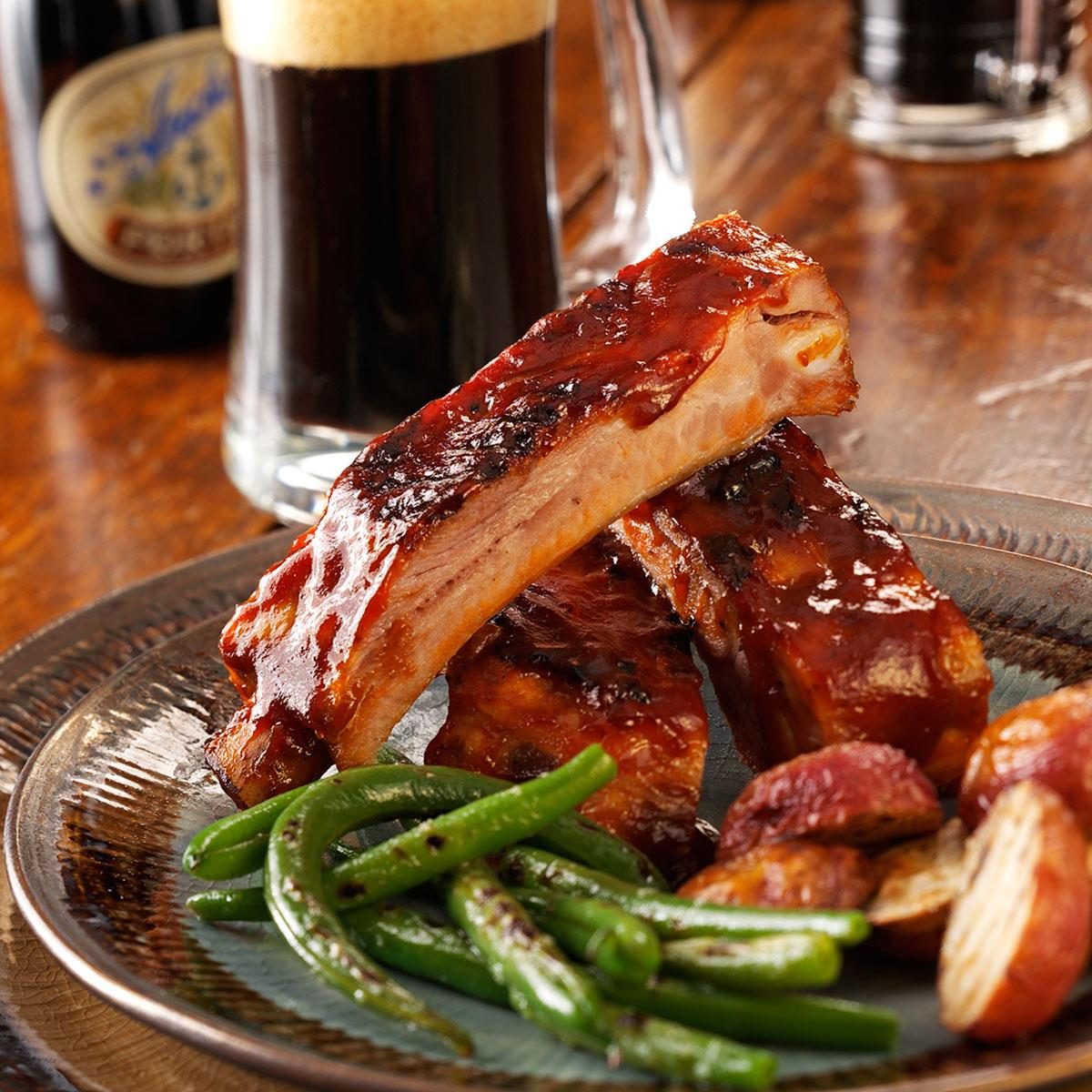
Try serving alongside grilled potatoes with onions and garlic or Beer ribs 11370521 for a hearty meal. A crisp dry white wine or light quinoa salad also complements these healthy grilled vegetables nicely.
More Recipes You Will Love
Grilled vegetable marinade balsamic honey
This marinade adds sweet and tangy layers to your vegetables before grilling, lending an irresistible glaze with a honey balsamic twist. Perfect if you want to experiment beyond vinegar alone.
Beer ribs 11370521
Looking for a meat centerpiece? These beer ribs bring smoky, tender flavors that pair well with your grilled vegetables for a complete summer feast.
Grilled potatoes with onions and garlic
Another side to complement your veggies, grilled potatoes with onions and garlic offer comforting warmth and aroma that balances tangy balsamic dishes beautifully.
Conclusion
Grilled vegetables with balsamic glaze serve up a perfect union of smoky, sweet, and tangy flavors. This easy grilled veggie recipe relies on medium heat and a rich, syrupy glaze to bring out juicy textures and vibrant taste. Give it a try for your next summer cookout or weeknight meal. Share your thoughts or star rating below, and explore our grilled vegetable marinade balsamic honey recipe for more delicious grilled veggie ideas.
FAQs
When is the best time to eat grilled vegetables with balsamic glaze?
The best time is fresh off the grill when the vegetables are warm, juicy, and tender. They work wonderfully as a side for lunch or dinner. You can enjoy them later at room temperature, but reheating gently helps maintain their flavor and texture.
Can I make a big batch of grilled vegetables with balsamic glaze ahead of time?
Yes, you can grill large batches and store the vegetables and glaze separately to prevent sogginess. Combine them just before serving to keep the vegetables vibrant and flavorful.
What type of balsamic vinegar is best for making the glaze?
Aged or traditional balsamic vinegar is best due to its natural sweetness and syrupy consistency. It enhances flavor without adding excess acidity, unlike cheaper balsamic vinegars that may contain additives or caramel coloring.
How do I prevent my grilled vegetables from becoming bitter?
Bitterness often results from overcooking or burning the glaze at high heat. Grill using medium heat and monitor cooking times carefully. If bitterness occurs, freshen the glaze with a squeeze of lemon juice or add a bit more sweetness.
Are grilled vegetables with balsamic glaze suitable for special diets?
Yes, this recipe is naturally vegan, gluten-free, and dairy-free. It can also be keto-friendly if you choose low-carb vegetables. However, those with vinegar sensitivity or histamine intolerance should proceed with caution and consult a healthcare provider if needed.