Introduction
If you want to enhance vegetable flavor without much fuss, goya vegetable seasoning is a fantastic choice. This blend of herbs and spices brings savory, bright notes that lift any dish. Using it is one of the quickest ways to add a tasty punch to your veggies, making every bite more satisfying and aromatic. Whether roasting, grilling, or sauting, this seasoning helps fix bland vegetable seasoning without overpowering natural freshness.
Because its a gluten-free vegetable seasoning, it suits many diets and adds boldness to simple meals. Keep reading for everything you need to know about creating and applying this flavorful blend.
Key Highlights
Flavor Profile and Versatility
The goya vegetable seasoning recipe features a savory mix of garlic, onion, paprika, and dried herbs. Each ingredient plays a role in layering flavor from earthy cumin to the subtle heat of crushed red pepper flakes. This blend is versatile enough to sprinkle on roasted potatoes, grilled zucchini, or steamed green beans. It makes a natural complement to many cooking styles.
Texture and Cooking Impact
Besides flavor, this seasoning offers texture benefits. When roasted with vegetables at 400F, it forms a golden crust that seals in moisture. Stir-frying with this blend results in a light glaze that enhances vegetable bite without sogginess. These effects make it easier to enjoy vegetables that might otherwise feel bland or watery.
Usage Caution
Although goya vegetable seasoning brightens many dishes, use it sparingly if sodium intake is a concern. It typically contains salt, so those on restricted diets should adjust quantities or look for low-sodium options. Taste as you go and modify according to your needs.
Ingredients & Preparation
| Prep time | Total time | Servings | Calories | Diet tags |
|---|---|---|---|---|
| 5 minutes | 5 minutes | Makes about cup | 5 per tsp | Gluten-free, vegan |
Full Ingredient List with Substitution Notes
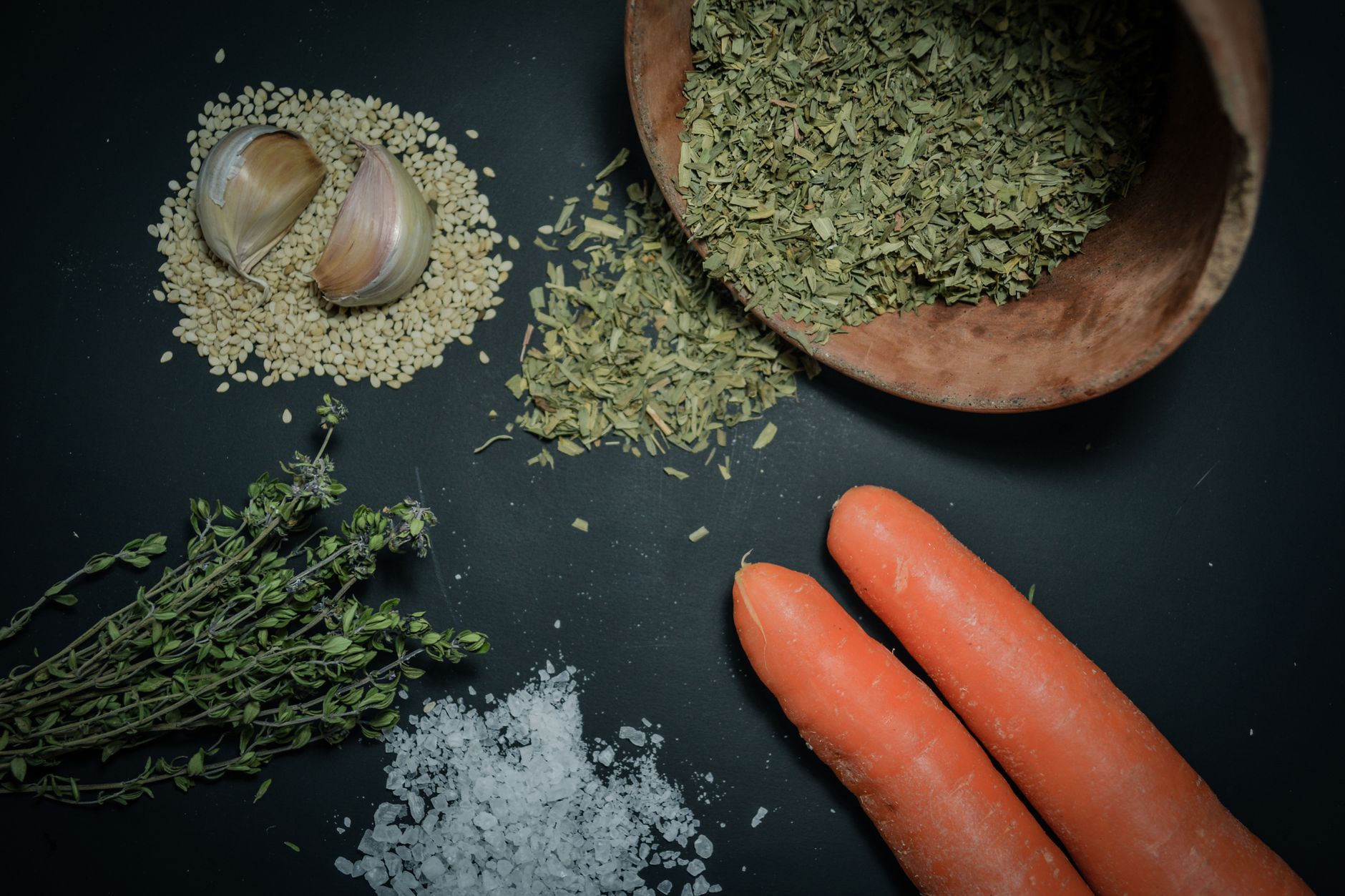
- 2 tbsp dried parsley flakes
- 2 tbsp onion powder
- 1 tbsp garlic powder
- 1 tbsp paprika
- 1 tbsp ground cumin
- 1 tsp dried oregano
- 1 tsp crushed red pepper flakes (optional for heat)
- 1 tsp salt (optional or reduced for low-sodium)
You can swap smoked paprika in place of regular paprika for a deeper smoky aroma. Leave out crushed red pepper flakes if you prefer milder tastes. Adjust salt use based on your diet or seasoning preferences.
Equipment Needed
Mix your blend in any mixing bowl, then transfer to an airtight container for storage. No special kitchen tools are required. For cooking, you only need an oven, grill, or skillet depending on your chosen veggie dish.
Tips for Choosing the Best Quality Ingredients
Freshness matters a lot here. Select dried herbs and spices that are free from moisture and clumps. Organic products usually offer stronger flavors and cleaner aroma. Store your homemade seasoning in a cool, dark place to preserve its zip.
Step-by-Step Instructions
Step 1 Measure and Combine All Seasoning Ingredients
Use accurate measuring spoons for each spice. Place all ingredients into a bowl and stir or whisk until fully blended. Even distribution ensures every pinch delivers balanced flavor.
Step 2 Apply Generously to Vegetables Before Cooking
Toss your chopped or whole vegetables with about 1 to 2 teaspoons of seasoning per pound. Drizzle olive oil or your preferred cooking oil to help the blend adhere nicely to each piece.
Step 3 Cook Vegetables Using Your Preferred Method
- Roast: Preheat oven to 400F and roast for 2025 minutes, stirring halfway.
- Stir-fry: Heat skillet to medium-high and cook veggies for 58 minutes until tender.
- Grill: Place seasoned vegetables on medium heat and cook until lightly charred and soft, about 812 minutes.
Step 4 Serve Immediately or Store Extra Seasoning
Enjoy your vibrant vegetable dish hot off the stove or oven. Store any leftover seasoning in an airtight jar at room temperature. It will stay fresh for up to 6 months.

Variations & Substitutions
Flavor Variations to Try
Feel free to add a pinch of dried thyme or rosemary for an herbal nuance. A little lemon zest brightens the profile, ideal for spring and summer dishes. Reducing salt helps accommodate low-sodium diets, while boosting crushed pepper flakes adds kick.
Ingredient Swaps with Honest Outcomes
Swapping fresh garlic minced finely for garlic powder adds brightness but reduces shelf life of the seasoning. Ground coriander introduces citrus notes yet slightly alters the original savory balance. Experiment to find your perfect version.
Adjusting Strength and Heat
For a bolder seasoning, double the quantity or add extra crushed red pepper flakes. For milder options, use half the amount and omit any hot spices. Tailor according to your taste preferences.
Storage & Shelf Life
Refrigerator Storage
Keep the seasoning blend in a sealed airtight container stored in a dark cabinet at room temperature. Under these conditions, it retains freshness for up to 6 months without flavor loss.
Freezer Option
Freezing your seasoning is not recommended. Moisture condensation can cause clumping and degrade texture, affecting ease of use and flavor quality.
Make-Ahead Batch Tips
Mix large batches and divide into smaller airtight jars. Label each with the preparation date to ensure you use the oldest first. These make wonderful gifts or convenient kitchen staples.

Pro Tips & Troubleshooting
Hands-On Tips for Maximum Flavor
Try toasting your dried spices lightly in a dry skillet for 12 minutes before mixing. This releases oils and intensifies aroma, enhancing your blends complexity. Use dry, clean spoons when scooping to prevent introducing moisture that causes clumping.
Fixing Common Issues
If your vegetable dishes seem bland despite seasoning, increase the amount and toss veggies thoroughly to coat evenly. Bitterness often results from burning spices or cooking at too high a heat. Keep the heat moderate to avoid this and preserve balanced flavors.
Expert Upgrade Tip
Add a pinch of freshly ground black pepper when seasoning vegetables. This elevates aroma and enhances nutrient absorption, especially of fat-soluble compounds, according to a 2023 study in the Journal of Nutritional Biochemistry.
When is the best time to use goya vegetable seasoning?
Use goya vegetable seasoning before cooking your vegetables. Tossing the seasoning with raw veggies allows flavors to penetrate as they cook, especially when roasting or grilling. This timing maximizes aroma release and delivers a more intense taste.
Can I make a big batch ahead of time?
Yes, making a large batch of this seasoning in advance is convenient. Store it in airtight containers away from heat and moisture, like a dark pantry shelf. It remains potent and fresh for up to 6 months, perfect for regular use.
Fresh herbs or dried spice blendswhich works better?
Dried herbs and spices are preferred in this blend. They provide concentrated flavor and longer shelf life. Fresh herbs add brightness but are less stable and may lose potency quickly when mixed into dry blends.
Is it safe for pregnant women or those on medication?
Generally, goya vegetable seasoning is safe for most people, including pregnant women, when used in moderation. Those with sodium restrictions or specific medication interactions should consult a healthcare provider before regular use.
How often can I use this seasoning?
You can use this seasoning daily if desired. Just keep an eye on salt intake and adjust the quantity to suit your dietary needs. The blend adds enjoyable flavor without extra calories.
Why does my seasoning taste too bitter sometimes?
Bitterness usually comes from burnt garlic or spices, or over-roasted vegetables. Use medium heat rather than high, and avoid direct contact between spices and intense heat to prevent this issue.
What foods pair well with goya vegetable seasoning?
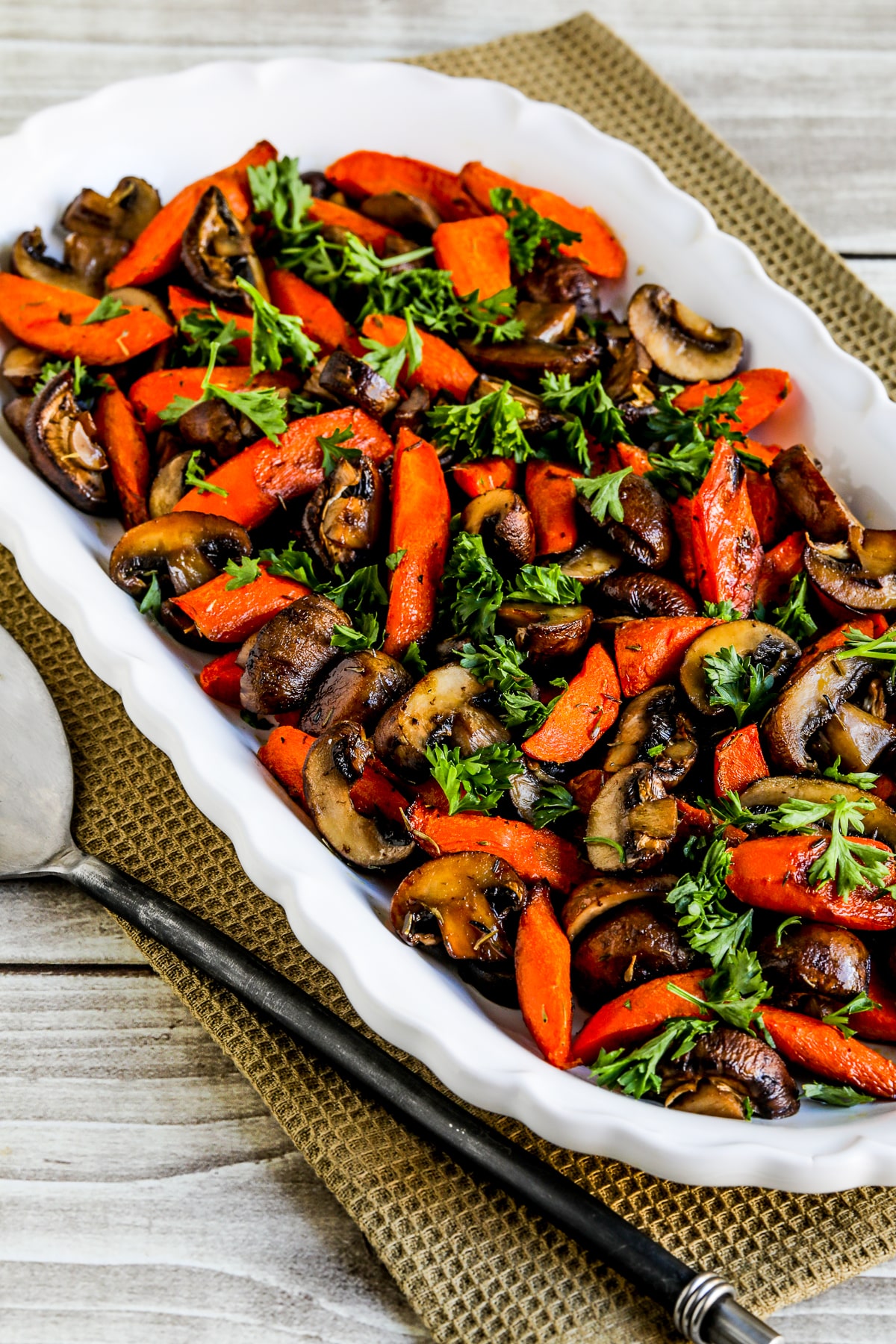
This seasoning complements grilled potatoes, roasted carrots, sauted green beans, and quinoa salads wonderfully. It also enhances simple dishes like the vegetable seasoning powder approach for quick weekday meals.
More Recipes You Will Love
Goya-Seasoned Roasted Vegetable Medley
Try a colorful medley of oven-roasted veggies featuring this seasoning. Its quick, delicious, and perfect as a side or light main course.
Spicy Mexican Street Corn Salad
This zesty salad uses spices inspired by goya blends, paired with fresh corn and tangy cotija cheese for a crowd-pleaser.
Summer Grilled Vegetable Skewers
Ideal for warm weather, these skewers benefit from the bright flavor of the seasoning, adding a smoky, spicy edge to simple grilled produce.

Conclusion
Goya vegetable seasoning is an easy, effective way to give your veggies vibrant flavor without complicated steps. This blend brightens ordinary dishes, making your meals feel fresh and exciting. Try it the next time you want to lift a simple vegetable recipe, then share your experience in the comments. If you enjoy this, explore more ideas like the baked jerusalem artichokes with bread crumbs thyme and lemon recipe for a fresh twist.
FAQs
When is the best time to use goya vegetable seasoning?
The best time to use goya vegetable seasoning is before cooking your vegetables. Toss it with raw veggies so the flavors can fully penetrate as they cook, especially when roasting or grilling, which maximizes aroma and taste intensity.
Can I make a big batch of goya vegetable seasoning ahead of time?
Yes, you can prepare a large batch in advance. Store it in an airtight container away from heat and moisture. Properly stored, the seasoning stays fresh and flavorful for up to six months, making it convenient for regular use.
Are dried herbs or fresh herbs better for making the seasoning?
Dried herbs are preferred for this seasoning blend because they provide concentrated flavor and a longer shelf life. Fresh herbs add brightness but may lose potency quickly and reduce the seasoning’s shelf stability.
Is goya vegetable seasoning safe for pregnant women or those on medication?
Generally, it is safe for most people, including pregnant women, when used in moderation. However, individuals with sodium restrictions or medication interactions should consult a healthcare provider before regular use.
What foods pair well with goya vegetable seasoning?
This seasoning pairs well with roasted potatoes, sautéed green beans, grilled vegetables, quinoa salads, and other simple vegetable dishes, enhancing flavors without overpowering the natural freshness.