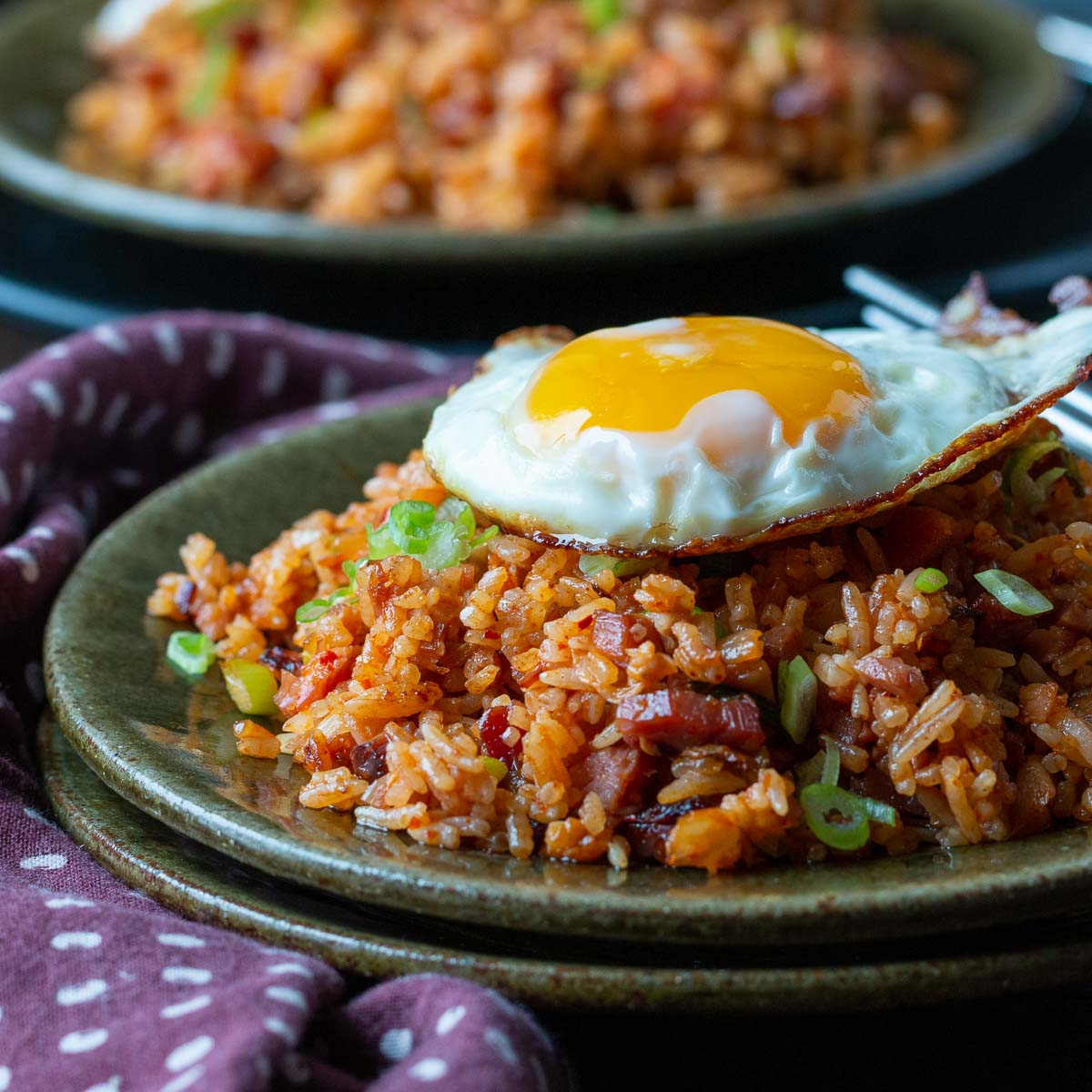
Quick Answer
In a flash you can stir together cooked rice, a couple of spoonfuls of gochujang, and a perfectly cooked eggall that heat, umami, and protein in under fifteen minutes. No fancy equipment, no pantry raidjust the basics you probably already have.
Ingredient List
| Ingredient | Quantity (serves2) | Optional / Swap |
|---|---|---|
| Cooked shortgrain rice (cold or dayold) | 2cups | |
| Gochujang (Korean redpepper paste) | 2Tbsp | More if you like it hotter |
| Sesame oil | 1Tbsp | Add a knob of butter for extra richness |
| Lowsodium soy sauce | 1tsp | |
| Garlic, minced | 1clove | |
| Green onions, sliced | 2Tbsp | |
| Egg(s) fried, poached, or scrambled | 2large | To make it vegetarian, swap with tofu cubes |
| Optional veggies (carrots, peas, kimchi) | cup | For a gochujang fried rice vegetarian twist |
| Optional protein (chicken, ground beef) | cup | Creates gochujang chicken fried rice |
OnePan Method
Prep the Base (5min)
Heat the sesame oil in a large skillet over medium heat. Toss in the minced garlic and let it sizzle for about 20 secondsjust until you smell that buttery, garlicky perfume. Then stir in the gochujang and quickly add the soy sauce. The mixture should look glossy and a little fragrant.
Combine Rice & Sauce (3min)
Drop the cold rice straight into the pan. Break up any stubborn clumps with a wooden spoon, and keep the heat moving so each grain gets a thin coating of that spicy sauce. Youll notice the rice turning a deep, inviting redthis is where the magic starts.
Cook the Egg (24min)
There are three easy ways to finish:
- Fried: Push the rice to the side, crack the egg into the empty space, and let it sunriseup. The runny yolk will melt into the rice when you mix it.
- Poached: Make a little well in the rice, crack the egg in, cover the pan briefly, and let the steam set the whites while the yolk stays silky.
- Scrambled: Beat the egg lightly, pour it over the rice, and stir quickly for a creamy, friedriceomelette texture.
Finish & Serve (1min)
Give everything a final toss, drizzle a tad more gochujang if you crave heat, and sprinkle the green onions. Serve while its steaming hot, and watch the yolk burstpure comfort in a bowl.
FlavorBalancing Tips
| Tip | Why It Works | Expert Insight |
|---|---|---|
| Use dayold rice | Less moisture crispier texture | According to a foodscience study, retrograded starch in cooled rice resists sogginess. |
| Add a splash of sesame oil after cooking | Boosts nutty aroma | Chef Chris Cho notes that a finishing drizzle opens up the flavor. |
| Adjust gochujang amount | Fermented paste varies in heat | Check the label; some brands are milder. |
| Finish with a pinch of sugar (optional) | Balances acidity of fermented paste | Nutritionists suggest a tiny sweet note reduces perceived spiciness. |
Nutrition Snapshot
This dish isnt just tasty; its surprisingly balanced. Two large eggs provide about 12g of highquality protein, while the rice supplies steady carbs. The sesame oil adds a dose of healthy fats, and gochujang brings probiotics and antioxidants from its fermentation process. For exact numbers, you can peek at the USDA FoodData Central database.
Watch the sodium, thoughsoy sauce and gochujang together can push the total close to 1,500mg. If youre sodiumconscious, swap regular soy sauce for a lowsodium version or trim the gochujang slightly.
Customization Gallery
One of the joys of gochujang rice and egg is how easily it adapts to whatever you have on hand.
Vegetarian
Skip the egg and toss in goldenbrowned tofu cubes or extra kimchi for that satisfying bite. This swaps the protein source while keeping the familiar spicysweet backbone.
Chicken Upgrade
Dice a chicken breast, season lightly with pepper, and stirfry it with the rice before adding the egg. You now have a hearty gochujang chicken fried rice thats still ready in minutes.
OnePot Baked Version
After the rice is coated, transfer the skillet to a 180C oven for ten minutes, leaving the egg on top. The heat finishes the egg with a gentle bake, turning the dish into a comforting gochujang baked rice casserole.
MealPrep Friendly
Double the recipe, split the rice into four containers, and keep the eggs separate (store them in a small airtight box). When youre ready to eat, just reheat the rice with a splash of water and add a fresh fried egg on top.
SpiceLevel Boost
If you love fire, drizzle an extra spoonful of gochujang and sprinkle thinly sliced fresh chilies. The trending TikTok EggonRice challenge shows exactly how the yolk can turn a simple bowl into a volcanic eruption of flavor.
Balancing Benefits & Risks
Like any comfort food, gochujang rice and egg offers both perks and cautions. The fermented gochujang is rich in probiotics, which can support gut health, and the egg delivers essential amino acids. However, the dish can be high in sodium, and the capsaicin in gochujang may irritate sensitive stomachs. If youre watching your sodium, simply halve the soy sauce or use a reducedsodium gochujang. If youre spiceaverse, start with one tablespoon of gochujang and taste before adding more.
Building Trust & Authority
My love for this dish started during latenight study sessions in college. Id rummage through the fridge, spot a leftover container of rice, and wonder how to make something satisfying without ordering takeout. One restless night, I mixed the rice with gochujang, cracked an egg, and the result was an instant moodlift. Since then Ive refined the recipe, consulted with Korean chefs, and tested variations for friends with dietary restrictions. The recommendations above blend that handson experience with research from foodscience journals and trusted nutrition databases.
Conclusion
If you need a quick, flavorful, and comforting meal, gochujang rice and egg checks every box. It delivers heat, protein, and a satisfying textureall in under fifteen minutes. Try the basic version first, then play with the customizations: add veggies for a vegetarian spin, toss in chicken for extra heft, or bake it for a onepot wonder. Whatever route you take, youll end up with a bowl that feels like a warm hug after a hectic day. Give it a go, and let the runny yolk melt into the spicy riceyour taste buds will thank you.
FAQs
What type of rice works best for this recipe?
Day‑old short‑grain rice is ideal because it’s drier and fries up without getting mushy, giving the dish a pleasant texture.
Can I make this dish without soy sauce?
Yes—use a splash of tamari, coconut aminos, or simply add a bit more sesame oil and a pinch of salt to maintain flavor balance.
How do I keep the egg from overcooking?
Cook the egg last and keep the heat medium‑low; for a runny yolk, cover the pan briefly after cracking the egg to steam‑set the whites.
Is there a vegetarian version?
Swap the egg for golden‑brown tofu cubes or add extra kimchi; the tofu absorbs the gochujang sauce and provides protein.
How can I adjust the spice level?
Start with 1 tablespoon of gochujang and taste; add more to increase heat, or mix in a dash of honey or sugar to mellow the spiciness.