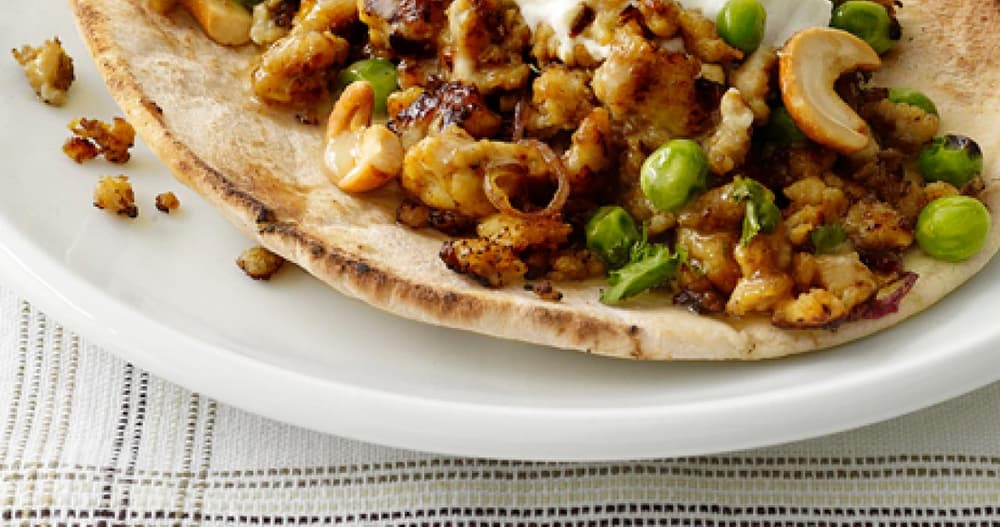
Craving a fiery, 20minute dinner that feels like takeout? This gochujang chicken noodles recipe gives you the heat, the umami, and the chewygoodness of ramen in one pan no delivery driver needed.
Grab a handful of pantry staples (ramen noodles, peanut butter, sesame oil, soy sauce) and follow the steps below; youll have a restaurantworthy bowl in under half an hour.
Why This Recipe
Theres a reason this Korean spicy chicken noodles recipe keeps popping up on food blogs and TikTok feeds. First, the flavor profile is perfectly balanced: the deep, fermented heat of gochujang meets the sweet nuttiness of peanut butter, while soy sauce and sesame oil add salty, aromatic depth. Second, the ingredients are quickcook ramen noodles, ground chicken, and a readymade sauce so you can go from fridge to table in about 20 minutes. Finally, the dish is surprisingly nutritious: lean protein, complex carbs, and a modest amount of healthy fat, with plenty of room for veggie upgrades.
Want a quick validation? A registered dietitian notes that the combination of protein and carbs in this bowl provides sustained energy without a massive calorie surge, making it a solid option for busy weekdays.
Ingredients List
| Component | Standard Qty | EasySwap / Optional | Why It Matters |
|---|---|---|---|
| Ramen noodles (discard seasoning) | 2 packs | Wholewheat spaghetti, rice noodles | Provides the chewy base; wholewheat adds fiber. |
| Ground chicken | lb (225g) | Ground turkey, plantbased mince | Lean protein; turkey for lower fat. |
| Gochujang paste | 2Tbsp | Gochujanglite, miso+chili paste | Core umamispice; lite version reduces heat. |
| Peanut butter (creamy) | 1Tbsp | Almond butter | Adds silkiness & depth. |
| Sesame oil | 1Tbsp | Avocado oil (high smokepoint) | Aromatic nutty note. |
| Soy sauce (lowsodium) | 2Tbsp | Tamari (glutenfree) | Salinity & umami backbone. |
| Optional veggies | 1cup mixed (spinach, carrots, bell pepper) | None | Boosts texture & micronutrients. |
| Garnishes | Chopped scallions, toasted sesame seeds, sriracha drizzle | Visual appeal & extra kick. |
All of these items are likely already in your pantry or can be grabbed in a single grocery trip. If youre looking for a glutenfree version, simply swap the ramen for rice noodles and the soy sauce for tamari.
StepbyStep
1 Prep the Sauce
Grab a small bowl and whisk together 2Tbsp gochujang, 1Tbsp creamy peanut butter, 2Tbsp lowsodium soy sauce, 1Tbsp sesame oil, a splash of water (about 2Tbsp), and a pinch of brown sugar or honey if you like a hint of sweetness. If you’re interested in a lower‑sugar option, check out our diabetic sauces for chicken for ideas that keep the flavor big but the carbs gentle. Taste it if youre daring, add an extra halfTbsp gochujang; if youre more cautious, a drizzle of honey will mellow the heat.
2 Cook Noodles & Chicken
Bring a pot of water to a rolling boil, drop in the ramen noodles, and cook for just 2minutes you want them still a little firm because theyll finish cooking in the pan. Drain, rinse under cold water, and set aside.
While the noodles are in the pot, heat a tablespoon of sesame oil in a large skillet over mediumhigh heat. Add the ground chicken, breaking it up with a wooden spoon. Cook until its no longer pink (internal temperature should reach 165F (74C)), about 56minutes. If youre adding veggies, toss them in during the last 2minutes so they stay crisptender.
3 Combine & Finish
Lower the heat to medium, return the noodles to the skillet, and pour the sauce over everything. Toss vigorously for 12minutes, letting the sauce coat each strand and each bite of chicken. If the mixture looks a little dry, splash in a tablespoon of water or extra sesame oil.
4 Plate & Garnish
Divide the noodles into wide bowls, sprinkle chopped scallions, toasted sesame seeds, and a generous drizzle of sriracha if you love extra fire. Serve immediately and watch the steam rise trust me, youll be digging in before the first bite even cools.
Health & Safety
While the dish is undeniably delicious, a balanced approach keeps it on the wholesome side. Use lowsodium soy sauce to keep the sodium in check, and limit added sugar to a teaspoon of honey or brown sugar. If youre sensitive to spice, start with one tablespoon of gochujang and increase gradually.
Remember the USDAs chicken safety tip: always cook poultry to an internal temperature of 165F. This ensures any harmful bacteria are eliminated, making your meal safe for the whole family.
Comparing Popular Versions
| Source | Prep Time | Heat Level | Unique Element | Rating (15) |
|---|---|---|---|---|
| Pinch of Yum | 20min | Medium | Peanutbutter sauce | 4.5 |
| Cake n Knife | 15min | High | Added bok choy | 4.0 |
| Kale Junkie | 20min | MediumHigh | Fresh cilantro & mint | 4.2 |
| Reddit Community | 25min | Adjustable | Fried egg topping | 4.0 |
Looking at the table, you can see why the gochujang chicken noodles recipe stands out: it delivers bold flavor without demanding obscure ingredients, and the cooking time stays under 30 minutes.
Customising the Dish
One of the best parts about this Korean chicken noodles recipe is how easily you can make it your own. Here are a few ideas to get creative:
- Protein swap: Try shrimp, firm tofu, or thinly sliced beef strips for a different texture.
- Noodle swap: Soba, udon, or even spiralized zucchini will change the carb profile.
- Sauce twist: Add a splash of coconut milk for a creamy, slightly sweet version (a technique popularized by Saveurs coconutgochujang blend).
- Top it off: Softboiled egg, avocado slices, or a spoonful of kimchi add richness and brightness.
Printable Recipe Card
For those who love a quick glance while cooking, click below to download a printable PDF that includes the ingredient list, stepbystep directions, and nutrition facts. Keep it on your fridge or phone for nexttime cravings strike.
Final Thoughts
This gochujang chicken noodles recipe is more than just a quick dinner; its a tasty bridge between the comfort of homecooked meals and the bold flavors of Korean street food. The balance of spicy, sweet, and nutty makes each bite exciting, while the simple ingredient list ensures you wont need a trip to a specialty store.
Feel free to experiment with the suggested swaps, or simply enjoy it as written. Whether youre feeding a family, a group of friends, or just yourself after a long day, this dish promises satisfaction, warmth, and that pleasant wow factor that keeps you coming back for more.
Whats your favorite way to personalize a gochujang dish? Share your tweaks, tag your photos with #GochujangNoodles, and lets keep the conversation spicy!
FAQs
What can I substitute for ground chicken in this recipe?
You can use ground turkey, plant‑based mince, shrimp, or thinly sliced beef for a different protein profile.
How do I adjust the heat level if I’m sensitive to spice?
Start with 1 Tbsp of gochujang instead of 2 Tbsp, or use a milder gochujang‑lite version and add a touch of honey for sweetness.
Can I make this dish gluten‑free?
Yes—swap the ramen noodles for rice noodles and use tamari or a gluten‑free soy sauce.
Is it possible to add vegetables without making the dish soggy?
Stir‑fry quick‑cooking veggies like spinach, carrots, or bell peppers during the last 2 minutes of cooking the chicken so they stay crisp‑tender.
How long should I store leftovers and how should I reheat them?
Refrigerate leftovers in an airtight container for up to 3 days. Reheat in a skillet with a splash of water or in the microwave, stirring halfway through.