Why Gluten Free Chocolate Sandwich Cookies?
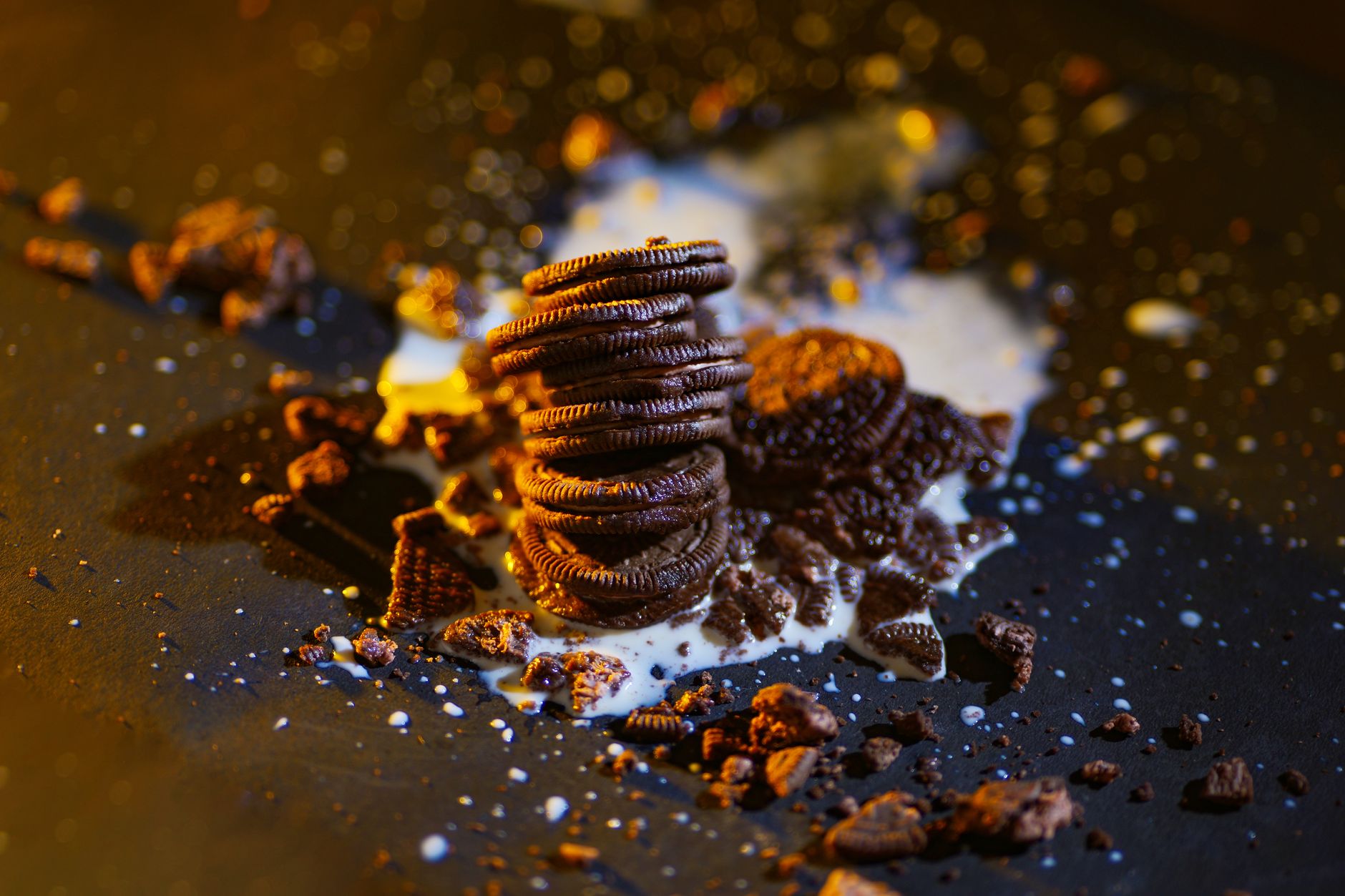
The first bite gives you a delicate crackle, followed by rich cocoa and a smooth white chocolate center. These Gluten Free Chocolate Sandwich Cookies are made with cocoa instead of wheat flour, then rolled in powdered sugar for a lightly crinkled finish.
Gluten Free Chocolate Sandwich Cookies are rich, crisp-edged treats made from cocoa, butter, sugar, eggs, and gluten-free baking powder, then joined with chilled white chocolate ganache. The dough is rolled into small balls, coated in powdered sugar, baked until set, and cooled completely before filling. They are especially good for holiday trays, cookie exchanges, and make-ahead desserts.
The cookie itself is deeply chocolatey rather than overly sweet. Cinnamon adds quiet warmth, while the creamy ganache softens the crisp texture. Plan ahead, because the filling needs to chill overnight before it is firm enough to spread.

Health Benefits & Nutrition
These are celebration cookies, so they are best enjoyed as an occasional dessert rather than an everyday health food. Their main appeal is flavor and texture, not a low-calorie profile.
- Cocoa provides intense chocolate flavor. Unsweetened cocoa contributes naturally occurring plant compounds and lets the recipe taste rich without relying only on melted chocolate.
- Eggs add structure. Eggs help the cookies hold together and contribute protein, although each cookie contains only a modest amount.
- Gluten-free ingredients suit some dietary needs. Use certified gluten-free cocoa, baking powder, vanilla, and powdered sugar if cross-contact with gluten is a concern.
- Portion size matters. The cookies contain butter, sugar, white chocolate, and cream, so smaller sandwich cookies make a sensible serving.
Approximate nutrition is about 430 calories per sandwich when the recipe makes 24 cookies. The actual amount changes with cookie size and the quantity of ganache used. Anyone with celiac disease, a wheat allergy, or another food allergy should check every package label and consider advice from a qualified healthcare professional or dietitian.
Ingredients & Preparation
Recipe Card
| Prep time | 12 hours 40 minutes, including overnight ganache chilling |
|---|---|
| Cook time | 20 minutes |
| Total time | 13 hours |
| Servings | 18 to 24 sandwich cookies |
| Calories | Approximately 430 per sandwich |
| Diet tags | Gluten-free when certified gluten-free ingredients are used; vegetarian |
Full ingredient list
- 1/4 cup heavy cream
- 2/3 cup icing sugar
- 9 ounces white chocolate, finely chopped
- 2 cups unsalted butter, softened
- 3 cups granulated sugar
- 4 cups high-quality gluten-free cocoa powder
- 2 tablespoons gluten-free vanilla extract
- 5 teaspoons gluten-free baking powder
- 4 teaspoons ground cinnamon
- 1/2 teaspoon salt
- 4 large eggs
- 1/2 cup icing sugar, for coating
Equipment needed
You will need a medium saucepan, heatproof bowl, electric mixer, large mixing bowl, measuring cups and spoons, fine-mesh sieve, baking sheets, parchment paper, cookie scoop or tablespoon, cooling racks, and a small offset spatula or spoon for filling.
Tips for choosing quality ingredients
Choose unsweetened cocoa with a deep brown color and a fresh, clean aroma. If the cocoa has hard lumps, sift it before measuring. I found that lumpy cocoa leaves dry pockets in the dough, and those pockets become bitter spots after baking.
Use real butter rather than a soft spread. Butter gives the cookies a firmer edge and a fuller flavor. For the filling, choose white chocolate with cocoa butter when possible. Very sweet white baking chips can make the ganache thick and sugary, so finely chopped chocolate bars usually melt more smoothly.
For a fully gluten-free result, verify that every packaged ingredient is labeled appropriately for your needs. Gluten-free baking powder and vanilla are especially useful when preparing these cookies for someone with celiac disease.
Step-by-Step Instructions
1. Make and chill the white chocolate ganache
Warm 1/4 cup heavy cream in a saucepan over medium-low heat for 2 to 3 minutes. Do not let it boil. Add 2/3 cup icing sugar and whisk for 30 seconds, until the mixture looks smooth. Remove the pan from the heat, add the finely chopped white chocolate, and stir for 2 to 3 minutes. The finished mixture should look glossy, with no visible chocolate pieces. Transfer it to a covered bowl and refrigerate for 12 hours.
2. Mix the chocolate cookie dough
Preheat the oven to 375°F and line baking sheets with parchment. Beat the softened butter and granulated sugar with an electric mixer on low speed for 2 minutes, then increase to medium speed for 3 minutes. Add the cocoa, vanilla, baking powder, cinnamon, salt, and eggs. Mix on low for 2 minutes, scraping the bowl once. The dough should be thick, dark, and soft enough to scoop.
3. Shape and coat the cookies
Scoop the dough into 1-inch balls, using about 1 tablespoon per cookie. Roll each ball between your palms, then coat it generously in the remaining 1/2 cup icing sugar. Arrange the balls 2 inches apart on the prepared baking sheets. The first time I made these, I left the dough at room temperature between batches, and the later cookies spread too far. Chill any waiting dough for 20 to 30 minutes until it feels firm.
4. Bake and cool the cookie rounds
Bake one sheet at 375°F for 13 minutes. The tops should be cracked, the edges should look set, and the centers should still feel slightly soft. You may hear a faint, dry crackle as the sugar crust settles. Cool the cookies on the baking sheet for 5 minutes, then transfer them to a rack for at least 45 minutes. Repeat with the remaining dough.
5. Fill and assemble the sandwiches
Remove the ganache from the refrigerator and let it stand at room temperature for 10 minutes. Place approximately 1 tablespoon of ganache on the flat side of half the cooled cookies. Top with the remaining cookies and press gently until the filling reaches the edges without squeezing out. Chill the assembled cookies for 30 minutes before serving for a cleaner center.

Variations & Substitutions
- Extra-dark chocolate cookies: Replace 1/2 cup of the cocoa with an additional 1/2 cup of dark cocoa powder. Do not increase the total cocoa beyond 4 cups, or the dough can become dry and crumbly.
- Orange chocolate version: Add 2 teaspoons finely grated orange zest to the cookie dough with the vanilla. Use the same amount of ganache. Orange extract is stronger, so use only 1/2 teaspoon if substituting for part of the vanilla.
- Mint filling: Add 1/4 teaspoon peppermint extract to the cooled ganache. Stir it in after the ganache has chilled for 10 minutes. Avoid adding more than 1/2 teaspoon, which can overpower the cocoa.
- Cinnamon-free cookies: Omit the 4 teaspoons cinnamon for a straightforward chocolate flavor. No other ingredient adjustment is needed.
- Dairy-free adaptation: Use a plant-based butter that measures cup-for-cup and a dairy-free white chocolate suitable for melting. Replace the heavy cream with the same amount of unsweetened plant-based cream. Results vary between brands, so chill the ganache longer if it remains loose.
- Smaller cookies: Use 2 teaspoons of dough per cookie and bake for 9 to 10 minutes at 375°F. Pair two smaller rounds with about 2 teaspoons of filling rather than a full tablespoon.
Storage & Shelf Life
Store assembled cookies in an airtight container in the refrigerator for up to 5 days. Place parchment between layers to protect the powdered sugar coating and prevent the ganache from sticking. Let them stand at room temperature for 10 to 15 minutes before serving so the filling softens slightly.
Unfilled baked cookies can stay in an airtight container at room temperature for 3 days. The ganache can be refrigerated separately for up to 5 days. Bring it to room temperature for 15 minutes, then stir gently before spreading.
For longer storage, freeze the unfilled cookies in a single layer for 1 hour, then transfer them to a freezer-safe container with parchment between layers. Freeze for up to 2 months. Thaw at room temperature for 1 to 2 hours, then fill. Filled cookies can also be frozen for up to 1 month, though the powdered sugar coating may look less crisp after thawing.
Discard the cookies if you notice mold, a sour smell, wet or slimy filling, or an unusual stale-rancid butter flavor. Do not taste food that shows visible spoilage.
Pro Tips
Measure cocoa carefully. Spoon cocoa into the measuring cup and level it, rather than packing it down. Packed cocoa adds too much dry ingredient and makes the dough harder to roll.
Keep the ganache cool but spreadable. If it is too firm, leave it at room temperature for 5-minute intervals. Avoid microwaving it for a long burst, because white chocolate can scorch or separate. If needed, warm it for 5 seconds at a time and stir after each interval.
Use parchment, not a greased pan. Extra butter on the pan can encourage spreading and makes the powdered sugar coating look patchy. Parchment also makes the delicate cookie bottoms easier to lift.
Do not overbake. These cookies firm as they cool. When the edges are set but the centers still look slightly soft, remove them from the oven. Baking until the centers look completely dry produces a harder sandwich cookie.
Watch the filling quantity. A level tablespoon gives a generous center without making the sandwich unstable. If the ganache reaches beyond the cookie edge, chill the filled cookies for 30 minutes before moving them to a container.
Reduce powdered sugar mess. Roll the dough over a shallow bowl, then tap each ball gently before placing it on the sheet. This leaves a thick white coating without a heavy pile of loose sugar around the cookie.

Serving and Troubleshooting
When is the best time to eat Gluten Free Chocolate Sandwich Cookies?
The best time to eat these cookies is 10 to 15 minutes after they leave the refrigerator. That short rest softens the ganache while keeping the cookie edges crisp. They also work well for afternoon coffee, dessert trays, packed lunches, and holiday gatherings when stored cold until serving.
Why did my cookies spread too much?
Chill the remaining dough for 20 to 30 minutes before baking the next batch. Soft butter, a warm kitchen, or an unchilled dough can make the rounds spread. Also check that the butter was softened rather than melted. Parchment-lined pans help control spreading better than greased baking sheets.
Why are my cookies dry or crumbly?
Dry, crumbly cookies usually result from too much cocoa, over-measuring, or overbaking. Spoon the cocoa into the measuring cup and level it, then remove the cookies when the edges are set but the centers remain slightly soft. Allowing the baked rounds to cool fully also helps them finish setting without losing all their moisture.
Can I make the ganache without chilling it overnight?
You can chill the ganache for at least 4 hours, but overnight chilling gives it the most reliable spreading texture. A shorter chill may leave it loose, especially in a warm kitchen. If you are short on time, refrigerate it in a shallow covered container so it cools more quickly and evenly.
Can I prepare the dough ahead of time?
Yes, prepare the dough up to 24 hours ahead and keep it covered in the refrigerator. Let it stand at room temperature for 10 to 15 minutes before scooping if it becomes very firm. Do not leave the dough uncovered, because the surface can dry and make the edges of the cookies rough.
How do I know when the cookies are fully baked?
The cookies are done when their tops are cracked, their edges look dry and set, and the centers remain slightly soft. At 375°F, this usually takes 13 minutes for 1-inch dough balls. They should not look wet in the middle, but they also should not feel hard when first removed from the oven.
Can I use regular cocoa or baking powder?
Use certified gluten-free versions when you need the finished cookies to meet gluten-free requirements. Cocoa and baking powder can be exposed to cross-contact during processing or packaging. Regular versions may be suitable for people without gluten restrictions, but always check labels for your specific dietary needs.
More Recipes You Will Love
For another deeply chocolatey dessert, try these Death by chocolate cupcakes. Their soft crumb and rich frosting make them a natural choice when you want a larger chocolate dessert instead of individual cookies.
If you enjoy desserts with a warm fruit layer and an easy serving style, the Slow cooker pineapple upside down cake0 offers a very different texture. It is soft, buttery, and fruit-forward, while these sandwich cookies stay crisp around their creamy filling.
Conclusion
These Gluten Free Chocolate Sandwich Cookies combine crisp cocoa rounds with a creamy white chocolate center. Chilling the ganache, cooling the cookies completely, and baking the dough in firm batches are the small details that make the finished texture reliable. Use certified gluten-free ingredients when needed, and keep the assembled cookies chilled until shortly before serving. If you make them, leave a rating or comment and share how you flavored the filling.
FAQs
When is the best time to eat Gluten Free Chocolate Sandwich Cookies?
These cookies are best enjoyed as an occasional dessert, such as at holiday gatherings, cookie exchanges, or after a celebratory meal. They are rich, with cocoa, butter, sugar, and white chocolate ganache, so one sandwich cookie is a sensible portion. Because the filling needs to chill overnight, they also work well for make-ahead planning before an event.
Can I make Gluten Free Chocolate Sandwich Cookies ahead of time?
Yes, you can make them ahead of time. The white chocolate ganache must chill overnight until it is firm enough to spread, so preparing it a day in advance is practical. The cookies should cool completely before filling. Store assembled sandwiches in an airtight container at room temperature until serving.
Why are my gluten-free chocolate cookies crumbly?
Crumbly cookies usually result from measuring errors or overbaking. Eggs and butter provide structure, so use the listed amounts and measure the cocoa and sugar accurately. Bake only until the cookies are set, then let them cool on the sheet briefly before moving them to a rack.
Can I use a different type of cocoa powder in these cookies?
You can use a different cocoa powder, but choose an unsweetened, high-quality option. Natural and Dutch-process cocoa differ in acidity and color, which can change the flavor and appearance of the cookies. If cross-contact with gluten is a concern, select cocoa that is certified gluten-free.
How do I keep the white chocolate filling from getting too soft?
Keep the filling chilled until you are ready to assemble the cookies. If it becomes too soft to spread, refrigerate it for a short time until it firms up. Store the finished sandwich cookies in the refrigerator during warm weather, and bring them to room temperature before serving for the best texture.