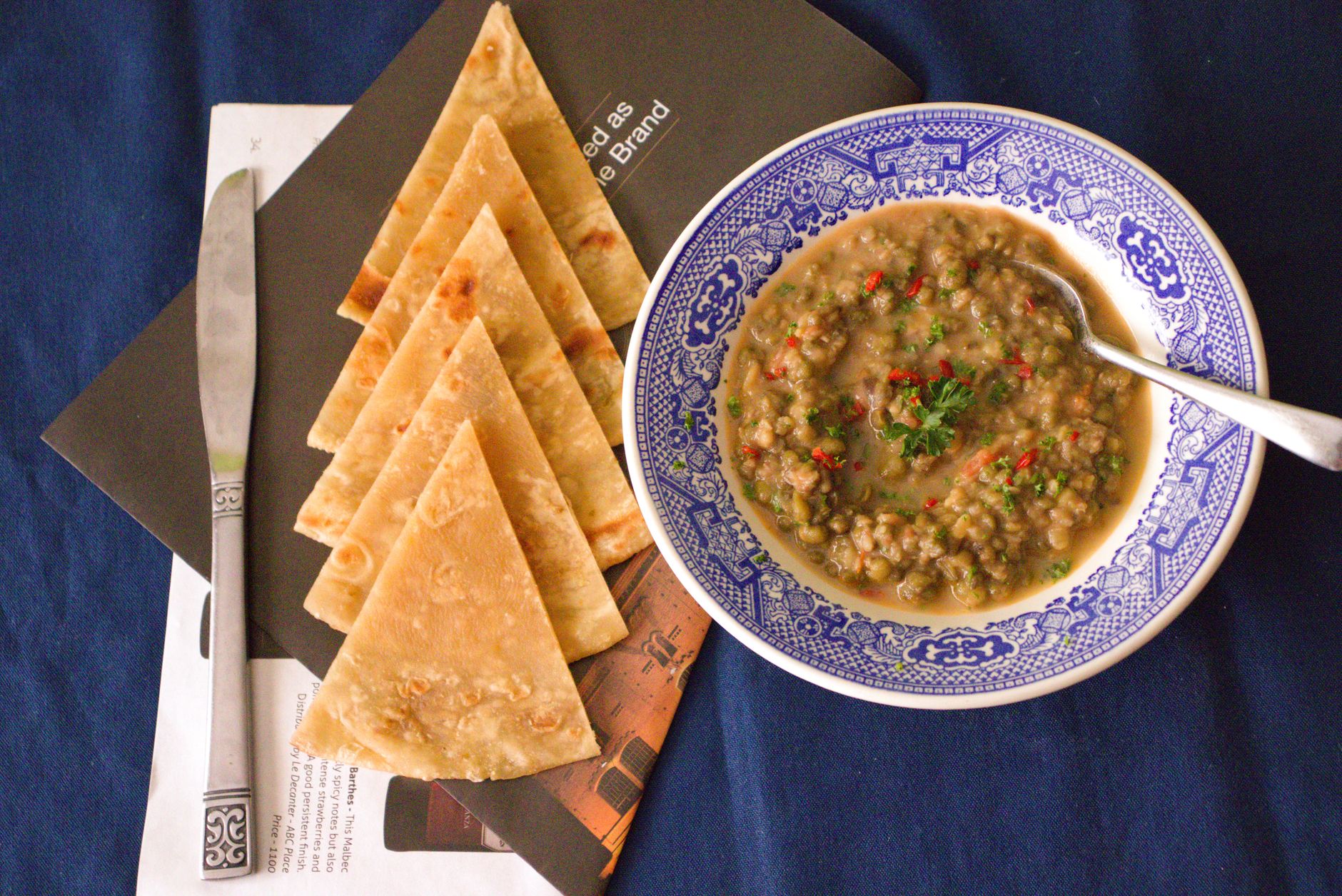
Why Ful Medames Recipe Is a Timeless Classic
Imagine waking up to a warm, steaming bowl filled with tender, earthy fava beans bathed in fragrant garlic and lemon, topped with perfectly boiled eggs and a drizzle of golden olive oil. Ful Medames is a beloved Egyptian dish that delivers this comforting experience with every bite. This humble recipe, rooted in centuries of tradition, offers a hearty, flavorful meal beloved across the Middle East and beyond. Ful Medames recipe captures authenticity in a simple, nourishing plate that’s perfect any time of day, especially breakfast or brunch, with its creamy texture and vibrant, tangy accents.
Health Benefits & Nutrition
Ful Medames isn’t just delicious—it’s packed with nutrition that supports your wellbeing. Fava beans provide a rich source of plant-based protein essential for muscle repair and growth. A study published in the Journal of Nutrition highlights that fava beans are high in dietary fiber, which aids digestion and helps regulate blood sugar levels. Additionally, the folate content in fava beans supports heart health and proper brain function.
Olive oil, a staple in this dish, contributes heart-healthy monounsaturated fats known to reduce inflammation. Plus, garlic offers antioxidants and may enhance immune function, according to research from Food Science & Nutrition. However, if you’re pregnant or on blood-thinning medication, consult your healthcare provider before adding large amounts of garlic or fava beans to your diet. Also, note that some people may have legume allergies, so proceed with caution.
Ingredients & Preparation
Recipe Card
| Prep Time | 8 hours (soaking) |
|---|---|
| Cook Time | 12 hours 20 minutes (simmering) |
| Total Time | 20 hours 20 minutes |
| Servings | 6 |
| Calories | Approximately 320 per serving |
| Diet Tags | Vegetarian, Gluten-free, High Protein |
Full Ingredient List
- 1 pound dried Egyptian fava beans
- 1 head garlic, halved
- 7 cups water (plus extra for soaking and topping up)
- 6 large eggs
- Juice of 1 lemon
- Salt and black pepper, to taste
- 6 tablespoons chopped scallions (green onions)
- 6 tablespoons high-quality olive oil
- 3 tablespoons fresh lemon juice (additional)
- Egyptian pickles and toasted pita bread, for serving
Equipment Needed
- Large bowl for soaking beans
- Large heavy-bottomed saucepan with lid
- Slotted spoon
- Measuring spoons and cups
- Bowls for serving
Tips for Choosing Quality Ingredients
- Opt for Egyptian or dried fava beans that are plump, even in color, and free of debris.
- Use fresh garlic heads with firm cloves for the most vibrant aroma and flavor.
- Choose a good-quality extra virgin olive oil for richness and a fruity aroma that elevates the dish.
- Pick the freshest lemons—bright, firm, and fragrant—to provide the perfect tang.
- Whole eggs with clean shells are best; they’ll cook evenly during the slow simmer.
Step-by-Step Instructions
Step 1: Soak the Beans Overnight
Place 1 pound dried Egyptian fava beans in a large bowl and cover with cold water—at least 3 inches above the beans. Let them soak overnight for 8 hours to soften.
Step 2: Begin Cooking the Beans
Drain the soaked beans and transfer them to a large saucepan. Add the halved head of garlic and 7 cups of fresh water. Bring to a boil over high heat, then reduce to a gentle simmer at 180°F (82°C).
Step 3: Add Eggs and Seasoning
Slip 6 whole eggs (with shells) into the simmering beans. Add the juice of 1 lemon, salt, and freshly ground black pepper to taste. Cover and cook slowly for 12 hours, occasionally topping with water to keep the beans submerged.
Step 4: Prepare Serving Bowls
While the beans cook, prepare 6 bowls. In each, add 1 tablespoon chopped scallions, 1 tablespoon olive oil, ½ tablespoon lemon juice, and a pinch of salt and pepper.
Step 5: Finish and Serve
After the slow cooking, remove the eggs and peel them carefully. Spoon the tender fava beans with their thick broth into each bowl over the scallion and olive oil base. Place one peeled egg on top of each serving. Serve warm with Egyptian pickles and toasted pita bread for a satisfying meal.

Variations & Substitutions
- Quick Stove-Top Version: Soak the beans overnight then simmer for 2–3 hours instead of 12, adding more frequent water to prevent drying.
- Vegetarian and Vegan Twist: Omit the eggs and add diced tomatoes or roasted peppers for extra flavor; drizzle with tahini instead of olive oil for a creamy finish.
- Spice it up: Incorporate ground cumin, smoked paprika, or chili flakes into the beans while cooking for a heartier, spiced variation.
- Substitute fava beans: Use canned fava beans for a faster alternative—rinse and cook down until creamy—but adjust seasoning accordingly.
Storage & Shelf Life
After cooking, you can store Ful Medames in an airtight container in the refrigerator for up to 4 days. Reheat gently on low or in a microwave to preserve texture. For longer storage, freeze the beans (without eggs) in a freezer-safe container for up to 3 months. Thaw overnight in the fridge before reheating.
Signs of spoilage include sour smell, mold growth, or slimy texture—discard immediately if any of these occur.
Pro Tips
- Slow simmering at low heat is crucial to develop creamy texture without breaking the beans into mush.
- Peeling the eggs after cooking prevents bitterness and preserves their smooth, tender surface.
- Using fresh lemon juice right before serving brightens the earthy flavor dramatically.
- To avoid staining your hands while peeling or handling fava beans, rinse frequently in cold water.
- Adding olive oil to each serving helps balance the tanginess and adds a luscious mouthfeel.
When is the best time to eat Ful Medames Recipe?
Ful Medames shines as a nourishing breakfast or brunch, especially in Middle Eastern cultures where it’s traditionally served at dawn to fuel the day ahead. However, it is equally satisfying as a light lunch or even dinner. Its warming nature and hearty protein content make it suitable anytime you crave comfort food with a healthy edge.
Can I make Ful Medames Recipe without soaking the beans overnight?
While soaking softens beans and reduces cooking time, skipping this step means the beans will take significantly longer to cook and might remain tough. Soaking also helps reduce gas-producing compounds, improving digestibility. For best results, soak overnight.
Is Ful Medames recipe gluten-free and suitable for vegetarians?
Yes, the dish is naturally gluten-free and vegetarian. It contains no gluten ingredients and is built on plant-based beans and olive oil. For a vegan version, remove the eggs or replace with a plant-based alternative.
What are some common accompaniments for serving Ful Medames?
Ful Medames is often paired with warm toasted pita bread, a selection of Egyptian pickles, fresh tomatoes, cucumbers, or even a drizzle of tahini for extra richness. A dash of hot sauce can add a spicy kick if you enjoy heat.
How can I enhance the flavor of my Ful Medames Recipe?
Add a pinch of cumin or smoked paprika during the cooking phase for deeper aroma. Finishing with fresh herbs like parsley or cilantro also lifts the dish. High-quality olive oil and fresh lemon juice enhance brightness and mouthfeel completely.
Can I prepare Ful Medames Recipe in a slow cooker?
Absolutely! After soaking the beans overnight, transfer them with garlic, lemon juice, water, and eggs into a slow cooker. Cook on low for 10–12 hours, checking occasionally to add water as necessary, for perfectly tender beans.
How do I know when the beans are fully cooked?
The beans should be tender enough to mash easily with a fork but still hold their shape. Test by pressing one bean between your fingers; it should feel soft and creamy inside without crunchiness.
More Recipes You Will Love
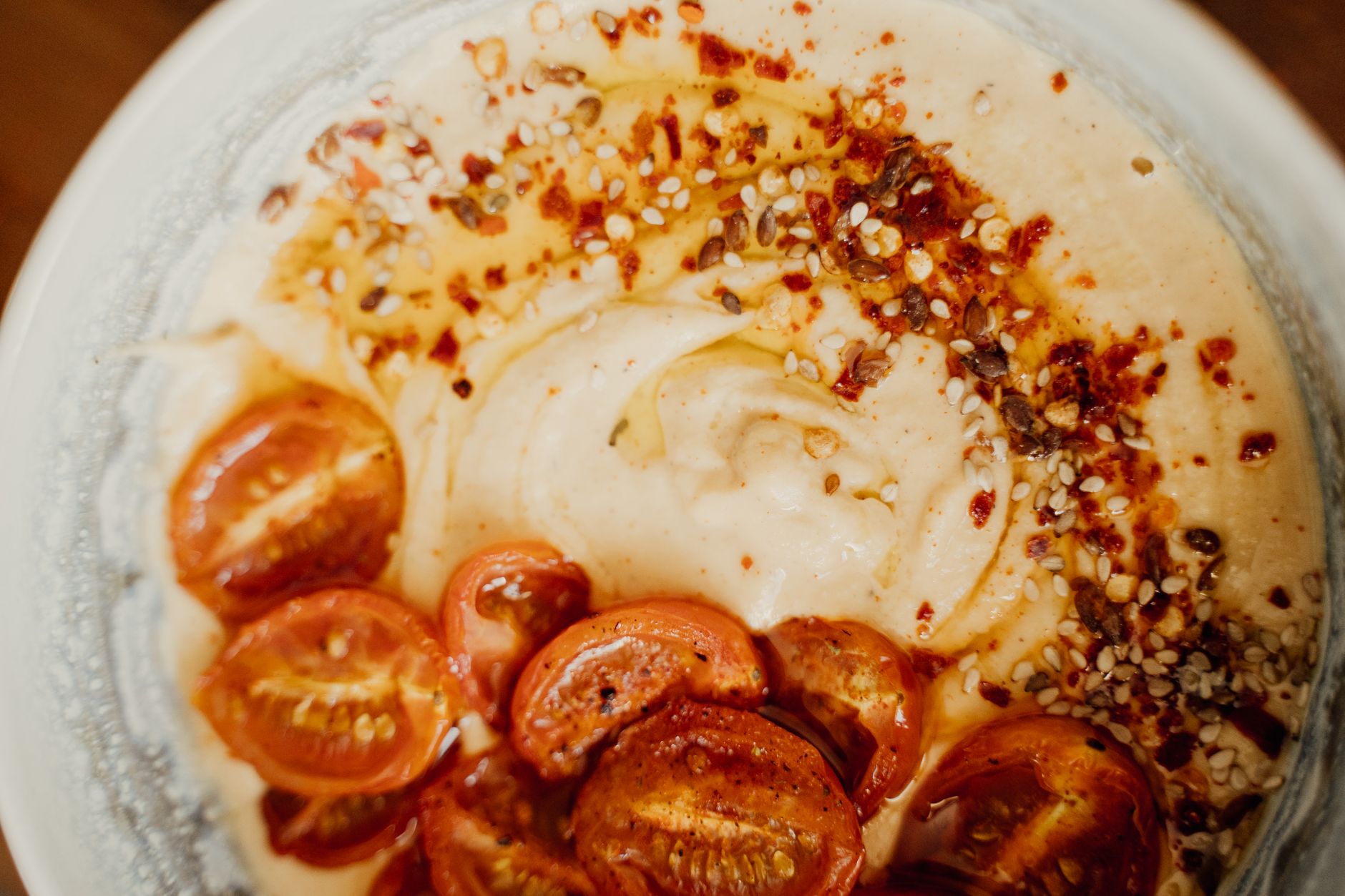
If you enjoy the comforting earthiness of Ful Medames, you’ll appreciate the vibrant flavors in a Tomato soup recipe Jamie Oliver offers. The fresh acidity balances wonderfully with the creamy beans’ richness.
For a touch of something sweet and tart, try adding a drizzle of pomegranate syrup or molasses recipe to your next Middle Eastern dish. It brings a delightful contrast that complements legumes perfectly.
Conclusion
Ful Medames recipe is a timeless treasure that brings together simple ingredients into a dish bursting with warmth, flavor, and nutrition. Whether you follow the traditional long simmer or try a quick variation, this Egyptian classic offers a savory experience that comforts and energizes. If you try this recipe, share your thoughts and tips below—we love hearing how you make this dish your own!
FAQs
When is the best time to eat Ful Medames Recipe?
Ful Medames Recipe is traditionally eaten for breakfast or brunch, providing a hearty and nutritious start to the day. However, its rich flavors and satisfying texture make it suitable for any meal, including lunch or dinner. It’s perfect when you want a warm and comforting dish at any time.
How long does it take to prepare Ful Medames?
Preparation involves an 8-hour soaking of the fava beans followed by a slow simmer that can take over 12 hours. The total time is about 20 hours, including soaking and cooking, which results in tender beans with deep flavors. Plan ahead for the best results.
Are there any health benefits to eating Ful Medames?
Yes, Ful Medames is nutritious, providing plant-based protein, fiber, and folate from fava beans. The olive oil adds heart-healthy fats, and garlic offers antioxidants. This combination supports digestion, heart health, and immune function, making it both tasty and beneficial.
Can Ful Medames be made vegetarian or gluten-free?
Ful Medames is naturally vegetarian and gluten-free when prepared with its traditional ingredients like fava beans, garlic, lemon juice, and olive oil. It’s an ideal recipe for those following plant-based or gluten-sensitive diets without any modifications necessary.
What are some traditional ways to serve Ful Medames?
Ful Medames is often served with freshly boiled eggs, chopped scallions, extra lemon juice, and a drizzle of olive oil. It is commonly accompanied by Egyptian pickles and toasted pita bread, which enhance the dish with complementary textures and flavors.