Why Frozen Custard is a Must-Try Dessert
Imagine a scoop of dessert that’s richer and silkier than ice cream, melting slowly with a velvety texture that tempts every taste bud. That’s frozen custard for you—a luscious treat crafted with egg yolks, sugar, and cream. Unlike traditional ice cream, frozen custard benefits from the addition of egg yolks, which create a dense, creamy mouthfeel and a golden hue. Whether enjoyed on a warm summer day or as a decadent finish to dinner, frozen custard is a dessert that delivers comfort in every bite. If you love creamy desserts with intense vanilla aroma, this recipe will become your favorite.
Health Benefits & Nutrition
Though frozen custard is an indulgence, it can offer some surprising nutritional perks. First, the egg yolks present provide essential nutrients such as vitamin D, lutein, and zeaxanthin, which promote eye health (Harvard T.H. Chan School of Public Health). Second, the dairy components contribute calcium and protein, beneficial for bone strength and muscle repair. Additionally, when made with high-quality ingredients and eaten in moderation, frozen custard fits well within a balanced diet.
However, note that due to its richness, frozen custard contains saturated fat and cholesterol, so individuals managing heart health or pregnant women should consume it sparingly or consult with a healthcare provider. Also, those with dairy or egg allergies must avoid or substitute accordingly.
Ingredients & Preparation
Recipe Card
| Prep Time | 20 minutes |
|---|---|
| Total Time | 8 hours 40 minutes (including chilling) |
| Servings | 8 to 10 |
| Calories (per serving) | 277 |
| Diet Tags | Gluten-Free, Vegetarian |
Ingredients
- 1 vanilla bean
- 1 1/2 cups half-and-half
- 1 cup granulated sugar
- 5 large egg yolks
- 1 1/2 cups heavy cream
Equipment Needed
- Large saucepan
- Mixing bowl
- Whisk
- Fine-mesh strainer
- Ice cream maker
- Wooden spoon
Tips for Choosing Quality Ingredients
To make your frozen custard truly exceptional, pick fresh, organic eggs for richer flavor and creaminess. Choose a vanilla bean with a moist, pliable pod to extract maximum aromatic caviar. Use high-quality half-and-half and heavy cream from grass-fed dairy where possible—this yields better texture and a naturally sweet, creamy finish. Granulated sugar should be fine to dissolve easily without graininess. These small choices make a big difference in the taste and mouthfeel of your custard.
Step-by-Step Instructions
Step 1: Infuse the Vanilla (10 minutes)
Split the vanilla bean lengthwise using a paring knife. Scrape the tiny seeds into a large saucepan, then add the pod, half-and-half, and sugar. Heat gently over low heat, stirring often until sugar fully dissolves—about 8 minutes. Avoid boiling to keep flavors bright.
Step 2: Whisk Egg Yolks (3 minutes)
In a separate mixing bowl, whisk the egg yolks until they become pale yellow and slightly thickened. This takes about 2 to 3 minutes with steady hand motion or an electric mixer.
Step 3: Temper Egg Yolks (5 minutes)
Slowly pour one ladle of the warm half-and-half mixture into the yolks, whisking continuously to raise the temperature without scrambling. Repeat with a second ladle. This gradual process tempers the eggs gently.
Step 4: Cook Custard Base (4 minutes)
Pour the tempered yolks back into the saucepan with the remaining half-and-half mixture. Cook over low heat, stirring steadily with a wooden spoon until the custard thickens enough to coat the spoon’s back, about 3 to 4 minutes.
Step 5: Strain and Chill (2 hours minimum)
Strain the custard through a fine-mesh sieve into a clean bowl to remove the vanilla pod and any cooked egg bits. Stir in the heavy cream until smooth. Refrigerate until fully chilled, at least 2 hours for best results.
Step 6: Freeze Custard (6+ hours)
Pour the chilled custard mix into your ice cream maker. Follow the manufacturer’s directions to churn until thick and creamy. Transfer to a freezer-safe container and freeze for at least 6 hours or overnight. This firmness makes it beautifully scoopable.
Variations & Substitutions
- Chocolate Frozen Custard: Add 1/2 cup high-quality cocoa powder to the half-and-half mixture during heating. Whisk until smooth to create a rich chocolate version.
- Fruit-Infused Custard: Fold in 1 cup of pureed fresh strawberries or peaches right after churning for a refreshing fruity twist.
- Dairy-Free Option: Replace half-and-half and heavy cream with full-fat coconut milk for a tropical, lactose-free frozen custard alternative resembling Coconut sheet cake with marshmallowcream cheese frosting flavors.
- Lower Sugar Version: Substitute sugar with natural sweeteners like honey or maple syrup, adjusting sweetness to taste while maintaining the custard’s creamy texture.
Storage & Shelf Life
Frozen custard keeps best when stored in an airtight container in the freezer. Properly sealed, it lasts up to 2 weeks while maintaining creamy texture. Avoid repeated thawing and refreezing to prevent ice crystals and graininess.
If refrigerated instead, consume within 2 days as the custard base can spoil quickly at above-freezing temperatures.
Signs of spoilage include sour aroma, off colors (grayish or curdled spots), and icy or grainy texture changes. When in doubt, discard to stay safe.
Pro Tips
- Vanilla Extraction: Scrape the inside of the bean thoroughly to harvest maximum flavor. Simmer the pod longer along with the half-and-half for intensified aroma.
- Temperature Control: Cook the custard gently on low heat, stirring constantly to prevent curdling or scrambling the eggs.
- Texture Tips: Chill the custard base thoroughly before churning to speed freezing and enhance creaminess.
- Scoopability: Let frozen custard sit at room temperature for 5 minutes before serving to soften slightly for perfect scoops.
- Staining Prevention: Use a whisk or spoon dedicated to custard to avoid color changes and residue from other foods or utensils.
When is the best time to eat Frozen Custard?
Frozen custard shines best during warm weather when its cool, creamy texture provides refreshing relief. It also makes a delightful year-round dessert after dinner or during celebrations. Enjoying it slightly softened after freezing enhances its rich texture and flavor.
Can I make frozen custard without an ice cream maker?
While an ice cream maker ensures smooth texture by churning and freezing simultaneously, you can recreate frozen custard without one by stirring the mixture every 30 minutes as it freezes. This method requires patience but still yields tasty results.
Are eggs safe to eat in frozen custard?
Yes, the egg yolks in frozen custard are cooked gently during preparation until the mixture thickens, eliminating harmful bacteria. However, avoid using raw or undercooked eggs to ensure food safety.
Can I use vanilla extract instead of a vanilla bean?
Vanilla extract can replace a vanilla bean in a pinch. Use 1 to 2 teaspoons of pure vanilla extract added during the heating stage. The flavor may be less complex but still delicious.
How do I avoid icy texture in frozen custard?
The key is thorough chilling of the custard base before churning and consistent stirring during freezing. Using an ice cream maker helps prevent large ice crystals and ensures smooth creaminess.
Can frozen custard be made lactose-free?
Yes, substituting dairy with full-fat coconut milk or lactose-free cream can create luscious frozen custard suitable for lactose-intolerant individuals. This variation brings a slightly tropical twist but maintains richness.
How to re-soften frozen custard after freezing?
Allow frozen custard to sit at room temperature for 5 to 10 minutes before scooping. This softens it just enough for smooth serving without melting.

More Recipes You Will Love
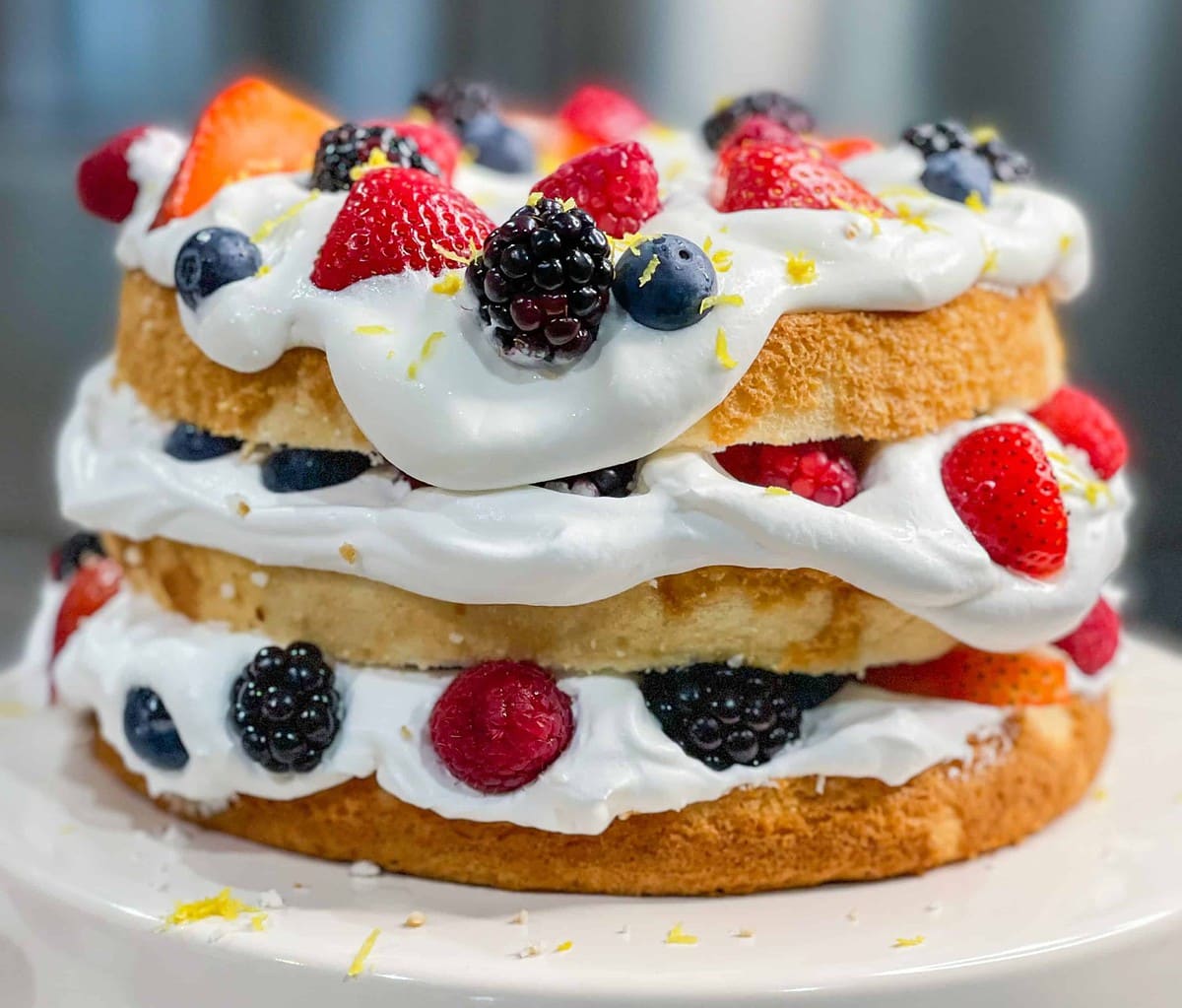
If you enjoy rich and creamy desserts like frozen custard, you’ll also appreciate the deliciously moist Coconut sheet cake with marshmallowcream cheese frosting. It balances a tender crumb with sweet, fluffy frosting—a perfect pairing for any celebration.
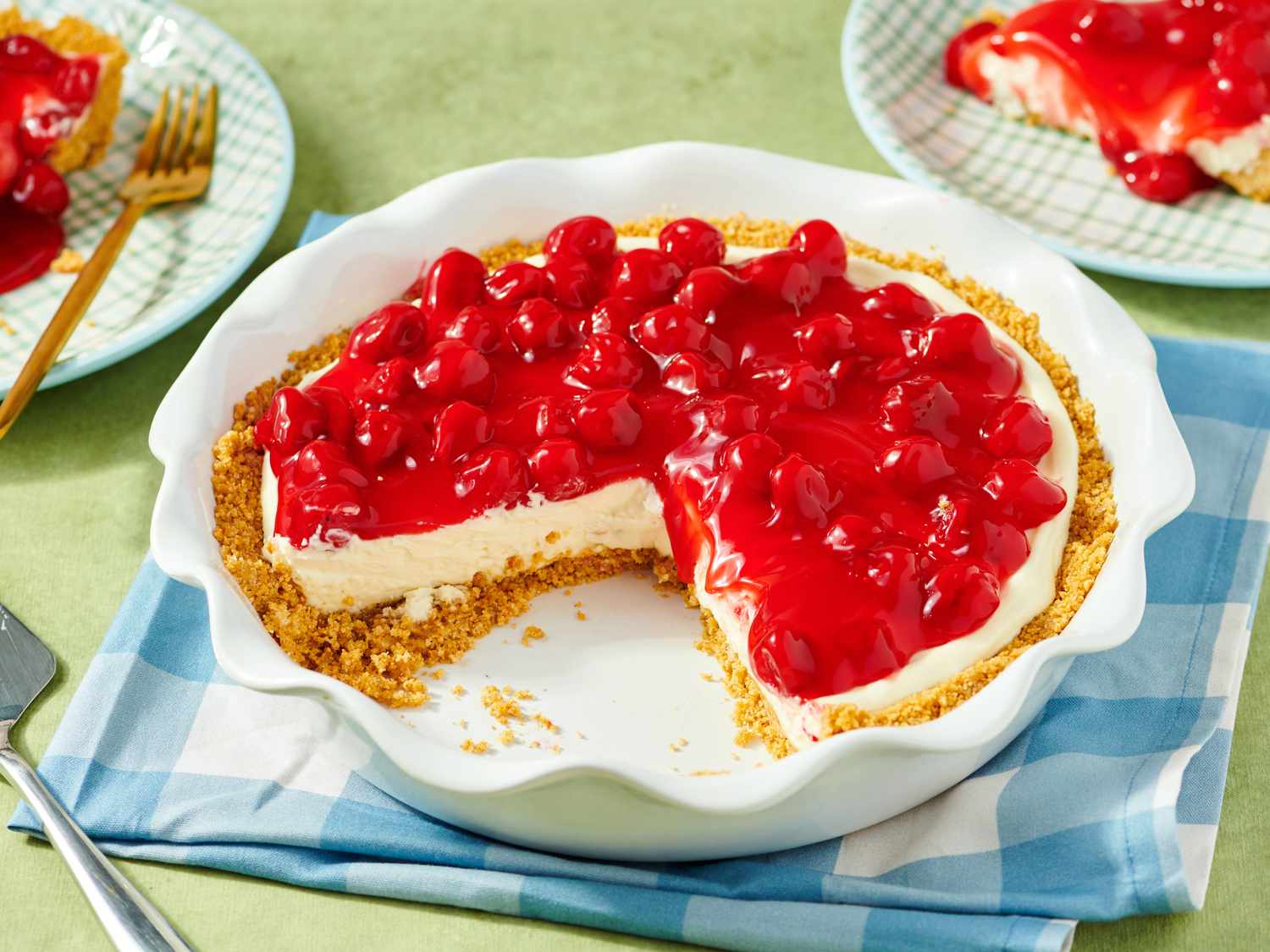
For those seeking a dairy-free yet indulgent treat, the Lactose free cheesecake (no bake) offers a smooth, creamy texture that’s easy to whip up and gentle on the stomach.

Conclusion
Frozen custard delivers a decadent, creamy dessert experience that’s both comforting and luxurious. Its rich texture and exquisite vanilla aroma make it perfect for indulging anytime. By following simple steps and using quality ingredients, you can easily create this classic treat at home. Feel free to share your frozen custard creations or tips in the comments—we’d love to hear how you customize this timeless dessert!
FAQs
When is the best time to eat Frozen Custard?
Frozen custard is perfect to enjoy anytime, but it shines on warm summer days as a refreshing treat. It also makes a decadent dessert after dinner for a creamy, comforting finish.
What makes frozen custard different from regular ice cream?
Frozen custard contains egg yolks in addition to cream and sugar, which gives it a denser, creamier texture and a richer flavor compared to regular ice cream that typically lacks eggs.
Can frozen custard be made without an ice cream maker?
While an ice cream maker helps achieve the smooth texture, you can make frozen custard at home using manual stirring methods during freezing, but the texture may be less creamy and more icy.
Is frozen custard suitable for people with dietary restrictions?
Frozen custard is gluten-free and vegetarian, but it contains dairy and egg yolks, so it’s not suitable for those with allergies to those ingredients or for vegans.
How long can homemade frozen custard be stored?
Homemade frozen custard is best consumed within 3 to 5 days when stored properly in a freezer-safe container to maintain its creamy texture and fresh flavor.