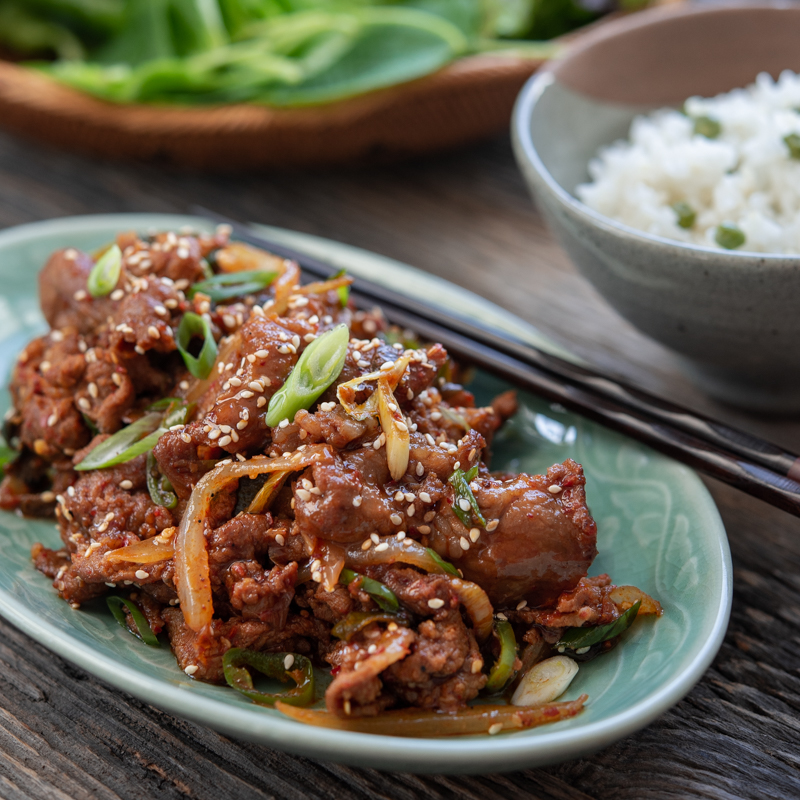
Looking for a punchy, goto dinner? This spicy pork recipe cooks in about 15minutes, stays juicy, and delivers the heat you crave without the fuss.
Whether you love Korean jeyukbokkeum, a Mexicanstyle pork taco, or a simple stirfry for a busy weeknight, the steps below work for any cuisine and the ingredient list is pantryfriendly.
Why This Recipe
Balanced Heat, Big Flavor
What makes this dish spicy yet never overwhelming? Its all about layering flavors sweet, salty, umami, and that fiery kick from capsaicin. The blend of gochujang, chili flakes, fresh ginger, and garlic creates depth, while a splash of sugar smooths the edge.
Health Perks & Cautions
Capsaicin, the compound that makes chilies hot, has been shown to boost metabolism and release endorphins . Paired with lean pork, you get a solid protein punch. On the flip side, too much heat can irritate sensitive stomachs, so well show you how to dial it down if needed.
Core Ingredients
Pantry Staples
Heres what youll need, no exotic trips required:
| Ingredient | Recommended Cut | Why It Works |
|---|---|---|
| Pork shoulder (or tenderloin) | Shoulder | More fat juicier, richer flavor |
| Gochujang (Korean chili paste) | Deep umami and controlled heat | |
| Garlic & ginger | Foundational aromatics | |
| Soy sauce | Salty balance | |
| Sugar (or honey) | Softens heat, adds sheen | |
| Sesame oil | Finishing aroma |
Spice Mix Breakdown
If you cant find gochujang, mix 2Tbsp miso, 1Tbsp sriracha, and a splash of rice vinegar. The result mimics the sweetspicy profile of an authentic Asian spicy pork recipe.
Optional Regional AddIns
Want a twist? Add any of these to the base mix:
- Indian mustard seeds & curry leaves for an aromatic lift.
- Filipino calamansi juice for a bright citrus zing.
- Mexican chipotle adobo for smoky depth.
- Japanese mirin & shichimi for a subtle sweet heat.
StepbyStep Guide
Quick Overview (Featured Snippet Ready)
| Step | Action | Time | Pro Tip |
|---|---|---|---|
| 1 | Slice pork against the grain into inch strips | 2min | Keeps meat tender see Korean Bapsang technique |
| 2 | Mix gochujang, soy, garlic, ginger, sugar, water; marinate 10min | 3min + 10min rest | Flavor penetrates deeper |
| 3 | Preheat wok; sear pork until internal temp hits 60C | 4min | High heat creates crisp edges |
| 4 | Add aromatics (onion, green onions, optional veggies) | 2min | Stirfry just until wilted |
| 5 | Finish with a splash of sesame oil & toasted sesame seeds | 1min | Glossy, fragrant finish |
How to Know Its Done
Visually, the pork should be caramelized on the edges but still pink inside. Use a meat thermometer 150F (65C) is safe for pork, but pulling off the heat at 140F and letting it rest adds juiciness.
Regional Variations
World Flavors From One Base
| Cuisine | Key Twist | Ingredient Swap |
|---|---|---|
| Korean | Gochujang + Gochugaru | Use authentic Korean chili paste |
| Filipino | Calamansi & brown sugar | Add bell peppers & carrots |
| Indian | Mustard seeds + curry leaves | Replace gochujang with tandoori masala |
| Mexican | Chipotle adobo + lime | Toss with corn tortillas & avocado |
| Japanese | Miso + mirin + shichimi | Finish with scallions & nori |
Adjusting Cook Times
For the Mexican version, you can ovenbake the marinated pork at 200C (400F) for 20minutes great for a handsoff dinner. The Korean stirfry stays at the stovetop for that quick sizzleandserve feel.
Serving Ideas
Everyday Plates
Here are a few ways to plate your spicy pork:
- Rice bowls: Serve over steamed jasmine, brown rice, or cauliflower rice for a lowcarb option.
- Noodle stirfry: Toss with udon or ramen noodles and a splash of broth.
- Taco style: Load onto warm corn tortillas, top with cilantro, and add a squeeze of lime for that Mexican kick.
- Salad topper: Place strips over mixed greens, drizzle with sesameginger dressing.
Garnishes That Pop
Sesame seeds, sliced green onions, fresh cilantro, and a wedge of lemon or lime give both visual appeal and an extra burst of flavor. For nutrition details on common ingredients used in this recipe, see the USDA food database for quick reference: USDA FoodData Central.
Common Problems & Fixes
Pork Turns Rubbery
Overcooking is the usual culprit. Keep the heat high and the cooking time short, or slice the meat thinner for a quicker sear. Resting the pork after cooking also helps retain moisture.
Too Salty or Too Sweet
If the sauce leans salty, balance it with a splash of rice vinegar or a pinch of extra sugar. Conversely, a touch of soy sauce or some extra chili flakes can rescue an overly sweet batch.
Not Spicy Enough
Boost heat by adding extra gochujang, a dash of cayenne pepper, or a drizzle of sriracha at the end. Remember, the sauce will intensify slightly as it sits, so taste before serving.
Nutrition & Storage
Macro Snapshot
| Serving | Calories | Protein | Carbs | Fat |
|---|---|---|---|---|
| 1 cup (150g) | 210 | 20g | 8g | 10g |
Data sourced from USDA FoodData Central.
Keep It Fresh
Store leftovers in an airtight container in the fridge for up to 3days. For longer storage, freeze for up to 2months; reheat in a skillet over medium heat to preserve the crisp edge.
Conclusion
You now have a versatile, spicy pork recipe that works straight from the wok to the table in under 20minutes. Play with the regional twists, keep the balance of heat and flavor, and enjoy the protein boost without compromising health. Try a Korean spin tonight, or go bold with a Mexican taco tomorrow the choice is yours, and the delicious possibilities are endless.
FAQs
How long should I marinate the pork?
A 10‑minute marination is enough to let the flavors penetrate, but you can go up to 30 minutes for extra depth.
Can I use a different cut of pork?
Yes—tenderloin works for an even leaner result, while pork shoulder adds more juiciness and richness.
What makes the dish spicy without being overwhelming?
The balance of gochujang, garlic, ginger, and a touch of sugar softens the heat while keeping the flavor bright.
Is this recipe freezer‑friendly?
Absolutely. Store cooked pork in an airtight container and freeze for up to 2 months; reheat in a skillet to retain crispness.
How can I adjust the heat level?
Reduce the gochujang or add more sugar for milder heat; increase with extra chili flakes, sriracha, or a dash of cayenne.