Why French Toast Recipe? A Delicious Morning Tradition
There’s something magical about waking up to golden, crispy French toast. The perfect blend of creamy custard and toasted bread offers a sensory delight with every bite. This French toast recipe delivers that irresistible crispy outside and soft, tender inside that makes breakfast feel like a special occasion. It‘s a humble yet satisfying way to use day-old bread, transforming simple ingredients into a dish that fills your kitchen with a sweet, warm aroma. Whether you‘re serving it on a lazy weekend or a busy weekday, this recipe brings comfort and joy to your morning table.
Health Benefits & Nutrition
French toast may feel indulgent, but it offers some nutritional perks when made thoughtfully. Using eggs provides a good source of high-quality protein, essential for muscle repair and energy. The use of half-and-half adds calcium and vitamin D, crucial for bone health. Honey, a natural sweetener in this recipe, contains antioxidants and has a lower glycemic index than refined sugar, supporting more stable blood sugar levels (American Journal of Clinical Nutrition, 2017). Choosing whole-grain or enriched bread adds dietary fiber, promoting digestion and a feeling of fullness.
Safety note: Monitor dairy intake if you have lactose intolerance, and be cautious with honey for children under one year due to botulism risk. If you have allergies to eggs or gluten, consider suitable substitutes discussed later.
Ingredients & Preparation
Recipe Card
| Prep Time | Total Time | Servings | Calories (per serving) | Diet Tags |
|---|---|---|---|---|
| 10 minutes | 34 minutes | 4 | 496 | Vegetarian |
Full Ingredient List
- 1 cup half-and-half
- 3 large eggs
- 2 tablespoons honey (warmed)
- ¼ teaspoon salt
- 8 slices day-old country loaf, brioche, or challah bread (½-inch thick)
- 4 tablespoons butter
Equipment Needed
- Mixing bowl
- Whisk
- Pie pan or shallow dish
- Cooling rack and baking sheet
- 10-inch nonstick sauté pan
- Measuring cups and spoons
- Oven preheated to 375°F (190°C)
Tips for Choosing Quality Ingredients
- Use day-old bread for best texture—fresh bread can become soggy. Rustic country loaves or rich brioche add complexity.
- Opt for organic, free-range eggs for better flavor and ethical sourcing.
- Choose local dairy for half-and-half whenever possible for freshness and creaminess.
- Use raw or unfiltered honey for richer aroma and antioxidant content compared to processed honey.
Step-by-Step Instructions
Step 1: Prepare the Custard Mixture (10 minutes)
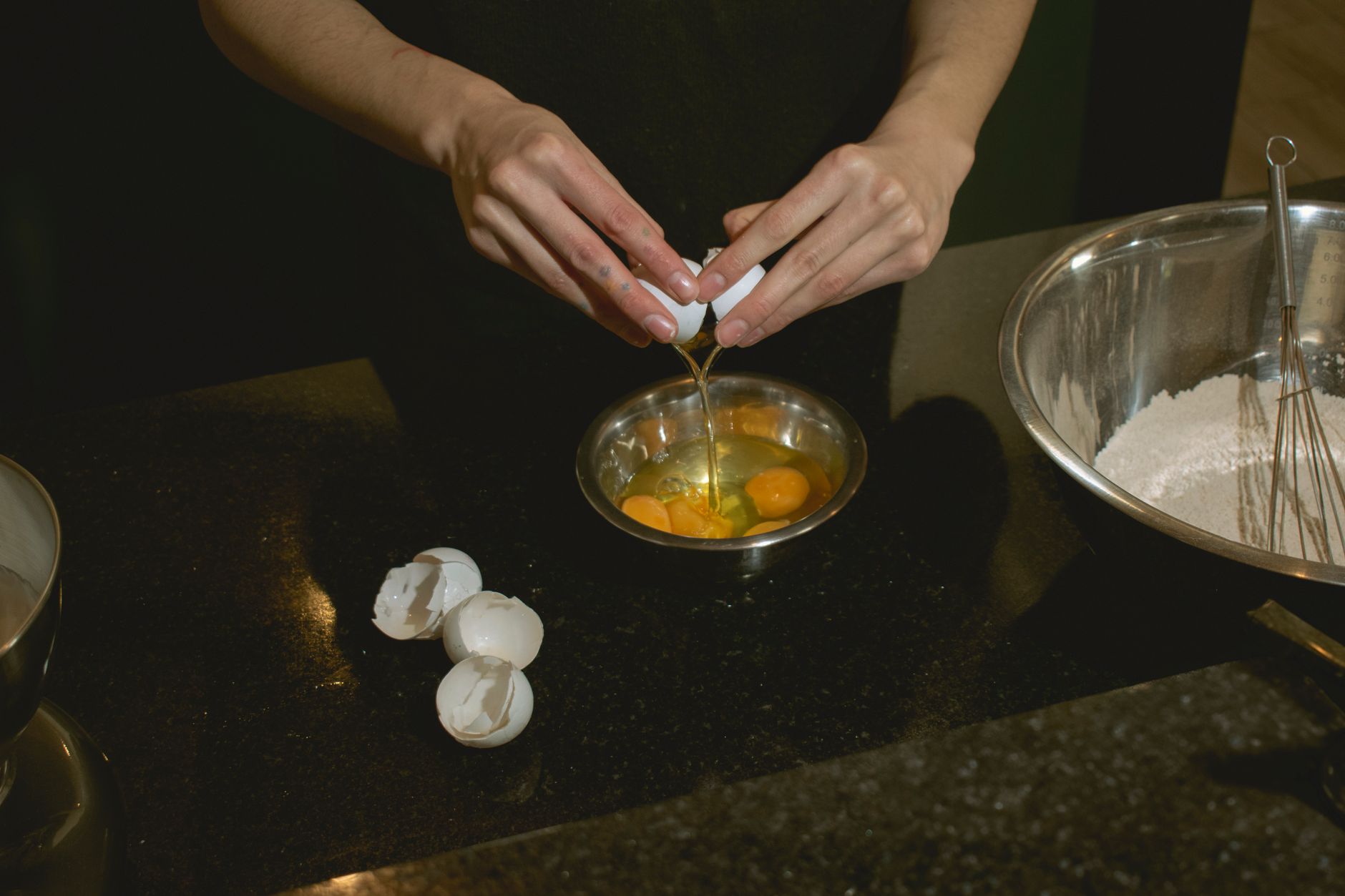
In a medium mixing bowl, whisk together 1 cup half-and-half, 3 large eggs, 2 tablespoons warmed honey, and ¼ teaspoon salt until fully combined. For deeper flavor, prepare this custard the night before and refrigerate. When ready to cook, pour the mixture into a shallow pie pan.
Step 2: Soak the Bread (3 minutes)
Preheat your oven to 375°F (190°C). Dip each ½-inch thick slice of day-old bread into the custard, soaking for 30 seconds per side. Transfer the soaked slices onto a cooling rack placed over a baking sheet and let them rest for 1 to 2 minutes. This step ensures the custard sets evenly on the bread before cooking.
Step 3: Cook the French Toast (24 minutes)
Heat 1 tablespoon butter in a 10-inch nonstick sauté pan over medium-low heat. Place two slices of soaked bread in the pan, cooking each side until golden brown and slightly crisp, about 2 to 3 minutes per side. Repeat with remaining slices. As each batch finishes, transfer the french toast to the oven on the cooling rack for 5 minutes to finish cooking through and maintain crispness.
Step 4: Serve Warm
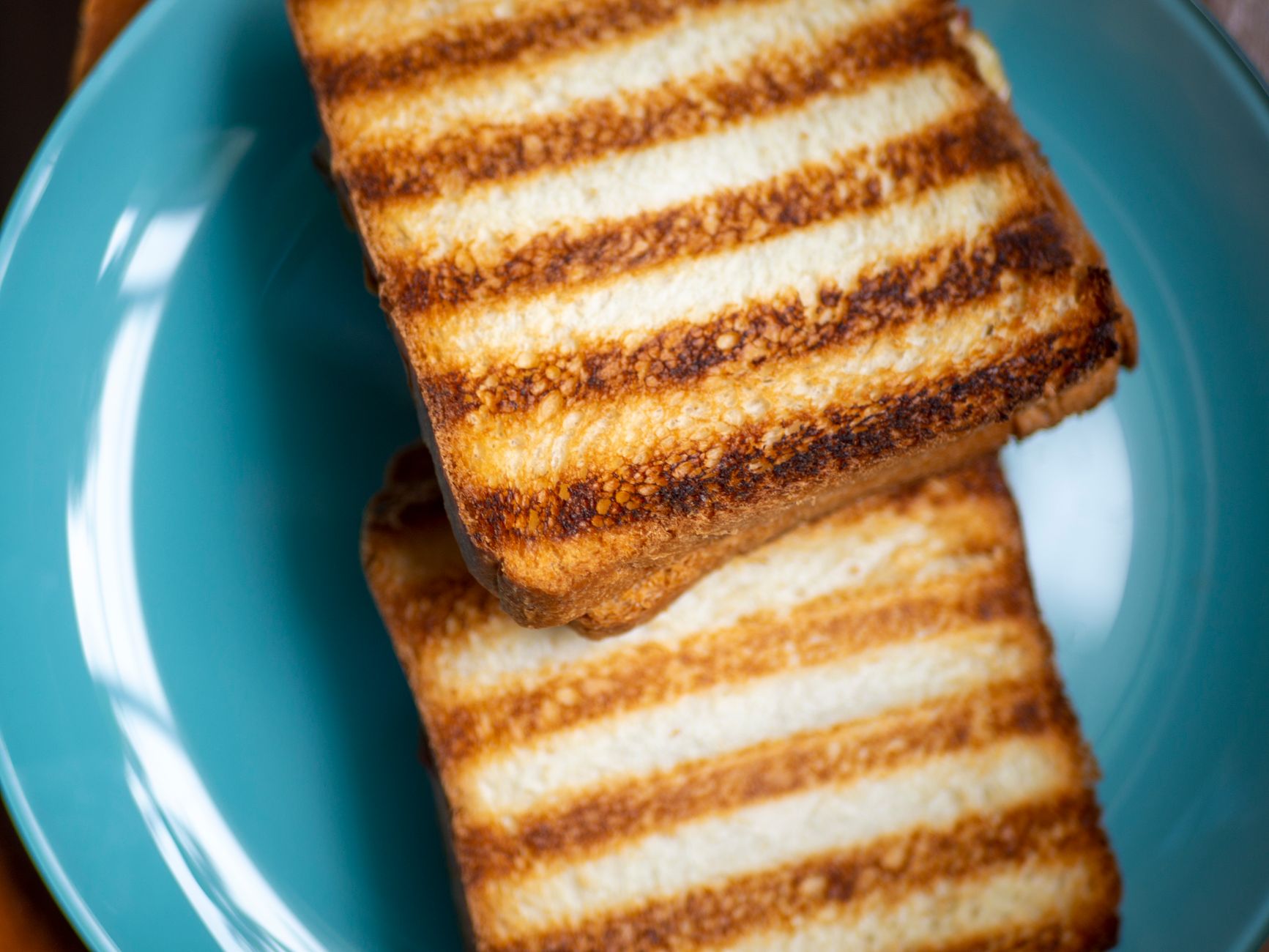
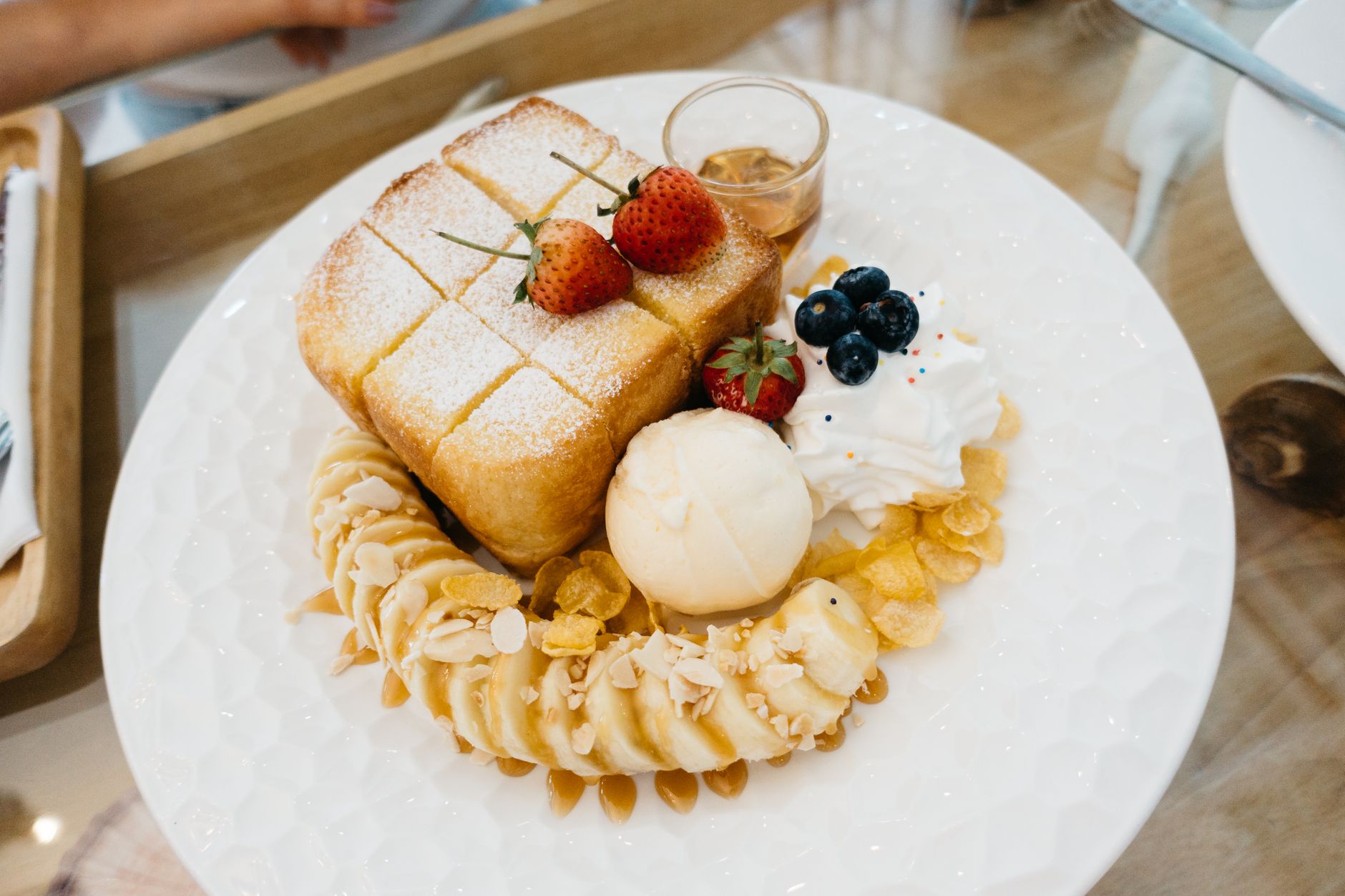
Serve your golden French toast immediately with maple syrup, fresh fruit, or whipped cream for a classic touch. The contrast of crispy edges and creamy centers creates an unbeatable flavor experience.
Variations & Substitutions
- Gluten-Free: Substitute the bread with gluten-free thick-cut slices. Ensure your custard mixture ingredients are also gluten-free.
- Dairy-Free: Replace half-and-half with almond or oat milk, and use coconut oil or a dairy-free butter alternative.
- Vegan: Use a blend of chickpea flour and plant-based milk with a pinch of turmeric for color instead of eggs and half-and-half. Use vegan butter or oil to cook.
- Flavor Boost: Add ½ teaspoon cinnamon or a splash of vanilla extract to the custard for warm, aromatic notes.
- Sweetener Swap: Swap honey with pure maple syrup or agave syrup for a different sweetness profile.
Storage & Shelf Life
Refrigerator: Store cooked French toast in an airtight container in the fridge for up to 3 days. Reheat in an oven or toaster oven to retain crispness.
Freezer: Place cooled slices in a single layer on a baking sheet. Once frozen, transfer to a resealable freezer bag. Keep for up to 2 months. Reheat directly from frozen in a toaster or oven.
Signs of Spoilage: Discard if slices develop a sour smell, mold spots, or a slimy texture.
Pro Tips
- Use stale or day-old bread to prevent sogginess and achieve an ideal, custard-soaked texture.
- Let the soaked bread rest on a rack to allow excess custard to drip off, preventing overly wet slices.
- Cook over medium-low heat to promote even browning and keep the inside creamy rather than burning the crust.
- Finish cooking in the oven to produce a perfectly cooked center without overbrowning the exterior.
- Warming honey slightly before mixing helps dissolve it into the custard, enhancing sweetness evenly.
When is the best time to eat French Toast Recipe?
French toast shines at breakfast or brunch, making mornings feel special. Because of its rich and filling nature, it works best when served fresh and warm to enjoy its crispy edges and creamy inside. It also makes a cozy treat for weekend breakfasts or special occasions like holidays.
Can I use fresh bread instead of day-old for French toast?
Fresh bread tends to absorb too much custard, resulting in a soggy texture. Day-old or stale bread holds the custard better and crisps nicely during cooking, giving you that ideal contrast of texture.
Is honey a better sweetener for French toast than sugar?
Honey adds natural sweetness along with antioxidants and a unique floral flavor that refines the dish. It also has a lower glycemic index than sugar, which helps stabilize blood sugar spikes, making it a healthier alternative in moderation.
Can this recipe be made ahead? How should I store it?
You can prepare the custard mixture the night before to develop flavor and save time. Cooked French toast can be refrigerated for up to three days or frozen for two months. Reheat in the oven to restore the crispy texture.
What type of bread works best for French toast?
Thick slices of country loaf, brioche, or challah work wonderfully due to their sturdy textures and rich flavors. They absorb custard well without falling apart and brown to a beautiful golden color.
How can I make French toast dairy-free or vegan?
Swap half-and-half with plant-based milks like almond or oat milk, and use dairy-free butter substitutes. For a vegan version, replace eggs with a chickpea flour batter and add turmeric for color.
Is it better to cook French toast on the stove or bake it?
A combination works best. Cooking on the stove adds a golden crust, while finishing in the oven ensures the centers cook evenly without burning the exterior.
How do I prevent French toast from getting soggy?
Use day-old bread, soak it just long enough (about 30 seconds per side), and let excess custard drip off before cooking. Cooking on medium-low heat also prevents sogginess by allowing moisture to evaporate slowly.
More Recipes You Will Love
If you enjoy this French toast recipe, you might appreciate other comforting breakfast classics. Try the Flapjacks recipe 2011472 for a hearty, buttery treat. Or explore warm, toasted delights with the Try this at home how to make English muffins to craft your own breakfast sandwiches at home.
Conclusion
This French toast recipe offers a delicious way to start your day with golden, crispy perfection and a creamy custard center. Using simple, quality ingredients and a few key techniques, you create breakfast that feels indulgent without hassle. Your mornings deserve this warm, comforting meal. Feel free to share your kitchen adventures with this recipe by leaving a comment or rating below—your feedback helps make breakfast even better for everyone!
FAQs
When is the best time to eat French Toast Recipe?
French toast is ideal for breakfast or brunch, but its comforting warmth makes it a great choice anytime you want a satisfying and sweet start to your day. It’s especially popular for weekend mornings or special occasions.
Can I use fresh bread instead of day-old bread for French toast?
While fresh bread can be used, day-old bread is preferred because it soaks up the custard without becoming overly soggy, resulting in a better texture with a crispy outside and tender inside.
What are good substitutes for honey in this French Toast Recipe?
You can replace honey with maple syrup, agave nectar, or granulated sugar if preferred. These alternatives provide sweetness, but honey adds a unique flavor and antioxidants.
Is French toast suitable for a vegetarian diet?
Yes, this French toast recipe is vegetarian-friendly as it contains no meat or fish. It uses eggs, dairy, and honey, which are acceptable in a vegetarian diet but not vegan.
How can I make French toast gluten-free?
To make gluten-free French toast, substitute the bread with gluten-free bread varieties. Ensure all other ingredients, like half-and-half and honey, do not contain gluten or cross-contamination.