Starting your day with a creamy, delicious smoothie can be both simple and smart, especially when managing blood sugar. Easy diabetic smoothie recipes low-carb offer a perfect balance of flavor and nutrition without unwanted spikes. With just a handful of wholesome ingredients, you can whip up creamy blends rich in fiber, healthy fats, and protein to fuel your morningand keep your glucose stable.
Why These Smoothies Work
What Makes Low-Carb Smoothies Ideal for Diabetes Management?
Keeping carbohydrates in check is essential for managing diabetes. Low-carb smoothies focus on ingredients that have minimal impact on blood sugar while providing plenty of fiber and nutrients. Berries, leafy greens, nuts, and seeds dominate these blends. Unlike sugary fruit juices or high-carb shakes, these smoothies help prevent rapid glucose spikes and keep you feeling satisfied longer.
How These Recipes Support Weight Loss and Blood Sugar Stability
Mixing fiber-rich vegetables with moderate protein sources encourages steady blood sugar control and helps curb cravings. These diabetic smoothie recipes for weight loss reduce excess sugar intake while nourishing your body. Their balanced macros support metabolism without the calorie overload often found in conventional smoothies loaded with juice or sweetened yogurt.
Why No Added Sugars and Natural Ingredients Matter
Using natural ingredients without added sugars is crucial. Added sweeteners cause unnecessary blood sugar elevations. Instead, the earthy sweetness from avocado, tartness from raspberries, or creaminess from unsweetened Greek yogurt gives these smoothies their signature taste. Natural ingredients also provide antioxidants and heart-healthy fats that may help lower cholesterol.
Ingredients and Recipe Cards
| Prep time | Total time | Servings | Calories | Diet tags |
|---|---|---|---|---|
| 10 minutes | 10 minutes | 2 | 220 | Low-Carb, Diabetic-Friendly, Gluten-Free, Vegetarian |
Key Low-Carb Ingredients for Diabetic-Friendly Smoothies
The base of these low sugar smoothies for diabetics usually includes:
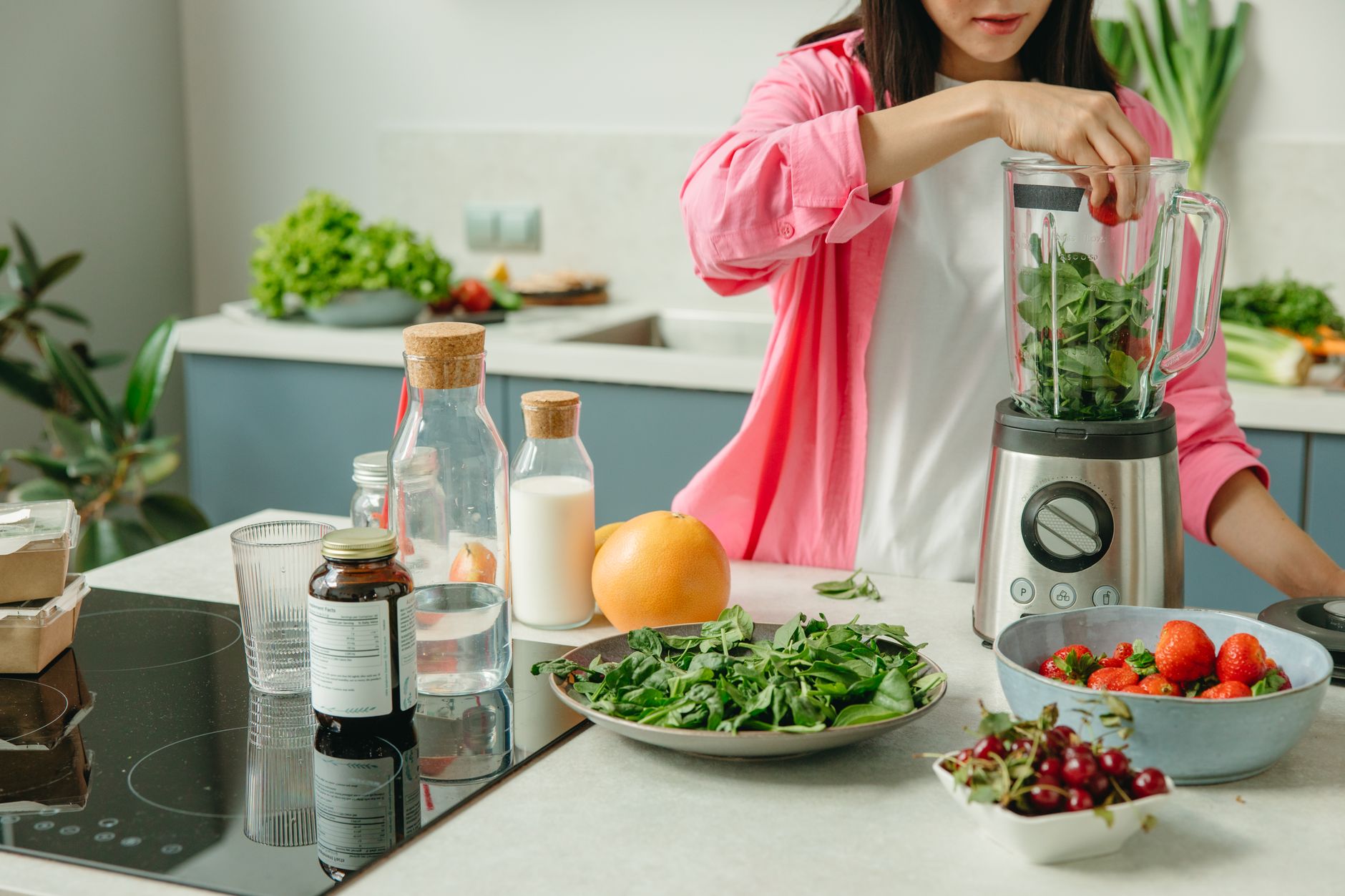
- Berries: Blueberries, strawberries, raspberries rich in fiber and lower in sugar than most fruits.
- Leafy greens: Spinach or kale add nutrients and blend seamlessly.
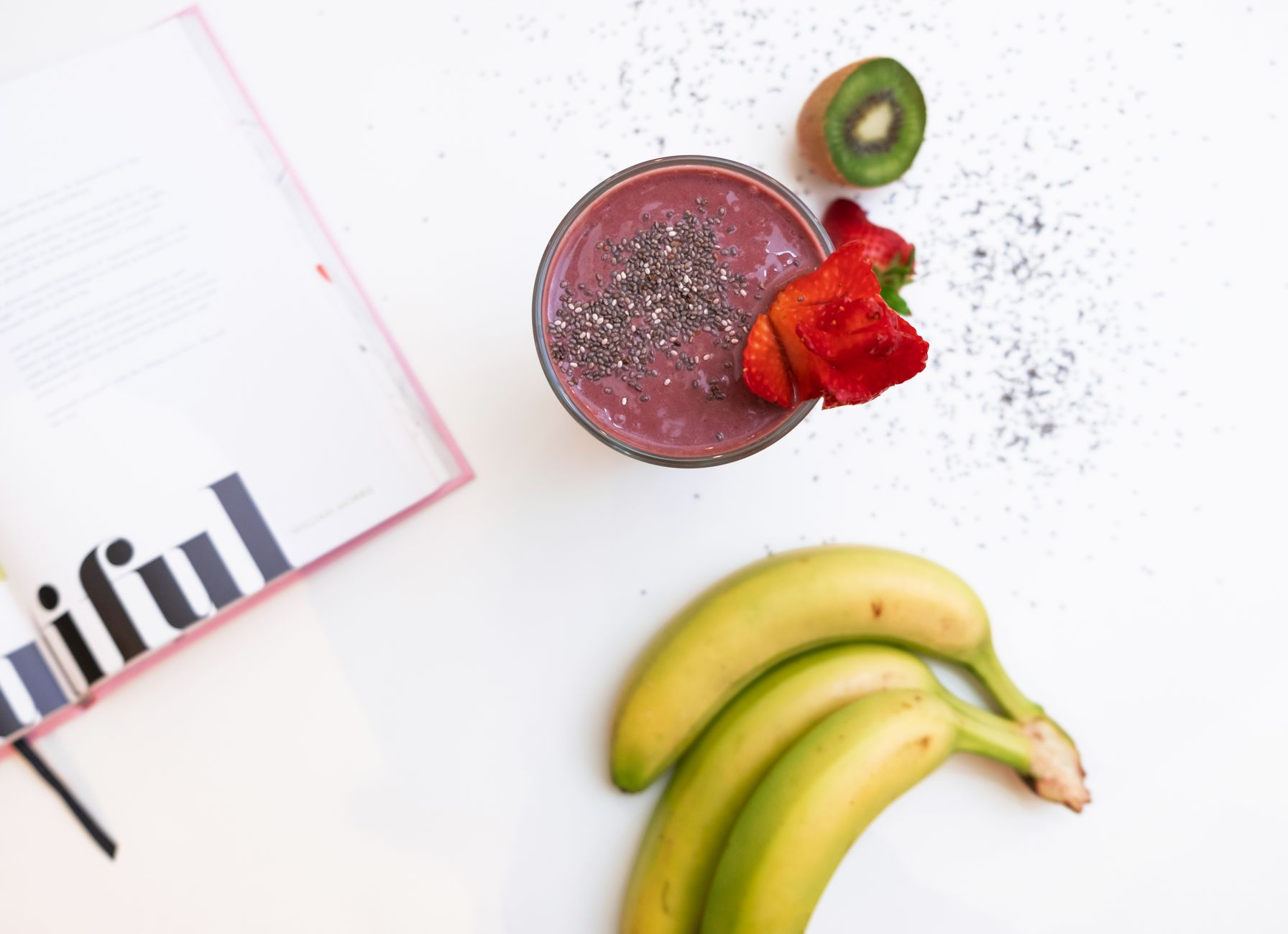
- Healthy fats: Avocado, chia seeds, or flaxseed bring creaminess and support blood sugar balance.
- Protein sources: Unsweetened Greek yogurt or plant-based protein powders keep you full and stabilize energy.
- Liquid bases: Unsweetened almond milk or coconut milk add moisture without added sugars.
These ingredients form nutrient-dense smoothies that nourish without carb overload.
Substituting Ingredients for Dietary Preferences
If you prefer a vegan or dairy-free option, unsweetened coconut or cashew yogurt works well in place of Greek yogurt. For extra fiber, add hemp seeds or a scoop of psyllium husk powder. Avoiding gluten? These naturally gluten-free recipes are safe as long as your protein powder or liquid base is certified gluten-free. Adjust flavors with vanilla extract or cinnamon to elevate your blend.

Where to Find and Store Specialty Ingredients
Most specialty low-carb ingredients are available at health food stores or online. Look for fresh organic berries in season to maximize antioxidant content. Keep chia and flax seeds refrigerated to prevent them from going rancid. Store leafy greens in a crisper drawer wrapped loosely in a damp paper towel. Pre-portion protein powder into small containers for quick use.
Making Your Smoothies
Prepare Ingredients for Texture and Flavor
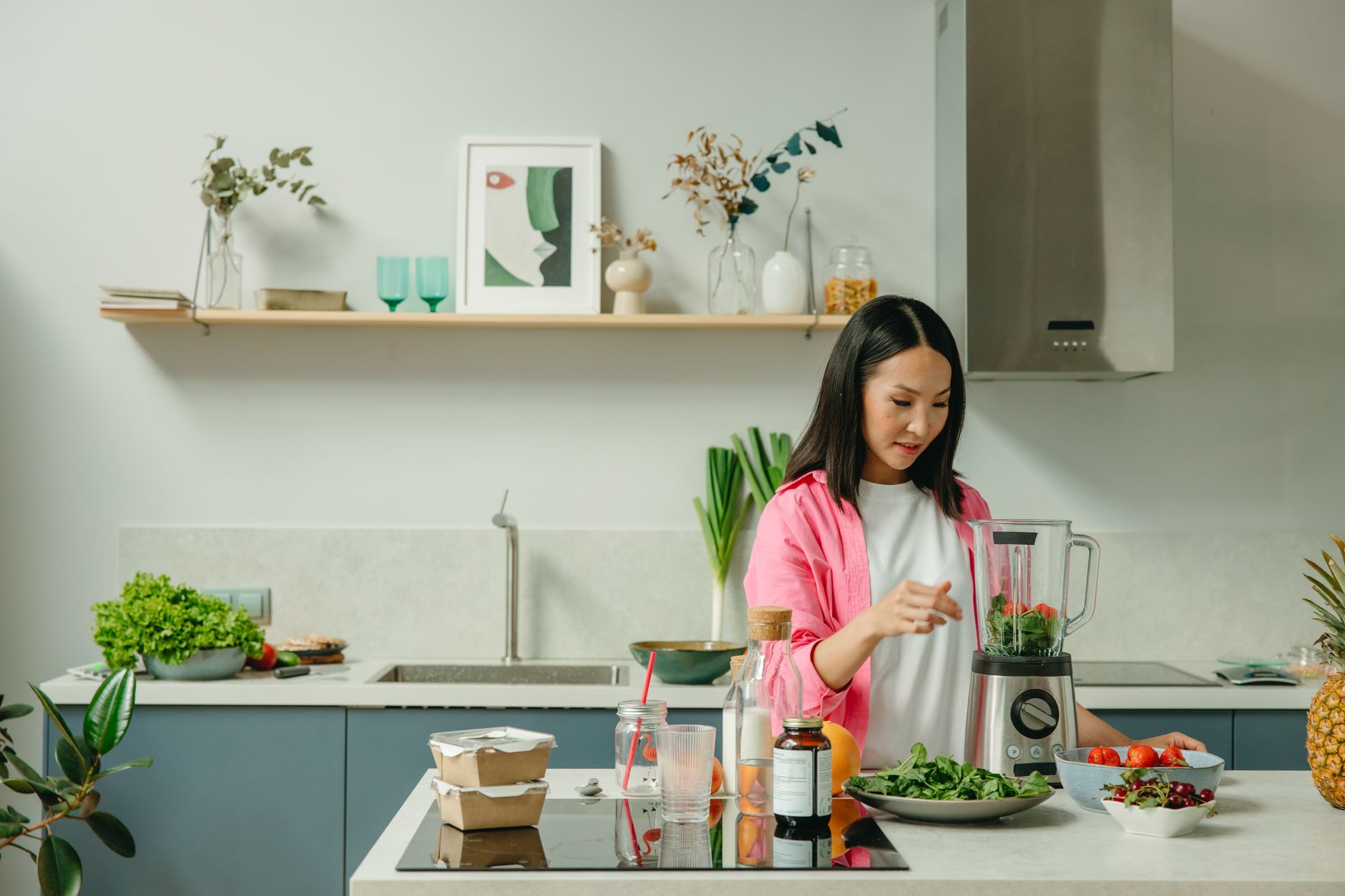
Freeze berries ahead to create a frosty texture without diluting your smoothie with ice. Use ripe avocados for creamy consistency. Wash greens well and pat dry to avoid extra liquid. Measure seeds and powders precisely for balanced taste.
Exact Blending Steps and Common Pitfalls
- Pour 1 cup of unsweetened almond milk into the blender first to optimize blade movement.
- Add fresh or frozen low-carb fruits and vegetables next.
- Include fats like 1/4 avocado or 1 tablespoon of chia seeds.
- Add protein powder or Greek yogurt last to prevent clumping.
- Blend on high speed for 45 seconds until silky smooth.
Dont over-blend as that can heat ingredients and dull flavors. If the smoothie is too thick, add a splash of liquid and blend another 10 seconds.
Adjusting Consistency and Taste Without Sugar
Use vanilla extract, a pinch of cinnamon, or grated fresh ginger to enhance flavor naturally. For thinning, add water, coconut water, or unsweetened nut milks gradually. If its too tart, toss in a few frozen berries or a small slice of cucumber to mellow sharpness.
Variations and Swaps
Making Vegan or Dairy-Free Smoothies
Replace yogurt with plant-based alternatives like coconut yogurt. Add plant protein powders, such as pea or brown rice protein, to maintain the protein boost. Use flax or chia seeds for omega-3 fats and creamy texture.
Gluten and Allergy-Friendly Modifications
All ingredients suggested are gluten-free, but confirm any packaged items. For nut allergies, swap almond milk for hemp or oat milk. To avoid seeds, consider using avocado or pumpkin seed butter for fats.
Protein and Fiber Boosters Without Extra Carbs
Add unflavored collagen peptides or powdered psyllium husk for fiber without carbs. Seeds like hemp or chia add texture and heart-healthy fats. These boosters promote satiety and blood sugar regulation.
Serving and Pairing Ideas
Healthy Foods to Pair with Smoothies
A small handful of raw nuts or a boiled egg complements these diabetic breakfast smoothie recipes well. They add protein and healthy fats without extra carbs. A slice of whole grain toast with natural nut butter works if your carb budget allows.
Making Smoothies Part of a Balanced Meal Plan
Pair smoothies with fiber-rich meals or a light, balanced plate containing lean protein and vegetables. Portion control is importantstick to serving sizes for steady blood sugar. Time your smoothie as a breakfast or mid-morning snack to bridge meals.
Best Times and Occasions to Enjoy
Start your day with a smoothie or use it as a refreshing post-workout boost. These blends also fit well as afternoon pick-me-ups to avoid energy crashes. Their low-carb profile ensures they fit seamlessly into your daily routine.
Storage and Make-Ahead Tips
How Long to Store Low-Carb Smoothies
Store smoothies in airtight containers in the fridge for up to 48 hours. For longer storage, freeze in individual portions for 12 weeks. Nutrient content and texture can degrade beyond this time.
Reheating and Refreshing Smoothies
If stored chilled, re-blend your smoothie on medium speed for 20 seconds to restore smooth texture. Avoid heating as it changes flavor and breaks down sensitive nutrients. Adding a little fresh liquid can refresh the flavor.
Preparing Ingredients Ahead for Quick Blends
Freeze measured berry mixes and greens in zip-top bags for grab-and-blend convenience. Pre-portion seeds and powders into small containers. This practice saves 57 minutes during busy mornings.
Pro Tips for Perfect Smoothies
Preventing Stains on Blender and Utensils
Rinse blending containers promptly to avoid staining, especially when using dark berries or turmeric. A quick swirl with warm water and vinegar keeps plastic containers bright.
Extracting Creamy Texture Without Dairy
Add fats like avocado or soaked cashews for a silky result. Blending fats first with liquids helps emulsify the smoothie evenly.
Balancing Flavors Like a Pro
Use lemon or lime juice to brighten flavors. A dash of sea salt enhances sweetness without sugar. Taste as you blend and adjust gradually.
Sometimes a pinch of grated fresh ginger or a sprinkle of ground cinnamon can transform a simple smoothie into a flavor celebration.
Try pairing these smoothie ideas with your favorite savory recipes for varietyperhaps following a light smoothie with a dish like the Sumac dry brined roast turkey 9539638 or a fresh serving of Grilled striped bass with fire roasted onions and peppers 2629894.
When is the best time to drink easy diabetic smoothie recipes low-carb?
Morning is ideal for enjoying these smoothies, as their low-carb and protein-rich content provide energy and support blood sugar control throughout the day. They also make excellent mid-morning or post-exercise refreshments to keep your glucose stable and prevent cravings.
Can I use bananas or other higher-carb fruits in these recipes?
While bananas add creaminess and natural sweetness, they do contain more carbs than berries. If you include them, use small amounts, such as a quarter of a banana, and balance with additional fiber and fat to minimize blood sugar impact.
Are these smoothies suitable for type 2 diabetics breakfast?
Yes, these diabetic breakfast smoothie recipes provide controlled carbohydrate content alongside protein and fats needed to manage blood glucose. Including fiber-rich ingredients further supports type 2 diabetes management and helps reduce morning insulin spikes.
Where can I find additional easy diabetic smoothie recipes PDF or books?
Many resources offer diabetic-friendly smoothie guides, including downloadable diabetic smoothie recipes pdf and recipe books focusing on low-carb blends. Check with diabetes associations or trusted culinary websites for curated collections.
Do these smoothies help lower cholesterol as well as blood sugar?
Ingredients like avocado, flax, and chia seeds contain heart-healthy fats shown to support cholesterol reduction. The absence of added sugars and inclusion of fiber also benefit lipid profiles, suggesting these smoothies may positively influence both blood sugar and cholesterol.
How often can I enjoy these low-carb diabetic smoothies safely?
Consuming one smoothie daily or several times per week fits well into most meal plans. Variety is key, so rotate ingredients to ensure balanced nutrient intake. Always monitor your blood sugar response and adjust portions accordingly.
What if my smoothie is too thick or too thin?
If too thick, gradually add unsweetened almond milk or water and blend again for 15 seconds. If too thin, add a small amount of avocado, chia seeds, or frozen berries and blend for another 30 seconds to thicken.
How do I fix a smoothie that tastes bland or too tart?
For blandness, a drop of pure vanilla extract or a pinch of cinnamon brightens flavor without sugar. If too tart, add frozen berries or a small amount of cucumber to mellow sharp notes naturally.
How do I prevent blood sugar spikes when drinking diabetic smoothies?
Keep portions moderate and emphasize fiber, protein, and healthy fat. Avoid added sugars and high-glycemic fruits. Incorporate leafy greens and use low-carbohydrate liquids like unsweetened almond milk to maintain steady blood glucose.
More Recipes to Explore
If you enjoy these smoothies, you might also appreciate our easy diabetic smoothie recipes collection, which offers a variety of fresh ideas tailored for managing blood sugar.
For a hearty dinner after your smoothie breakfast, consider trying the Sumac dry brined roast turkey 9539638, packed with flavorful, low-carb seasoning.
Or enjoy a lighter protein option like the Grilled striped bass with fire roasted onions and peppers 2629894 for an elegant, diabetes-friendly meal.
Conclusion
These easy diabetic smoothie recipes low-carb combine simplicity and nutrition in every creamy sip. They help you start your day with balanced energy and steady blood sugar control. Dont hesitate to experiment with the ingredient swaps and flavor boosters suggested. Share your favorite combinations or tips in the comments belowyour feedback helps everyone find their perfect blend!
FAQs
When is the best time to drink easy diabetic smoothie recipes low-carb?
Morning is the ideal time to enjoy these smoothies for sustained energy and blood sugar control. They also work well as mid-morning or post-exercise refreshments to maintain steady glucose levels and prevent cravings.
Can I use bananas or other higher-carb fruits in these recipes?
You can use small amounts like a quarter of a banana, but be mindful of their higher carb content. Balance with additional fiber and healthy fats to minimize blood sugar impact.
Are these smoothies suitable for type 2 diabetics for breakfast?
Yes, they offer low-carb, fiber-rich ingredients combined with protein and healthy fats that help manage blood glucose and reduce insulin spikes, making them suitable for type 2 diabetes management.
How do I prevent blood sugar spikes when drinking diabetic smoothies?
Keep portion sizes moderate, use fiber-rich greens and low-carb fruits, include protein and healthy fats, and avoid added sugars or high-glycemic ingredients to maintain steady blood glucose.
How long can I store these low-carb diabetic smoothies?
You can store them in airtight containers in the fridge for up to 48 hours or freeze individual portions for up to 12 weeks without significant loss of nutrients or texture.