Why Flour Tortillas Are a Kitchen Essential
Imagine the comforting aroma of warm flour tortillas fresh off the griddle, their soft, pliable texture perfect for wrapping around your favorite fillings. Flour tortillas are a beloved staple in Mexican cuisine, prized for their versatility and subtle flavor. From tacos and burritos to quesadillas and wraps, these golden flatbreads adapt effortlessly to countless recipes. Making your own flour tortillas elevates any meal with that fresh, homemade touch that store-bought versions simply can‘t match. Learning the art of crafting soft yet slightly crispy flour tortillas can open up a whole new world of delicious possibilities for you.
Health Benefits & Nutrition
Flour tortillas provide not only satisfying warmth but also several nutritional benefits. Made from simple ingredients like wheat flour and fat, they deliver complex carbohydrates that serve as a steady energy source. The moderate protein content supports muscle repair and maintenance, especially when paired with beans or meat fillings. Wheat flour contains dietary fiber, which promotes digestive health and helps regulate blood sugar levels, according to research published in the Journal of Nutrition. Choosing lard or vegetable shortening adds essential fats that enhance the absorption of fat-soluble vitamins. However, if you are sensitive to gluten or watching cholesterol intake, consider using gluten-free flour blends or plant-based fats to adjust for dietary needs.
Ingredients & Preparation
Recipe Card
| Prep Time | 20 minutes |
|---|---|
| Resting Time | 1 hour |
| Total Time | 1 hour 20 minutes |
| Servings | 16 tortillas |
| Calories (per tortilla) | 269 kcal |
| Diet Tags | Vegetarian (with butter/shortening), Can be vegan if using plant fats |
Full Ingredient List
- 1 cup + 2 tablespoons whole milk
- 1/3 cup rendered lard, duck fat, vegetable shortening, or unsalted butter
- 3 cups all-purpose flour, plus extra for dusting
- 2 teaspoons baking powder
- 1 3/4 teaspoons kosher salt
Equipment Needed
- Small saucepan
- Large mixing bowl
- Whisk
- Rubber spatula
- Plastic wrap or kitchen towel
- Rolling pin
- Cast-iron skillet or heavy-bottomed griddle
- Baking sheet with rim
Tips for Choosing Quality Ingredients
Opt for fresh whole milk to enrich the dough with creamy flavor. When selecting fats, rendered lard offers traditional taste and texture, but vegetable shortening or unsalted butter can be great alternatives for a milder flavor or vegetarian preparation. Use unbleached all-purpose flour for a balanced structure and soft crumb. Fresh baking powder ensures puffing and lightness, while kosher salt adds pure seasoning without unwanted additives.
Step-by-Step Instructions
Step 1: Warm the Milk and Melt the Fat (4-5 minutes)
Pour the milk into a small saucepan and heat over medium until tiny bubbles form at the edges, reaching about 180°F (82°C). Immediately remove the pan from heat and stir in the lard, butter, or shortening until fully melted. Allow this mixture to cool for 15 minutes to bring it to a lukewarm temperature.
Step 2: Combine Dry Ingredients (2 minutes)
Whisk together the flour, baking powder, and kosher salt in a large bowl until fully blended, ensuring even dispersion of the rising agent and salt.
Step 3: Form the Dough (3-4 minutes)
Pour the warm milk and fat mixture into the flour mixture. Using a rubber spatula, stir gently until a shaggy dough forms. When cool enough to handle, knead the dough directly in the bowl for 3 minutes until it feels soft, slightly elastic, but not sticky. Avoid over-kneading to maintain tenderness.
Step 4: Rest the Dough (1 hour)
Wrap the dough tightly in plastic wrap or cover it with a damp kitchen towel. Let it rest at room temperature for one hour to allow gluten relaxation, making rolling easier.
Step 5: Shape the Tortillas (10 minutes)
Divide the dough into 16 equal portions, roughly 3 tablespoons or 46 grams each. Shape each into a smooth ball and arrange them on a rimmed baking sheet. Cover with a damp towel to prevent drying out.
Step 6: Roll Out the Tortillas (2-3 minutes per tortilla)
Lightly dust your work surface with flour. Take one dough ball and roll into a 7-inch round, rotating it frequently to maintain an even circle. Use minimal flour to avoid toughening.
Step 7: Cook the Tortillas (1 minute per side)
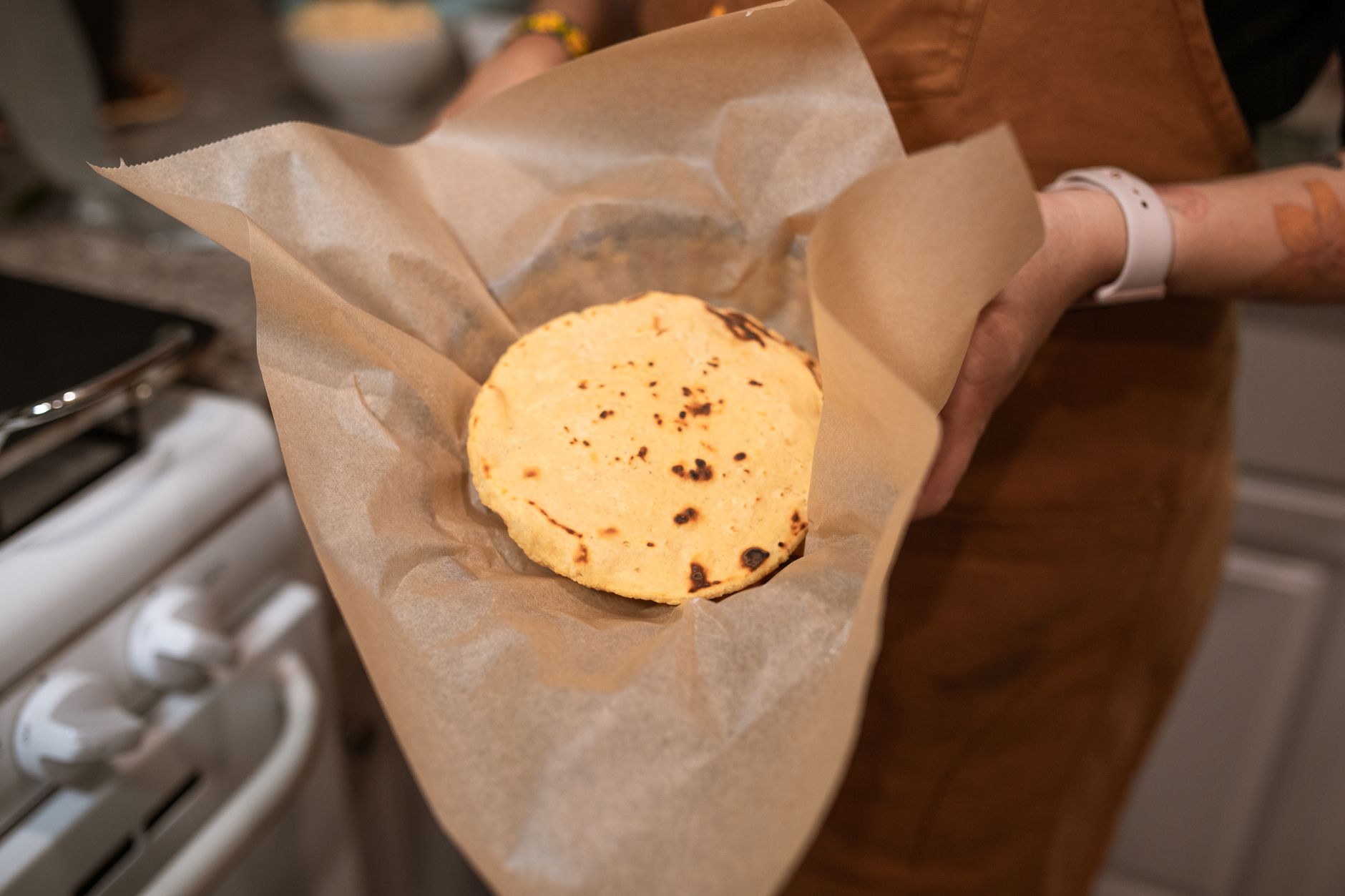
Preheat a medium cast-iron skillet or large griddle over medium-high heat. Place a rolled tortilla onto the hot surface. Cook until bubbles appear and brown spots form on the underside, about 30 seconds. Flip and cook another 30 seconds. If bubbles grow too large, gently poke them to release steam. Stack cooked tortillas and wrap in a clean kitchen towel to keep warm. Repeat for remaining dough balls.
Variations & Substitutions
- Whole Wheat Flour Tortillas: Swap all-purpose flour for whole wheat for added fiber and nuttier flavor. Increase water slightly for hydration.
- Vegan Flour Tortillas: Replace milk with plant-based milk (unsweetened almond or oat), and use vegetable shortening instead of lard or butter.
- Gluten-Free Flour Tortillas: Use a gluten-free flour blend designed for baking, combined with a bit of xanthan gum to provide elasticity. Note the texture will be more delicate.
- Herbed Tortillas: Add finely chopped fresh herbs (cilantro, oregano) or spices (cumin, chili powder) to the dry ingredients for extra fragrance and flavor.
Storage & Shelf Life
Refrigeration: Allow tortillas to cool completely, then store them sealed in an airtight container or plastic bag in the refrigerator. They stay fresh for up to 5 days. Warm them gently before serving.
Freezing: Stack tortillas with parchment paper between each to prevent sticking. Seal tightly in a freezer-safe bag and freeze for up to 3 months. Defrost in the refrigerator overnight and reheat on a skillet.
Signs of Spoilage: Discard tortillas if you notice mold, sour smells, or any slimy texture. Always check before use to ensure freshness.
Pro Tips
- Use a cast-iron skillet for even heat and authentic slight charring — it gives tortillas a traditional flavor and texture.
- Letting the dough rest is critical. It relaxes gluten strands, making dough easier to roll and ensuring soft tortillas.
- When rolling, use light, even pressure to maintain a thin, round shape without tearing the dough.
- Cook tortillas quickly over medium-high heat. Slow cooking can dry them out, while too high heat burns them before bubbles form.
- Keep cooked tortillas wrapped in a warm, clean towel to maintain moisture and pliability until serving.
When is the best time to eat Flour Tortillas?
Flour tortillas are best enjoyed warm and fresh from the skillet, ideally within hours of cooking. Their soft texture and aroma peak shortly after cooking. If storing, reheat gently in a skillet or microwave wrapped in a damp towel to restore softness before eating.
Can I use different fats to make these tortillas?
Yes. Traditional recipes use lard for flavor and texture, but unsalted butter, vegetable shortening, and duck fat are excellent alternatives. Each fat slightly changes the flavor and mouthfeel. Vegetable shortening offers a neutral taste, while duck fat adds richness.
How do I prevent tortillas from drying out?
Store tortillas in an airtight container or tightly wrapped in plastic or a clean towel. Keeping them wrapped while warm retains moisture. Avoid overcooking, which leads to dryness.
Can I roll the tortillas thicker or thinner?
Ideally, roll to about 7 inches in diameter for the perfect balance of pliability and strength. Thinner tortillas may rip easily, while thicker ones can be doughy and less flexible.
Are there gluten-free options for flour tortillas?
Absolutely. Use a quality gluten-free flour blend with xanthan gum to imitate gluten’s elasticity. Expect slightly different texture but similar taste. Ensure all other ingredients are gluten-free.
Why is my dough sticky or too dry?
Sticky dough usually means too much liquid or not enough flour; add flour a tablespoon at a time during kneading. Dry dough lacks sufficient moisture—add warm milk teaspoon by teaspoon until soft but not tacky.
How should I reheat leftover tortillas?
Reheat tortillas in a dry skillet over medium heat for about 20 seconds per side or wrap in a damp paper towel and microwave for 15-20 seconds. Keeping them warm in a cloth maintains softness better than plastic.

More Recipes You Will Love
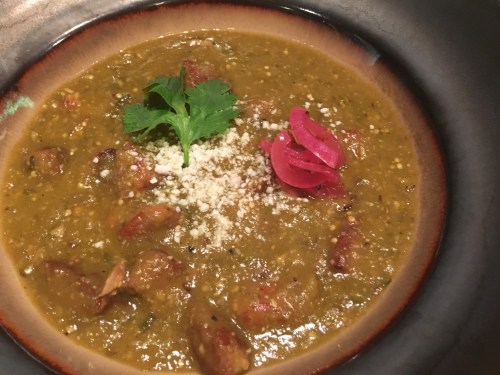
If you enjoy crafting traditional Mexican staples like flour tortillas, you’ll appreciate the complex flavors of Mole verde 12112493, a vibrant sauce rich with herbs and spices.
To complement your warm tortillas perfectly, try pairing with a refreshing Mango margaritas recipe 2108779. The tangy sweetness balances the earthiness of homemade flatbreads brilliantly.
Conclusion
Mastering flour tortillas brings an unbeatable homemade touch to your Mexican meals. Their warm, golden aroma, tender texture, and simple ingredients make them a beloved kitchen essential. Now that you have this trusted recipe and tips, you can create perfectly soft and flavorful tortillas every time. Share your cooking experience, tips, or questions in the comments below — your feedback helps others enjoy authentic flour tortillas too!
FAQs
When is the best time to eat Flour Tortillas?
Flour tortillas are best enjoyed fresh and warm, ideally right off the griddle. They make a perfect base for meals any time of day—from breakfast burritos to dinner tacos or snacks. Eating them when warm offers optimal softness and flavor.
Can I make Flour Tortillas ahead of time?
Yes, you can make flour tortillas ahead and store them in an airtight container or wrapped in foil. Reheat them gently on a skillet or wrapped in a towel in the microwave to restore softness before serving.
What is the best fat to use in Flour Tortilla dough?
Rendered lard is traditional and imparts great flavor and texture, but vegetable shortening or unsalted butter also work well. For a vegan option, plant-based fats are suitable and still provide a soft, pliable tortilla.
Are Flour Tortillas gluten-free?
Traditional flour tortillas made with wheat flour contain gluten. For gluten-free alternatives, use gluten-free flour blends specifically designed for baking tortillas, ensuring similar texture and taste without gluten.
How should I store leftover Flour Tortillas?
Store leftover flour tortillas in a sealed plastic bag or airtight container at room temperature for up to 2 days, or freeze them for longer storage. Reheat on a skillet or microwave wrapped in a damp cloth to keep them soft.