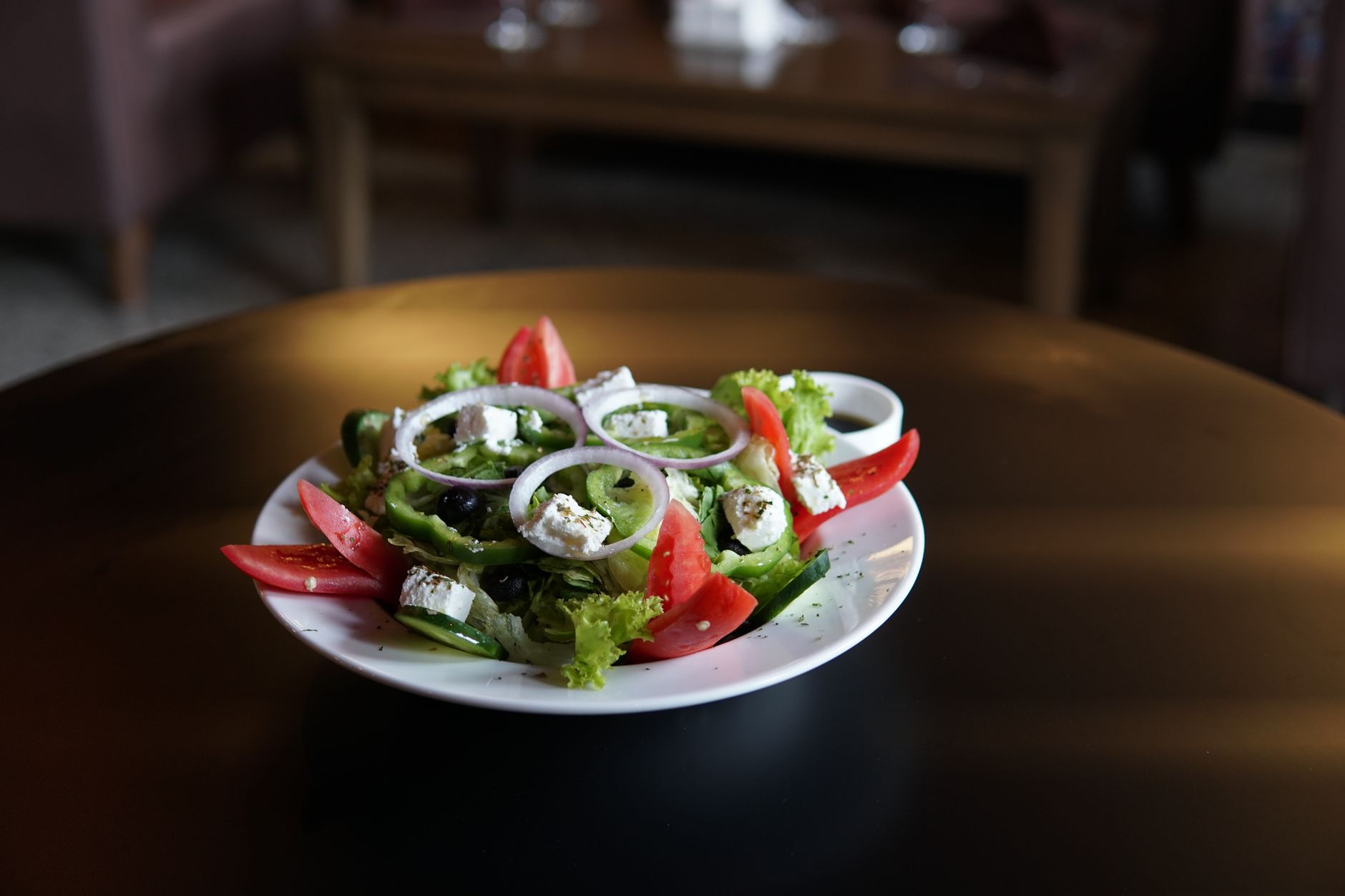
Why Feta Cheese And Marinated Greek Olives Recipe?
Imagine sinking your teeth into creamy, tangy feta cheese perfectly paired with plump, marinated Greek olives bursting with earthy aromas. This classic combination delivers a vibrant taste of the Mediterranean that’s both simple and unforgettable. The feta‘s crumbly texture and the olives’ rich spices create a harmony that awakens your palate. Trying this feta cheese and marinated Greek olives recipe invites you to bring a slice of Greece to your dining table, elevating appetizers, salads, or even charcuterie boards with authentic Mediterranean flair.
Health Benefits & Nutrition
Feta cheese and marinated Greek olives are not only delicious but also packed with nutrients. Feta is rich in calcium and protein, supporting bone health and muscle function. According to a study from the Journal of Dairy Science, consuming fermented dairy like feta may improve gut health thanks to beneficial probiotics. Greek olives are full of healthy monounsaturated fats, which promote heart health by lowering bad cholesterol levels (American Heart Association). They also contain antioxidants that help reduce inflammation. However, due to their high sodium content, consuming olives and feta in moderation is advised, especially for individuals managing hypertension or during pregnancy. People with dairy allergies should avoid feta or seek plant-based alternatives.
Ingredients & Preparation
Recipe Card
| Prep Time | Total Time | Servings | Calories | Diet Tags |
|---|---|---|---|---|
| 15 minutes | 2 hours (marination) | 4 servings | 210 kcal per serving | Gluten-Free, Keto, Mediterranean |
Full Ingredient List
- 200g block of feta cheese, cut into cubes
- 1 cup mixed Greek olives (Kalamata, green, black)
- 3 tbsp extra virgin olive oil
- 1 tbsp dried oregano
- 2 garlic cloves, thinly sliced
- 1 tsp crushed red pepper flakes (optional)
- Juice of half a lemon
- Fresh thyme or rosemary sprigs
- Freshly ground black pepper, to taste
Equipment Needed
- Glass or ceramic bowl with lid
- Measuring spoons
- Knife and cutting board
- Mixing spoon
Tips for Choosing Quality Ingredients
Select authentic Greek feta made from sheep’s milk or a blend of sheep and goat milk for a rich, creamy texture. Look for olives that are firm and glossy without wrinkles to ensure freshness. Extra virgin olive oil should be cold-pressed and fragrant, with hints of herbs or fruitiness. When buying dried oregano, opt for organic versions for the most vibrant flavor, and always choose fresh garlic over pre-minced for its strong, aromatic bite.
Step-by-Step Instructions
Step 1: Prepare the Olives (Time: 5 minutes)
Rinse your mixed Greek olives under cold water to reduce excess brine salt. Drain thoroughly and place them in a glass bowl.
Step 2: Add Aromatics and Olive Oil (Time: 3 minutes)
Add sliced garlic, dried oregano, crushed red pepper flakes, and fresh thyme or rosemary into the bowl. Drizzle the extra virgin olive oil evenly over the ingredients.
Step 3: Incorporate Feta Cheese and Lemon (Time: 2 minutes)
Gently add the cubed feta cheese to the bowl. Squeeze fresh lemon juice on top and season with freshly ground black pepper. Be careful while mixing to keep the feta cubes intact.
Step 4: Marinate (Time: 2 hours)
Cover the bowl with a lid or plastic wrap and refrigerate for at least 2 hours. This allows the flavors to meld and the feta to absorb the herbs and spices.
Step 5: Serve and Enjoy
Remove from the fridge about 15 minutes before serving to let the olive oil regain its golden liquid texture. Serve as a flavorful appetizer, add to salads, or enjoy on toasted bread.
Variations & Substitutions
- Vegan Feta: Replace traditional feta with plant-based feta made from tofu or coconut milk for a dairy-free option.
- Spice it Up: Add a pinch of smoked paprika or sumac for a smoky, tangy twist on the marinade.
- Dill and Lemon Zest: Swap oregano for fresh dill and boost lemon flavor by adding zest for a brighter herbal profile.
- Olive Mix: Substitute Kalamata with Castelvetrano green olives for a milder, buttery taste.
Storage & Shelf Life
Store your marinated feta cheese and Greek olives covered in the refrigerator. They’ll stay fresh for up to 5 days. Keep the feta submerged in olive oil to maintain its creamy texture and prevent drying out.
Freezing is not recommended because feta’s crumbly texture changes, becoming grainy when thawed. Always check for signs of spoilage such as sour smell, discoloration, or mold growth before consuming leftovers.
Pro Tips
- Use a non-reactive bowl like glass or ceramic to avoid metallic flavors during marination.
- Allow the feta cubes to absorb the marinade for at least 24 hours if you prefer a more intense flavor.
- Gently press the garlic slices between your fingers before adding to release more aroma without overpowering the dish.
- Use fresh herbs like thyme or rosemary instead of dried for a brighter, more fragrant olive oil infusion.
- To prevent staining your hands from olives or red pepper flakes, use kitchen tongs or gloves while mixing.
When is the best time to eat Feta Cheese And Marinated Greek Olives Recipe?
This dish shines when served as a light appetizer during warm weather or as part of a Mediterranean-style lunch. It’s perfect alongside fresh bread or with grilled vegetables, adding vibrant flavor to your meals.
Can I use other types of cheese instead of feta?
You can, but feta’s unique crumbly texture and tangy flavor are hard to substitute. Halloumi or goat cheese offer alternatives but will change the flavor profile and texture significantly.
Are marinated Greek olives high in sodium?
Yes, olives naturally contain sodium due to brining. If you’re watching your salt intake, rinse them beforehand and enjoy this recipe in moderation.
How long should I marinate the feta and olives for best flavor?
Marinating for at least 2 hours is sufficient, but letting it rest for 24 hours intensifies the flavors beautifully.
Can I prepare this recipe ahead of time for a party?
Absolutely! Preparing the dish a day ahead allows the flavors to deepen and makes serving easy when guests arrive.
Is this recipe suitable for a keto diet?
Yes, this recipe is keto-friendly due to its high healthy fat and protein content, with minimal carbs.
What is the best way to serve feta and olives?
Serve them chilled or at room temperature with crusty bread, fresh vegetables, or as part of a mezze platter for an authentic experience.
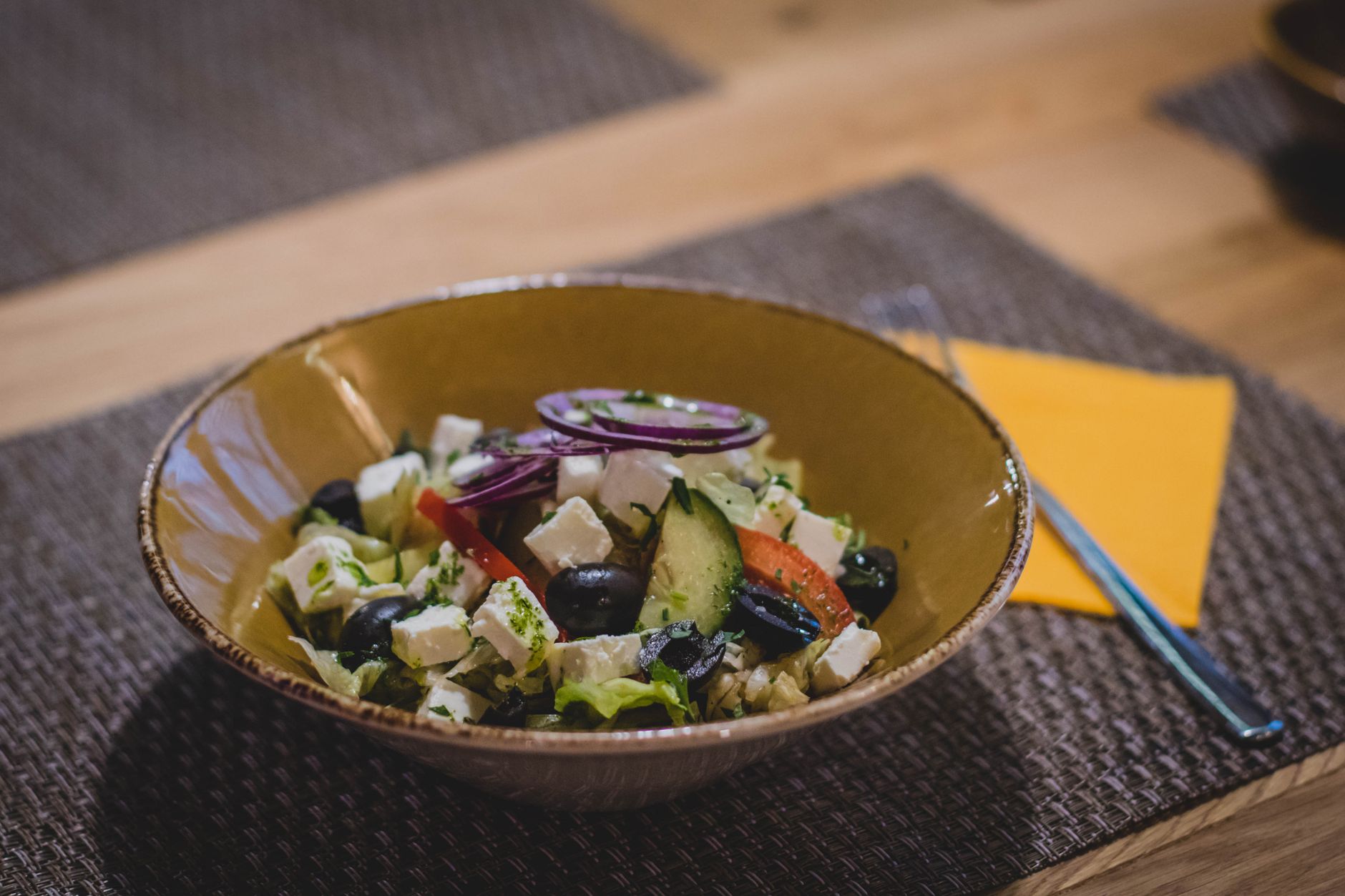
More Recipes You Will Love
If you enjoy the robust flavors of Mediterranean cuisine, you’ll appreciate the creamy, indulgent taste of our 3 ingredient garlic butter without parsley. It’s a simple staple that complements bread or grilled meats beautifully.
For a health boost, pairing your meal with a zingy Ginger immunity shots recipe can invigorate your senses and enhance your overall wellbeing.
Try combining these flavors for a well-rounded Mediterranean-inspired gathering that delights every guest’s palate.
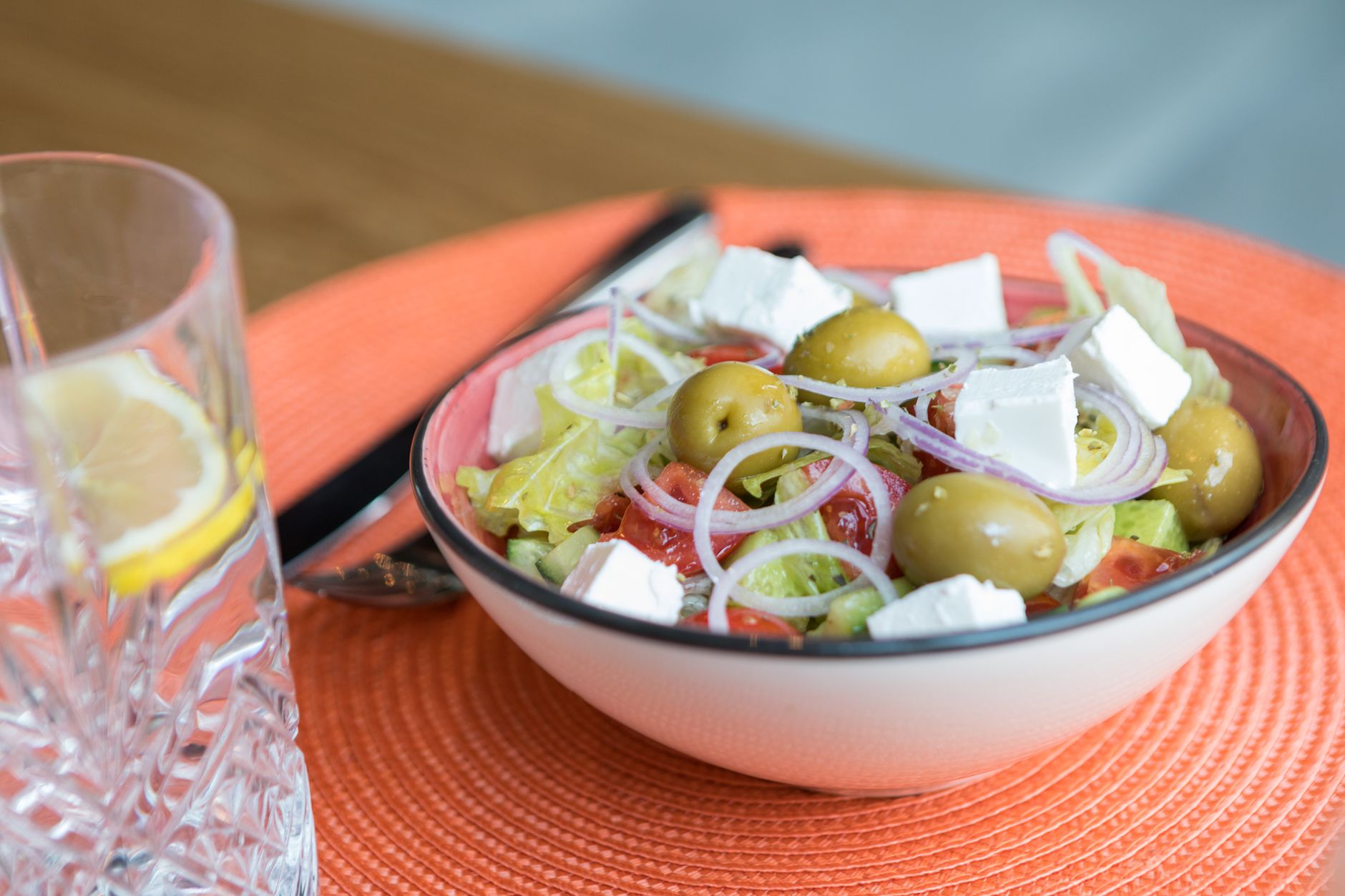
Conclusion
The feta cheese and marinated Greek olives recipe brings an irresistible mix of creamy, tangy, and herbaceous flavors to your table. It’s simple to prepare and offers a versatile addition to any meal or snack. Try this recipe, and share your experience in the comments below—your tips and tweaks could inspire fellow food lovers!
FAQs
When is the best time to eat Feta Cheese And Marinated Greek Olives Recipe?
The best time to eat this recipe is as an appetizer before meals, a flavorful addition to salads, or as part of a charcuterie board during social gatherings. It’s perfect anytime you want a light, Mediterranean-inspired snack or starter.
Can I prepare the Feta Cheese And Marinated Greek Olives Recipe in advance?
Yes, marinating the feta and olives for at least two hours enhances the flavors, and you can prepare it up to 24 hours in advance. Just keep it refrigerated and bring it to room temperature before serving.
Are there any dietary considerations for this recipe?
This recipe is naturally gluten-free, keto-friendly, and suits Mediterranean diets. However, it contains dairy and is high in sodium, so those with dairy allergies or sodium restrictions should consume it in moderation or seek alternatives.
What types of olives work best for this recipe?
A mix of authentic Greek olives like Kalamata, green, and black olives creates the best flavor and texture. Choose firm, glossy olives without wrinkles for freshness and a balanced taste.
How should I store leftovers of Feta Cheese And Marinated Greek Olives?
Store leftovers in an airtight container in the refrigerator for up to 3 days. Let it sit at room temperature for about 15 minutes before serving to restore the olive oil’s texture and enhance flavors.