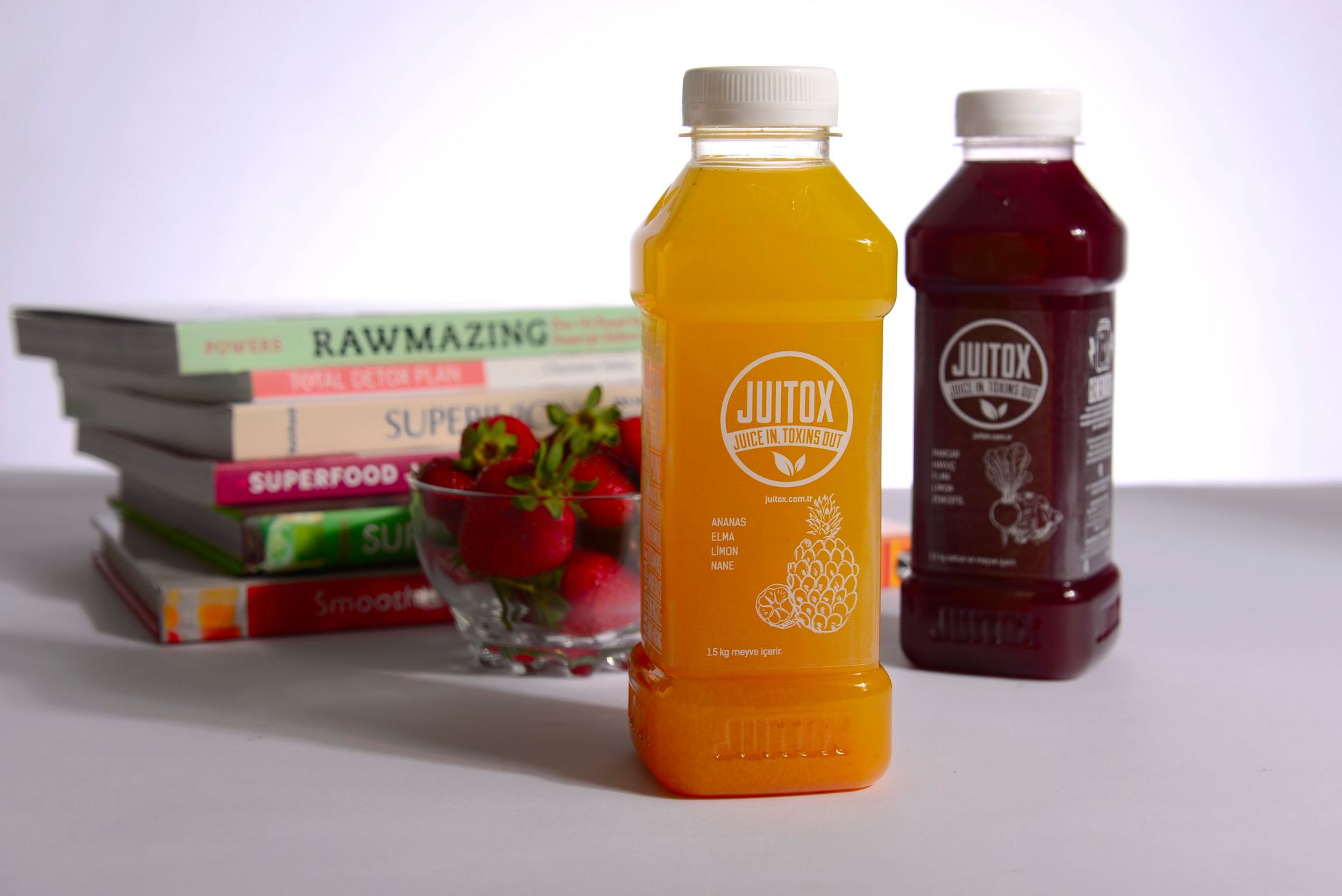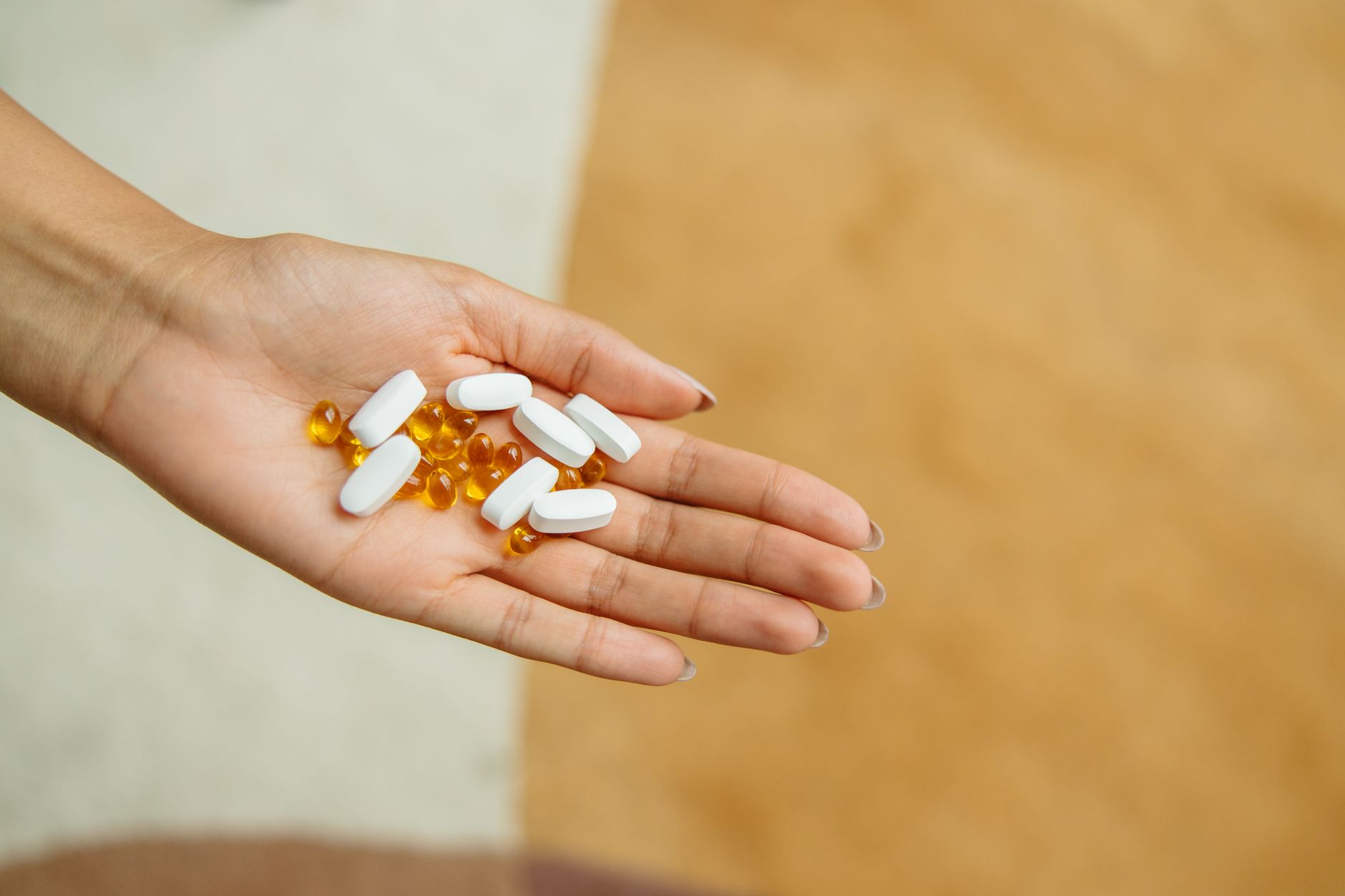
Boosting your immunity through food is both simple and satisfying. Immune system booster foods arent just about fuelling your body, but also about nourishing it with vitamins, minerals, and antioxidants that help defend against everyday challenges. Including these foods in your meals is a practical way to stay strong, especially when life gets busy or seasons change. Ready to discover what makes these powerhouse ingredients so effective?
Why These Foods Work
Which compounds support immunity?
Immune system booster foods owe their power to specific compounds like vitamin C, vitamin D, zinc, and antioxidants. Vitamin C, abundant in citrus fruits and bell peppers, helps white blood cells function more effectively. Vitamin D, found in fatty fish and fortified products, regulates immune responses. Zinc, present in nuts and seeds, is essential for immune cell development. Meanwhile, antioxidants from foods such as berries and turmeric neutralize damaging free radicals, reducing inflammation and supporting overall immunity.
How do vitamins and minerals boost immunity?
Each vitamin or mineral plays a unique role. For example, vitamin C supports collagen production, promoting healthy skinthe bodys first barrier against pathogens. Vitamin D enhances pathogen-fighting effects of white blood cells and modulates inflammatory responses, reducing excessive immune reactions. Zinc supports the production and activation of T-lymphocytes, key players in immune defense. Combined, these nutrients create a multi-layered shield against illnesses.
Why combining foods helps more
Eating a variety of immune system booster foods increases nutrient synergy. For instance, vitamin C in tomatoes enhances iron absorption from spinach, improving blood oxygenation. Healthy fats like olive oil help your body absorb fat-soluble vitamins A and D better. This combination doesnt just optimize nutrient availability; it improves taste and variety, encouraging lasting healthy habits.
Key Immune Booster Ingredients
| Prep time | Total time | Servings | Calories | Diet tags |
|---|---|---|---|---|
| 10 minutes | 10 minutes | 4 | 120 per serving | Vegan, Gluten-Free, Keto-friendly |
Top 20 immune-boosting foods
- Citrus fruits (oranges, lemons, grapefruit)
- Red bell peppers
- Spinach
- Broccoli
- Garlic
- Ginger
- Turmeric
- Almonds
- Sunflower seeds
- Yogurt or fortified plant-based alternatives
- Green tea
- Blueberries
- Salmon and other fatty fish
- Sweet potatoes
- Kiwi
- Mushrooms (especially shiitake)
- Tomatoes
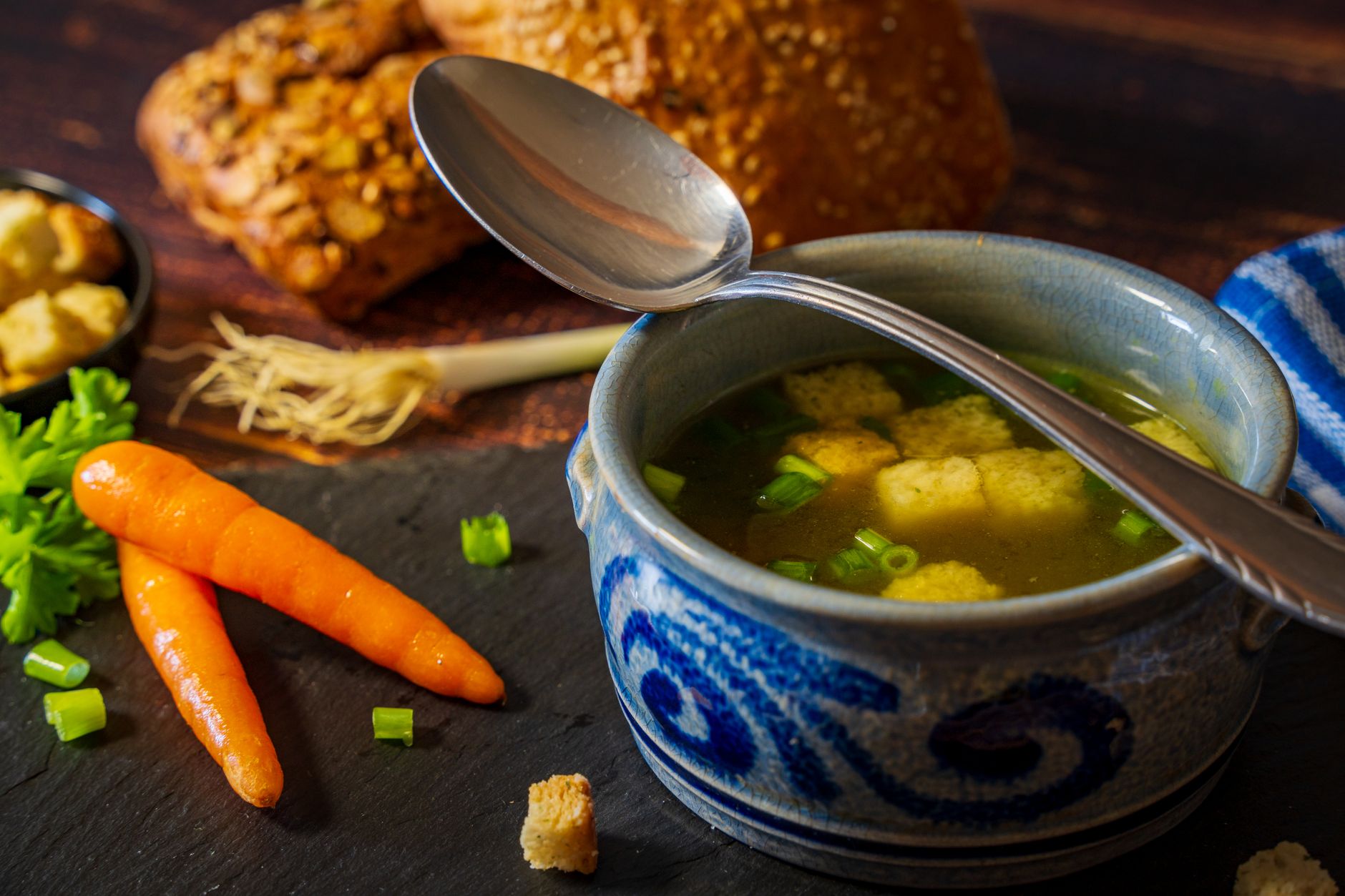
- Bone broth
- Chickpeas
- Dark chocolate (70% cacao or higher)
Substitutions for allergies and preferences
If youre allergic to nuts, try pumpkin or sunflower seeds instead of almonds. Dairy intolerant? Choose fortified soy or coconut yogurt to maintain probiotic benefits. For seafood allergies, include flaxseeds and walnuts to get plant-based omega-3 fats. These swaps keep your immune system well-fed without compromising dietary needs.
Sourcing quality ingredients
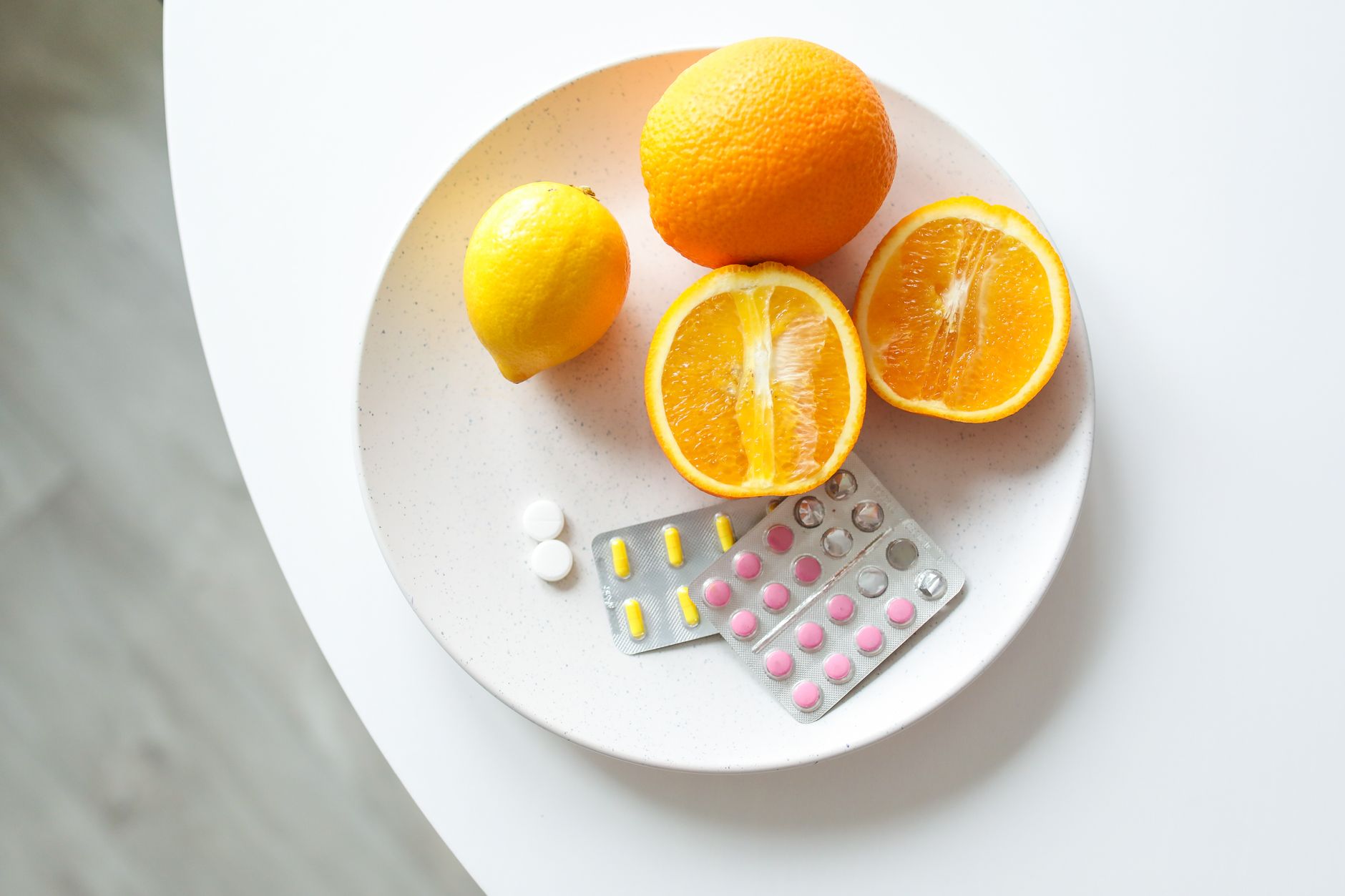
Buy fresh produce from local farmers markets or organic sections. Frozen berries and veggies can be just as nutrient-rich if flash frozen quickly after harvest. For spices like turmeric and ginger, look for ground versions in airtight containers to preserve aroma and potency. Supplements can fill gaps but aim to get most nutrients through whole foods first.
Preparing and Using These Foods
Morning immune-boosting drinks
A quick citrus and ginger smoothie is a vibrant way to start the day. Blend 1 orange, cup spinach, 1 teaspoon grated ginger, cup Greek yogurt, and a splash of water on high for 45 seconds. The zingy aroma wakes you up while delivering vitamin C and probiotics.
Simple immune-friendly meals
- Roasted salmon with turmeric-spiced sweet potatoes and steamed broccoli
- Quinoa salad with chickpeas, red bell peppers, tomatoes, and lemon vinaigrette
- Vegetable stir-fry with garlic, ginger, shiitake mushrooms, and sunflower seeds over brown rice
Common preparation mistakes
- Avoid overcooking garlic to preserve allicin; add it toward the end when sauting.
- Dont boil broccoli for too longsteaming for 4-5 minutes keeps vitamin C intact.
- When making turmeric tea, add a pinch of black pepper to enhance curcumin absorption, according to a 2023 study in the Journal of Nutritional Biochemistry.

Diet Swaps and Variations
Plant-based immune boosters
Vegans and vegetarians can focus on lentils, spinach, nuts, and fortified plant-based yogurts for immune benefits. Spirulina and nutritional yeast boost B vitamins. If youre keto-friendly, snacks like celery sticks with almond butter or hard-boiled eggs and turmeric tea make great low-carb immune snacks.
Gluten-free and low-carb swaps
Swap wheat-based grains with quinoa or cauliflower rice. Use chickpea or almond flour in immune-supporting baked goods. For crunchy snacks, sunflower seeds and pumpkin seeds are nutrient powerhouses without carbs.
Dealing with picky eaters
Add immune booster foods subtly. For example, mix pureed spinach into tomato sauce or blend extra ginger into fruit smoothies. Sometimes a drizzle of honey on turmeric milk can make all the difference in acceptance.
Pairing Immune-Boosting Foods
Meal and snack combinations
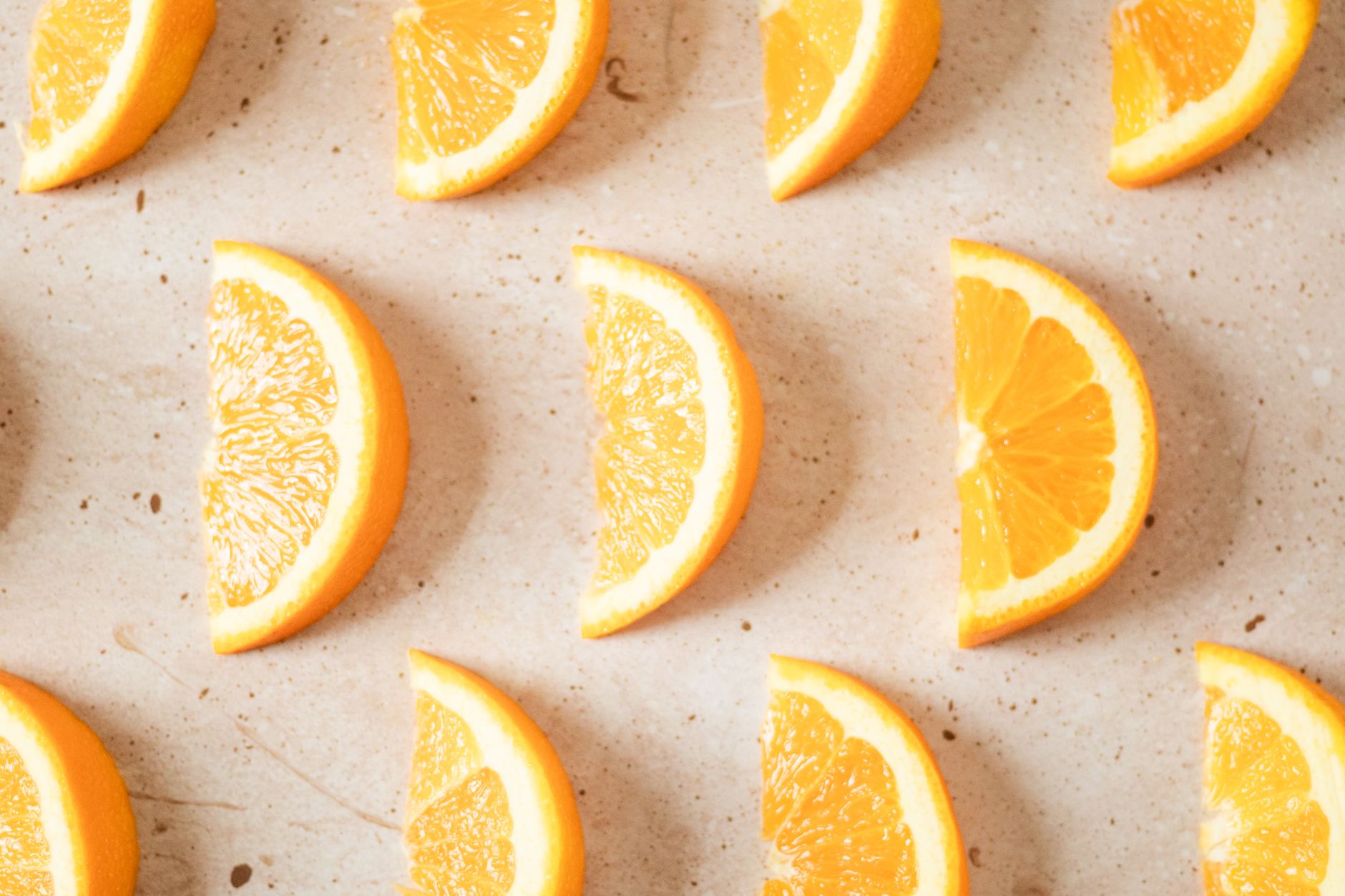
Combine citrus fruit with almonds for a tangy and crunchy snack. A cup of green tea with a slice of lemon provides antioxidants and vitamin C together. Snack plates combining yogurt, blueberries, and sunflower seeds balance protein, probiotics, and vitamins.
Drinks beyond smoothies
Ginger tea with a squeeze of lemon and a teaspoon of honey warms the body and soothes the throat. Golden turmeric milk, made with warmed almond milk, turmeric, black pepper, and a dash of cinnamon, is creamy and calming before bedtime.
Daily pairing ideas
- Breakfast: Oatmeal topped with kiwi and walnuts
- Lunch: Mixed green salad with cherry tomatoes and grilled chicken (try these Baked chicken tenders 3501252 for protein)
- Snack: Yogurt parfait layered with blueberries and crushed almonds
Storage and Meal Prep
Preserving nutrients when storing
Store fresh leafy greens in airtight containers with a dry paper towel inside; eat them within 3-4 days to maintain vitamin C levels. Keep garlic bulbs in cool, dark places to prolong shelf life for up to 6 weeks.
Reheating without nutrient loss
Reheat cooked dishes like broccoli or spinach on low heat for 2-3 minutes instead of microwaving at high power, which can degrade vitamin content. Avoid reheating turmeric milk above 60C (140F) to retain its delicate flavors.
Meal prep tips
Make a batch of bone broth on weekends and refrigerate for up to 5 days or freeze portions for up to 3 months. Pre-chop veggies like bell peppers and store them in airtight containers for ready-to-use salads or stir-fries.
Pro Tips for Immune Foods
- Garlic: Crush garlic cloves and let them sit for 10 minutes before cooking to activate allicin fully.
- Turmeric: Add freshly ground black pepper along with a small amount of healthy fat, such as olive oil, to increase curcumin absorption.
- Ginger: Use fresh ginger grated rather than dried powder for a more vibrant aroma and potent effects.
- Leafy Greens: Quickly blanch spinach in boiling water for 30 seconds and immediately cool in ice water to keep colors bright and nutrients intact.
- Probiotics: Look for yogurts that list live active cultures like L. acidophilus for immune support rather than just calcium content.
How to boost immune system quickly when sick?
Focus on warm, hydrating liquids such as ginger lemon tea with honey and nutrient-dense foods like bone broth and citrus fruits. Rest your digestion with light meals and avoid heavy, processed foods which can drain your energy.
What if fresh foods arent available?
Frozen vegetables retain most immune-supporting nutrients and are great alternatives during off-season. Dried herbs like turmeric powder and ginger powder can be stocked easily. Shelf-stable nuts and seeds provide zinc and vitamin E anytime.
Balancing with medication
Consult healthcare providers if youre taking immunosuppressants or anticoagulants before adding high doses of certain spices like turmeric or ginger. Moderate intake through food is usually safe but monitoring is key.
Many wonder how can i boost my immune system in 24 hours? While food can help, its part of a bigger picture including rest and hydration.
When is the best time to eat immune system booster foods?
Morning meals packed with vitamin C-rich fruits and protein set your immune defenses for the day. Snacks in the afternoon with nuts and seeds offer sustained energy and nutrient support. Evening immune drinks like turmeric milk can help reduce inflammation overnight.
Are supplements better than food?
Whole foods provide a complex matrix of nutrients not always present in supplements. While supplements can help fill gaps, eating a rainbow of immune system booster foods offers broader benefits including fiber and phytonutrients.
Which immune foods are safest for kids and pregnant women?
Fresh fruits, steamed vegetables, nuts (if no allergy history), and mild spices like ginger are usually safe. Pregnant women should consult their healthcare providers before taking turmeric in supplement form but culinary amounts are generally fine.
How often should I eat these foods?
Daily is best. Consistent intake builds sustained immune readiness. Including at least 3-5 servings of fruits and vegetables rich in vitamins and minerals helps maintain a strong immune system.
Can drinking too much immune drink be harmful?
Yes, excess turmeric or ginger could cause digestive discomfort or interact with medications. Stick to recommended amounts like 1-2 cups of herbal tea daily to avoid side effects.
More Recipes Youll Love
- Try the tangy Amaretti cookies recipe for a light citrus twist to your snack time.
- If you want more hearty protein options, these Baked chicken tenders 3501252 are simple and immune-friendly.
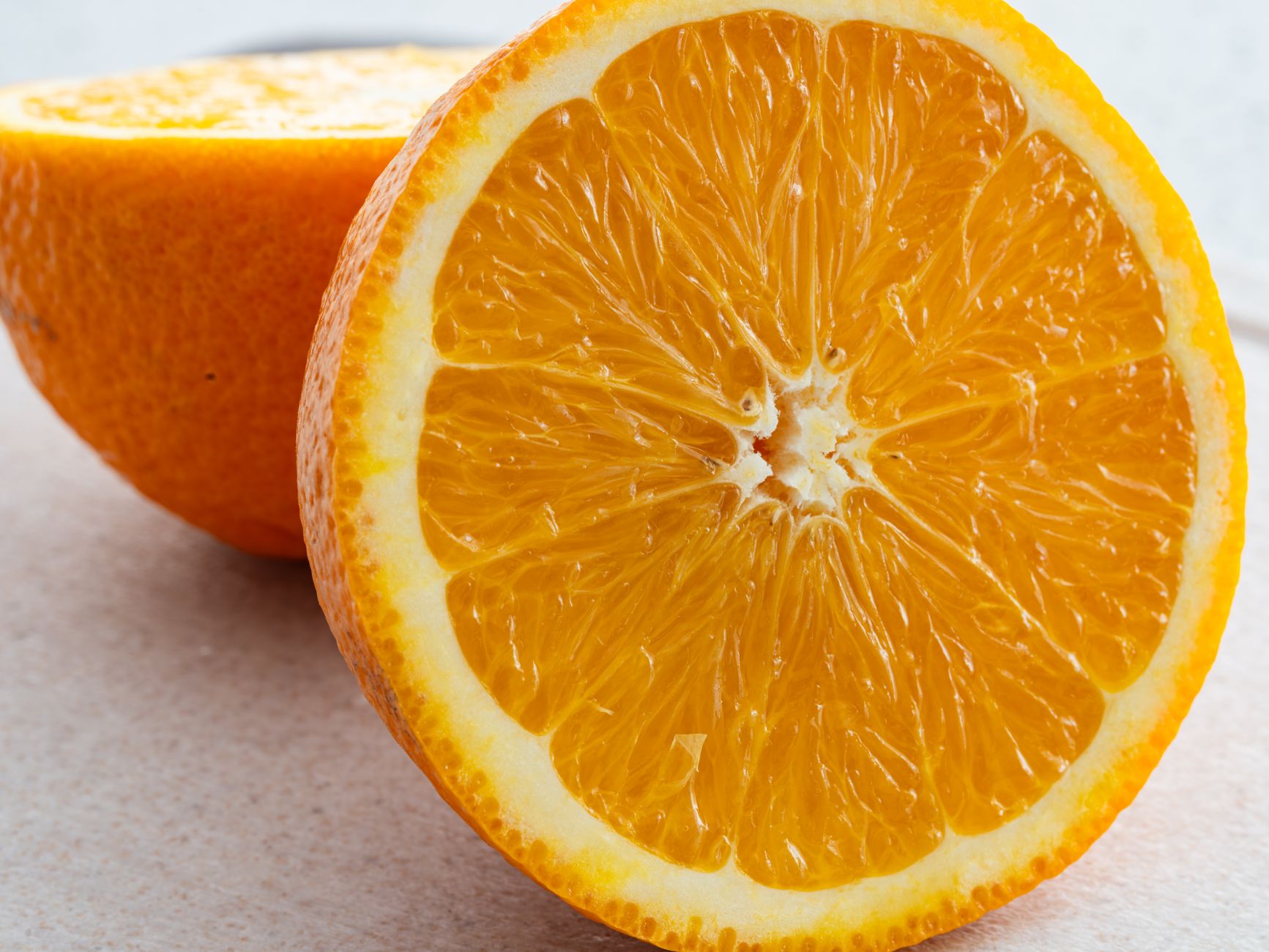
In the end, adding immune system booster foods to your plate is a small, tasty step toward stronger health. Whether you enjoy a citrus-packed breakfast or a soothing turmeric tea at night, your body will thank you. Feel free to share your favorite immune-boosting meals or tips below we love hearing what works in your kitchen!
FAQs
When is the best time to eat immune system booster foods?
Morning meals rich in vitamin C and protein help set strong immune defenses for the day. Afternoon snacks with nuts and seeds sustain nutrient support, while evening drinks like turmeric milk aid in reducing inflammation overnight.
Can drinking too much immune-boosting drinks be harmful?
Yes, excessive intake of turmeric or ginger can cause digestive discomfort or interact with medications. It’s best to limit herbal teas to 1-2 cups daily to avoid side effects.
Are supplements better than immune-boosting foods?
Whole foods offer a complex mix of nutrients not always found in supplements. While supplements help fill gaps, eating diverse immune system booster foods provides fiber, antioxidants, and broader benefits.
How can I boost my immune system quickly when sick?
Focus on warm, hydrating liquids like ginger lemon tea with honey and nutrient-dense foods such as bone broth and citrus fruits. Rest and light meals help your body recover efficiently.
Which immune booster foods are safe for kids and pregnant women?
Fresh fruits, steamed vegetables, nuts (if no allergies), and mild spices like ginger are generally safe. Pregnant women should consult healthcare providers before consuming turmeric supplements, though culinary amounts are usually fine.