Why Choose This Excellent Meatballs Recipe?
Imagine biting into a perfectly tender meatball that bursts with rich, savory flavor and is as juicy as it is satisfying. This excellent meatballs recipe delivers all that and more, bringing restaurant-quality taste right to your kitchen. The secret lies in balancing meats, seasoning thoughtfully, and using expert techniques that ensure every bite is packed with flavor. Whether served with spaghetti, tucked into a sub, or enjoyed on their own, these meatballs will quickly become a family favorite.
Health Benefits & Nutrition
Meatballs can be more than just comfort food when made with wholesome ingredients. Here are some health benefits and nutritional highlights:
- Protein Powerhouse: Meatballs provide an excellent source of protein, vital for muscle repair and energy. Lean meat blends prevent excess fat intake.
- Iron Rich: Red meats, such as beef and veal used in meatballs, are rich in heme iron, which is easily absorbed by the body. Iron supports healthy blood circulation and cognitive functions (Harvard T.H. Chan School of Public Health).
- Vitamin B12 Source: Meatballs offer a natural dose of vitamin B12, important for nerve health and energy production.
- Balanced Fats: Combining pork with leaner beef and veal adds flavor and texture while offering healthy fats, including monounsaturated fats.
Note: For pregnancy or dietary restrictions, ensure the meat is fully cooked. If you have allergies to eggs, dairy, or gluten, modify the recipe accordingly by using suitable substitutes like flax eggs or gluten-free breadcrumbs.
Ingredients & Preparation
Recipe Card
| Prep Time | 40 minutes |
|---|---|
| Total Time | 1 hour 23 minutes |
| Servings | 18 to 20 meatballs |
| Calories | Approximately 268 per serving |
| Diet Tags | Gluten (can be substituted), contains dairy and eggs |
Full Ingredient List
- 1/2 pound lean ground beef
- 1/2 pound ground pork
- 1/2 pound ground veal
- 1/2 cup fine fresh breadcrumbs
- 1/4 cup grated Parmigiano-Reggiano cheese
- 1 large egg
- 1 medium yellow onion, finely chopped
- 2 garlic cloves, minced
- 2 tablespoons chopped fresh Italian parsley
- 1/4 teaspoon red pepper flakes
- Salt and freshly ground black pepper to taste
- 1/4 cup water (plus more if needed)
- Olive oil for browning
Equipment Needed
- Mixing bowls
- Large skillet or frying pan
- Baking sheet
- Measuring cups and spoons
- Wooden spoon or spatula
- Thermometer (optional, for checking doneness)
Tips for Choosing Quality Ingredients
- Meat: Opt for fresh, high-quality ground meats from a trusted butcher or reputable supermarket. Choose lean beef, pork with some fat for moisture, and mild veal for tenderness.
- Breadcrumbs: Use fresh or fine dry breadcrumbs. Fresh breadcrumbs hydrate better, producing softer meatballs.
- Cheese: Freshly grated Parmigiano-Reggiano offers more depth than pre-grated cheese.
- Herbs: Fresh Italian parsley brightens the meatball flavor; avoid dried parsley substitutes if possible.
Step-by-Step Instructions
Step 1: Sauté Aromatics (10 minutes)
Heat a drizzle of olive oil in a skillet over medium heat. Add the finely chopped onion and a pinch of salt. Cook gently, stirring occasionally, until the onion is soft and translucent, about 8 minutes. Add minced garlic and red pepper flakes. Sauté for another 2 minutes until fragrant. Remove the pan from heat, transfer aromatics to a bowl, and let cool completely.
Step 2: Prepare the Meatball Mixture (10 minutes)
In a large mixing bowl, combine the ground beef, pork, and veal. Add the cooled onion and garlic mixture, breadcrumbs, Parmigiano, chopped parsley, egg, salt, and pepper. Gradually sprinkle in 1/4 cup water. Use your hands to gently but thoroughly mix everything together. Add more water if needed until the mixture feels moist and cohesive but not overly wet.
Step 3: Test Seasoning (5 minutes)
Form a small patty from the mixture and pan-fry it over medium heat until cooked through. Taste and adjust seasonings in the main mixture, adding more salt or pepper as desired.
Step 4: Shape and Brown Meatballs (15 minutes)
Preheat a skillet with olive oil over medium-high heat. Shape the meat mixture into golf-ball sized meatballs, around 1 1/2 inches in diameter. Working in batches, brown the meatballs on all sides, about 2-3 minutes per side, creating a golden crust. Transfer browned meatballs to a baking sheet.
Step 5: Bake to Finish Cooking (43 minutes)
Preheat oven to 350°F (175°C). Place the baking sheet with meatballs in the oven and bake for 35-40 minutes, or until cooked through and the internal temperature reaches 160°F (71°C). Remove and let rest for 5 minutes before serving.

Variations & Substitutions
- Meat Mix Swap: Replace veal with ground turkey or chicken for a leaner meatball with a lighter flavor.
- Breadcrumb Alternatives: Use gluten-free breadcrumbs or crushed cornflakes to accommodate gluten sensitivity.
- Dairy-Free Version: Omit Parmigiano and replace with nutritional yeast or skip altogether.
- Spice It Up: Add smoked paprika, fennel seeds, or chopped fresh basil for a different flavor profile.
Storage & Shelf Life
Store cooked meatballs in an airtight container in the refrigerator for up to 4 days. To freeze, arrange cooled meatballs in a single layer on a baking tray and freeze until firm. Then transfer to a freezer-safe bag or container for up to 3 months.
Thaw frozen meatballs overnight in the refrigerator before reheating. Signs of spoilage include sour smell, slimy texture, or discoloration—discard immediately if noticed.
Pro Tips for Perfect Meatballs Every Time
- Cool the aromatics: Always let onions and garlic cool before mixing with eggs to prevent scrambled eggs in the mixture.
- Use your hands: Mixing with hands ensures even distribution and gently binds meat proteins, which helps meatballs hold their shape.
- Add water thoughtfully: Adding a small amount of water hydrates breadcrumbs, yielding lighter, juicier meatballs.
- Two-step cooking: Browning first locks in flavor and texture, while baking finishes the cooking without drying.
- Test seasoning early: A small cooked test patty allows adjustment so final meatballs taste perfectly balanced.
When is the best time to eat Excellent Meatballs Recipe?
Excellent meatballs are perfect for any mealtime, but they truly shine when fresh and warm. Serving them right after baking guarantees maximum juiciness and flavor. They work beautifully as a hearty lunch, comforting dinner, or party appetizer. You can also enjoy them chilled in salads or reheated with your favorite sauce later!
Can I make the meatballs ahead of time?
Absolutely! You can prepare the mixture and shape the meatballs up to a day ahead, storing them covered in the fridge. Brown and bake just before serving for best results. This makes meal prep much easier on busy days.
How do I freeze meatballs properly?
Freeze cooked or uncooked meatballs arranged in a single layer on a tray until firm. Transfer to airtight containers or freezer bags. This prevents sticking and maintains shape. Use within three months for best taste.
What meat blend is best for juicy meatballs?
A mix of beef, pork, and veal provides an ideal balance of flavor, fat, and tenderness. Beef gives boldness, pork adds moisture, and veal brings mildness and texture for perfectly juicy meatballs.
Can I bake meatballs without browning first?
While you can bake meatballs directly, browning them in a skillet first develops deeper flavor and a pleasant crust. Skipping this step may result in softer meatballs with less color.
How do I keep meatballs from falling apart?
Use fresh breadcrumbs and eggs as binders and do not overmix the meat. Cooling aromatics before adding them prevents egg scrambling, which helps maintain structure. Mix gently but thoroughly with your hands.
What’s the best sauce to serve with these meatballs?
Classic marinara or a rich tomato sauce complements these meatballs beautifully. For a twist, try creamy mushroom sauce or a tangy mustard glaze. Pair with spaghetti for a traditional touch.
Are these meatballs gluten-free?
Traditional breadcrumbs contain gluten, but you can substitute with gluten-free breadcrumbs or crushed gluten-free crackers to make this recipe suitable for gluten-sensitive diets.
More Recipes You Will Love
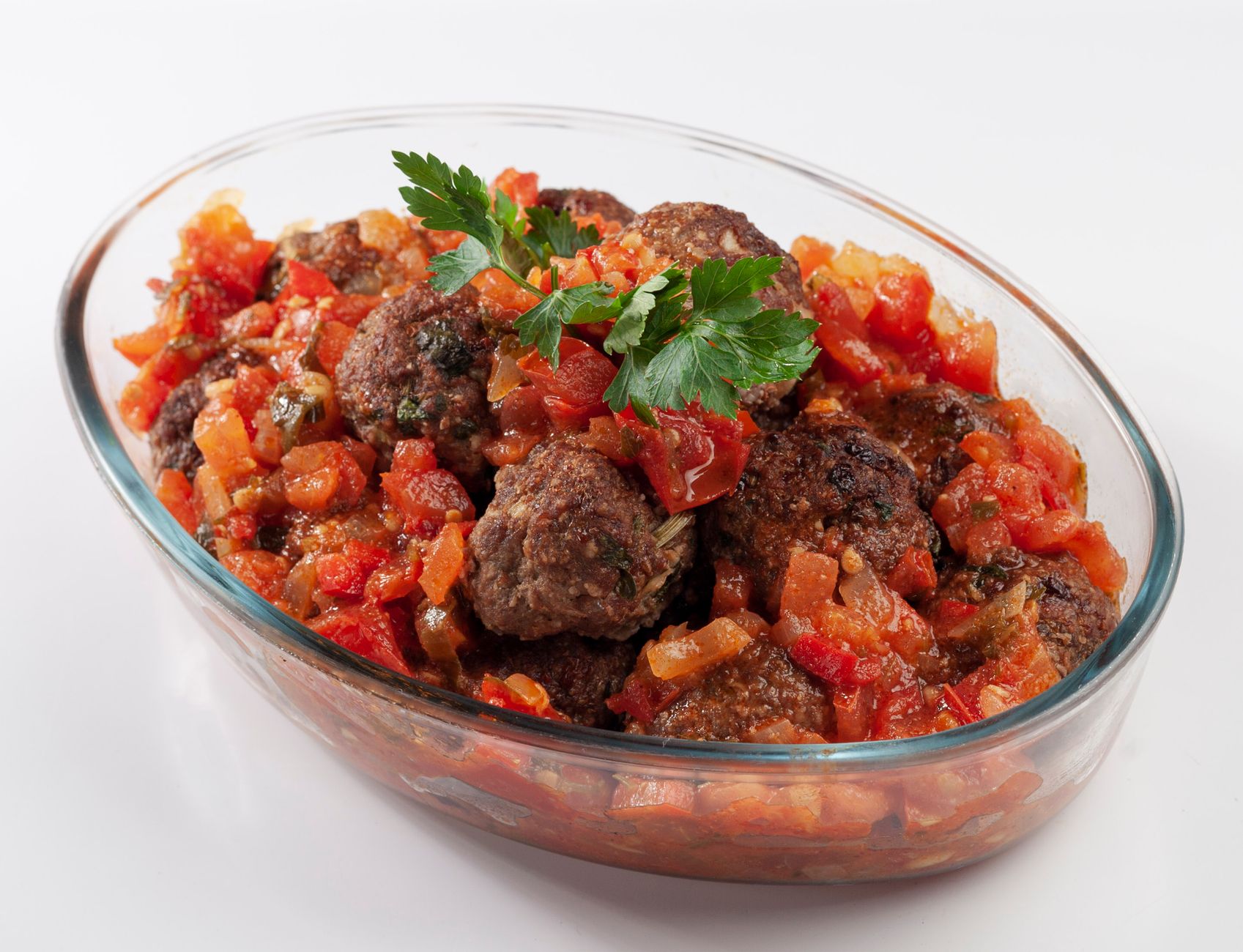
If you enjoyed this excellent meatballs recipe, you‘ll love our Spaghetti and lamb meatballs. This recipe offers a bold twist using lamb that’s tender and flavorful, perfect when coated in a rich tomato sauce.
For a comforting starter alongside your meatballs, try our Tuscan barley soup. It’s filled with rustic flavors and earthy goodness—the perfect Italian bowl companion.
Conclusion
Mastering this excellent meatballs recipe means you’ll always have a crowd-pleasing dish ready to impress. From the blend of meats to the secret step of cooling aromatics, each detail matters in creating juicy, tender, and flavorful meatballs every time. Try it out, and don’t forget to share your thoughts or rate the recipe—we’d love to hear how it turns out in your kitchen!
FAQs
When is the best time to eat Excellent Meatballs Recipe?
Excellent Meatballs Recipe is perfect any time you crave classic Italian comfort food. They are great for lunch, dinner, parties, or special family meals. Their versatility also makes them ideal for meal prepping or freezing for future quick meals.
What type of meat is best for making excellent meatballs?
The best meatballs blend lean ground beef, ground pork with some fat, and ground veal. This mixture gives the meatballs the perfect balance of flavor, tenderness, and juiciness essential for authentic Italian meatballs.
Can I freeze the meatballs for later use?
Yes, freezing meatballs is a great way to have delicious meals ready quickly. Cooked meatballs can be cooled completely, placed in airtight containers or freezer bags, and frozen for up to 3 months. Thaw before reheating or add directly to sauces.
How do I keep meatballs juicy and tender?
To keep meatballs juicy and tender, use a combination of meats with enough fat, hydrate breadcrumbs well, gently sauté aromatics before mixing, and avoid overworking the meat mixture. Cooking them in a skillet or baking with olive oil helps retain moisture.
Are there any common dietary substitutions for this recipe?
Yes, to accommodate allergies or diets, substitute eggs with flax eggs or chia seeds, use gluten-free breadcrumbs for gluten intolerance, and opt for dairy-free cheese alternatives if needed. Fully cook meatballs for pregnancy safety.