Why Easy White Wine Caper Sauce Works
The first spoonful brings together bright lemon, salty capers, buttery richness, and a gentle wine aroma. It turns a simple piece of fish into a dinner that tastes carefully composed.
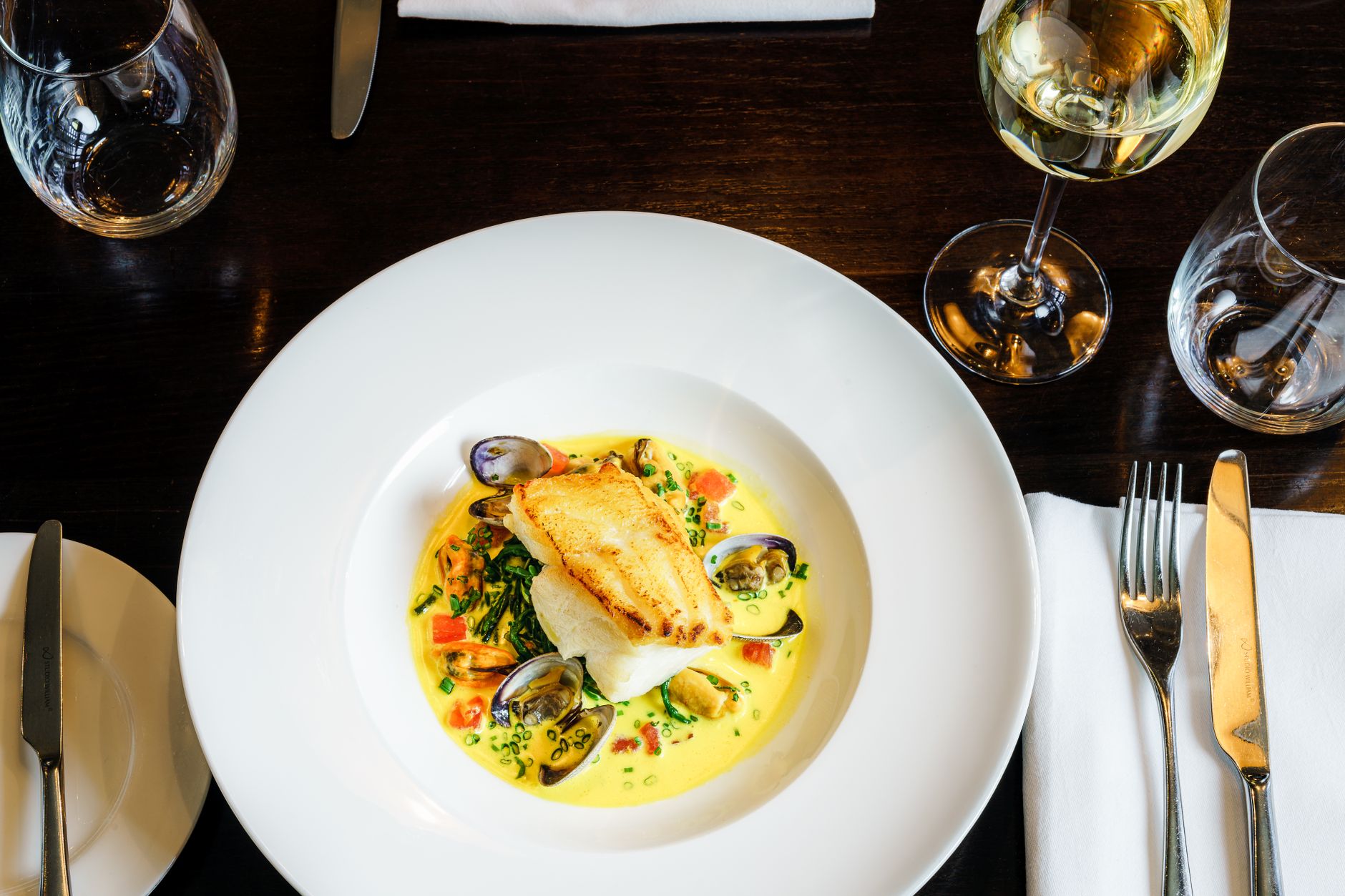
Easy White Wine Caper Sauce is a quick pan sauce made with shallots, dry white wine, capers, cornichons, lemon, parsley, and butter. Cook the fish first, then reduce the sauce ingredients in the same skillet so they absorb the browned bits left behind. The finished sauce takes about 20 minutes and works with flounder, sole, tilapia, cod, scallops, or other lean seafood.
I like this method because the sauce is prepared while the fish rests. That keeps the meal moving and gives the pan time to develop a savory base without adding another pot to wash.
Health Benefits & Nutrition
This recipe is rich and satisfying, but the portions remain moderate. The exact nutrition depends on the fish, how much oil stays in the pan, and the amount of butter used.
- Lean protein: White fish supplies protein that helps make the meal filling without a heavy, dense texture.
- Some healthy fats: Olive oil contributes mostly unsaturated fat, while butter adds richness and a smooth finish. The sauce still contains saturated fat, so portion size matters.
- Vitamin C from lemon: Lemon juice and zest add vitamin C along with acidity that balances the butter.
- Lower carbohydrate: The fish and sauce contain very little carbohydrate. Serve them with vegetables, potatoes, or rice if you want a more substantial plate.
As written, one serving is approximately 330 to 370 calories, with about 25 to 30 grams of fat, 18 to 24 grams of protein, and 8 to 12 grams of carbohydrates. Sodium can be higher because capers, cornichons, and hot sauce are salty. People with seafood allergies should avoid the fish, and anyone managing sodium, fat, or alcohol intake should adjust the recipe with guidance from a qualified healthcare professional.
Ingredients & Preparation
Recipe Card
| Prep time | 15 minutes |
|---|---|
| Cook time | 20 minutes |
| Total time | 35 minutes |
| Servings | 2 servings |
| Calories | Approximately 350 per serving |
| Diet tags | Gluten-free, pescatarian, low-carbohydrate |
Full Ingredient List
- 2 tablespoons olive oil
- 2 white fish fillets, about 5 to 6 ounces each, such as flounder, sole, fluke, or tilapia
- 1/2 teaspoon kosher salt, plus more to taste
- 1 tablespoon unsalted butter, for cooking the fish
- 2 large shallots, finely minced
- 1/4 cup dry white wine
- 2 teaspoons capers, drained
- 1 teaspoon caper brine
- 2 teaspoons cornichons, finely diced
- 1 teaspoon cornichon brine
- 1/2 teaspoon hot sauce
- 6 sprigs fresh flat-leaf parsley, finely chopped, including tender stems
- Finely grated zest and juice of 1 large lemon
- 2 tablespoons unsalted butter, cold and cut into small pieces
Equipment Needed
- Large stainless-steel or nonstick skillet
- Fish spatula or wide, flexible spatula
- Small knife and cutting board
- Measuring spoons and cup
- Fine grater or microplane for the lemon zest
- Whisk or wooden spoon
Tips for Choosing Quality Ingredients
Choose fish fillets that smell clean and mildly briny, never strongly fishy. The flesh should look moist and firm, with no dry edges. Thin fillets cook quickly, while thicker cod or haddock may need several extra minutes.
Use a crisp, dry white wine such as Sauvignon Blanc, Pinot Grigio, or an unoaked Chardonnay. Avoid sweet wine, which can make the sauce taste heavy. Small capers and crisp cornichons provide a sharper, more even bite than large, soft pickles.
Fresh parsley and lemon make a noticeable difference. Bottled lemon juice lacks the fresh aroma that comes from zest, so grate the lemon before cutting it to juice.
Step-by-Step Instructions
1. Prepare the fish and pan
Pat the fillets very dry with paper towels, then season both sides with the kosher salt. Heat a large skillet over medium-high heat for 2 minutes. Add the olive oil and heat for 30 to 45 seconds, until it looks fluid and shimmers. The pan should be hot enough for an immediate gentle sizzle, but the oil should not be smoking heavily.
2. Sear the first side
Place the fish in the skillet with space between the fillets. Add 1 tablespoon butter beside the fish and let it melt into the oil. Cook for 2 to 5 minutes, depending on thickness, without moving the fillets. The underside should turn golden at the edges and release more easily when slid beneath with a fish spatula.
3. Finish cooking the fish
Turn the fillets carefully and cook for 2 to 5 minutes more over medium-high heat. The fish is done when the center is opaque and flakes with gentle pressure, or when it reaches 145°F on an instant-read thermometer. Transfer the fish to a warm platter and leave the skillet on the stove.
4. Reduce the wine and shallots
Add the minced shallots and dry white wine to the same skillet. Increase the heat to high and simmer for 2 to 3 minutes, stirring and scraping the browned bits from the bottom. The liquid should reduce to roughly 1 tablespoon, and the shallots should smell sweet rather than sharp. The first time I made this, I stopped the reduction too early, and the sauce tasted thin; waiting for the pan to look nearly dry fixed it.
5. Finish the caper sauce
Reduce the heat to medium. Stir in the capers, caper brine, diced cornichons, cornichon brine, hot sauce, parsley, lemon zest, and lemon juice. Simmer for 1 minute. Add the cold butter a few pieces at a time, whisking for about 60 seconds until the sauce looks glossy and lightly thickened. Taste before adding extra salt, then spoon the sauce over the fish.
Variations & Substitutions
- Use another fish: Replace the thin fillets with 12 ounces of cod, haddock, or halibut. Sear thick fillets for 3 to 5 minutes per side, then check the center with a thermometer.
- Make it dairy-free: Replace the cooking butter with 1 tablespoon additional olive oil. For the finishing butter, whisk in 2 tablespoons cold dairy-free butter or use 1 tablespoon olive oil for a lighter, less creamy sauce.
- Skip the wine: Use 1/4 cup seafood stock or low-sodium chicken stock plus 2 teaspoons white wine vinegar. The vinegar is stronger, so begin with 1 teaspoon and add more only if needed.
- Add garlic: Stir 1 finely minced garlic clove into the shallots for the final 30 seconds of the reduction. Adding it earlier can make the garlic bitter.
- Use fresh herbs: Swap the parsley for 2 tablespoons chopped dill or basil. Dill is especially good with salmon, while basil suits mild white fish and scallops.
- Make it creamier: Add 2 tablespoons heavy cream after the wine has reduced. Simmer for 1 minute, then whisk in the butter. The sauce will be richer and less sharply acidic.
For a spicy version, increase the hot sauce to 1 teaspoon or add a pinch of red pepper flakes with the shallots. I tried using sweet bread-and-butter pickles instead of cornichons, but the sauce became noticeably sugary. Crisp, sour pickles work much better here.
Storage & Shelf Life
Refrigerate leftover fish and sauce in a covered container within 2 hours of cooking. They keep for up to 2 days in the refrigerator. Store the fish and sauce together if convenient, but separate containers make reheating easier.
Reheat the fish gently in a covered skillet over low heat with 1 tablespoon water. Warm for 3 to 5 minutes, turning once if the fillet is thick. Avoid boiling the sauce, because the butter can separate and the fish can become dry.
The sauce can be frozen separately for up to 1 month, although its texture may become slightly grainy after thawing. Cool it completely, transfer it to a freezer-safe container, and leave a little room for expansion. Thaw overnight in the refrigerator, then warm over low heat while whisking in 1 teaspoon water or stock.
Discard leftovers if they smell sour or unpleasant, feel slimy, show mold, or have been left at room temperature for more than 2 hours. When in doubt, do not taste food to test its safety.
Pro Tips for a Silky, Balanced Sauce
Drying the fish is one of the most useful steps. Moisture creates steam, which prevents browning and can make a delicate fillet stick. Press the paper towel gently over both sides, especially along the thin edges.
Do not crowd the skillet. If the fish touches, the temperature drops and the fillets steam instead of sear. Cook in batches if your pan is not wide enough to leave at least 1 inch between pieces.
Use the browned bits as your flavor base. When the wine hits the hot skillet, scrape slowly with a wooden spoon. Those small caramelized spots dissolve into the reduction and give the sauce more depth.
Reduce the wine before adding lemon juice. Wine needs a brief simmer to lose its raw alcohol edge. Lemon added too early can make the reduction overly sharp before the butter has a chance to soften it.
Cold butter creates a smoother emulsion than warm butter. Add it gradually over medium heat, whisking continuously. If the sauce begins to bubble aggressively, move the skillet off the heat for 30 seconds.
Salt at the end. Capers, pickle brine, hot sauce, and salted fish can provide plenty of seasoning. I found that tasting after the butter goes in prevents an overly salty finish.
Serving, Timing & Troubleshooting
When is the best time to eat Easy White Wine Caper Sauce?
The best time to eat Easy White Wine Caper Sauce is immediately after cooking, while the fish is warm and the sauce is glossy. Serve it for a quick weeknight dinner or a small weekend meal. The bright acidity is especially welcome alongside roasted vegetables, steamed greens, rice, or crusty bread.
Can I make the sauce without fish?
Yes, the sauce can be served with scallops, shrimp, chicken, tofu, or roasted vegetables. Prepare the protein first, remove it from the skillet, and follow the same reduction method. Adjust cooking time for the substitute, since shrimp and scallops cook much faster than thick fish fillets.
What white wine works best in this recipe?
A dry, crisp white wine works best. Sauvignon Blanc, Pinot Grigio, and unoaked Chardonnay all provide enough acidity without adding sweetness. Use a wine you would enjoy drinking, but it does not need to be expensive. Avoid Moscato, sweet Riesling, or heavily oaked wines, which can overpower the capers.
Can I use bottled lemon juice?
Yes, bottled lemon juice can work in a pinch, but fresh lemon gives the sauce a cleaner flavor and fragrant zest. If using bottled juice, start with 1 tablespoon and add more to taste. Skip the zest only if necessary; the sauce will still work, but it will have less citrus aroma.
Why did my butter sauce separate?
The sauce usually separates because the pan was too hot or the butter was added too quickly. Remove the skillet from the heat and whisk in 1 teaspoon cold water. Add a few small pieces of cold butter while whisking steadily. The sauce may not become perfectly smooth again, but it should regain a pleasant sheen.
Can I prepare the ingredients ahead of time?
Yes, mince the shallots, chop the parsley, dice the cornichons, and zest the lemon up to 1 day ahead. Keep each ingredient covered in the refrigerator. Pat and season the fish just before cooking, because salting it too early can draw moisture to the surface.
What can I serve with this fish?
Serve it with roasted asparagus, green beans, sautéed spinach, rice, mashed potatoes, or toasted sourdough. The sauce is tangy and buttery, so a simple side works best. A crisp salad can also balance the richness without competing with the capers and lemon.
More Recipes You Will Love
If you enjoy bright, savory seafood meals, try Kardeas gullah style shrimp and grits. Its creamy base and seasoned shrimp make a heartier contrast to this lighter pan-seared fish.
For a no-cook seafood option, Italian tuna salad brings olives, herbs, and bright dressing to the table. It is useful for lunches when you want something quick without turning on the stove.

Conclusion
Easy White Wine Caper Sauce turns a short ingredient list into a bright, glossy finish for tender fish. The key is drying the fillets, reducing the wine fully, and whisking in cold butter over moderate heat. Capers, cornichons, lemon, and parsley keep every bite lively without masking the seafood. Serve it right away with a simple vegetable or starch, then leave a comment or rating if you try the recipe.
FAQs
When is the best time to use Easy White Wine Caper Sauce?
Serve it right after cooking the fish, while the sauce is still warm and glossy. It pairs best with mild white fish like flounder, sole, or tilapia, and it works well for weeknight dinners, small dinner parties, or any meal where you want a bright, buttery finish. Spoon it over the fish just before serving so the capers and lemon stay fresh.
Can I make White Wine Caper Sauce ahead of time?
Make the sauce fresh for the best texture, since it is finished with cold butter that can separate when cooled and reheated. If you need to prepare ahead, cook the fish first and keep it warm, then reheat the sauce gently over low heat while whisking in a spoonful of water or a small pat of butter.
Can I substitute something for the dry white wine in caper sauce?
Yes, you can replace dry white wine with dry vermouth, or with extra stock plus a squeeze of lemon juice for an alcohol-free version. Use a dry, unsweetened liquid, since sweet wines can make the sauce taste flat or cloying. Taste before adding salt, because capers and cornichons already contribute plenty of saltiness.
Why did my caper sauce separate or turn oily?
Butter separates when the sauce gets too hot or when cold butter goes in all at once. Remove the skillet from the heat before adding the butter, then add it a few pieces at a time while swirling the pan. If the sauce still breaks, whisking in a splash of warm water can help bring it back together.
How do I store leftover fish and caper sauce?
Store leftover fish and sauce in separate airtight containers in the refrigerator and eat them within about three to four days. Cool them within two hours of cooking. Reheat gently, since high heat can make the fish dry and cause the sauce to separate.