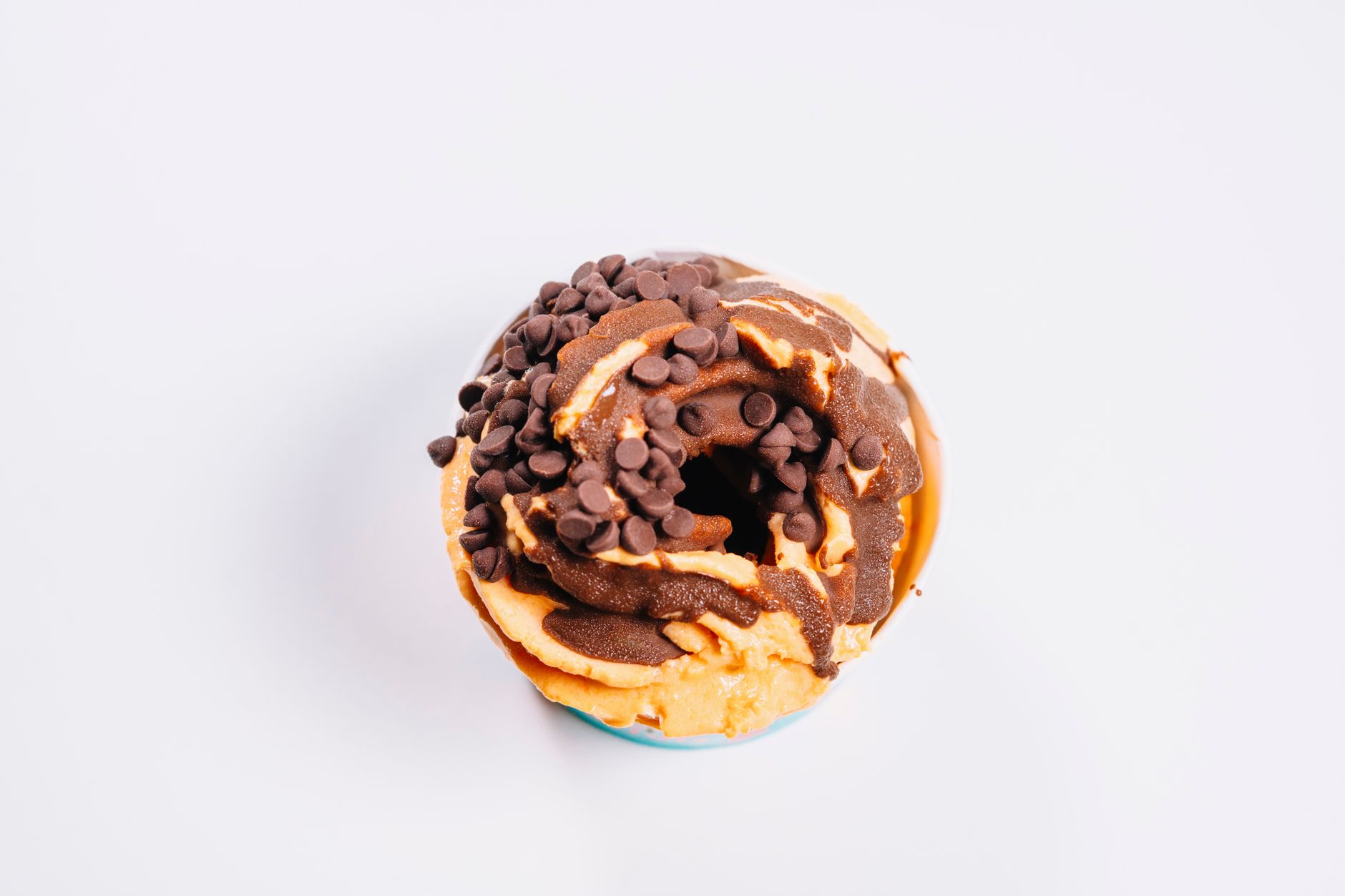
Imagine scooping into a bowl of creamy, rich chocolate ice cream, its deep cocoa aroma filling the air as it melts smoothly on your tongue. This easy chocolate ice cream recipe invites you to create just thatwithout complicated steps or hard-to-find ingredients. Whether you have an ice cream maker or not, you can whip up a luscious dessert that tastes like it came from your favorite artisan shop.
Why This Recipe Works
What Makes This Recipe Different from Typical Chocolate Ice Creams?
This recipe combines pantry staples with a simple technique to keep things fuss-free yet indulgent. Unlike some traditional recipes that rely heavily on eggs or lengthy custard processes, this one skips those in favor of condensed milk and heavy cream. The result is an intensely chocolatey, creamy ice cream thats quick to prepare, perfect for anyone pressed for time.
How Does This Recipe Achieve Creamy Texture Without Eggs?
Condensed milk plays the starring role here. Its dense sweetness and thick consistency mimic the richness eggs usually provide, helping create a velvety texture while preventing ice crystals. Whipping the heavy cream separately traps air, which adds lightness and stops the ice cream from becoming dense or icy.
Why Using Specific Ingredients Like Condensed Milk or Heavy Cream Matters
Using full-fat heavy cream ensures creaminess and mouthfeel, while sweetened condensed milk adds sweetness and body. Skimping on either often leads to icy or grainy results. The chocolate flavor depends on a quality unsweetened cocoa powderchoose Dutch-processed if you prefer a smoother, less acidic taste. These choices make the difference between homemade-tasting and genuinely luxurious.
Ingredients for Homemade Chocolate Ice Cream
| Prep time | Total time | Servings | Calories | Diet tags |
|---|---|---|---|---|
| 10 minutes | 6 hours (including freezing) | 6 servings | 250 kcal per serving | Vegetarian, Gluten-Free |
Which Types of Cocoa Powder Work Best for Rich Chocolate Flavor?
For the deepest chocolate aroma, Dutch-processed cocoa powder is ideal. Its milder and blends smoothly into the cream base. Natural cocoa powder is more acidic and sharper, which some people enjoy. Avoid low-quality or cacao powder blends with fillersthey can dull the flavor.
Can I Substitute Whole Milk with Other Milks?
Whole milk isnt required in this recipe since heavy cream and condensed milk provide moisture and fat. However, if you want a lighter version, you can substitute evaporated milk for condensed milk, but beware texture changes. Plant-based alternatives like oat or almond milk wont produce the same creaminess unless you adjust fat content elsewhere.
Whats the Role of Condensed Milk and How to Find Quality Brands?
Condensed milk acts as both sweetener and stabilizer. Look for brands with minimal additives and pure milk and sugar content for best taste. Avoid those with corn syrup or thickenersthey can affect texture.
Sugar Options: Granulated, Brown, or Alternatives What Works Here?
This recipe relies on sweetened condensed milk, so additional sugar isn‘t necessary. If you want to tweak sweetness, consider using a touch of dark brown sugar for a subtle molasses hint, but it must be dissolved fully to avoid graininess. Alternative sweeteners might alter texture or freezing points, so use cautiously.
| Ingredient | Amount |
|---|---|
| Heavy cream (cold, 35% fat) | 2 cups (480 ml) |
| Sweetened condensed milk | 1 can (14 oz/396 g) |
| Unsweetened cocoa powder (preferably Dutch-processed) | cup (50 g) |
| Vanilla extract | 1 teaspoon |
| Pinch of salt | teaspoon |
Step-by-Step Instructions
How to Prep the Base Mixture With and Without a Machine
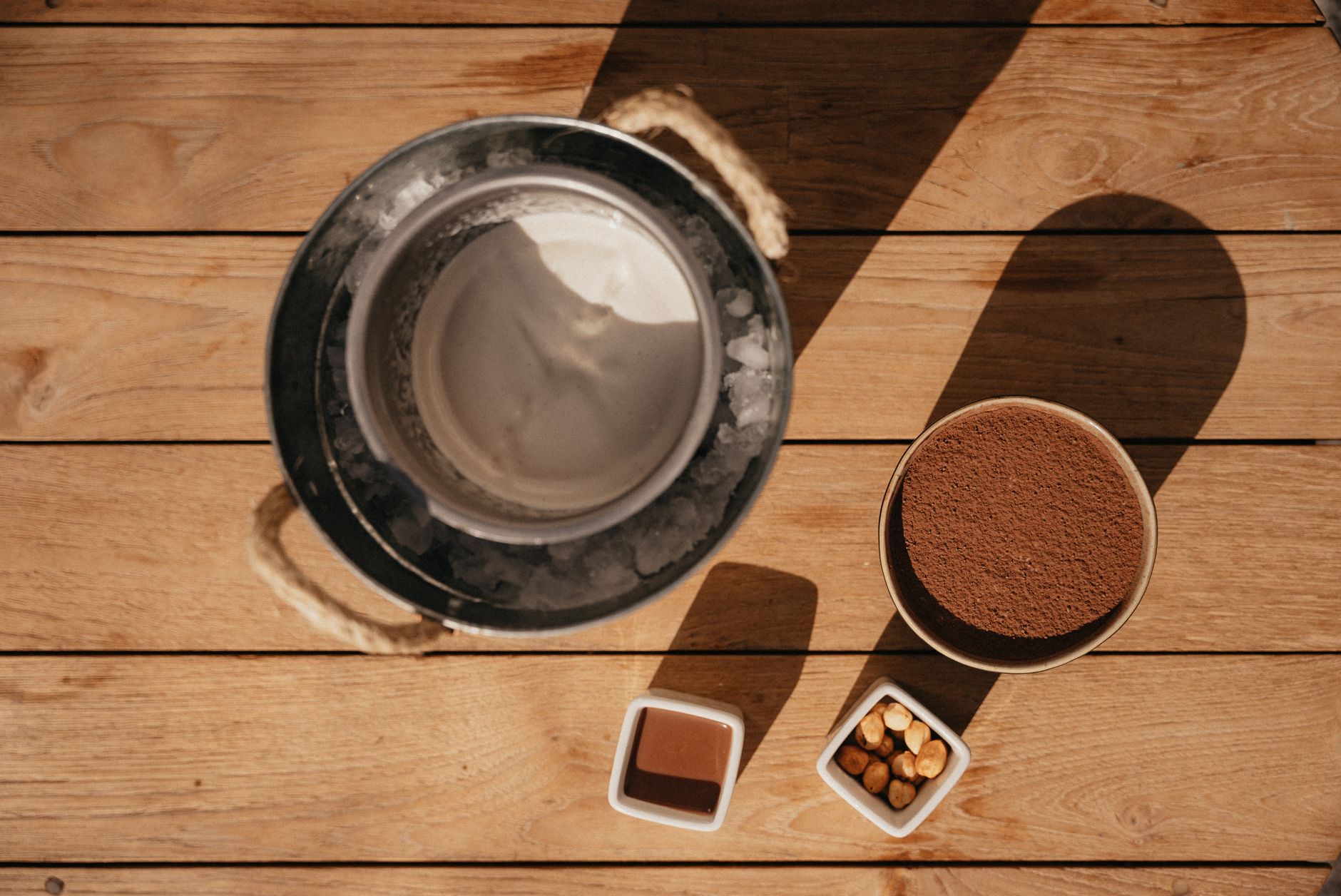
For ice cream makers, chilling the base mixture before churning is critical. In a mixing bowl, sift cup of cocoa powder to avoid lumps. Add the sweetened condensed milk, vanilla extract, and salt, stirring gently until fully combined and glossy. In a separate chilled bowl, whip the heavy cream on medium-high speed for exactly 3 minutes or until soft peaks form. Gently fold whipped cream into the chocolate mixture using a spatula, preserving the air incorporated.
If you dont have a machine, pour this base into a shallow metal pan and freeze for 45 minutes. Every 30 minutes afterward, stir vigorously with a fork or electric mixer for 2 minutes until fully frozen yet creamy. Repeat until the texture is smooth, usually about 34 hours.
Critical Mixing and Chilling Steps for Best Texture
- Whip the cream cold and fresh, stopping at soft peaks to avoid turning it into butter.
- Fold ingredients with careovermixing deflates the air, resulting in denser ice cream.
- Freeze the mixture uncovered for the first hour to allow evaporation, then cover tightly to prevent ice crystals.
- If using a churner, churn the mixture for exactly 2530 minutes at 12 rpm for optimal aeration.
Common Mistakes and How to Avoid Them
- Over-whipping cream: Leads to grainy texture.
- Skipping sifting cocoa: Causes lumps and uneven chocolate flavor.
- Not folding gently: Results in dense or icy ice cream.
- Freezing in a deep container without stirring: Produces hard, icy blocks.

Variations and Dietary Swaps
How to Make Chocolate Ice Cream Without a Machine
Try the homemade chocolate ice cream without machine method by freezing the base in a shallow pan and stirring every 30 minutes. This process helps break up ice crystals, creating a creamy texture close to churned ice cream.
Egg-Free and Vegan-Friendly Options
This recipe is naturally egg-free. For a vegan version, swap sweetened condensed milk with an equal amount of coconut condensed milk and use full-fat coconut cream instead of heavy cream. Note the coconut flavor may shift the profile slightly but still results in creamy satisfaction.
Using Alternative Sweeteners and Milk Types
To make a low-carb version, replace condensed milk with a keto-friendly sweetened condensed milk substitute and use heavy cream as is. Dairy-free milks like cashew or oat cream can replace heavy cream but whip slowly and carefully to avoid collapsing. Always test freezing behavior as fat content affects texture.
Serving Suggestions and Pairings
Best Toppings and Mix-Ins
To amplify the chocolate, sprinkle dark chocolate shavings or toasted pecans atop your scoop. A drizzle of homemade fudge sauce or a sprinkle of sea salt creates an irresistible sweet-salty balance. For texture, mini marshmallows or crushed cookies fit beautifully.
Creative Serving Ideas
This chocolate ice cream shines in classic sundaes with whipped cream and cherries. Blend it into milkshakes with a splash of espresso for a mocha twist. Or serve alongside brownies or warm fruit crisps for a decadent dessert duo.
Seasonal Inspirations
In the fall, add cinnamon or chili powder to the base for subtle warmth. Summer calls for fresh berries or a scoop alongside grilled peaches. Each season offers chances to customize and savor this versatile treat.
Storage, Freezing, and Leftover Tips
How to Store Homemade Chocolate Ice Cream
Transfer your finished ice cream into an airtight container. Press a sheet of parchment paper directly on the surface to prevent ice crystals. Store in the coldest section of your freezer, ideally at 18C (0F), for optimal texture. Consume within 2 weeks for the best flavor.
Can You Re-Freeze Melted Ice Cream?
Yes, but it may affect texture. If your ice cream softens too much, refreeze it in an airtight container immediately and stir every 30 minutes during the first 1.5 hours to reduce ice formation. Avoid multiple thaw-refreeze cycles to maintain creaminess.
How Far Ahead Can You Freeze It?
You can make this chocolate ice cream up to 1 month in advance without quality loss if properly sealed and stored at consistent freezer temperatures. Label your container with date to keep track.
Troubleshooting and Pro Tips
Why Did My Ice Cream Turn Icy or Grainy?
This typically happens if the cream wasnt whipped enough or if the chocolate mixture wasnt fully blended, causing uneven freezing. Also, skipping regular stirring with no-machine methods leads to hard ice crystals. Make sure to whip cream to soft peaks and fold gently, keeping the mixture cold.
How to Adjust Sweetness or Chocolate Intensity?
If the base tastes too sweet before freezing, reduce the condensed milk by 12 tablespoons and balance with a little extra cocoa powder (about 12 teaspoons). For more chocolate punch, add a tablespoon of instant espresso powder or melt 1 oz (30 g) of bittersweet chocolate into the base.
Churning Tips for Smooth Ice Cream in Different Machines
For electric churners like Cuisinart, pre-chill the bowl for at least 24 hours. Set the machine to medium speed (approx. 12 rpm) and churn for 2530 minutes until the mixture thickens and the sides pull away. Stop churning once soft-serve texture is reached before freezing solid.
When is the Best Time to Eat Easy Chocolate Ice Cream Recipe?
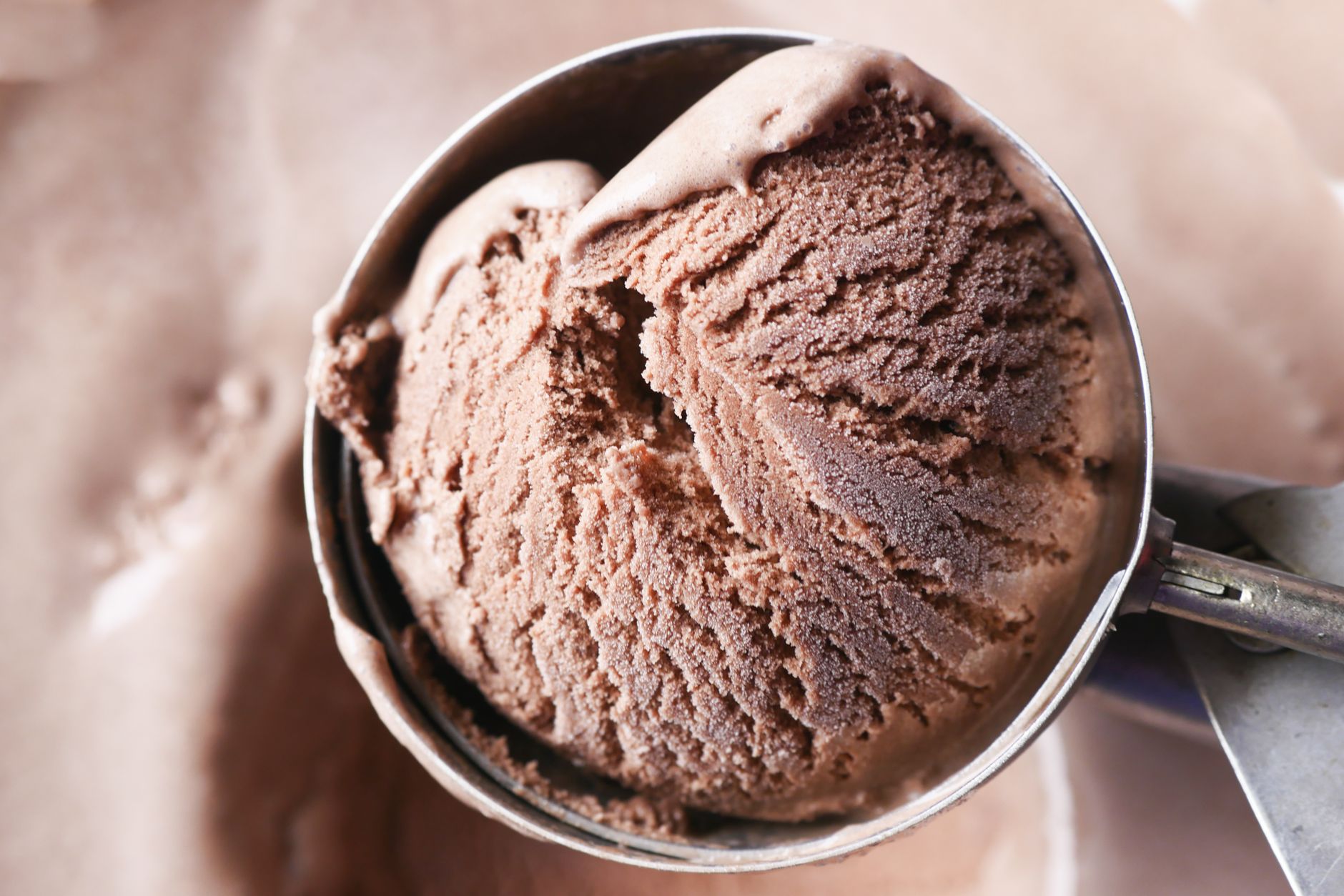
Anytime you crave a cool chocolate treat! This ice cream shines on warm afternoons but also comforts after dinner. For best texture and flavor, serve 510 minutes after taking it out of the freezer to slightly soften.
Can I Make This Chocolate Ice Cream Without Eggs or a Machine?
Absolutely. This recipe is egg-free by design. Without a machine, use the no-churn freezing and stirring technique described earlier. It may take longer but produces creamy results.
Whats the Difference Between Condensed Milk and Heavy Cream Here?
Condensed milk serves as the sweetener and thickener, while heavy cream adds fat and aeration. Both work together to create smooth texture and rich taste.
How Long Does Homemade Chocolate Ice Cream Keep in the Freezer?
Stored correctly, up to 1 month is ideal for best texture and flavor. Beyond that, ice crystals and freezer burn may develop.
Can I Use Low-Fat or Plant-Based Milk Instead of Whole Milk?
This recipe doesnt use whole milk, but if you try substituting with low-fat or plant-based milks in the cream base, expect a thinner texture and less creaminess. Adjust whipping and sweetener accordingly.
Whats the Best Way to Soften Frozen Ice Cream Before Serving?
Just let it sit on the counter for 510 minutes to soften without melting. Avoid microwaving, which can make texture uneven.
More Recipes Youll Love
If you enjoy rich homemade desserts, this French onion frittata 18025461 offers savory comfort with simple ingredients and classic flavor.
Looking for something healing and warm? Try this cozy Soup for cold and flu vegetarian thats packed with immune-boosting veggies and bold spices.
Conclusion
This easy chocolate ice cream recipe opens the door to luscious homemade indulgence without fuss. Its creamy texture and rich flavor come from straightforward ingredients and simple steps you can master. Why not save this recipe and try it soon? Share your sweet success or any twists you create in the comments below.
FAQs
When is the best time to eat easy chocolate ice cream recipe?
The best time to enjoy this easy chocolate ice cream recipe is on warm afternoons or as a comforting after-dinner treat. For optimal texture and flavor, serve 5 to 10 minutes after removing it from the freezer to allow slight softening.
Can I make this chocolate ice cream without an ice cream maker?
Yes, you can make this recipe without a machine by freezing the base in a shallow pan and stirring every 30 minutes to break up ice crystals. This no-churn method takes longer but yields a creamy, smooth texture.
Why does this recipe not use eggs, and how does it stay creamy?
This recipe skips eggs by using sweetened condensed milk, which adds thickness and sweetness, and whipped heavy cream to trap air. Together they create a smooth, creamy texture without the need for custard or eggs.
How can I adjust the sweetness or chocolate intensity in this recipe?
To reduce sweetness, use 1–2 tablespoons less condensed milk and slightly increase cocoa powder. For stronger chocolate flavor, add a tablespoon of instant espresso powder or melt bittersweet chocolate into the base before mixing.
How should I store homemade chocolate ice cream to keep it fresh?
Store homemade ice cream in an airtight container with a sheet of parchment paper pressed on the surface to prevent ice crystals. Keep it in the coldest part of the freezer, ideally at 0°F (-18°C), and consume within 2 weeks for best quality.