Introduction
Mastering tender and creamy beans starts with cooking beans in dutch oven using gentle heat. This traditional technique unlocks deep, rich flavor that stovetop pots struggle to match. Slow baking beans enhances their natural sweetness, creating a velvety texture youll love. Whether youre preparing vegan dutch oven beans or a hearty side dish, soaking beans before baking is a key step you cant skip.
Flavor & Texture Science
How Dutch Oven Baking Transforms Beans
The slow baking technique in a dutch oven surrounds beans with even heat, breaking down starches softly. This process keeps the beans intact while turning them creamy and tender. The cast iron lid traps moisture, softly caramelizing bean skins and coaxing out sweet, earthy aromas. Unlike quick stovetop cooking, this method gradually builds richness with every hour.
This approach avoids common bean cooking mistakes like splitting skins or gummy centers. Theres a beautiful balance of softness and bite thats hard to replicate any other way.
Who Benefits Most
Perfect for All Skill Levels and Diets
Anyone who loves wholesome, hands-on cooking will enjoy this oven-baked bean recipe. Beginners find the straightforward steps easy to follow. Seasoned cooks appreciate how customization lets them tailor beans to any flavor profile. The recipe naturally suits vegan and gluten-free diets thanks to simple, plant-based ingredients.
Slow baking is a great method for kitchen routines that embrace intentional meal prep. Beans become comfort food you can count on.
Recipe Highlights
Why Baking Beans in Dutch Oven Works
- Even heat: Provides uniform cooking that softens beans thoroughly without mushing.
- Flavor depth: Slow caramelization enhances bean sweetness and adds savory notes.
- Texture balance: Tender insides with skins that hold their shape nicely.
Plus, this method is very versatile. You can swap navy beans for black beans or mix in various spices. Its a blank canvas that adjusts easily to your taste.
Those learning from common bean cooking mistakes include opening the oven too often or under-soaking beans. These habits cause dryness or bitterness. Keeping the oven door closed and soaking beans before baking solves those issues well.
Ingredients & Preparation
| Prep time | Total time | Servings | Calories | Diet tags |
|---|---|---|---|---|
| 20 minutes | 2 hours 50 minutes | 6 | 220 per serving | Vegan, Gluten-Free, Dairy-Free |
Complete Ingredient List
- 1 cups dried navy beans or pinto beans (soaked 8 hours)
- 6 cups filtered water or vegetable broth
- 1 small onion, diced (or shallots)
- 3 cloves garlic, minced (or garlic powder)
- 1 tsp smoked paprika (optional regular paprika)
- 1 tsp sea salt (to taste after baking)
- tsp black pepper
- 2 tbsp olive oil or vegan butter
- Optional: splash of apple cider vinegar or lemon juice
Essential Equipment
A 56 quart dutch oven with a tight-fitting lid is ideal. The heavy cast iron ensures even heat distribution and moisture retention. You can use a heavy oven-safe pot but expect slight timing differences. Avoid thin metal pots as they heat unevenly and risk scorching beans.
Choosing Quality Ingredients
Organic dried beans improve flavor and reduce pesticide exposure. Fresh onions and garlic add a more vibrant aroma than powders, but powders speed prep. Use vegetable broth for richer taste, or filtered water for a cleaner bean flavor.
Step-by-Step Instructions
Step 1 Soak and Prep Beans
Rinse your dried beans under cold water until clear. Soak them in plenty of water for at least 8 hours or overnight to rehydrate fully. Drain. Dice the onion into small, even pieces and mince garlic finely. Theres no need to peel the onion.
Step 2 Bake Beans in Dutch Oven
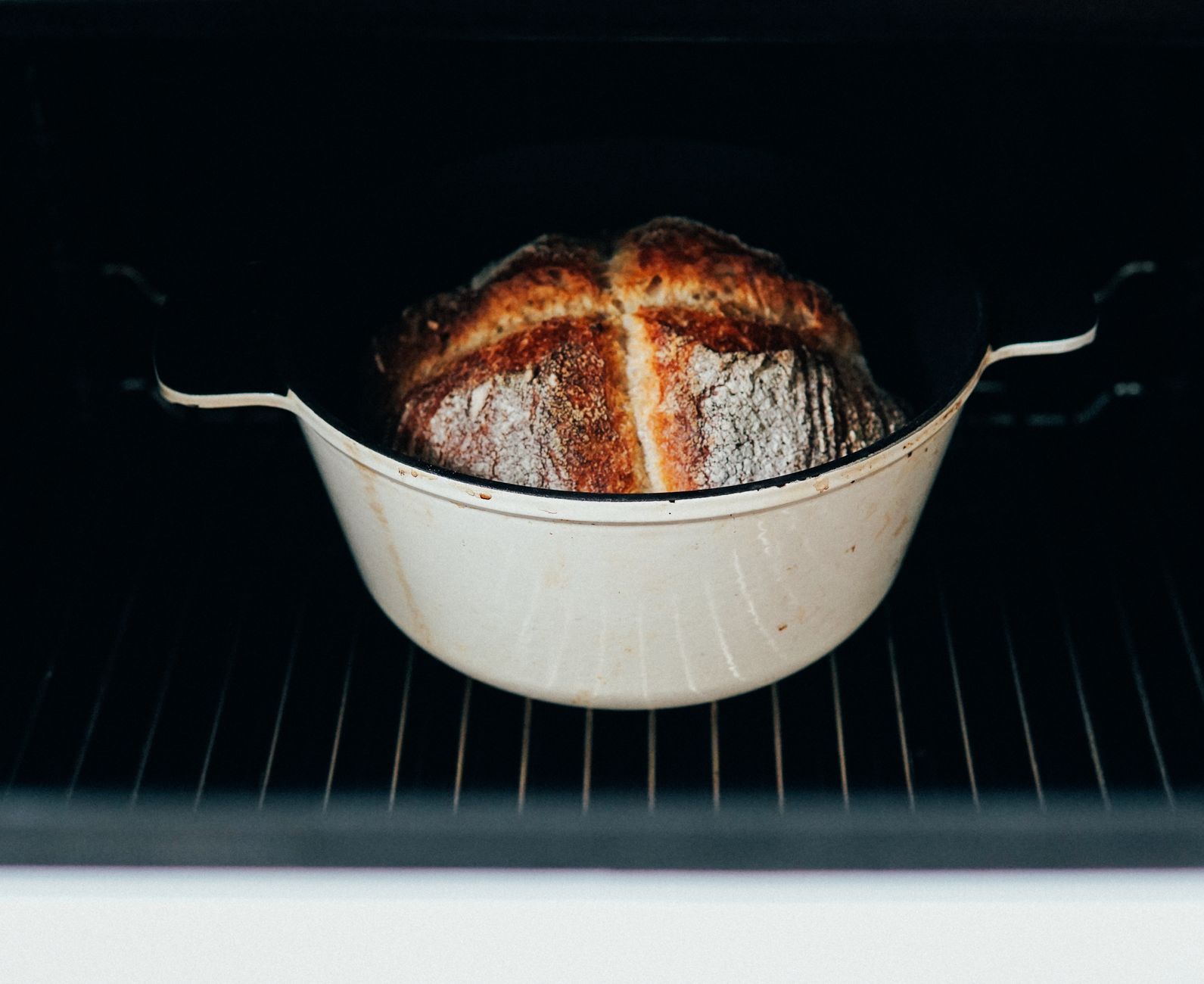
Preheat your oven to 325F (160C). Place the soaked beans, broth or water, diced onion, minced garlic, smoked paprika, olive oil, and black pepper into the dutch oven. Cover with the lid tightly. Bake undisturbed in the preheated oven for 2 hours and 30 minutes. Avoid opening the lid frequently to keep moisture sealed in.
Step 3 Final Seasoning
Remove the pot carefully from the oven. Stir in the sea salt to tasteits best added now to prevent drying out beans during cooking. Adjust pepper if desired. To brighten the beans, add a splash of apple cider vinegar or fresh lemon juice just before serving.
Step 4 Serve or Store
Serve these beans warm alongside grains, salads, or breads. Cool the leftovers to room temperature, then transfer to airtight containers. Store in the refrigerator for 45 days or freeze in portioned containers for up to 3 months.
Variations & Substitutions
Flavor Twists
Add a chipotle pepper in adobo sauce while baking for smoky heat. Fresh herbs like thyme or rosemary stirred in during the last 10 minutes add an earthy layer. For a subtle sweetness, toss in a diced carrot at the start of baking.
Ingredient Swaps
Use coconut oil instead of olive oil for a tropical note. Try different vegetable broths infused with herbs or mushrooms for new dimensions. If pressed for time, canned beans can substitute dried onesjust reduce liquid by half.
Adjusting Taste Profiles
Reduce smoked paprika and black pepper for a milder profile. To enrich flavors, increase olive oil slightly and stir in a teaspoon of tomato paste midway through baking.
Storage & Shelf Life
Refrigerate
Store cooled beans in sealed glass or BPA-free containers. They stay fresh for 45 days refrigerated. When reheating, add a splash of water and warm gently to avoid drying out.
Freeze
Freeze portions in airtight containers or freezer bags for up to 3 months. Using ice cube trays for individual servings makes thawing easier. Thaw overnight in the fridge, then reheat on the stove or microwave.
Make-Ahead Tips
Batch cook by doubling or tripling the recipe. Date and label your containers clearly. Flat-pack freezer bags are space savers and speed thawing. Portion beans in single servings to avoid multiple reheatings.
Pro Tips & Troubleshooting
Techniques for Perfect Beans
Gently stir beans only once halfway through cooking to keep skins intact. Quickly wipe spills of paprika or onion juice to prevent stubborn stains on counters and hands. Use fresh garlic to avoid bitterness or burnt flavors. If beans appear dry, add warm brothcold water cools the cooking process.
Common Issues Fixed
If beans are still firm after baking, cover and bake an additional 1530 minutes. Under-soaked beans cause bitterness; soak thoroughly beforehand. Avoid frequent lid lifting to keep moisture consistent and prevent drying.
Expert Upgrade
Add a pinch of freshly ground black pepper along with smoked paprika. According to chefs, this pairing unlocks aromatic compounds, producing a richer, more complex bean flavor that surprises guests.
When is the best time to eat dutch oven beans?
Dutch oven beans make an excellent lunch or dinner choice. Pair with grains or salads for a balanced meal thats gentle on digestion. Their hearty protein and fiber content helps sustain your energy levels through busy afternoons or relaxing evenings.
Can I make a big batch ahead of time?
Yes, this oven-baked bean recipe freezes well up to 3 months. Prepare in larger quantities, cool completely, and store in airtight containers. Portion before freezing for convenient meals later.
Dried beans or canned beans which is better?
Dried beans offer superior texture and flavor when cooked properly in a dutch oven. Canned beans save time but tend to be softer and less rich in taste. Choose dried beans when possible for best results.
Are dutch oven beans safe for pregnant women or children?
Fully cooked beans are generally safe for pregnant women and children. Be sure to cook beans thoroughly to reduce digestive discomfort. Those with sensitivities should consult a healthcare professional.
How often can I eat dutch oven beans?
You can enjoy these beans multiple times a week as part of a balanced diet. Adjust portion sizes if you notice gas or bloating. This recipe provides wholesome nutrition with gentle slow baking.
Why do my beans sometimes taste bitter?
Bitterness often results from under-soaking, burnt spices, or garlic. Always soak beans for at least 8 hours. Use fresh garlic and low heat to prevent bitterness.
What pairs well with dutch oven beans?
Enjoy these beans alongside cornbread, roasted vegetables, or a crisp green salad. Drinks like iced herbal teas or a light red wine complement the earthy bean flavors.
For those exploring new meal ideas, cowboy dutch oven recipes offer hearty, flavorful options that build on this baking style. Check them out for inspiration on your next cookout here.
More Recipes You Will Love
Pair your beans with something fresh like oven-roasted seasonal vegetables. Their crisp texture balances the creamy beans perfectly.
For a different bean-based dish, try the vegan chili with beans and quinoa. Its rich, hearty, and just as satisfying.
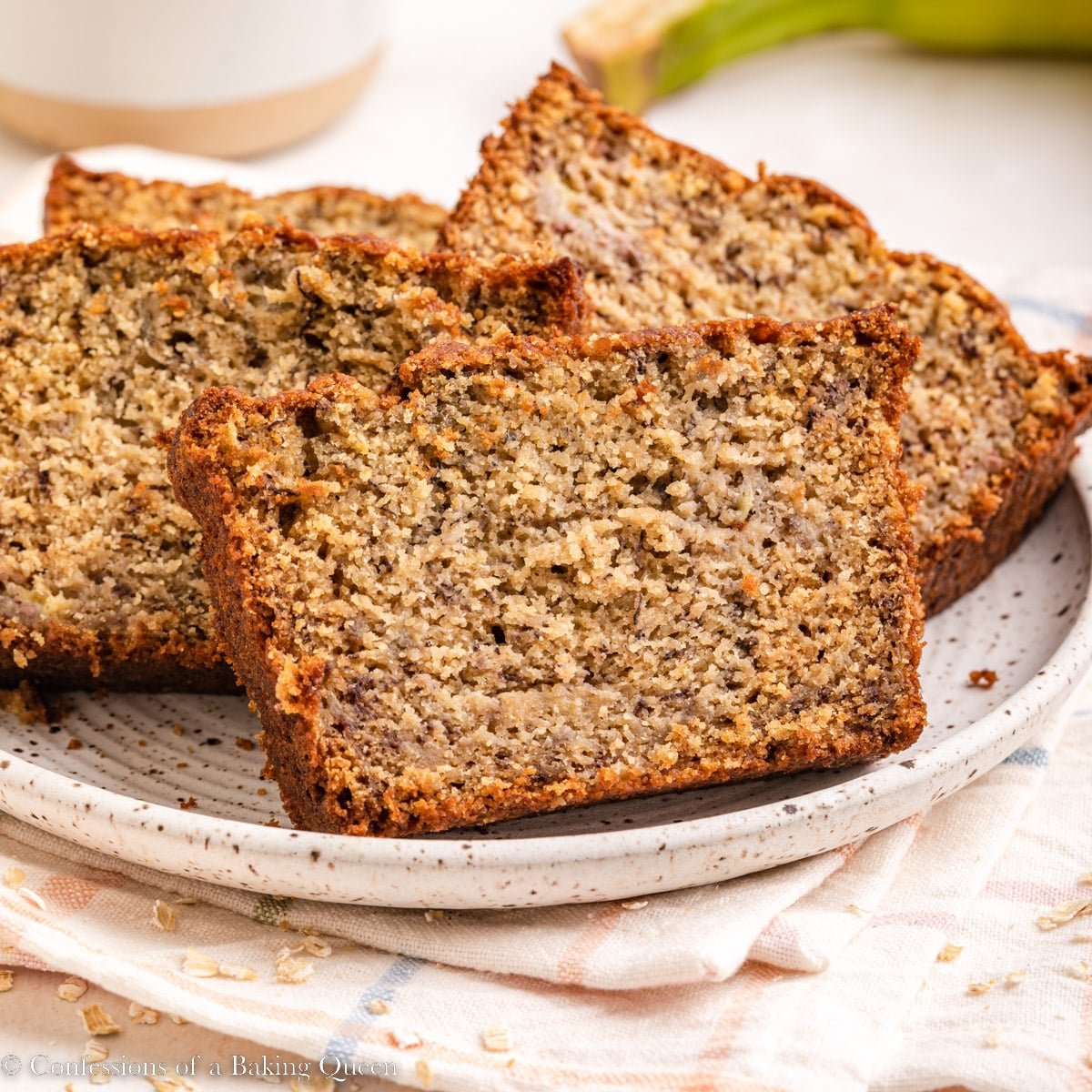
Need a sweet finish? The 4 ingredient banana bread is a simple, moist treat with wholesome ingredients.
Conclusion
Dutch oven beans deliver rich flavor and creamy texture through patient, even baking. This recipes simple ingredients and clear steps make slow baking easy at home. Give it a try and enjoy the aroma filling your kitchen. Share your thoughts or star rating below, and explore related recipes for more cozy meal ideas.
FAQs
When is the best time to eat dutch oven beans?
Dutch oven beans are ideal for lunch or dinner. Their hearty protein and fiber content provide lasting energy, making them great for balanced, filling meals that are gentle on digestion.
Can I make a big batch of dutch oven beans ahead of time?
Yes, you can batch cook and freeze dutch oven beans for up to 3 months. Store in airtight containers after cooling, and portion for convenient meals to reheat later.
Are dried beans better than canned for dutch oven cooking?
Dried beans yield better texture and richer flavor when slow baked in a dutch oven. Canned beans save time but are softer and less flavorful. For the best results, use dried beans.
Are dutch oven beans safe for pregnant women and children?
Fully cooked dutch oven beans are generally safe for pregnant women and children. Ensure beans are thoroughly cooked to reduce digestive discomfort. Consult a healthcare professional if in doubt.
Why do my dutch oven beans sometimes taste bitter?
Bitterness usually comes from under-soaking beans, burnt spices, or garlic. Soak beans for at least 8 hours and use fresh garlic cooked on low heat to avoid bitter flavors.