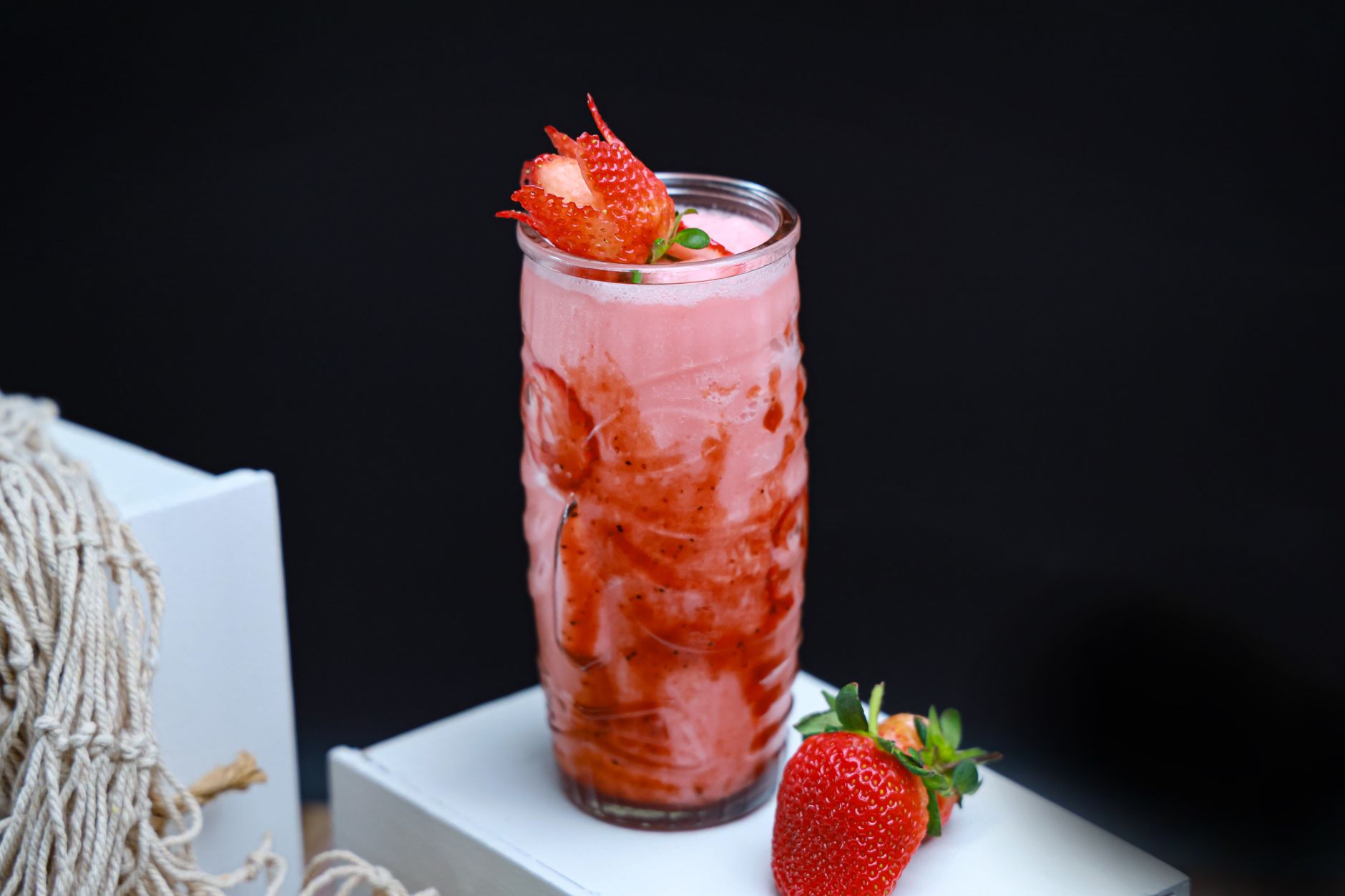
Feeling like smoothies can‘t be both tasty and diabetes-friendly? Think again. These diabetic smoothie recipes blend fresh, wholesome ingredients that smoothly balance blood sugar without compromising on flavor. Whether you need a quick breakfast, a mid-afternoon snack, or a post-workout refuel, these blends are designed with your health and palate in mind.
Why They Work
What Makes a Smoothie Diabetes-Friendly?
A diabetic smoothie isnt just low in sugar; it thoughtfully combines fiber, protein, and healthy fats to slow carbohydrate absorption. By using low-glycemic fruits and vegetables, these recipes prevent blood sugar spikes. The right mix fuels your body steadily, offering sustained energy and reduced cravings.
Balanced Blood Sugar and Taste
Keeping blood sugar stable doesnt mean bland smoothies. Imagine creamy avocado, tangy Greek yogurt, and cinnamon‘s warm aroma melding together. These ingredients add richness and natural sweetness, preventing the need for added sugars.
Key Nutrients and Benefits
- Fiber: Found in greens and berries, it aids digestion and moderates glucose absorption.
- Protein: Greek yogurt, nuts, or protein powders offer satiety and help repair muscle.
- Healthy fats: Avocado, chia seeds, and nut butters slow digestion and improve heart health.
- Antioxidants: Blueberries and spinach combat inflammation linked to diabetes complications.
Ingredients Guide
| Prep time | Total time | Servings | Calories | Diet tags |
|---|---|---|---|---|
| 10 minutes | 10 minutes | 2 | 180220 kcal | Low-sugar, gluten-free, vegetarian |
Fruits and Vegetables That Keep Sugar Low
Stick to berries like blueberries, blackberries, and strawberriesthey taste sweet but have a low glycemic load. Leafy greens such as spinach and kale add volume without calories or carbs. Avoid high-sugar fruits like mango or banana in large amounts; instead, use small portions to add creaminess or sweetness.
Protein and Healthy Fats
Protein options like plain Greek yogurt, unsweetened plant-based yogurts, or protein powders work wonders. For fats, avocado, chia seeds, flaxseeds, and almond butter enrich texture and support blood sugar control.
Sweetener Choices
If you want to sweeten your smoothie, opt for natural zero-calorie options like stevia or monk fruit. Avoid honey and maple syrup, which can spike glucose levels. Sometimes a pinch of cinnamon or vanilla extract tricks the palate into perceiving sweetness without added sugars.
Allergy-Friendly Substitutions
If you‘re allergic to nuts, swap almond butter with sunflower seed butter. For dairy sensitivities, coconut or oat yogurt are excellent creamy substitutes. These alternatives keep nutrition intact without sacrificing the smoothies texture.
Preparation Tips
Preparing Ingredients for Best Texture
Wash leafy greens and berries thoroughly. Remove stems from berries and tough kale ribs for smoother blends. Pre-slice avocado to prevent browning by adding lemon juice, maintaining a vibrant green color and fresh flavor.
Order of Adding Ingredients
Start with liquids like unsweetened almond milk to help blades spin. Then add protein and fats, followed by greens and fruit. Topping it off with ice or frozen fruit helps chill and thicken the mix evenly.
Common Mistakes to Avoid
- Using too much fruit causing an overly sweet, high-carb smoothie
- Over-thinning by adding excessive liquid, resulting in watery texture
- Blending for too long, which heats the mix and dulls fresh flavors
Blender Settings and Times
Blend on high speed for exactly 45 seconds to achieve a creamy consistency. If chunks remain, pulse two or three times more (2 seconds each) instead of a long continuous blend.

Variations and Swaps
Vegan and Dairy-Free Options
Swap Greek yogurt for coconut or soy yogurt for a creamy but plant-based option. Use vegan protein powders such as pea or rice protein to maintain smooth texture and muscle-building benefits.
Gluten-Free and Low-Carb Alternatives
These recipes are naturally gluten-free. To reduce carbs further, emphasize leafy greens and limit fruit portions. Introduce vegetables like cucumber or zucchini as neutral flavor bases.
Weight Loss and Increased Protein Needs
For extra protein, add half a scoop of unflavored or vanilla protein powder. To boost fullness while cutting calories, incorporate fiber-rich chia seeds or psyllium husk without affecting flavor.
Need more ideas tailored for diabetes? Check out this smoothies for diabetics type 2 recipes pdf for downloadable inspiration.
Serving and Pairing
Best Times to Enjoy
Morning or mid-afternoon are ideal. These diabetic smoothies curb hunger and prevent blood sugar dips before meals. They also make gentle post-exercise refuel drinks.
Pairing Suggestions
Serve alongside a handful of nuts or a slice of whole-grain toast with avocado. This combination balances macro-nutrients for sustained energy.
Healthy Garnishes
Top with freshly crushed nuts, unsweetened shredded coconut, or a sprinkle of cinnamon. These add a satisfying crunch or warm spice without sugar or carbs.

Storage and Prep
Storing for Freshness
Refrigerate smoothies in airtight containers and consume within 48 hours for best flavor and nutrient retention. Shake well before drinking to remix any separation.
Freezing and Thawing
Freeze smoothie packs in individual portions without liquids for up to 1 month. Blend frozen ingredients with fresh liquid on the spot to enjoy fresh taste and texture.
Make-Ahead Smoothie Packs
Assemble fruit, greens, and seeds in freezer bags for quick mornings. When ready, add liquid and blend for 45 seconds at high speed.
Pro Tips
Enhancing Color and Flavor
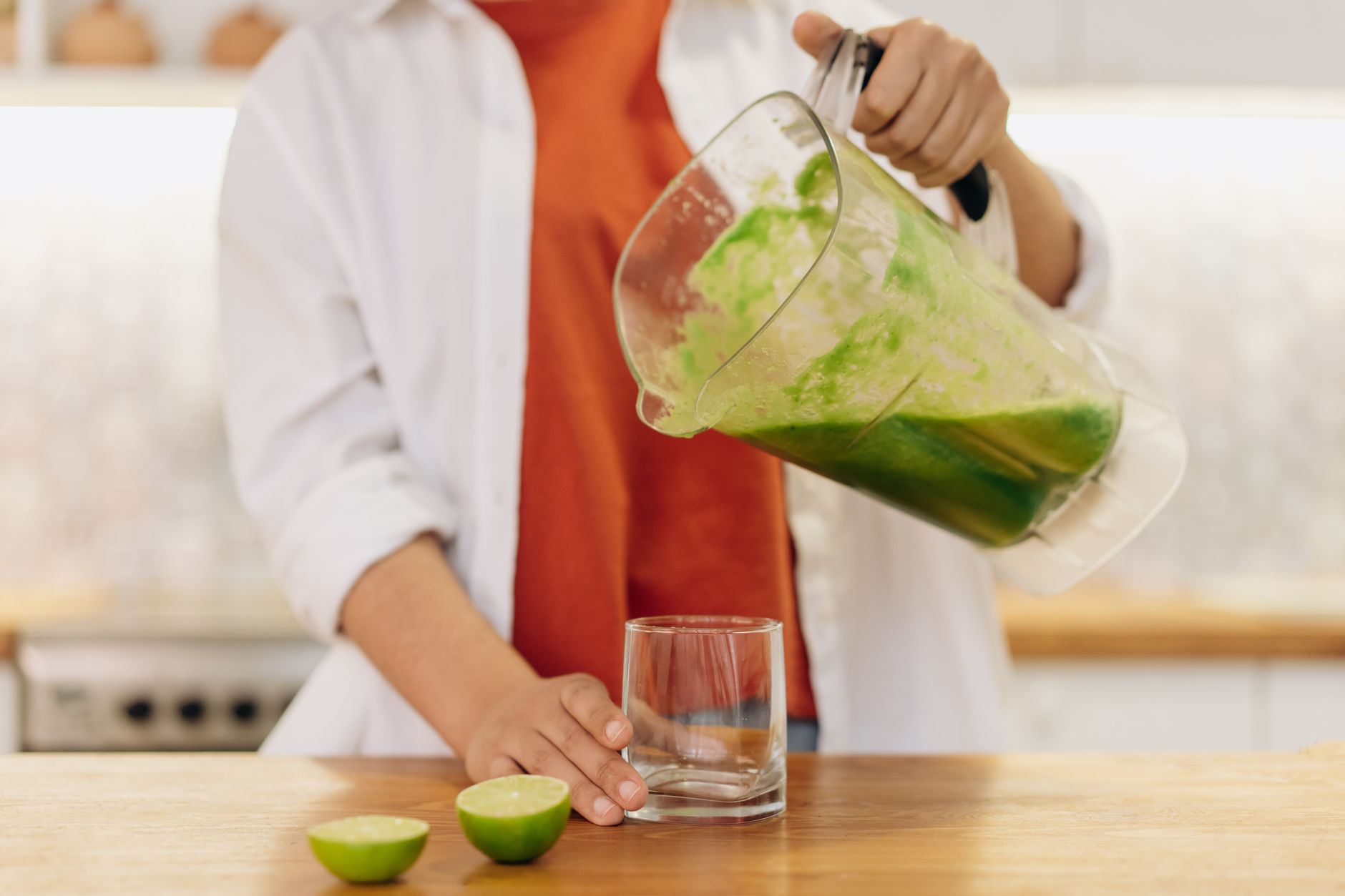
Add a small amount of lemon or lime juice early in the blending process to brighten flavors and prevent oxidation.
Extracting Maximum Nutrition
Soak chia or flaxseeds in liquid for 10 minutes before blending to release nutrients and improve texture.
Balancing Sweetness
Combine tart berries with a dash of vanilla extract or cinnamon to trick your taste buds into perceiving sweetness naturally.
Avoiding Ingredient Staining
To prevent berry stains, immediately rinse your blender and utensils after use with cold water before warm rinse.
Expert Upgrades
For an anti-inflammatory boost, add a pinch of turmeric paired with black pepper, which enhances absorption, as noted in a 2023 study in the Journal of Nutritional Biochemistry.
Troubleshooting Texture
If your smoothie is too grainy, blend an additional 10 seconds, or strain through a fine mesh for extra silky consistency.
When is the best time to drink diabetic smoothie recipes?
The best time to enjoy diabetic smoothie recipes is in the morning or between meals. These smoothies provide steady energy and help prevent blood sugar drops or spikes. Drinking them around 1011 am or 34 pm can curb hunger and reduce unhealthy snacking.
Can people with type 2 diabetes safely drink fruit smoothies?
Yes, if the smoothie is carefully crafted using low-glycemic fruits, fiber, and protein. Avoid high-sugar fruits and added sugars to keep the glycemic load low. Consuming balanced smoothies can support blood sugar management for many with type 2 diabetes.
How do I reduce carbs without losing flavor?
Focus on adding fiber, protein, and healthy fats to balance natural sugars. Use tart berries, greens, and spices like cinnamon or vanilla to enhance flavor. Reducing the quantity of higher-carb fruits and replacing them with vegetables maintains deliciousness.
Are protein powders good for diabetic smoothies? Which ones?
Protein powders can be excellent additions, especially unflavored or lightly flavored pea, rice, or whey isolate proteins. They help control hunger and blood sugar levels. Always choose powders without added sugars or artificial sweeteners.
What are the best low-sugar liquids for blending?
Unsweetened almond milk, coconut milk, or plain water work best. These add creaminess or hydration without calories or carbs, helping keep the smoothie low-sugar and light.
Can these smoothies help with diabetic weight loss goals?
Absolutely. By balancing macronutrients and controlling portion sizes, diabetic smoothie recipes can promote satiety and reduce overeating. Their low glycemic impact supports steady blood sugar, which is key for weight management in diabetes.
How can I sweeten diabetic smoothies without raising blood sugar?
Use natural, zero-calorie sweeteners like stevia or monk fruit extract sparingly. Alternatively, spices like cinnamon or extracts like vanilla add perceived sweetness without sugars.
More Recipes to Try
For a fruity twist, the Fresh strawberry jam recipe 1916121 offers a vibrant, low-sugar option to enjoy alongside your smoothies.
If youre curious about dining out options while managing your blood sugar, explore the Cheesecake factory menu with prices and pictures for thoughtful meal choices.

Conclusion
These diabetic smoothie recipes prove managing blood sugar can taste wonderful and feel effortless. Test different greens, berries, and healthy fats to discover your favorite combos. Share your thoughts or custom twistswed love to hear how these blends boost your day and health.
FAQs
When is the best time to drink diabetic smoothie recipes?
The best time to enjoy diabetic smoothie recipes is in the morning or between meals, such as around 10–11 am or 3–4 pm. They provide steady energy, curb hunger, and help prevent blood sugar spikes or dips.
Can people with type 2 diabetes safely drink fruit smoothies?
Yes, if prepared with low-glycemic fruits, fiber, and protein while avoiding high-sugar fruits and added sugars. Balanced smoothies can support blood sugar management for many with type 2 diabetes.
How do I reduce carbs without losing flavor in diabetic smoothies?
Increase fiber, protein, and healthy fats while using tart berries, leafy greens, and spices like cinnamon or vanilla. Limit high-carb fruits and substitute with vegetables to maintain delicious taste.
Are protein powders good for diabetic smoothies? Which ones?
Protein powders like unflavored or lightly flavored pea, rice, or whey isolate are excellent for appetite control and blood sugar balance. Choose those without added sugars or artificial sweeteners.
How can I sweeten diabetic smoothies without raising blood sugar?
Use natural zero-calorie sweeteners like stevia or monk fruit sparingly. Alternatively, add spices such as cinnamon or vanilla extract to create a perception of sweetness without added sugars.