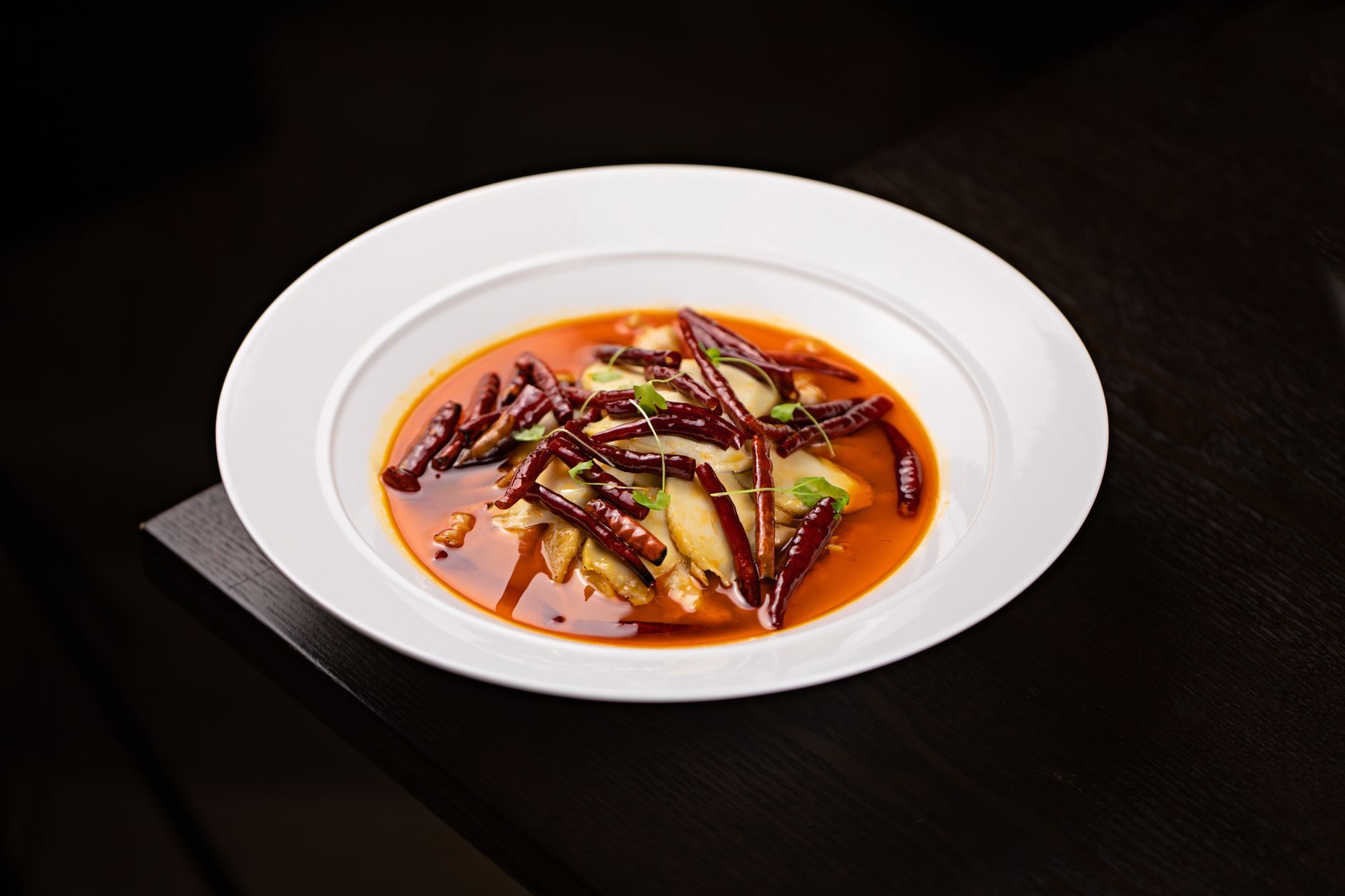
Why Chili Oil Recipe Brings Flavor to Your Kitchen
The warm, golden glow of chili oil adds a vibrant kick to any dish. Imagine the intoxicating aroma of chili-infused olive oil sizzling softly, ready to awaken your palate. This chili oil recipe captures the perfect balance between fiery heat and smooth, fruity notes from olive oil. Whether drizzled over pasta, grilled vegetables, or dipping bread, it instantly transforms everyday meals into something extraordinary. Bringing Italian flair and a touch of spice, this simple condiment lets you customize your dishes with a depth of flavor and warmth that’s both comforting and thrilling.
Health Benefits & Nutrition of Chili Oil
Chili oil does more than tantalize your taste buds—it offers several health benefits as well. Capsaicin, the compound responsible for chili peppers’ heat, has been shown to boost metabolism and promote fat oxidation (American Journal of Clinical Nutrition). This spicy component may also support cardiovascular health by improving blood flow and reducing inflammation.
The olive oil base contributes heart-healthy monounsaturated fats, known to lower bad cholesterol and raise good cholesterol levels (Harvard T.H. Chan School of Public Health). Additionally, olive oil contains antioxidants like vitamin E, supporting skin health and reducing oxidative stress.
Though chili oil is generally safe, those who are pregnant, breastfeeding, or taking blood-thinning medications should consult a healthcare provider before increasing chili intake. People sensitive to spicy foods or with gastrointestinal conditions should also moderate their consumption.
Ingredients & Preparation
Recipe Card
| Prep Time | 2 minutes |
|---|---|
| Total Time | 2 hours 7 minutes |
| Servings | 16 (2 cups total) |
| Calories per Serving | 239 |
| Diet Tags | Vegan, Gluten-Free, Dairy-Free |
Full Ingredient List
- 2 cups extra virgin olive oil
- 4 teaspoons dried crushed red pepper flakes
Equipment Needed
- Heavy-bottomed small saucepan
- Cooking thermometer
- Heatproof glass jar or bottle (4-ounce size)
- Spoon or whisk
Tips for Choosing Quality Ingredients
Select a high-quality extra virgin olive oil with a fruity, peppery aroma for a richer taste. Look for cold-pressed olive oil labeled "extra virgin" to ensure purity and flavor integrity. Opt for dried crushed red pepper flakes from reputable sources to get consistent heat and vibrant color. Fresh spice packs and avoiding pre-ground powders will preserve the oil’s flavor longevity. The better the base ingredients, the more luxurious your chili oil will taste.
Step-by-Step Instructions
Step 1: Combine Ingredients and Heat (5 minutes)
Pour 2 cups of olive oil and 4 teaspoons of crushed red pepper flakes into a heavy-bottomed small saucepan. Place over low heat. Slowly warm the oil until a thermometer registers 180°F (82°C), which should take about 5 minutes. This temperature allows the flavors to infuse without burning the spices.
Step 2: Remove from Heat and Let Cool (2 hours)
Remove the saucepan from the heat and let the oil cool to room temperature, approximately 2 hours. This slow cooling helps the chili flakes continue infusing the olive oil with their savory heat and vibrant color.
Step 3: Transfer and Seal
Using a spoon to hold back the flakes, carefully pour the oil into a clean 4-ounce glass bottle or jar. Alternatively, you can strain the chili flakes out if you prefer a clear oil. Seal tightly with a lid.
Step 4: Refrigerate
Place the sealed container in the refrigerator. For optimal freshness, use your chili oil within one month. The oil will thicken slightly when chilled but returns to liquid at room temperature.
Step 5: Use & Enjoy
Drizzle your homemade chili oil over pizzas, pastas, grilled veggies, or mix into marinades and dressings for an Italian-inspired heat boost.
Variations & Substitutions
- Mild Heat: Reduce crushed red pepper flakes to 2 teaspoons for a subtler kick.
- Smoky Flavor: Substitute half the olive oil with toasted sesame oil to add a smoky, nutty depth.
- Garlic Infused: Add 2 thinly sliced garlic cloves to the oil before heating. Remove after cooling to avoid bitterness.
- Spicy Herb Blend: Toss in a sprig of fresh rosemary or thyme while heating for a fragrant herbal twist.
Storage & Shelf Life
Store your chili oil in the refrigerator for up to 1 month. Make sure the container is tightly sealed to prevent absorption of odors. The oil may thicken in cold temperatures but will liquefy upon returning to room temperature.
Freezing chili oil is generally not recommended as the texture and flavor may degrade. Instead, prepare smaller batches to maintain freshness.
Be on the lookout for cloudy oil, off smells, or mold formation—these are signs the oil has spoiled and should be discarded.
Pro Tips for Perfect Chili Oil
- Maintain a low temperature (around 180°F) to gently extract flavors without burning the chili flakes, ensuring rich color and balanced heat.
- Use a heavy-bottomed saucepan to distribute heat evenly and prevent hot spots.
- For a clearer oil, strain out solids after cooling. Leaving flakes in adds bold flavor but will intensify over time.
- To avoid chili stains on your hands or surfaces, handle flakes carefully and wash utensils promptly.
When is the best time to use Chili Oil Recipe?
Chili oil shines as a finishing touch right before serving. Drizzle it on warm pasta, roasted vegetables, or fresh bread to unlock its full aroma and vibrancy. It can also be stirred into dipping sauces or soups for a zesty contrast. Use it any time you want a splash of heat and flavor.
Can I adjust the spiciness of the chili oil?
Absolutely. Adjust the amount of crushed red pepper flakes to your heat preference. For milder oil, use fewer flakes or substitute with sweet paprika. For extra spice, add a pinch of cayenne or use hotter chili varieties.
Is it safe to store chili oil at room temperature?
Because this recipe contains no fresh ingredients like garlic or herbs, you can store it at room temperature in a dark spot for up to two weeks. For longer storage, refrigeration up to one month is safest to prevent rancidity and spoilage.
Can I make chili oil with other oils besides olive oil?
Yes, oils with neutral or mild flavors like vegetable, canola, or grapeseed oil can be used. However, olive oil adds a distinctive fruity, peppery undertone essential to Italian-style chili oil.
Does the flavor improve over time?
The oil deepens in flavor as the chili flakes infuse during the cooling period and shortly after. However, extended storage can lead to bitterness or rancid flavors, so enjoy within one month for best taste.
Can I reuse the chili flakes for a second batch?
It’s best to use fresh chili flakes for each batch. The flakes lose potency after one use, resulting in a less flavorful oil.
What dishes pair best with chili oil?
Chili oil complements a wide range of Italian dishes, including pasta, pizza, bruschetta, and antipasti. It also adds exciting heat to grilled meats, seafood, and roasted veggies.
More Recipes You Will Love
If you enjoy the bold flavor of chili oil, you might also love Evelyn‘s favorite pasta cheesecake factory, a creamy and comforting pasta dish with a spicy twist. For a sweet balance, try the Crispy Italian almond cookies that bring a delightful crunch and nutty sweetness to your dessert table. Both recipes offer authentic Italian inspiration to round out your culinary repertoire.
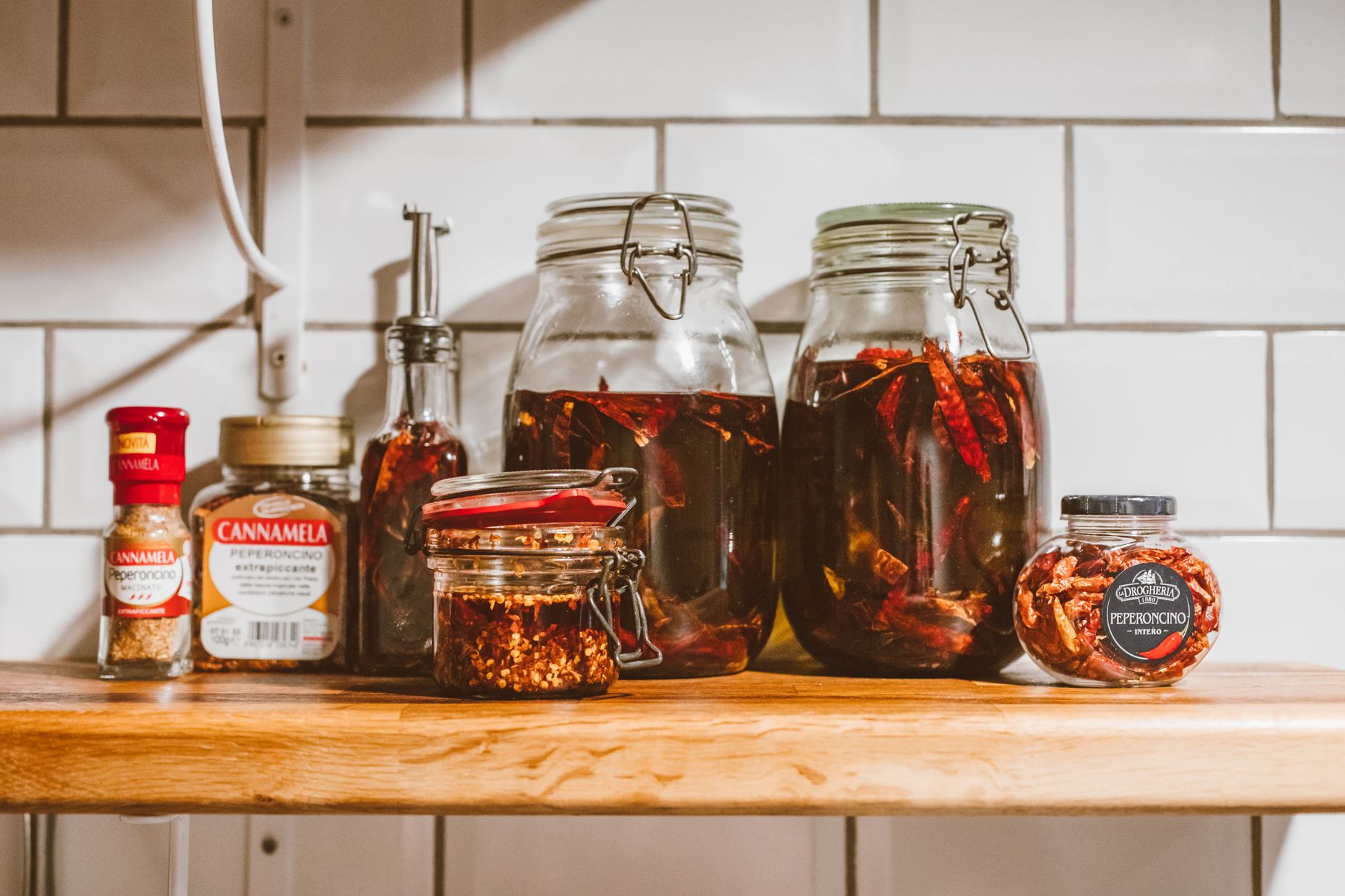

Conclusion
This chili oil recipe brings golden heat and vibrant aroma to your kitchen with minimal effort. By infusing quality olive oil with crushed red pepper flakes, you gain a versatile condiment rich in flavor and health benefits. Perfect for drizzling, dipping, or cooking, it adds a warm Italian flair to countless dishes. Feel free to share your experiences, rate the recipe, or leave a comment on how you use your chili oil—I’d love to hear what you create in your kitchen!
FAQs
When is the best time to use Chili Oil Recipe?
The best time to use chili oil is when you want to add a spicy, flavorful kick to your meals. It pairs beautifully with pasta, grilled vegetables, bread dips, and salads. Use it as a finishing touch or mix it into sauces for an extra layer of heat and depth.
How long does homemade chili oil last?
Properly stored in a sealed container and refrigerated, homemade chili oil typically lasts up to one month. Always check for any off smells or signs of spoilage before use, and keep it refrigerated to maintain freshness and flavor.
Can I adjust the heat level in this chili oil recipe?
Yes, you can easily adjust the spiciness by varying the amount of crushed red pepper flakes used. Use less for a milder oil or increase for extra heat. You can also experiment with different types of chili flakes for unique flavors and heat intensities.
Is this chili oil recipe suitable for all diets?
This chili oil recipe is vegan, gluten-free, and dairy-free, making it suitable for many dietary preferences. However, individuals sensitive to spicy foods or with specific health conditions should consume it moderately or consult a healthcare provider.
Can I use oils other than olive oil in this recipe?
While extra virgin olive oil provides distinct fruity and peppery notes ideal for Italian-style chili oil, you can substitute with neutral oils like grapeseed or sunflower oil. Keep in mind this will change the flavor profile and possibly the health benefits.