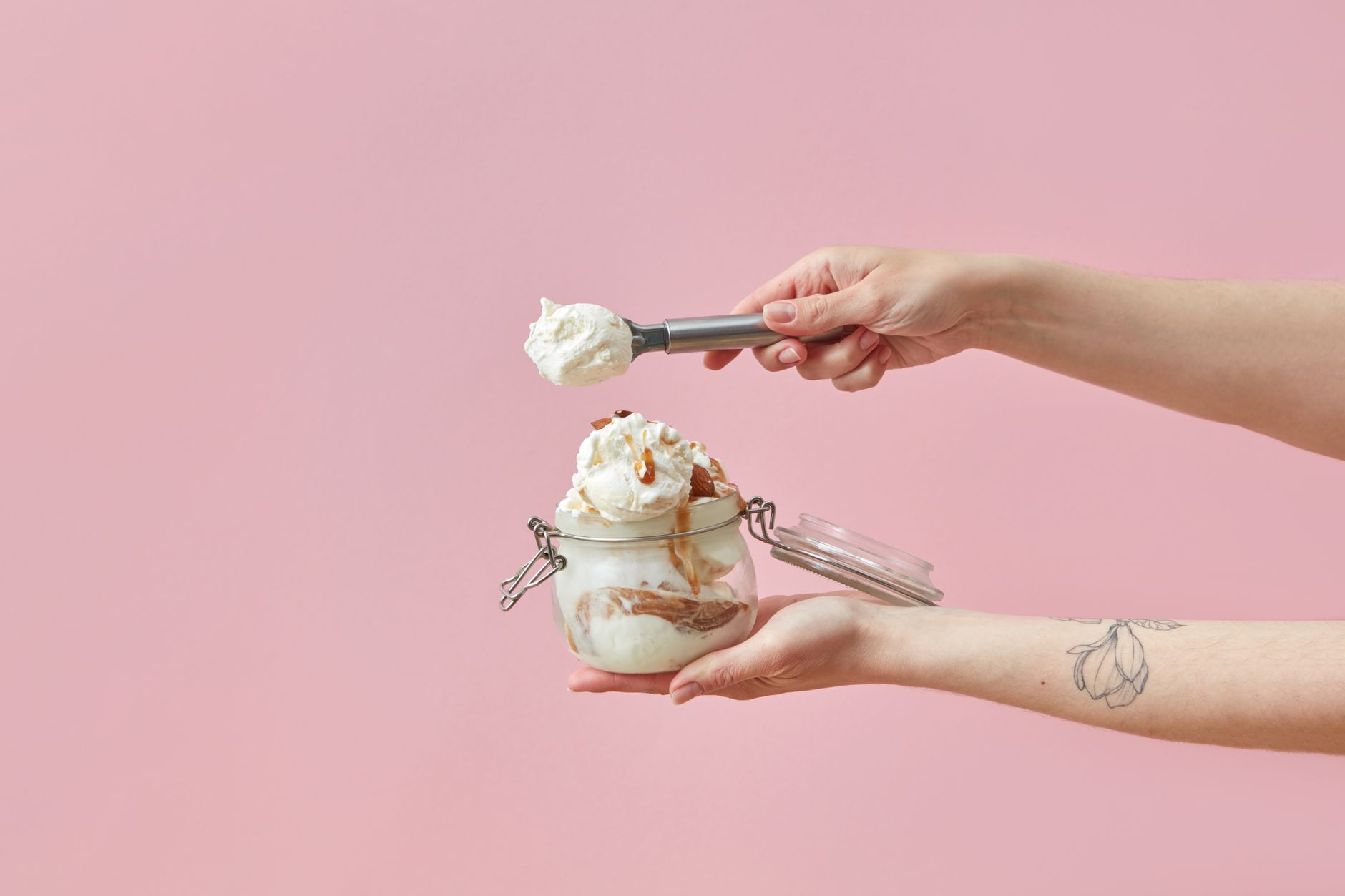
Theres something irresistible about a rich, creamy vanilla ice cream made from scratch using eggs. This vanilla ice cream recipe with eggs creates a luscious custard base that delivers unmatched texture and flavor. The eggs contribute to the creamy mouthfeel while adding a subtle, velvety depth that you wont find in no-egg versions. If youve ever wondered why custard-style ice cream feels so indulgent, this recipe will show you exactly how eggs transform a simple scoop into an absolute treat.
Why This Recipe Works
What Does Eggs Add to Vanilla Ice Cream?
Eggs, specifically the yolks, act as natural emulsifiers. They bind together fat and water in the mixture, preventing ice crystals from forming during freezing. This makes the ice cream incredibly smooth rather than icy or coarse. The yolks also contribute a richer color and a custardy flavor that brightens the vanilla notes, resulting in a luxurious texture and taste thats difficult to replicate without eggs.
How Custard Base Creates Creamy Texture and Rich Flavor
Cooking the egg yolks with cream and sugar creates a custard, gently thickening the mixture before it freezes. This cooking step allows the starch-like proteins in the yolks to unfold and trap liquid, adding silkiness. The result is an ice cream that melts gracefully on your tongue with a creamy, dense body. The slow heating brings out complex vanilla aromas as well, making every spoonful remarkably flavorful.
Why This Recipe Uses an Old-Fashioned Method with Raw Eggs (and How to Do It Safely)
Some traditional recipes use raw or lightly cooked eggs for classic texture, but theres always concern about safety. This recipe cooks the custard base to at least 170F (77C), which is enough to safely pasteurize the egg yolks while preserving their richness. Using fresh, clean eggs and heating carefully eliminates risks. This technique maintains the signature silky texture while keeping the ice cream perfectly safe for your family to enjoy.
Ingredients and Key Notes
| Prep time | Total time | Servings | Calories | Diet tags |
|---|---|---|---|---|
| 15 minutes | 4 hours (including chilling) | 6 servings | 280 per serving | Gluten-free, Vegetarian |
What Eggs to Use? Understanding Egg Yolks vs. Whole Eggs in Ice Cream
For the creamiest ice cream, use only egg yolks. They provide richness and emulsifying power without adding too much water, which can make ice cream icy. Whole eggs introduce extra whites that may alter texture. Use fresh, large eggs for best results. Separate yolks carefully to avoid any bits of white, which can affect custard consistency.
Essential Dairy: Choosing Milk and Cream
The fat content in cream is vital for a smooth mouthfeel. A combination of whole milk and heavy cream balances richness with a light finish. Using cream with at least 36% fat ensures a custard that freezes well and feels luxurious. Whole milk adds body without overwhelming heavinessperfect for ice cream thats creamy but not cloying.
The Role of Sugar and Vanilla: Extract vs. Vanilla Bean
Sugar not only sweetens but lowers the freezing point, keeping ice cream soft. Use fine granulated sugar for even dissolving. For vanilla, pure vanilla extract is convenient, but real vanilla bean pods take the flavor to another level with earthy, aromatic depth. If youre after intense vanilla aroma, scraping the seeds from a bean pod is worth the extra effort.
Possible Ingredient Substitutions and Where to Find Quality Items
If you prefer, you can substitute half-and-half for some cream to reduce fat slightly. Organic eggs and dairy elevate flavor and freshness noticeably. Vanilla beans are available in many grocery stores and markets. For pure vanilla extract, select brands with minimal additives for clean taste.
You might also enjoy this old fashioned homemade ice cream recipe with raw eggs to compare traditional methods.
Step-by-Step Instructions
Preparing the Custard Base: Tempering Eggs Safely without Curdling
- In a medium saucepan, heat 2 cups heavy cream and 1 cup whole milk over medium heat until it reaches 170F (77C), just before simmering.
- In a separate bowl, whisk 6 large egg yolks with cup granulated sugar until pale and thick.
- Slowly drizzle about cup of the hot cream mixture into the yolks while whisking constantly to temper the eggs.
- Gradually add the tempering mixture back into the saucepan with the remaining cream mix, stirring constantly.
Cooking the Custard to the Right Temperature
- Cook the mixture over medium-low heat, stirring constantly with a wooden spoon, until it thickens and coats the back of the spoon. Use a candy or instant-read thermometer to reach 175F (79C).
- Remove from heat immediately to avoid curdling or scrambling.
- Strain the custard through a fine-mesh sieve into a clean bowl to catch any cooked bits for a silky texture.
- Stir in 1 tablespoon pure vanilla extract or the scraped seeds from one vanilla bean pod.
Chilling and Churning
- Cover the bowl with plastic wrap, pressing it directly onto the custard surface to prevent a skin from forming.
- Chill in the refrigerator for at least 4 hours or overnight for best results.
- Once chilled, pour the custard into your ice cream maker and churn according to the manufacturers instructions, usually 2025 minutes until soft-serve consistency.
- Transfer to an airtight container and freeze for at least 2 hours to firm up before serving.
What to Do If You Dont Have an Ice Cream Maker
You can still make this vanilla ice cream recipe with eggs without a machine. Pour the chilled custard into a shallow metal tray. Freeze for 45 minutes, then stir briskly with a fork or whisk to break up ice crystals. Repeat every 30 minutes for 34 hours until creamy and scoopable. While not as smooth as churning, this method preserves custard richness well.

Variations and Dietary Swaps
How to Make Eggless Vanilla Ice Cream That Still Tastes Great
To omit eggs, substitute cup cornstarch dissolved in cold milk to replace yolk thickening. Heat gently to thicken before chilling. This results in a lighter ice cream but loses custard richness. Use an extra splash of heavy cream to compensate.
Dairy-Free and Vegan Options
Use canned coconut milk or oat milk with added coconut cream for richness. Swap yolks for silken tofu blended smooth or use commercial vegan egg replacers. Flavor intensity shifts, so enhance vanilla by doubling the extract or adding vanilla bean paste.
Lower Sugar and Keto-Friendly Adaptations
Replace sugar with erythritol or monk fruit sweeteners, testing sweetness carefully. Use full-fat cream and milk to maintain texture. Because sugar affects freezing point, expect a firmer ice cream and adjust churning time if needed.
Serving Suggestions
Classic Toppings and Mix-ins
Top your creamy vanilla ice cream with fresh berries, crushed dark chocolate, or toasted nuts for contrast. A drizzle of homemade caramel or berry coulis complements the custard base perfectly.
Pairing Ideas
Serve alongside warm apple pie or tangy lemon bars for a crowd-pleasing dessert. Vanilla custard ice cream also pairs beautifully with espresso or a rich chocolate sauce for an indulgent finish.
Presentation Tips
Scoop into chilled bowls or make neat quenelles for an elegant look. Garnish with a vanilla bean pod or fresh mint to highlight the homemade quality.

Storage and Make-Ahead Tips
Best Containers and Storage Conditions
Store your homemade vanilla ice cream in an airtight, flat container to reduce ice crystal formation. Press a piece of parchment paper directly on the surface before sealing to keep the texture creamy. Keep frozen at 0F (-18C) or below.
Can You Refreeze Softened Vanilla Ice Cream?
Refreezing is possible but may alter texture. Allow softened ice cream to firm in the freezer for at least 4 hours. Avoid repeated thawing and refreezing to prevent ice crystals and graininess.
Make-Ahead Tips
Prepare the custard base and chill up to 24 hours before churning to deepen flavors. And once churned, ice cream can be stored frozen for up to 2 weeks without loss of quality.
Troubleshooting and Pro Tips
What If My Ice Cream Is Grainy or Icy?
Graininess often means the mixture wasnt cooked to the right temperature, or the ice cream wasnt churned long enough. Ensuring the custard reaches 175F (79C) and proper chilling before churning helps prevent ice crystals.
How to Fix a Custard That Scrambled While Cooking
If the eggs scramble, immediately remove from heat and strain the mixture through a fine sieve to remove bits. Then whisk vigorously over low heat to smooth it out, but avoid reheating too long to prevent clumping.
Why Did My Ice Cream Not Freeze Properly?
Not freezing properly can be due to low fat content, insufficient churning, or freezer temperatures above 0F (-18C). Ensure your freezer is cold enough and the custard is fully chilled before churning.
Pro Tip: How to Achieve Ultra-Creamy Texture Every Time
Use a ratio of about 2 parts cream to 1 part milk and at least 6 egg yolks for richness. Always chill your base overnight for flavors to marry and ice crystals to form minimally. When churning, dont rushslowly incorporate air for a smooth texture.
More Recipes Youll Love
Try out the Gingersnap ice cream sandwiches recipe 1957061 for a fun twist on homemade ice cream treats that balance spicy cookies with creamy vanilla scoops.
If you‘re looking for a rich dessert alternative, the Lactose free basque cheesecake offers a custardy, caramelized delight without dairy worries.
When is the best time to eat vanilla ice cream recipe with eggs?
Enjoy this vanilla ice cream as a refreshing dessert after meals or as an indulgent treat on warm days. Its creamy custard base makes it perfect for savoring slowly. Its best eaten within two weeks of freezing for maximum freshness and flavor.
Can I use whole eggs instead of just egg yolks?
Using whole eggs will change the texture and color of your ice cream. Egg whites can introduce extra water and cause iciness or a thinner custard. Yolks alone give the smooth, rich consistency classic to this recipe.
Is it safe to use raw eggs in ice cream?
This recipe does not use raw eggs; the custard base is cooked to at least 170F (77C), which pasteurizes the eggs and makes it safe to consume. Avoid recipes that skip this heating step or use raw eggs directly.
How long does homemade vanilla ice cream last in the freezer?
Store homemade custard ice cream in a sealed container at 0F (-18C) or below for up to two weeks to retain its creamy texture and fresh flavor. Beyond this, ice crystals and flavor loss may occur.
Whats the difference between this and ice cream without eggs?
Ice cream without eggs tends to be lighter but less creamy, sometimes icier. Eggs create a custard that thickens before freezing, leading to smoother texture and fuller taste due to the emulsifying fats and proteins.
Do I need an ice cream maker to make this recipe?
An ice cream maker is recommended for best texture and ease but not essential. You can freeze the custard base and manually stir every 30 minutes for 34 hours to mimic churning, though results are slightly less creamy.
Can I substitute vanilla extract with vanilla bean in this recipe?
Absolutely! Vanilla bean pods provide a more intense, aromatic flavor and speckled appearance. Split and scrape the seeds into your custard, then add the pod for infusing during heating for the best depth.
Why is my ice cream too hard after freezing?
Ice cream hardness often results from too low sugar content or over-freezing. Sugar lowers freezing point, so reducing it can cause a rock-hard texture. Allow ice cream to soften at room temperature for 510 minutes before scooping for better mouthfeel.
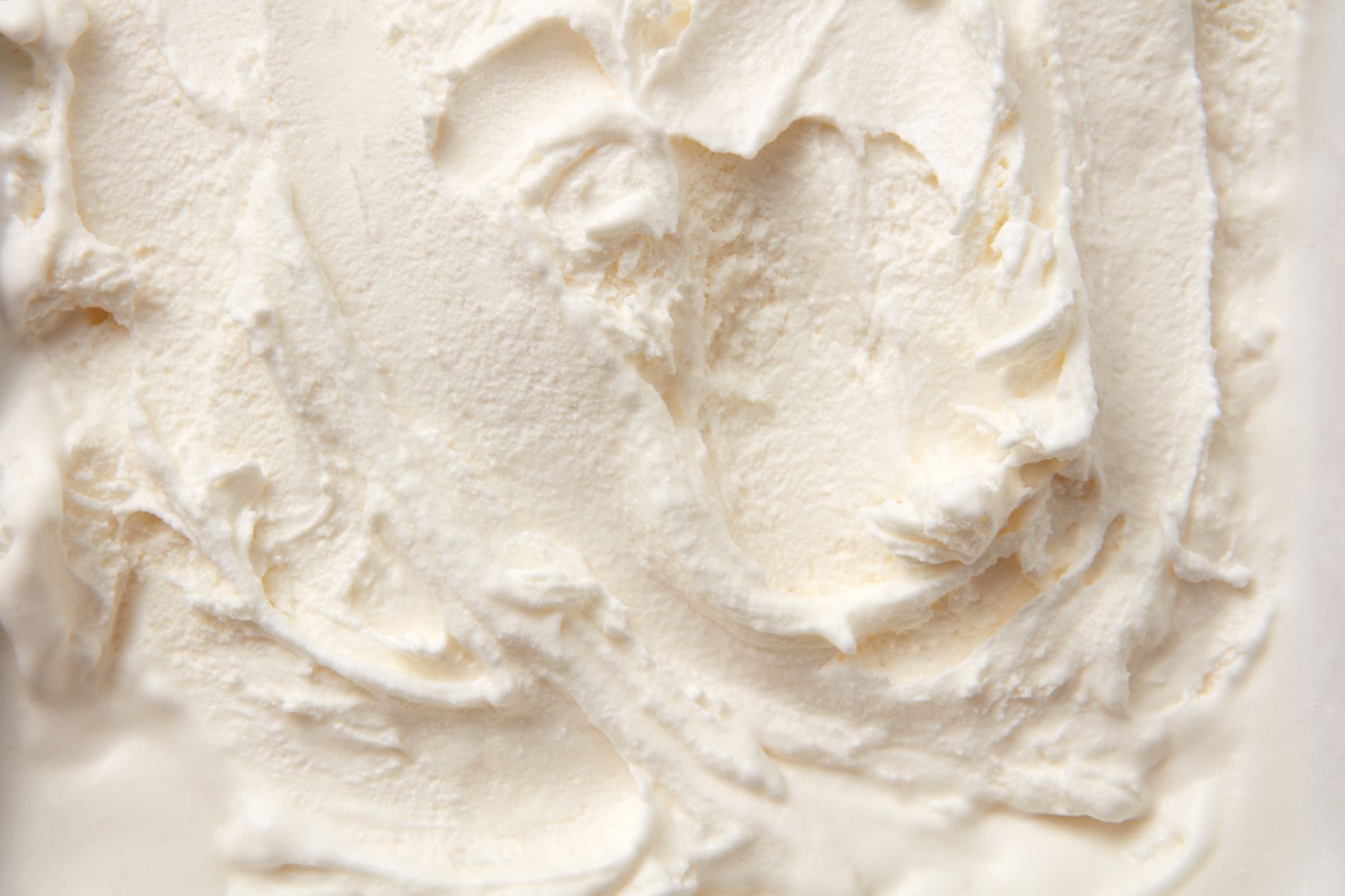
If you want to explore more classic custard methods, check out this old fashioned homemade ice cream recipe with raw eggs to see a traditional approach with some subtle technique differences.
Ready to make your homemade vanilla ice cream with eggs? This custard method ensures creamy, dreamy results every time. Save this recipe for your next family dessert or summer celebration. Dont forget to share your experience or favorite serving ideas in the comments below!
FAQs
When is the best time to eat vanilla ice cream recipe with eggs?
This vanilla ice cream is perfect as a refreshing dessert after meals or an indulgent treat on warm days. Its creamy custard base makes it ideal for savoring slowly. For best freshness and flavor, enjoy it within two weeks of freezing.
Can I use whole eggs instead of just egg yolks?
Using whole eggs will change the ice cream’s texture and color. Egg whites add extra water, which can cause iciness or a thinner custard. Using only yolks produces the smooth, rich consistency classic to this recipe.
Is it safe to use raw eggs in this ice cream recipe?
This recipe cooks the custard base to at least 170°F (77°C), pasteurizing the eggs and making it safe to eat. Avoid recipes that use raw or undercooked eggs without cooking, as they carry health risks.
How long does homemade vanilla ice cream last in the freezer?
Store homemade custard ice cream in an airtight container at 0°F (-18°C) or below. For best quality, consume within two weeks, as freezing longer can lead to ice crystals and flavor loss.
Do I need an ice cream maker to make this recipe?
An ice cream maker is recommended for smooth texture and ease, but you can freeze the custard in a shallow tray and stir every 30 minutes for 3–4 hours to break up ice crystals, though results will be slightly less creamy.