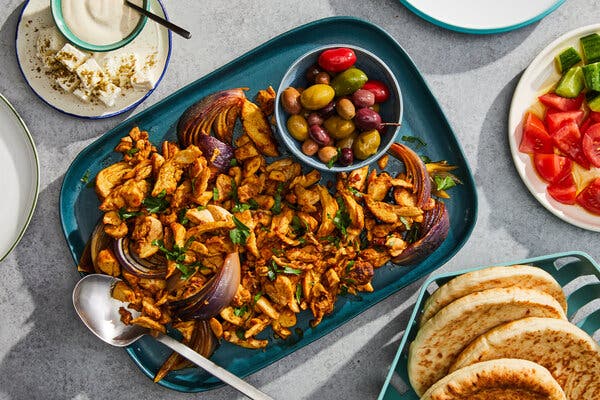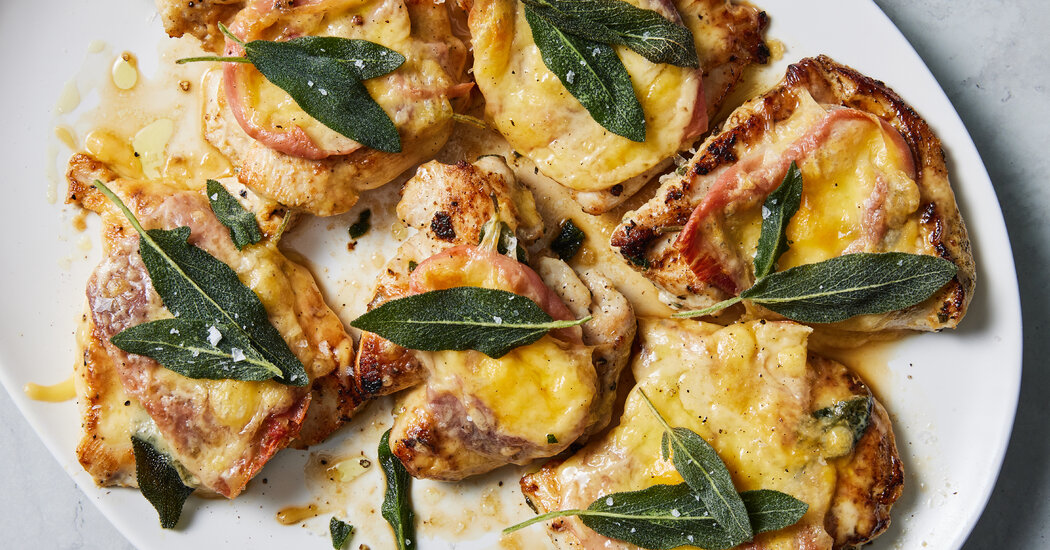
Ever stared at a recipe book and wondered, Can I actually enjoy chicken without spiking my blood sugar? The short answer is yes and the long answer is a handful of tasty, balanced meals that keep you feeling satisfied and keep your glucose steady. Below you’ll find everything you need to start cooking smart, flavorful chicken dishes that are kind to Type 2 diabetes.
Why Chicken Works
What makes chicken a diabetes‑friendly protein?
Chicken is lean, high‑quality protein. Protein doesn’t raise blood glucose the way carbs do, and it helps your body stay full longer. A skinless chicken breast delivers about 30 g of protein with just 2 g of net carbs, making it a perfect foundation for low‑carb meals.
Benefits and risks you should know
Benefits:
- Supports muscle maintenance, which is crucial for insulin sensitivity.
- Easy to portion, so you can control calories and carbs.
- Versatile – works in salads, soups, casseroles, and stir‑fries.
Risks:
- Choosing skin‑on cuts adds saturated fat, which can affect heart health.
- Overcooking creates advanced glycation end‑products (AGEs) that might worsen inflammation.
Balancing these factors means opting for skinless cuts, using gentle cooking methods, and pairing chicken with plenty of non‑starchy veggies.
Core Nutrition Principles
How to keep carbs low while the flavor stays high?
Think of carbs as the background actors – they’re there, but they don’t steal the show. Use non‑starchy vegetables (zucchini, bell peppers, leafy greens), a handful of nuts or seeds for crunch, and low‑glycemic sauces made from Greek yogurt, herbs, or citrus.
Portion‑size math for Type 2 – the plate method
Picture your plate divided into three sections:
- ½ plate non‑starchy vegetables
- ¼ plate lean chicken
- ¼ plate whole grain or legume (optional for extra fiber)
This visual guide helps you keep carbs in check without counting every gram.
Sodium & hidden sugars – the sneaky culprits
Read labels carefully. Many premade marinades and broths contain added sugar and excess sodium, both of which can raise blood pressure and affect glucose control. Choose no‑added‑sugar options or make your own sauces at home.
Easy Breast Recipes
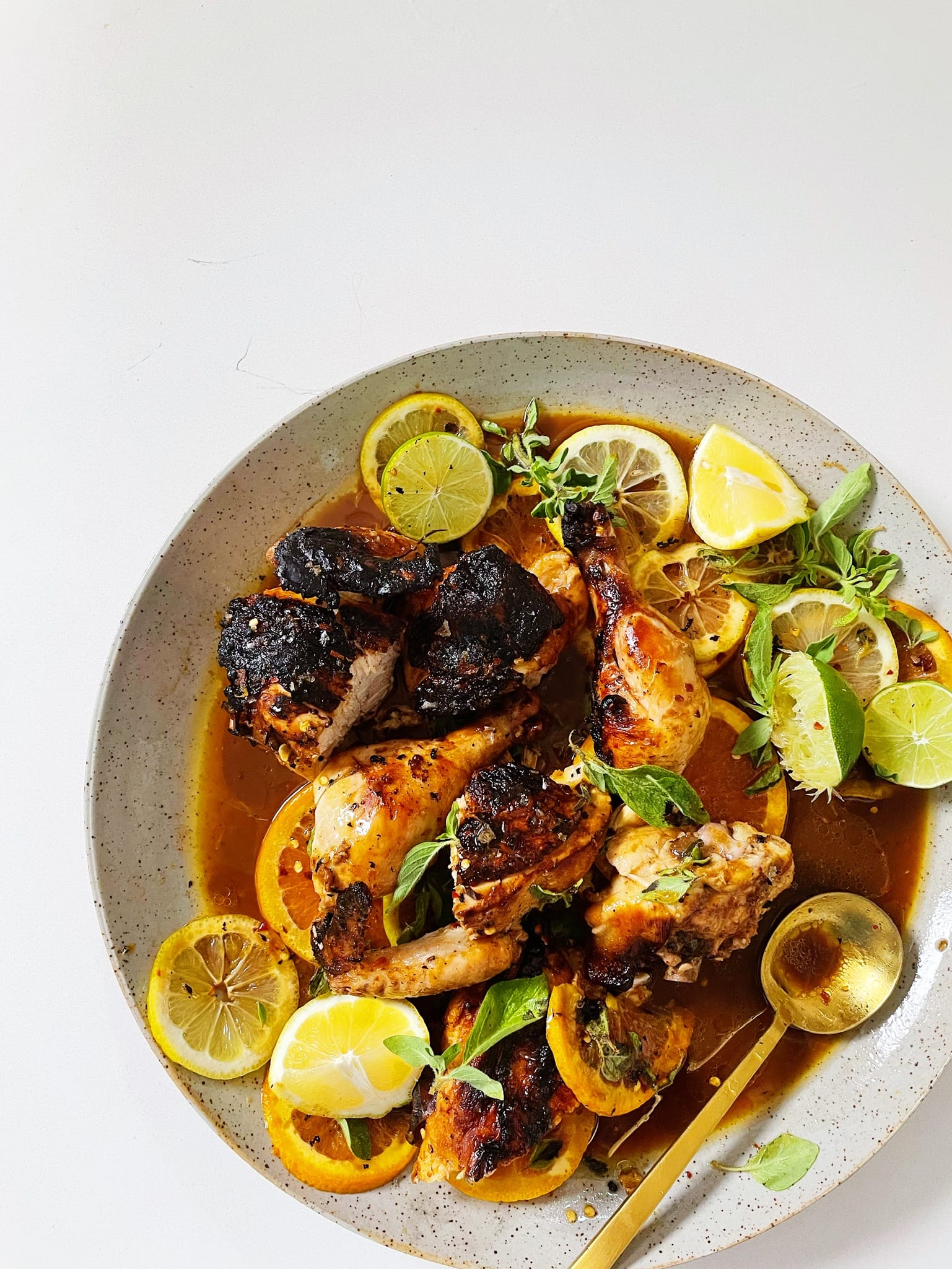
Lemon‑Garlic Rosemary Baked Breast – ready in 20 min
Ingredients: 2 skinless chicken breasts, juice of 1 lemon, 2 tsp fresh rosemary, 2 cloves minced garlic, 1 tbsp olive oil, pinch of black pepper.
Directions: Preheat oven to 190 °C (375 °F). Toss the chicken with the lemon juice, rosemary, garlic, olive oil, and pepper. Arrange on a baking sheet and bake 12‑15 minutes, until the internal temperature hits 165 °F. Serve with steamed broccoli and a squeeze of extra lemon.
Nutrition snapshot: 30 g protein, 2 g net carbs, 150 kcal.
Creamy Avocado Lime Chicken sauce in a snap
Blend together avocado, juice of 1 lime, 1 cup plain Greek yogurt, a pinch of cumin, and a dash of salt. Spoon the sauce over pan‑seared chicken thighs (yes, you can use thighs for extra juiciness) and finish with a sprinkle of fresh cilantro. The sauce adds creaminess without any added sugar.
One‑Pan Tomato‑Basil Chicken with Zucchini
Heat 1 tbsp olive oil, add diced zucchini, cherry tomatoes, and a handful of fresh basil. Nestle seasoned chicken breasts (salt, pepper, a pinch of oregano) among the veggies and roast for 18‑20 minutes. The tomatoes release natural sweetness, while the basil lifts the whole dish.
Flavorful Thigh Dishes
Spicy Paprika & Cumin Slow‑Roasted Thighs
Mix 1 tsp smoked paprika, 1 tsp cumin, 1 tsp garlic powder, and a dash of cayenne. Rub the blend onto skinless thighs, drizzle with 1 tbsp olive oil, and roast at 200 °C (400 °F) for 25‑30 minutes. Serve with a side of roasted cauliflower rice.
Coconut‑Lime Braised Thighs – a casserole feel
Brown the thighs, then add 1 cup light coconut milk, zest of 1 lime, 1 tbsp fish sauce (check it’s low‑sugar), and a handful of sliced bell peppers. Simmer gently for 20 minutes until tender. Spoon over cauliflower ricotta or a light salad for a comforting, low‑carb casserole.
Grilled Sugar‑Free Honey‑Lime Chicken
Combine 2 tbsp erythritol, 1 tbsp lime juice, 1 tsp mustard, and a sprinkle of smoked paprika. Brush onto grilled chicken thighs for that sweet‑tangy glaze without the spike in glucose.
One‑Pot Comfort
Cauliflower‑Rice Chicken Casserole
Swap regular rice for cauliflower rice to slash carbs by up to 90 %. Sauté diced chicken, add frozen cauliflower rice, a splash of low‑fat milk, and shredded cheddar. Bake 15 minutes at 180 °C (350 °F) until bubbly. The result feels like classic comfort food, but it’s diabetes‑friendly.
Chicken & Quinoa Pilaf with Spinach & Feta
Quinoa provides protein and fiber with a moderate glycemic index. Cook 1 cup quinoa in low‑sodium broth, stir in sautéed chicken strips, wilted spinach, and crumble feta on top. A balanced plate that’s both filling and blood‑sugar stable.
Southwest Chicken Stew with Black Beans
Combine diced chicken, canned black beans (rinsed), diced tomatoes, cumin, and chipotle pepper for a smoky stew. Keep bean portions to ½ cup per serving to stay within a typical 45–60 g daily carb range for Type 2.
Simple Sauces & Marinades
Garlic‑Ginger Soy‑Free Marinade
Mix 2 tbsp apple cider vinegar, 1 tsp grated ginger, 1 tsp minced garlic, and 1 tbsp tamari (gluten‑free soy sauce). Marinate chicken for 30 minutes before grilling. This tangy blend adds depth without hidden sugars.
Yogurt‑Herb Dressing – perfect topping
Stir together ½ cup plain Greek yogurt, 1 tbsp chopped dill, a squeeze of lemon, and a pinch of salt. Drizzle over baked chicken or toss with a mixed‑green salad for extra protein and probiotics.
Tomato‑Basil Salsa – no added sugar
Dice fresh tomatoes, red onion, a handful of basil, and add a splash of balsamic vinegar. Let sit for 10 minutes, then spoon over grilled chicken. Store in an airtight container for up to five days – great for meal‑prep.
Explore more flavor options with our collection of diabetic sauces for chicken that keep meals exciting while staying low‑glycemic.
Cooking Tips Basics
How to cook chicken safely for diabetics?
Always reach an internal temperature of 165 °F (74 °C). Use a meat thermometer – it’s the most reliable way to avoid undercooking, which can lead to food‑borne illness and unwanted stress on the body.
Moisture‑locking techniques
Brining is a simple trick: dissolve 1 tbsp salt in 2 cups water, add a cinnamon stick for a warm aroma, and soak the chicken for 30 minutes. The salt helps the muscle fibers retain water, resulting in juicier meat.
Batch‑cook & freeze – keep nutrition intact
Cook extra portions, cool quickly, then freeze in single‑serve bags labeled with date, portion size, and net carbs. Frozen chicken retains its protein quality for up to three months when sealed properly.
Meal‑Planning Ideas
5‑Day Meal‑Prep Calendar
Here’s a quick layout you can copy into a spreadsheet:
| Day | Breakfast | Lunch | Dinner |
|---|---|---|---|
| Mon | Greek yogurt + berries | Chicken salad with avocado | Lemon‑Garlic baked chicken + broccoli |
| Tue | Scrambled eggs + spinach | Cauliflower‑rice casserole | Spicy paprika thighs + green beans |
| Wed | Low‑carb smoothie | Quinoa pilaf with chicken | Tomato‑basil salsa chicken |
| Thu | Chia pudding | Southwest stew | Garlic‑ginger marinated grilled chicken |
| Fri | Omelet with mushrooms | Leftover casserole | Avocado lime chicken with salad |
Budget‑friendly shopping list
Buy chicken in bulk (whole birds are cheaper than breasts), freeze portions, and stock up on frozen non‑starchy veggies, herbs, and spices. A small bag of almond flour can replace breadcrumbs for a low‑carb crust.
Reading nutrition labels for hidden sugars
Look for terms like sucrose, fructose, maltodextrin, or high‑fructose corn syrup. Even “natural flavors” can hide sugar, so choose plain sauces and add flavor yourself with herbs and citrus.
Conclusion
Cooking for Type 2 diabetes doesn’t have to feel like a chore. By choosing lean chicken, pairing it with low‑glycemic veggies, and using simple, homemade sauces, you get dishes that are both nourishing and delicious. Remember the plate method, keep an eye on hidden sugars, and don’t be afraid to experiment with spices – your taste buds (and blood sugar) will thank you.
If you’re ready to try these recipes, why not download the free 30‑Day Diabetic Chicken Meal Planner and start swapping out the usual carb‑heavy meals for these flavorful options? Share your favorite chicken twist with a friend, and let’s keep each other motivated on this tasty, healthy journey!
FAQs
What makes chicken a good choice for a Type 2 diabetes diet?
Chicken is a lean source of high‑quality protein that has virtually no carbs, helping keep blood‑sugar levels stable while providing the satiety you need.
How can I keep carb counts low in chicken dishes?
Focus on non‑starchy vegetables, use low‑glycemic sauces like Greek‑yogurt‑based dressings, and limit grains or legumes to a small portion when needed.
Is it safe to eat chicken skin when I have diabetes?
Skin adds saturated fat, which can affect heart health—a concern for many with diabetes. Choose skinless cuts or remove the skin before cooking for a healthier option.
What are the best cooking methods to preserve nutrition?
Gentle methods such as baking, poaching, steaming, or quick sautéing retain moisture and avoid forming harmful advanced glycation end‑products (AGEs).
Can I prepare chicken meals ahead of time?
Yes! Cook batches, cool quickly, and freeze in single‑serve bags with labeled portions and net‑carb counts. Properly stored chicken stays high‑protein for up to three months.